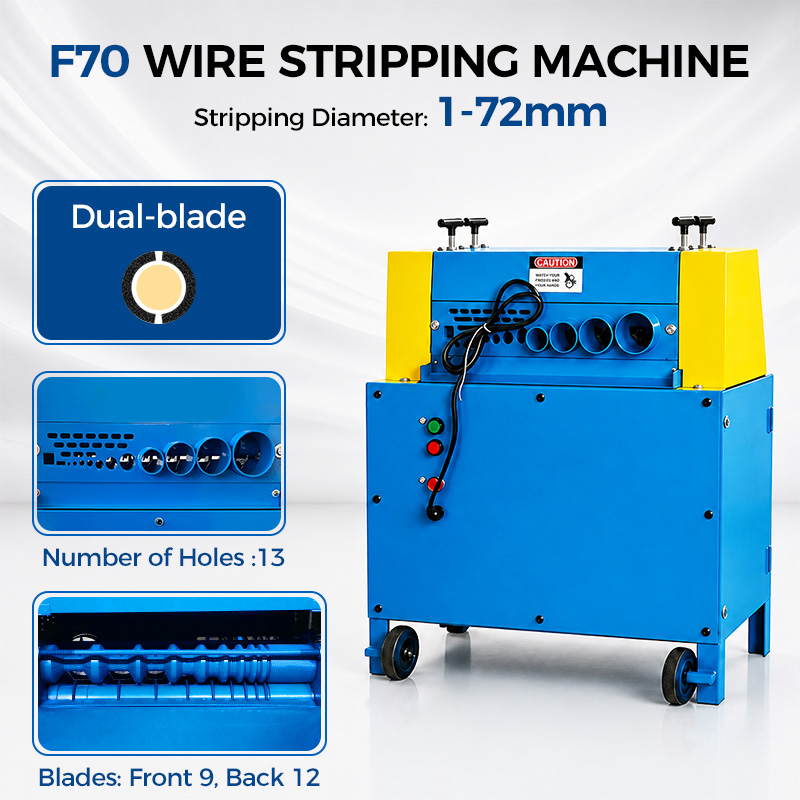
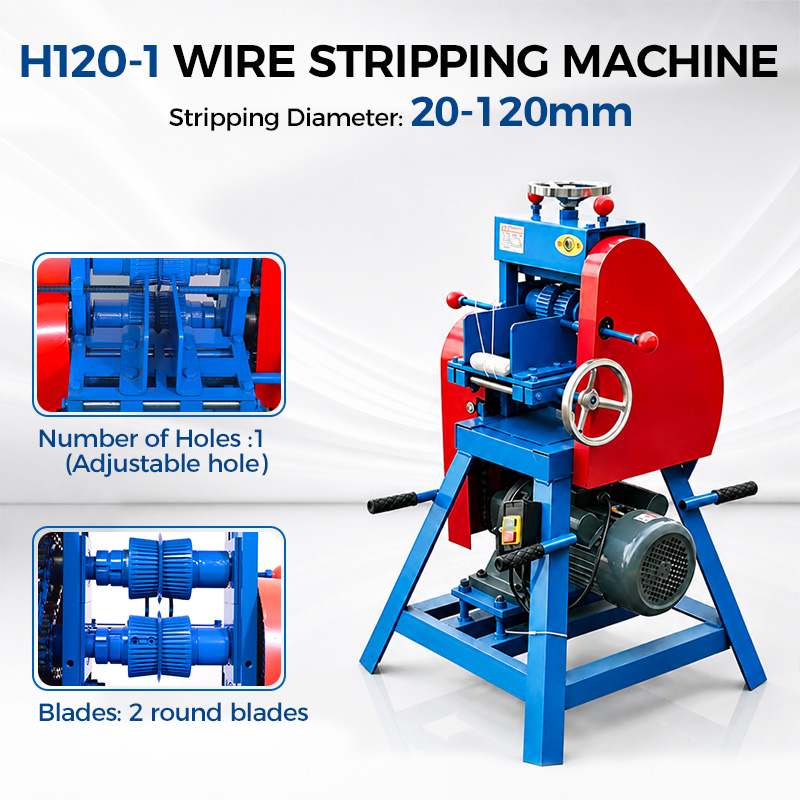
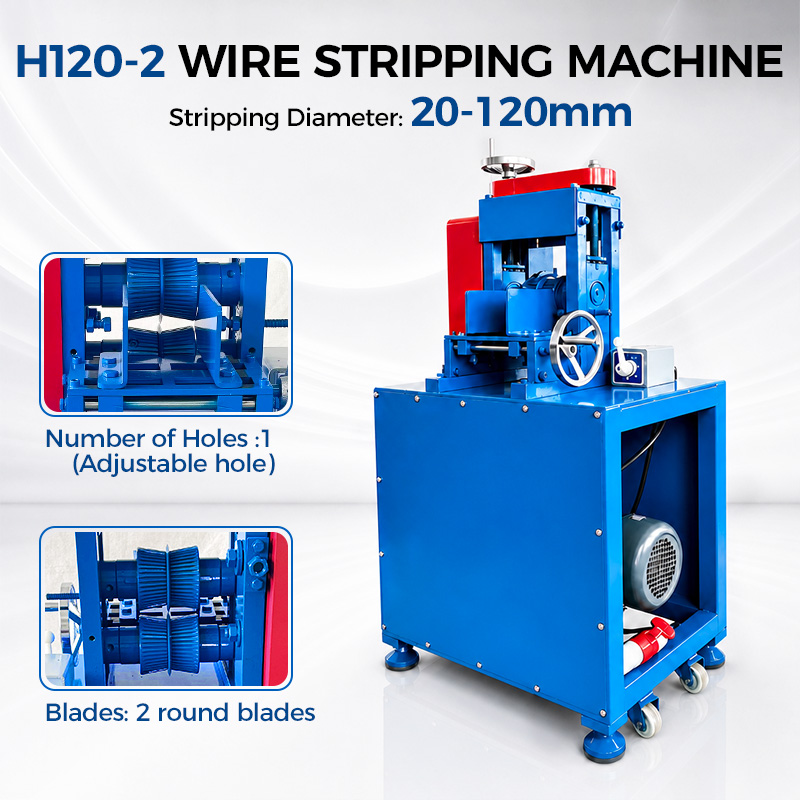
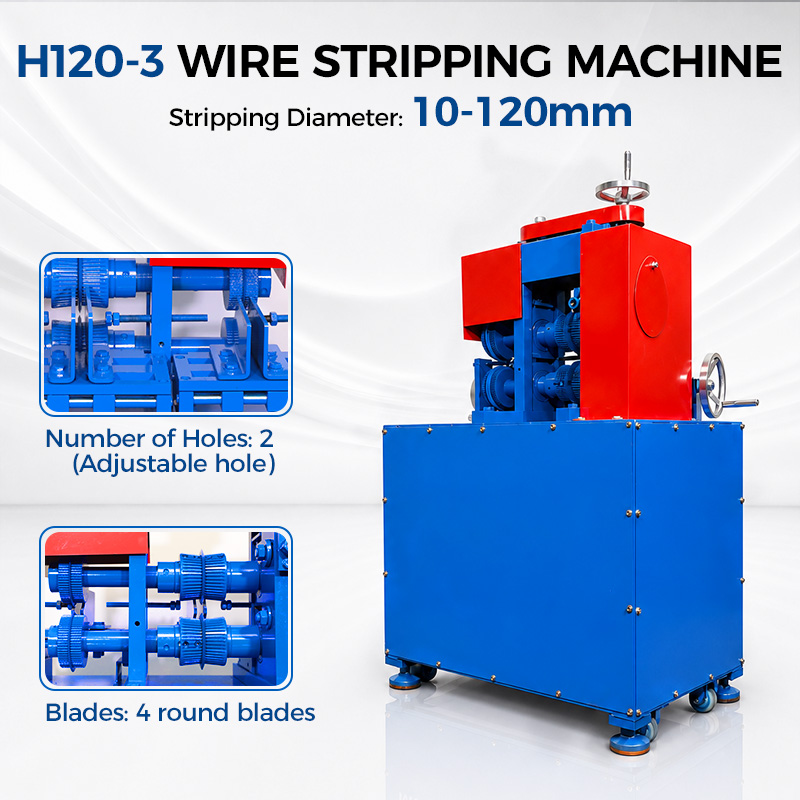
Choosing the Right Large Wire Stripping Machine

application/large-wire-stripping-machine, application/large-wire-stripping-machine, 
Inquiry
Inquiry

large wire stripping machine

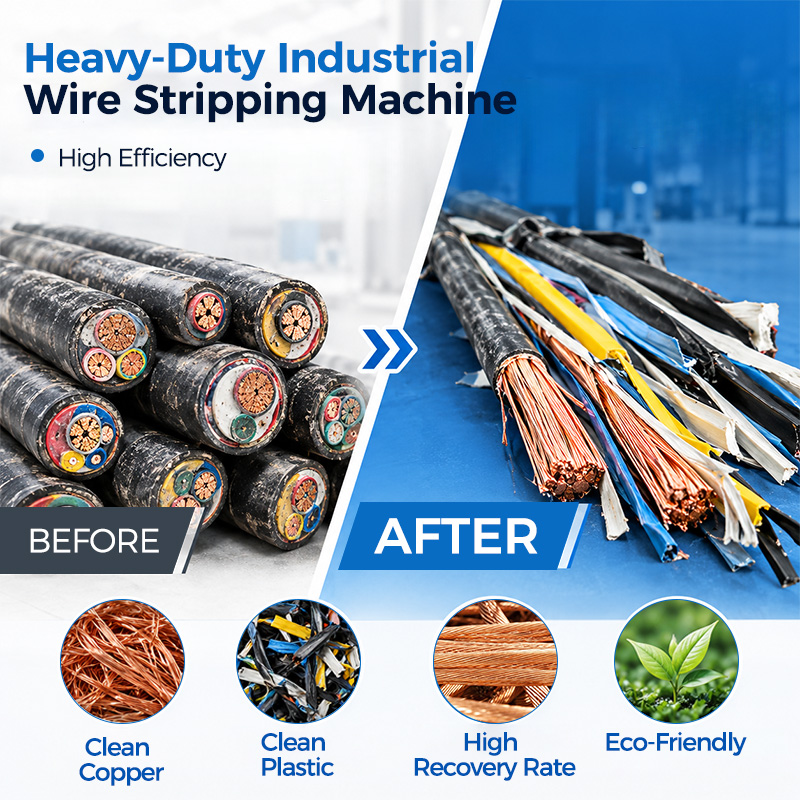
Choosing the right large wire stripping machine is crucial for businesses involved in recycling and processing waste cables. These machines are designed to efficiently remove insulation from various wire types, allowing for the recovery of valuable metals. B2B buyers, including purchasing managers and engineers, often have specific concerns about performance, compatibility, and cost-effectiveness. This article will help you understand the key factors to consider when selecting a large wire stripping machine, explore wholesale purchasing options, provide installation guidance, discuss applications across industries, and offer expert insights on maintenance.

Wholesale Purchasing Options for Large Wire Stripping Machines

Wholesale Purchasing Options for Large Wire Stripping Machines

When looking to purchase a large wire stripping machine, wholesale options can provide significant cost savings. Here are some strategies to consider:

Bulk Purchasing: Many manufacturers offer discounts for bulk orders. If your operation requires multiple machines or additional parts, inquire about pricing structures for larger quantities.

Direct Manufacturer Deals: Buying directly from the manufacturer can often yield better pricing and access to customized solutions. This also allows for direct communication regarding specifications and capabilities.

Trade Shows and Industry Conferences: Attending industry events can provide opportunities to negotiate deals and see machines in action. You can directly interact with manufacturers and evaluate multiple options at once.

Online Marketplaces: Platforms that specialize in industrial machinery can sometimes offer competitive pricing. Be sure to verify seller ratings and product quality before purchasing.

Financing Options: Some manufacturers provide financing plans that can ease the upfront costs associated with purchasing large machinery. Explore these options to find a payment plan that fits your budget.

Installation Guidance for Your Large Wire Stripping Machine

Installation Guidance for Your Large Wire Stripping Machine

Proper installation is crucial for optimal machine performance. Follow these guidelines to ensure a successful setup:

Site Preparation: Ensure the installation area is clean, spacious, and meets the machine's weight and size requirements. Verify that electrical and water supply lines are in place and comply with the machine's specifications.

Assembly: Follow the manufacturer’s instructions closely during assembly. Many machines come with pre-assembled components, making it easier to set up. Always use the recommended tools and safety gear.

Calibration: After installation, calibrate the machine according to the manufacturer's guidelines. This may involve adjusting the settings for wire size and insulation type.

Testing: Before full-scale operation, conduct a trial run with scrap wire to ensure everything is functioning correctly. Monitor for any unusual sounds or vibrations and make adjustments as necessary.

Training: Provide adequate training for operators to ensure they understand how to use the machine safely and effectively. This can prevent accidents and improve overall productivity.

Applications of Large Wire Stripping Machines in Various Industries

Applications of Large Wire Stripping Machines in Various Industries

Large wire stripping machines are vital across multiple industries, including:

Recycling Facilities: These machines are essential for recycling operations that process electrical wires, allowing for the recovery of copper and aluminum, often utilizing equipment such as the LX-400C Fully Enclosed Copper Wire Granulator.

Manufacturing: In manufacturing settings, wire stripping machines are used to prepare materials for production, ensuring that wires are ready for assembly into electronic components.

Construction: Construction companies often deal with waste cables and can utilize these machines to strip and recycle materials, contributing to sustainable practices.

Telecommunications: Companies in telecommunications frequently handle large volumes of cabling that must be stripped for recycling or repurposing, making these machines indispensable.

Automotive Industry: In the automotive sector, wire stripping machines can help in recycling old wiring harnesses, thus reducing waste and supporting sustainability initiatives.

Expert Insights on Maintaining Your Large Wire Stripping Equipmen

Maintaining your large wire stripping machine is essential for ensuring longevity and optimal performance. Here are some expert tips:

Regular Inspections: Schedule routine inspections to check for wear and tear on critical components, such as blades and motor functions. Early detection of issues can prevent costly repairs.

Cleaning: Keep the machine clean to avoid debris buildup that can affect performance. Regularly clean the cutting area and any moving parts following the manufacturer's guidelines.

Lubrication: Follow the manufacturer's recommendations for lubrication. Proper lubrication helps reduce friction and wear, prolonging the life of the machine.

Operator Training: Ensure that all operators are trained on the proper use and care of the machine. Misuse can lead to increased wear and accidents.

Document Maintenance: Keep a maintenance log to track when inspections and repairs were performed. This record can be vital for warranty claims and resale value.

By understanding the considerations for selecting a large wire stripping machine and following best practices for installation and maintenance, B2B buyers can make informed purchasing decisions that enhance operational efficiency and reduce costs.

What to Consider When Choosing a Large Wire Stripping Machine

When selecting a large wire stripping machine, several critical factors should be evaluated:

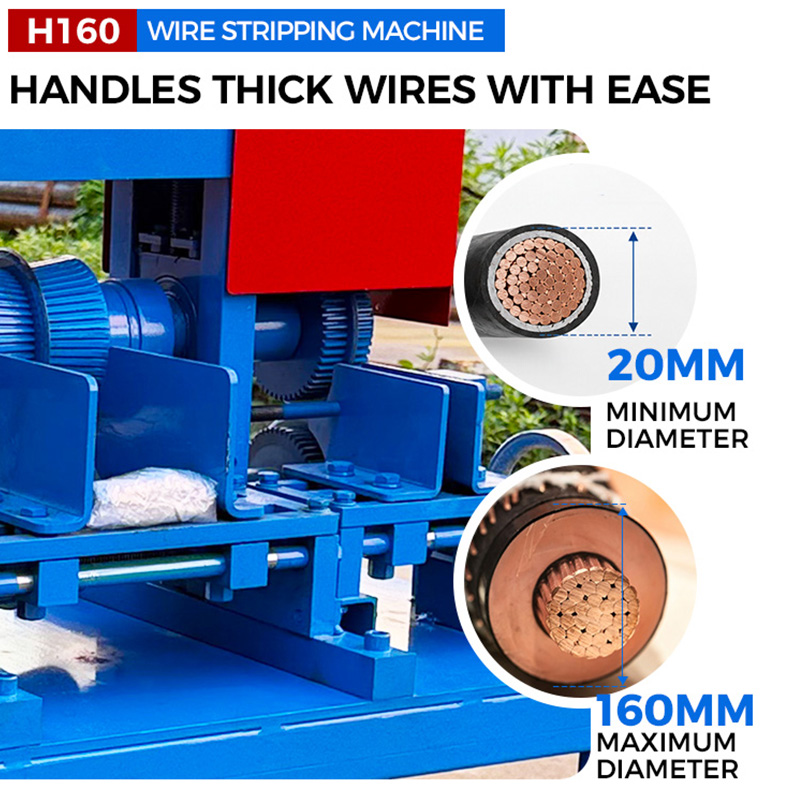
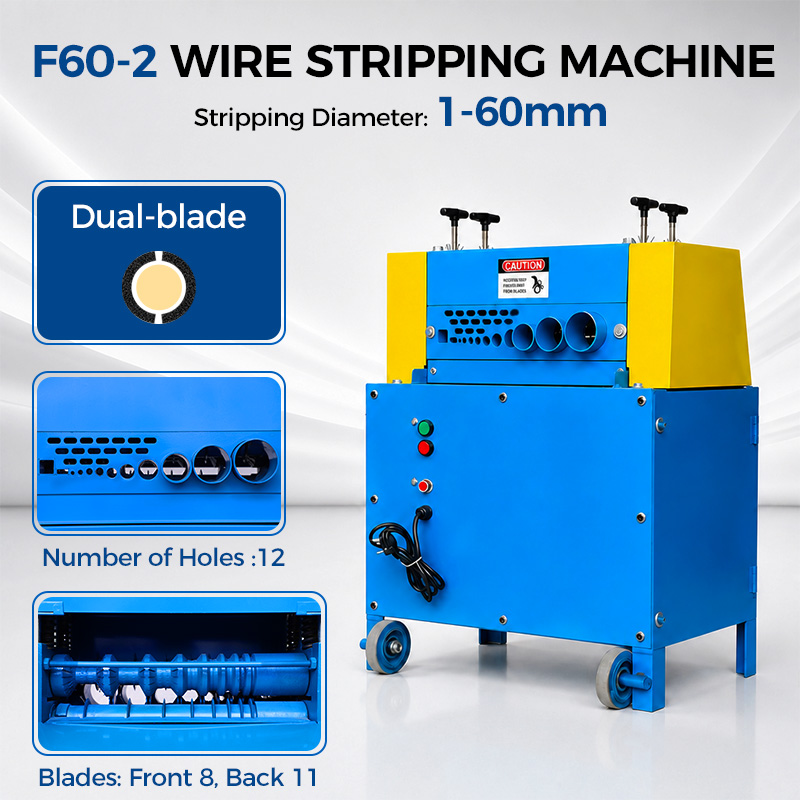
Wire Size Compatibility: Ensure the machine can handle the specific wire sizes and types you will be processing. Look for machines with adjustable settings for different gauges and insulation types to maximize versatility.

Production Capacity: Assess the machine's throughput capabilities. Consider your operation's scale and daily processing requirements. A machine with a higher capacity, such as the LE-500B Electrostatic Separator for Copper and Plastic Recovery, can reduce processing time, which translates to increased efficiency.

Power Requirements: Verify the machine's power specifications to ensure it matches your facility's electrical setup. Machines that consume too much power can lead to increased operational costs.

Ease of Use and Maintenance: Select machines that are user-friendly and easy to maintain. Features such as automatic feeding mechanisms can enhance productivity, while easy access for maintenance can reduce downtime.

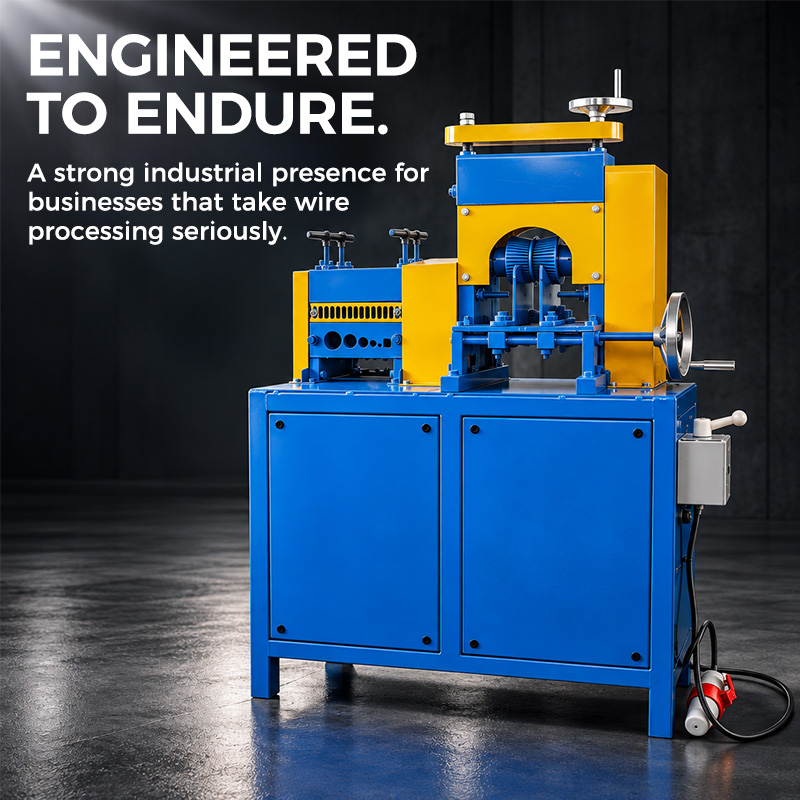
Quality of Build and Materials: Machines constructed from high-quality materials will typically offer better durability and performance. Look for details regarding the frame and blade materials.

Manufacturer Support: When purchasing, consider the level of after-sales support offered by the manufacturer. Reliable support can be invaluable for maintenance and troubleshooting.

Get a Free Quote

Tell us about your recycling needs, and our team will recommend the right equipment and solution for your project.
0/1000