Essential Guide to Scrap Wire Stripping Machines

application/scrap-wire-stripping-machine, application/scrap-wire-stripping-machine, 
Inquiry
Inquiry

scrap wire stripping machine

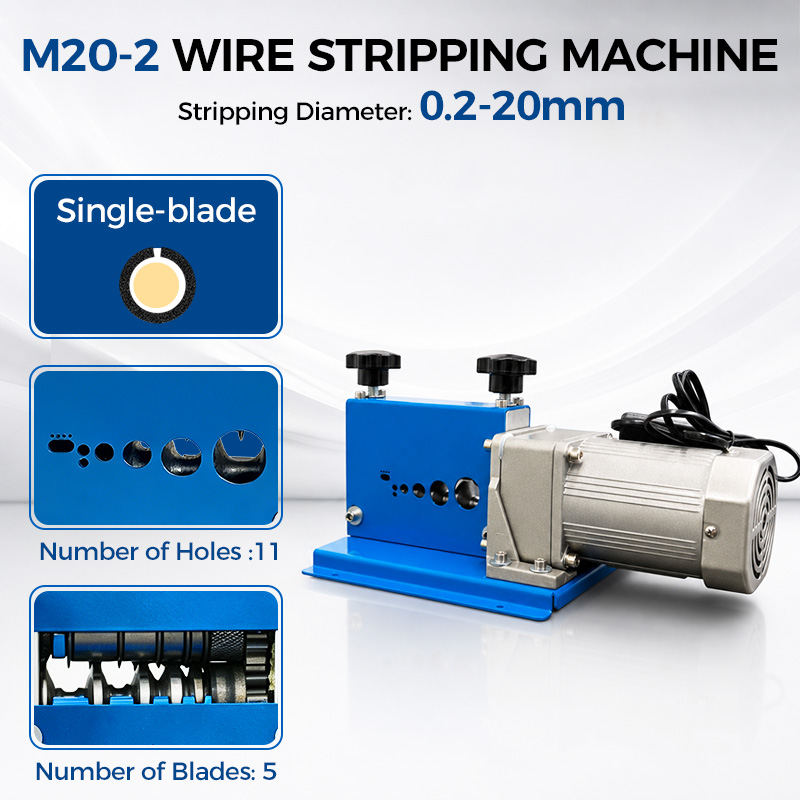
When it comes to industrial recycling, a scrap wire stripping machine is an essential piece of equipment for businesses looking to efficiently reclaim valuable materials from waste cables. These machines are designed to remove insulation from various types of wire, allowing for the recycling of copper, aluminum, and other metals. For B2B buyers, selecting the right machine involves several considerations, including application suitability, performance specifications, and potential operational challenges. This article will guide you through these aspects to help you make an informed purchasing decision.

Applications of Scrap Wire Stripping Machines in Industrial Recycling

Scrap wire stripping machines play a pivotal role in various industrial recycling applications. They are commonly used in:

Electrical and Electronics Recycling: Businesses involved in dismantling electronic waste can utilize these machines to recover valuable metals from wires and cables.

Construction and Demolition: In construction projects, old wiring is often discarded. Stripping the wire allows contractors to reclaim and recycle metals, contributing to sustainable practices.

Automotive Recycling: Scrap wire stripping machines are essential in the automotive industry for reclaiming copper from wiring harnesses, which can be a significant source of revenue.

Telecommunications: Companies in the telecom sector often deal with large amounts of wiring. Using stripping machines helps in efficiently processing these materials for recycling.

By understanding these applications, buyers can better appreciate the value a scrap wire stripping machine can bring to their operations.

Common Problems with Scrap Wire Stripping Machines and Their Solutions

While scrap wire stripping machines are invaluable, they can encounter common issues that might affect performance:

Jamming: One frequent problem is material jamming, often caused by improperly sized or contaminated wire. Regular maintenance, such as cleaning and checking for foreign objects, can help mitigate this issue.

Blade Wear: Over time, the blades can dull, reducing cutting efficiency. It's important to regularly inspect and replace blades as necessary to maintain optimal performance.

Electrical Issues: Machines can experience electrical problems, such as short circuits or power supply failures. Ensuring proper installation and maintenance of electrical components is crucial.

Insufficient Output: If the output is lower than expected, it may be due to incorrect settings or insufficient feeding speed. Regular calibration and adjustment of parameters can help ensure maximum efficiency.

Understanding these common problems and their solutions can help buyers maintain their machines more effectively and reduce downtime.

Installation Guidance for Optimal Performance of Scrap Wire Stripping Machines

Proper installation is vital for the performance of a scrap wire stripping machine. Here are several key considerations:

Location: Choose a location that allows for sufficient space around the machine for operation and maintenance. Ensure it’s near power supplies and easy access for material input and output.

Level Ground: The machine should be installed on a level surface to prevent vibrations that can affect performance and longevity.

Electrical Requirements: Confirm that the machine's electrical specifications match your facility's power supply. It's advisable to engage a qualified electrician for installation to avoid potential hazards.

User Training: Ensure that operators are well-trained in using the machine. This includes understanding the operational controls, safety procedures, and routine maintenance tasks.

Following these guidelines can significantly enhance the performance and lifespan of your wire stripping machine, such as the LX-300A 100–150kg/h Copper Wire Granulator for Scrap Cables.

Comparing Different Models of Scrap Wire Stripping Machines for Purchase

When evaluating different models of scrap wire stripping machines, consider the following specifications to make an informed decision:

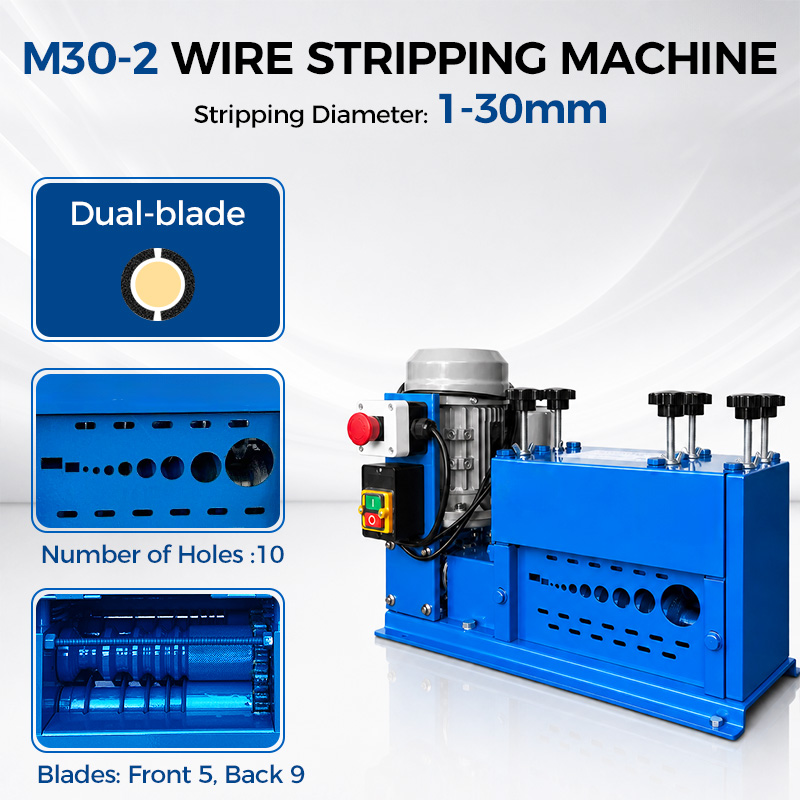
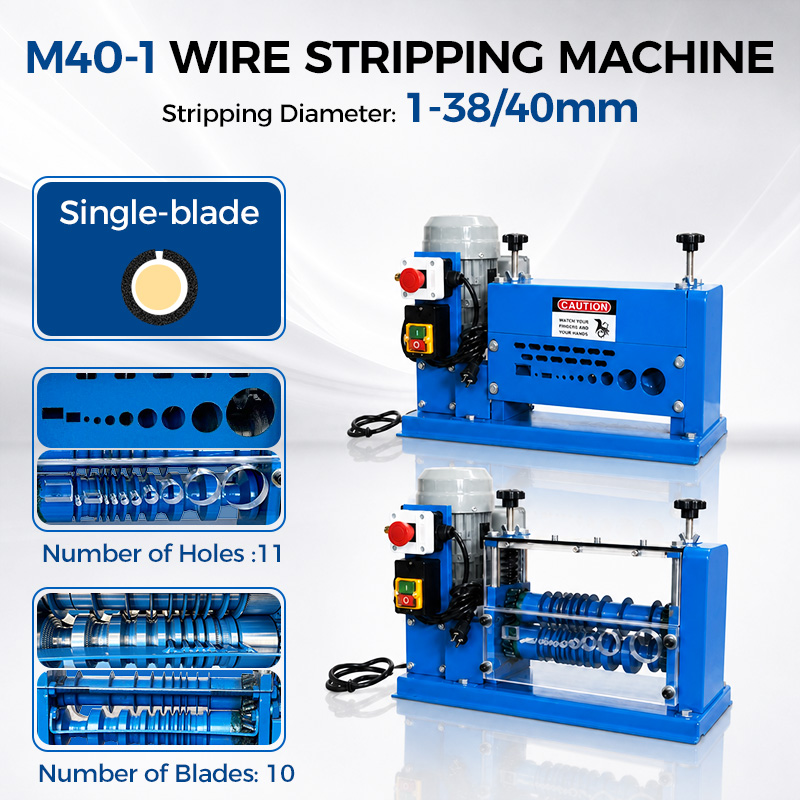
Technical Specifications: Look at the motor power, cutting capacity, and strip length adjustments. These specifications directly affect the machine's efficiency and suitability for your operation.

Build Quality: Assess the materials used in construction. Machines made from durable materials tend to have longer lifespans and require less maintenance.

Warranty and Support: Choose a manufacturer that offers a robust warranty and reliable after-sales support. This can be crucial for minimizing downtime should issues arise.

Cost vs. Value: While price is a significant factor, it’s essential to consider the total cost of ownership, including maintenance and operational costs over time. A cheaper initial investment may lead to higher long-term costs if the machine requires frequent repairs or lacks efficiency.

User Reviews: Research user reviews and testimonials to gauge the experiences of other buyers. Real-world feedback can provide insight into the machine's performance and reliability.

By systematically comparing models based on these criteria, buyers can find a scrap wire stripping machine that best fits their operational needs and budget constraints. Selecting the right scrap wire stripping machine involves understanding your specific requirements, evaluating applications, anticipating potential problems, ensuring proper installation, and comparing models based on critical specifications. By following the guidance provided above, you can make a well-informed purchasing decision that enhances your recycling operations and contributes to a more sustainable industrial process.

How to Choose the Right Scrap Wire Stripping Machine for Your Needs

Choosing the right scrap wire stripping machine begins with assessing your specific needs. Key factors include the types of wire you will be processing, the volume of material, and the desired throughput.

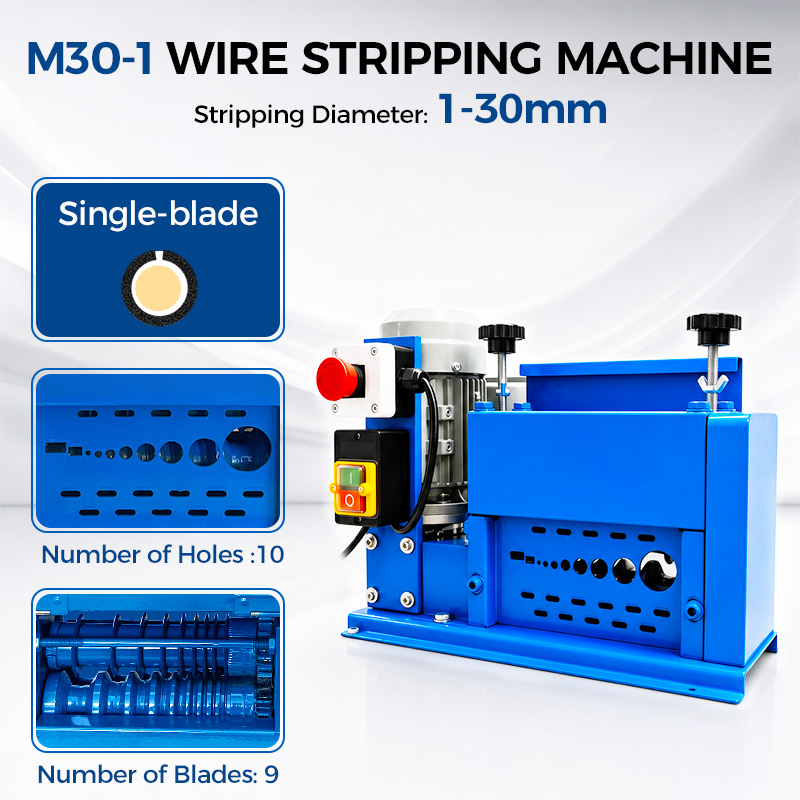
Wire Types and Sizes: Different machines are designed to handle varying wire types (copper, aluminum, etc.) and sizes (gauge). Ensure the machine can accommodate the specific wires you plan to strip, such as the M30-1 1–30mm 370W Automatic Wire Stripping Machine.

Processing Capacity: Evaluate the machine's production capacity. This includes how much wire it can process per hour, which is crucial for meeting your operational demands.

Automation Features: Some machines offer automated feeding and cutting features, which can enhance efficiency and reduce labor costs. Consider whether these features align with your operational goals.

Energy Efficiency: Look for machines that consume less power while providing optimal performance. This is increasingly important as businesses aim to reduce their carbon footprint and energy costs.

Customization Options: Depending on your requirements, a manufacturer may offer customization options to tailor the machine's capabilities to your specific needs, including models like the LE-500B Electrostatic Separator for Copper and Plastic Recovery.

Get a Free Quote

Tell us about your recycling needs, and our team will recommend the right equipment and solution for your project.
0/1000