Choosing the Right Industrial Shredder for Metal

application/industrial-shredder-for-metal, application/industrial-shredder-for-metal, 
Inquiry
Inquiry

industrial shredder for metal

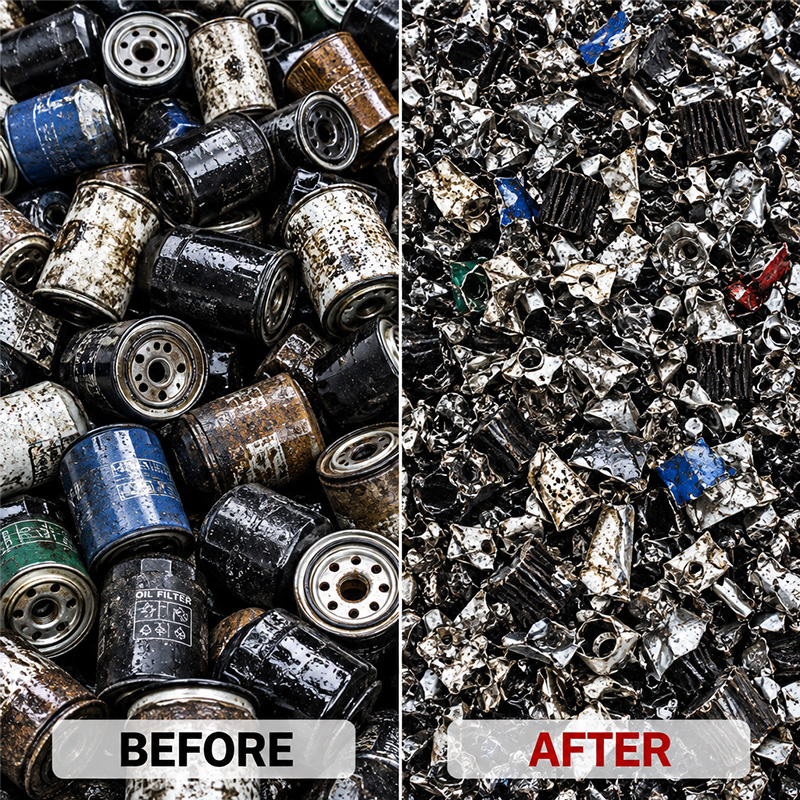
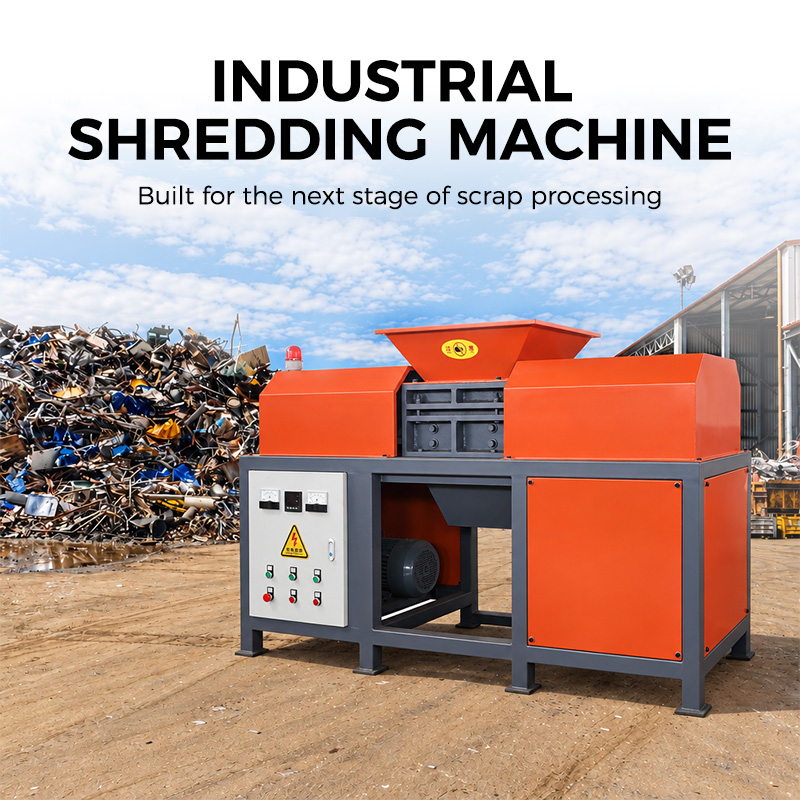
Industrial shredders for metal are essential machines in the recycling process, designed to break down large metal pieces into smaller, manageable sizes for further processing. For B2B buyers—including purchasing managers, engineers, and product managers—understanding the intricacies of selecting the right industrial shredder is crucial. This article will guide you through the key considerations in choosing an industrial shredder, addressing common buyer concerns, cost factors, potential problems, and the advantages of various materials used in shredding solutions.

What Buyers Should Know

What Buyers Should Know

When preparing to purchase an industrial shredder for metal, buyers should be aware of several key aspects. Start by determining your throughput requirements, as this will influence the shredder's capacity and size. Ask the manufacturer about their production capacity, as it should align with your operational needs.

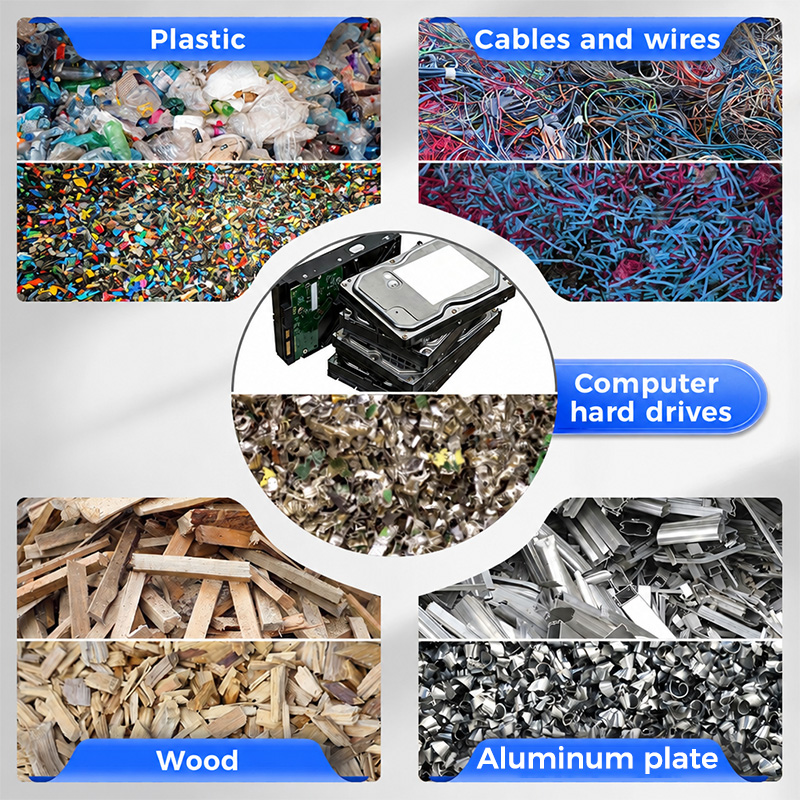
Understanding the materials you will be shredding is equally important. Different metals—such as aluminum, steel, or copper—may require specific blade designs or motor configurations to optimize shredding efficiency. Additionally, verify the shredder's compliance with industry standards and certifications, which can be a testament to its quality and reliability.

Another critical consideration is the support and service offered by the manufacturer. A supplier that provides comprehensive after-sales service, including maintenance and spare parts availability, can significantly enhance the longevity and performance of your equipment.

Cost Factors to Consider When Purchasing Metal Shredders in Bulk

Cost Factors to Consider When Purchasing Metal Shredders in Bulk

The cost of industrial shredders for metal can vary widely based on several factors. First, the initial purchase price can be influenced by the shredder's size, capacity, and complexity of design. It's essential to compare prices across different suppliers, taking into account the features and specifications to ensure you are making an informed decision.

When purchasing in bulk, consider additional costs such as shipping, installation, and commissioning. These factors can significantly impact the total cost of ownership. It's also worth inquiring about warranties and service agreements, as these can affect long-term operational expenses.

Another aspect to factor in is energy consumption. Shredders with higher efficiency ratings may have a higher upfront cost but can lead to significant savings in energy bills over time, especially in large-scale operations. Ensure to discuss these efficiency metrics with manufacturers to understand the long-term cost implications.

Common Problems with Metal Shredders and Their Effective Solutions

Common Problems with Metal Shredders and Their Effective Solutions

Industrial shredders for metal can encounter various issues that may disrupt operations. One common problem is blade wear, which can lead to reduced shredding efficiency. Regular maintenance is crucial to mitigate this issue; it’s advisable to schedule routine inspections and replace blades as needed to ensure optimal performance.

Another issue is the potential for jamming, especially when shredding mixed materials. To prevent this, operators should adhere to the recommended feed rates and avoid overloading the machine. Implementing a proper sorting system before shredding can also minimize the risk of jamming.

In some cases, vibration or noise may indicate mechanical issues. Regular maintenance checks should include inspections for loose components or misalignments that can lead to excessive wear or damage. Buyers should ensure their supplier provides clear guidelines for troubleshooting and maintenance to address these common problems effectively.

Understanding Material Advantages in Industrial Shredding Solutions

The choice of materials in industrial shredders for metal plays a crucial role in performance and durability. High-quality steel is commonly used for blades due to its hardness and resistance to wear. Various surface treatments, such as coatings or hardening processes, can further enhance blade longevity and performance.

For the housing and frame, materials must withstand heavy-duty use and potential impacts during operation. Using robust steel or alloys ensures that the shredder can handle the rigors of shredding metal without compromising structural integrity.

Furthermore, consider the environmental impact of the materials used in the shredder's construction. Manufacturers increasingly focus on sustainability, using recyclable materials and processes that minimize waste. This not only benefits the environment but can also appeal to buyers looking to enhance their corporate social responsibility initiatives.

Understanding the nuances of selecting an industrial shredder for metal is vital for making a sound investment. By considering the factors discussed —such as operational needs, cost implications, potential issues, and material advantages—buyers can better navigate the procurement process and ensure they choose a machine that meets their metal recycling requirements efficiently and effectively.

How to Choose the Right Industrial Shredder for Metal Recycling

Selecting the appropriate industrial shredder for metal recycling involves several critical factors. First, consider the type and size of the metal you plan to shred. Different shredders are designed to handle various shapes, such as sheets, plates, or scrap metal, and the size of the feed opening can significantly influence performance. Additionally, the desired output size will dictate the shredder's configuration, including the number of blades and their design. For instance, a Shredding Machine may be ideal for certain applications.

Second, evaluate the shredding technology—whether it's a single-shaft, dual-shaft, or granulator style. Single-shaft shredders are generally more efficient for lighter materials, while dual-shaft shredders offer higher torque, making them suitable for denser metals. The choice of motor power and drive type (electric, hydraulic, or diesel) also plays a critical role, impacting both performance and energy consumption.

Finally, consider the shredder's integration with existing processes. Compatibility with downstream equipment, such as conveyors and sorting systems, ensures a seamless recycling operation. Always consult with manufacturers to confirm the specifications align with your processing needs, as they can provide tailored solutions based on your recycling objectives, including Copper Granulator systems for enhanced efficiency.

Get a Free Quote

Tell us about your recycling needs, and our team will recommend the right equipment and solution for your project.
0/1000