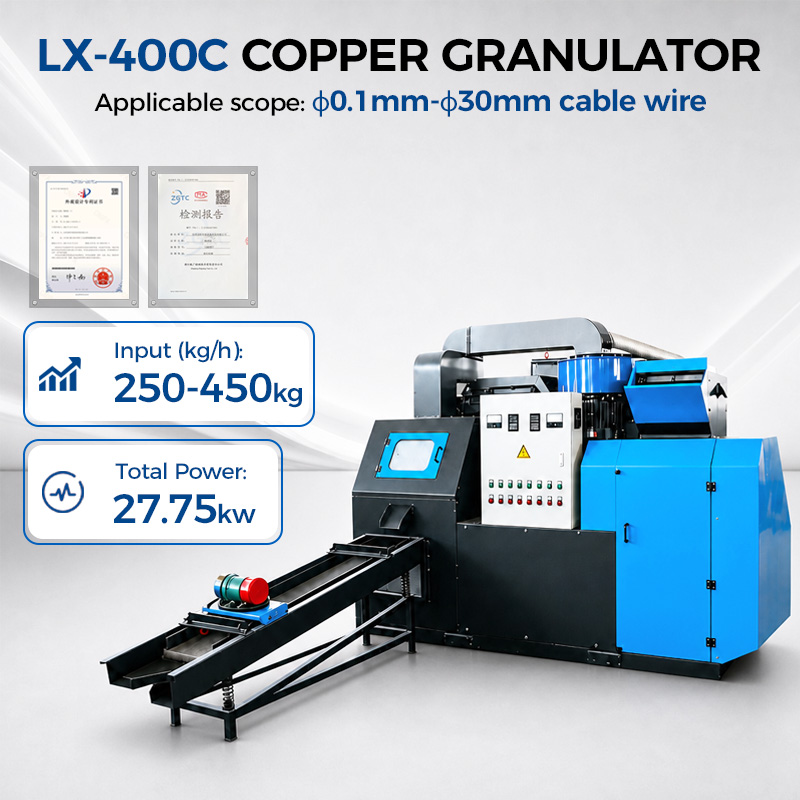
Choosing a Single Phase Copper Granulator

application/single-phase-copper-granulator, application/single-phase-copper-granulator, 
Inquiry
Inquiry

single phase copper granulator

A single phase copper granulator is a vital piece of recycling equipment designed to efficiently process copper cables and other metal waste. For B2B buyers, such as purchasing managers and engineers, choosing the right granulator involves understanding its specifications, applications, and potential challenges. This article will guide you through critical factors to consider when selecting a single phase copper granulator, key specifications, cost factors, common issues and solutions, and its applications in the recycling industry.

Key Specifications of Our Single Phase Copper Granulator for Buyers

Understanding the key specifications of a single phase copper granulator can help buyers make informed decisions. Key specifications include:

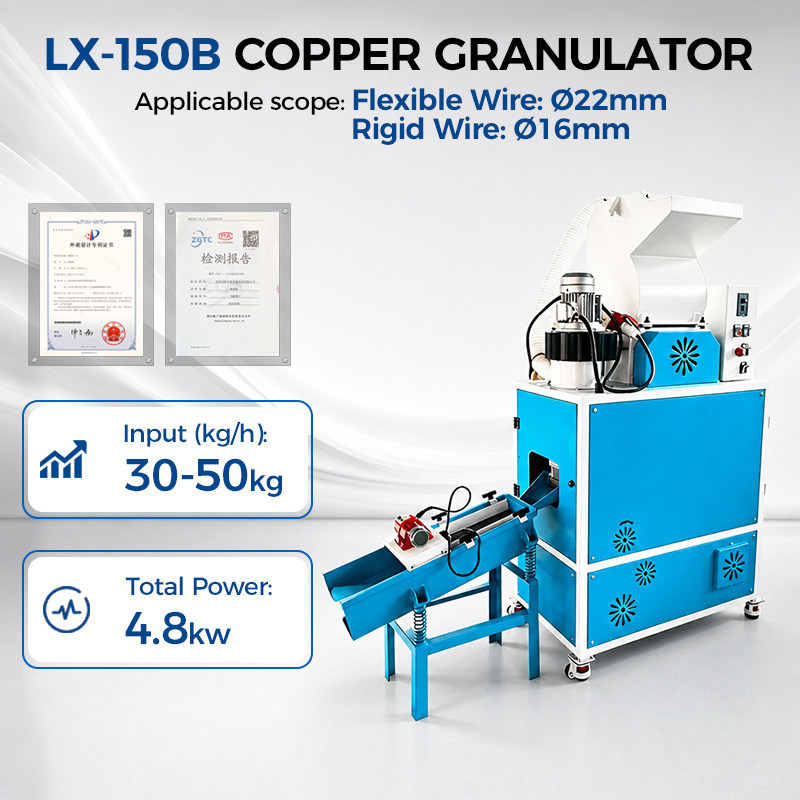
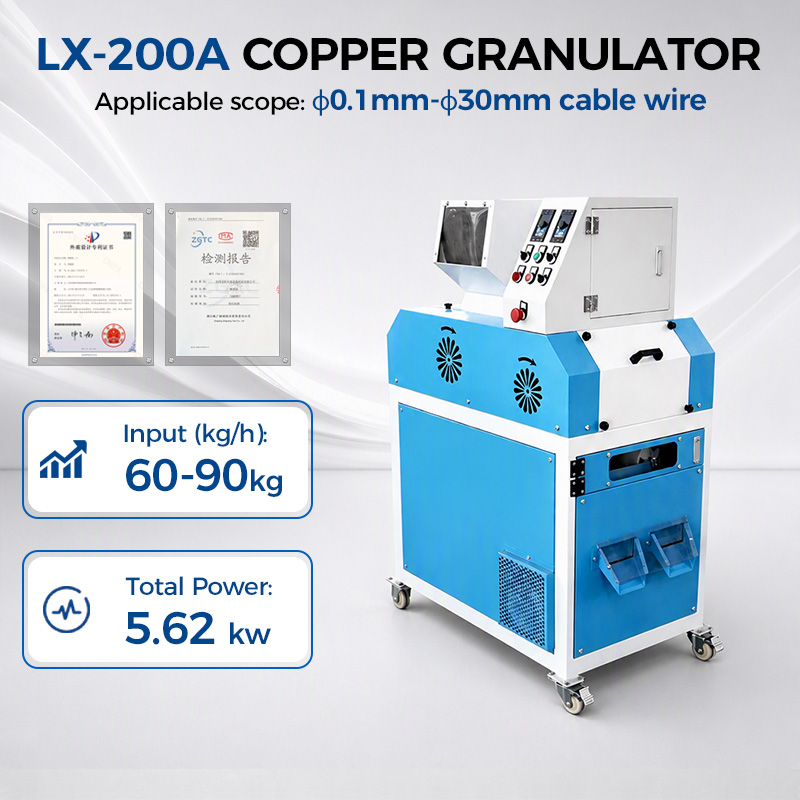
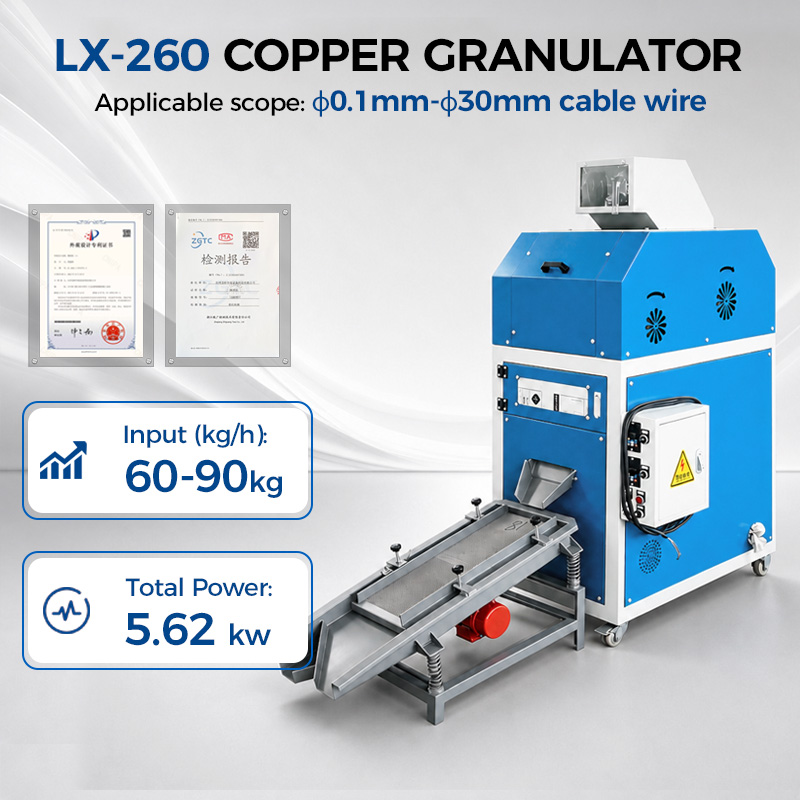
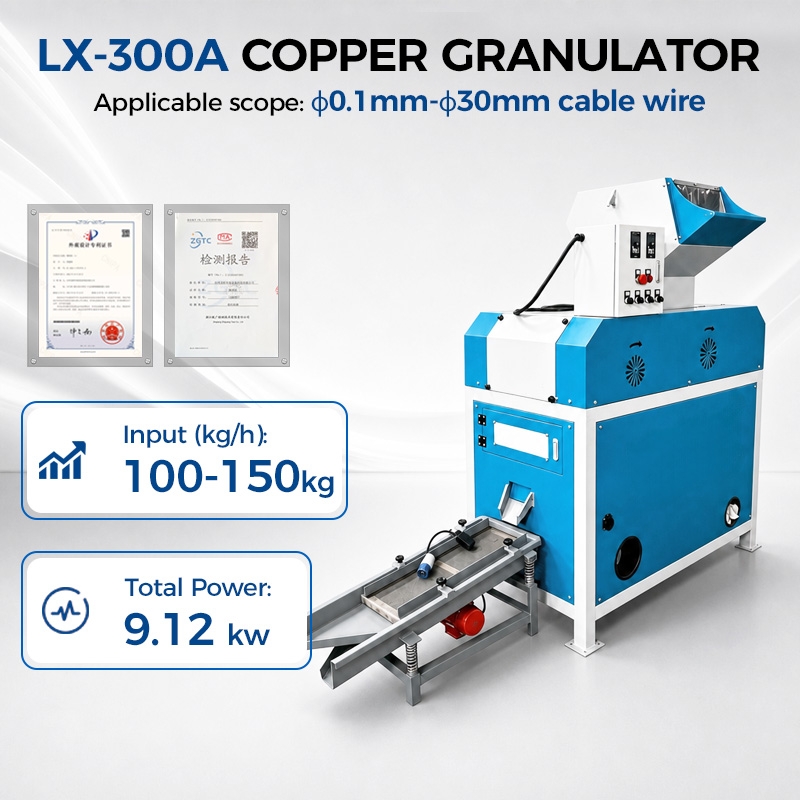
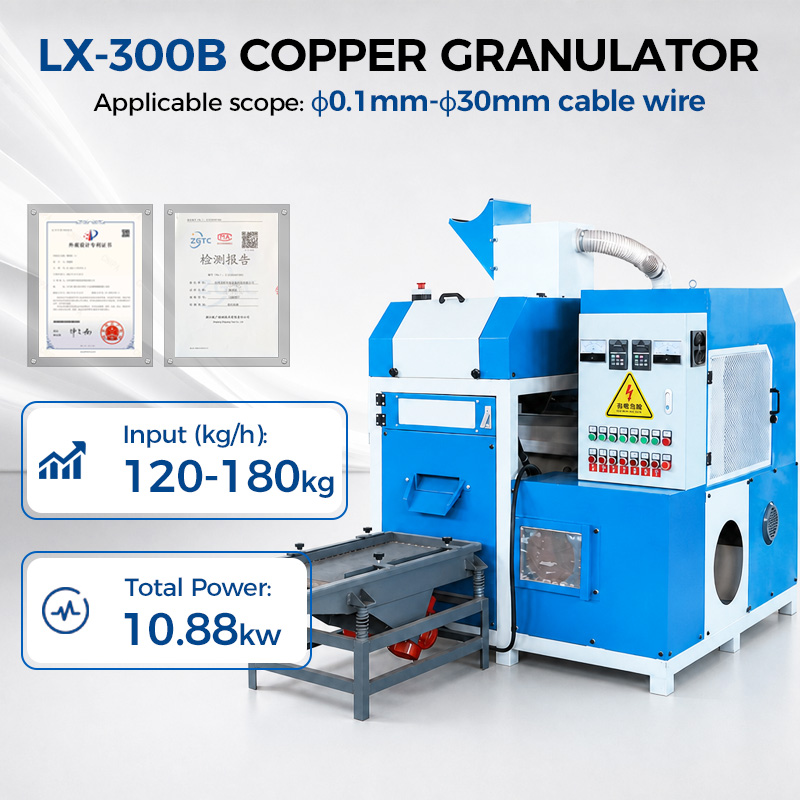
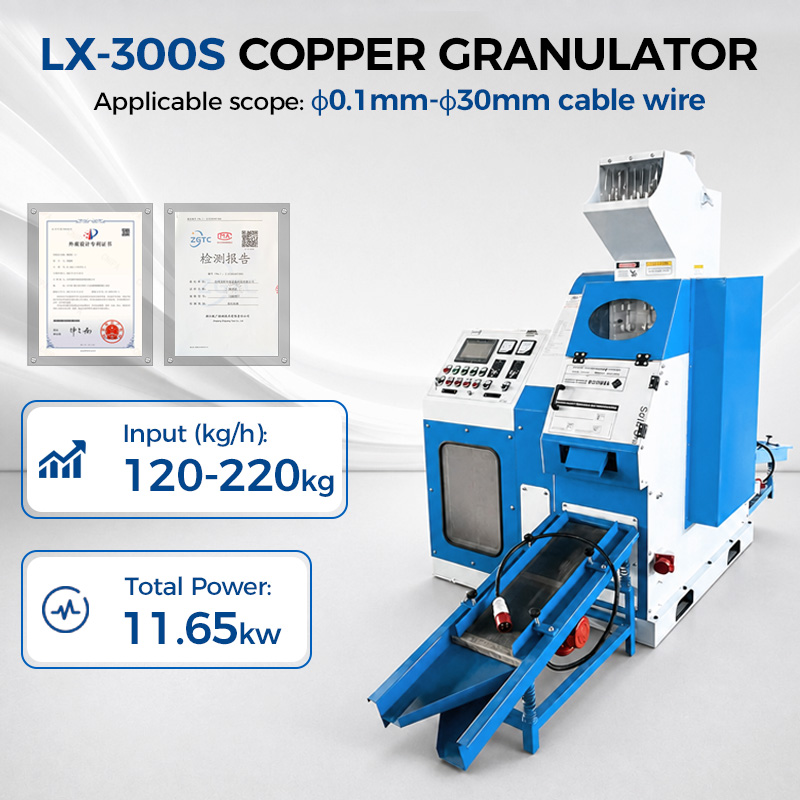
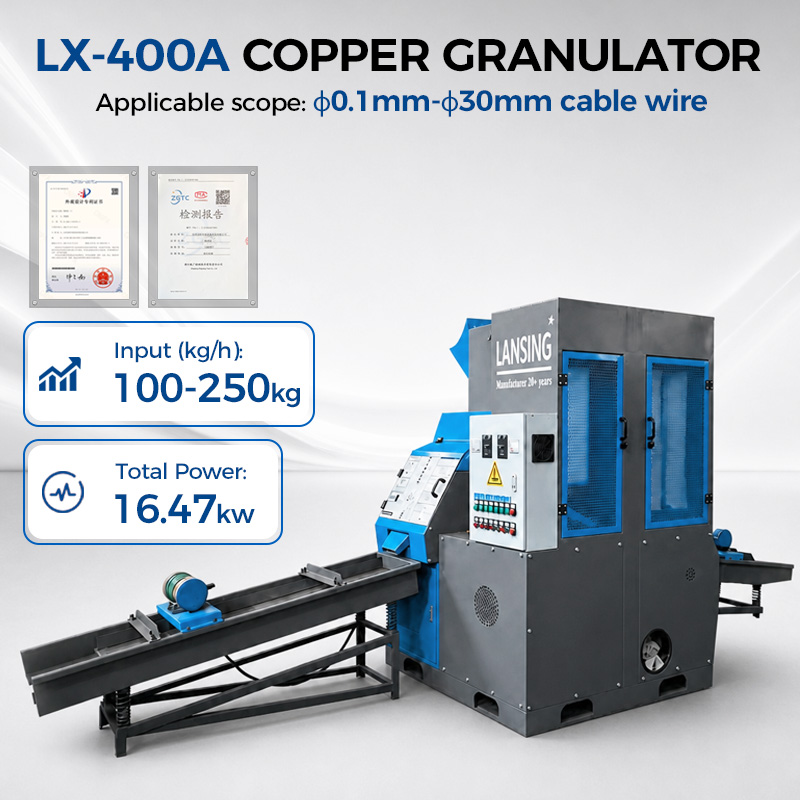
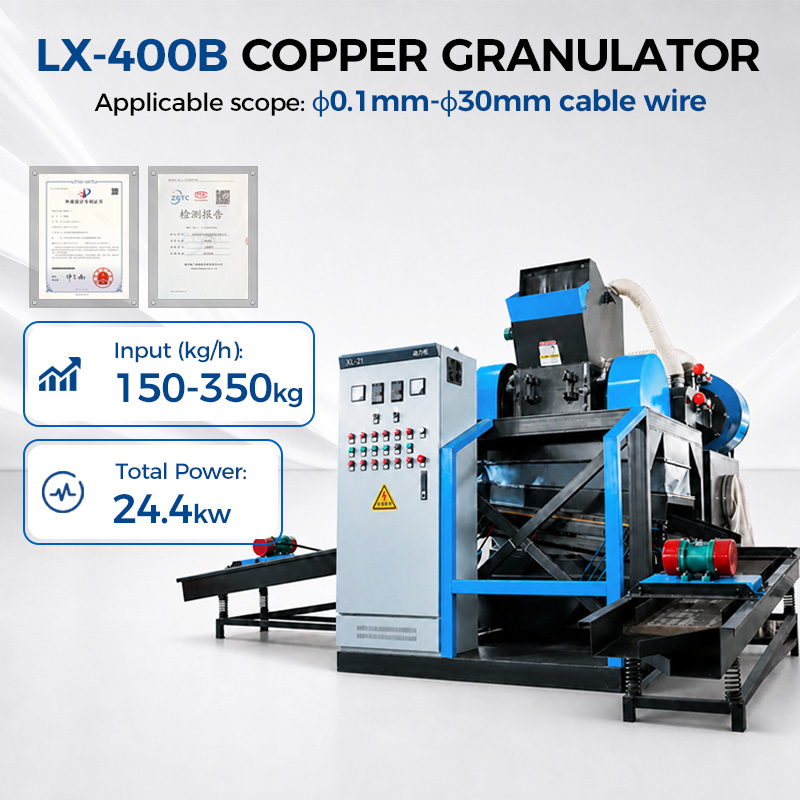
Power Rating: Typically measured in kilowatts (kW), this indicates the energy consumption and potential output capacity. A granulator with a higher power rating can process materials more quickly but may also incur higher operating costs.

Throughput Capacity: This refers to the amount of material the granulator can process per hour, often measured in kilograms. Buyers should select a model that aligns with their operational needs.

Screen Size: The granulator's screen size determines the final granule size of the processed copper. Depending on the end application, buyers may need a model with interchangeable screens for different granulation needs.

Dimensions: The footprint of the granulator is crucial for space planning. Ensure that the size fits within your facility's layout.

Weight: Heavier models may provide better stability during operation, but also consider transportation and installation aspects.

Noise Levels: Depending on your operational environment, noise levels may be a concern. Some granulators are designed to operate more quietly, which can be a significant factor in a manufacturing setting.

Cost Factors for Purchasing Single Phase Copper Granulators in Bulk

When purchasing single phase copper granulators in bulk, various cost factors come into play. The initial purchase price is the most obvious, but there are additional considerations that can influence overall costs:

Volume Discounts: Suppliers often provide discounts for bulk orders. Inquire about price breaks for larger quantities to maximize savings.

Shipping and Handling: Depending on the location of your facility, shipping costs can vary significantly. Be sure to factor in delivery expenses when budgeting for your purchase.

Installation and Setup: Consider whether additional costs will be incurred for installation and setup. Some suppliers may offer these services for an extra fee.

Maintenance and Spare Parts: Regular maintenance is essential for optimal granulator performance. Understanding the costs associated with spare parts and service can help you budget for long-term operation. For example, parts for the LS-600B 22 kW Dual-Shaft Shredder for Waste Pre-Processing can be crucial for maintaining efficiency.

Energy Consumption: The energy efficiency of the granulator will affect ongoing operational costs. Models with lower energy consumption may have a higher upfront cost but can save money in the long run.

Warranty and Support: A robust warranty and customer support can provide peace of mind. Ensure you understand the terms of the warranty and what support services are available in case of issues.

Common Problems with Single Phase Copper Granulators and Solutions

Single phase copper granulators can encounter several common issues during operation. Understanding these problems and their solutions can improve efficiency and reduce downtime:

Clogging: Materials can become jammed in the granulator, leading to decreased performance. Regular cleaning and maintenance can help avoid this issue. Implement a schedule for routine checks and cleaning to ensure smooth operation.

Inconsistent Granule Size: Variations in granule size can arise from improper screen selection. Ensure the right screen size is used based on the desired output. Consider investing in a model with interchangeable screens for flexibility.

Overheating: Excessive heat can lead to mechanical failures. Monitor the granulator's operation temperature and ensure proper ventilation in the workspace. Implementing cooling systems or fans can help maintain optimal operating conditions.

Electrical Issues: Single phase machines can face electrical problems if not properly configured. Work with a qualified electrician to verify that your power supply aligns with the granulator’s requirements.

Wear and Tear: Parts such as blades and screens can wear out over time. Regular inspections and maintenance can help identify issues early, allowing for timely replacements before they affect performance.

Applications of Single Phase Copper Granulators in the Recycling Industry

Single phase copper granulators play a crucial role in the recycling industry, particularly for companies focused on reclaiming valuable metals from waste materials. Here are some key applications:

Copper Cable Recycling: These granulators are primarily used to process scrap copper cables, effectively separating copper from insulation materials to recover pure metal for resale or reuse.

Electronics Recycling: In addition to cables, single phase granulators can process electronic waste, extracting copper and other valuable metals from circuit boards and components.

Automotive Recycling: Granulators can also be employed in recycling automotive wiring harnesses, enabling the recovery of copper and other metals from vehicles at the end of their lifecycle.

Industrial Scrap Processing: Many manufacturing facilities generate scrap metal waste that can be efficiently processed by single phase copper granulators, improving overall material recovery rates.

Small Scale Operations: Due to their energy efficiency and compact size, these granulators can be ideal for small-scale recycling operations, allowing businesses to manage waste materials effectively without requiring extensive infrastructure.

In conclusion, selecting the right single phase copper granulator involves careful consideration of specifications, cost factors, and potential operational challenges. Understanding these elements will empower B2B buyers to make informed decisions that align with their recycling goals, ensuring efficient and effective metal recovery in their operations.

What to Consider When Choosing a Single Phase Copper Granulator

When selecting a single phase copper granulator, it's essential to assess several factors that impact its efficiency and performance. First, consider the type of materials you will be processing. Granulators vary in their capability to handle different cable types, such as insulated wire, and the granulation process can differ based on material composition.

Next, evaluate the production capacity of the granulator. This will depend on your operational needs and how much scrap material you intend to process regularly. A granulator with a higher throughput can be beneficial for larger operations but may come with increased costs.

Power requirements also play a crucial role. Single phase units typically require less energy than three-phase machines, making them suitable for smaller facilities or where power supply is limited. However, ensure that the granulator's power output matches the expected production volume to avoid performance issues. For instance, the LE-500B Electrostatic Separator for Copper and Plastic Recovery is a great option for efficient processing.

Lastly, think about the level of customization needed. Depending on your specific applications, you may require additional features such as integrated dust extraction systems or different screen sizes for varying granule sizes.

Get a Free Quote

Tell us about your recycling needs, and our team will recommend the right equipment and solution for your project.
0/1000