Choosing the Right Wire Stripping Solutions

application/wire-stripping, application/wire-stripping, 
Inquiry
Inquiry

wire stripping

Wire stripping is a critical process in the recycling of waste cables and metals, and selecting the right wire stripping solution can significantly impact your operational efficiency and cost-effectiveness. For B2B buyers, particularly purchasing managers, distributors, and engineers, understanding wire stripping machines involves evaluating specifications, features, and common challenges. This article will guide you through essential considerations for selecting wire stripping solutions tailored to your business needs.

How to Evaluate Wire Stripping Machine Specifications for Wholesale Purchase

When purchasing wire stripping machines in bulk, it is crucial to evaluate several specifications that directly affect performance and suitability. Key specifications to consider include:

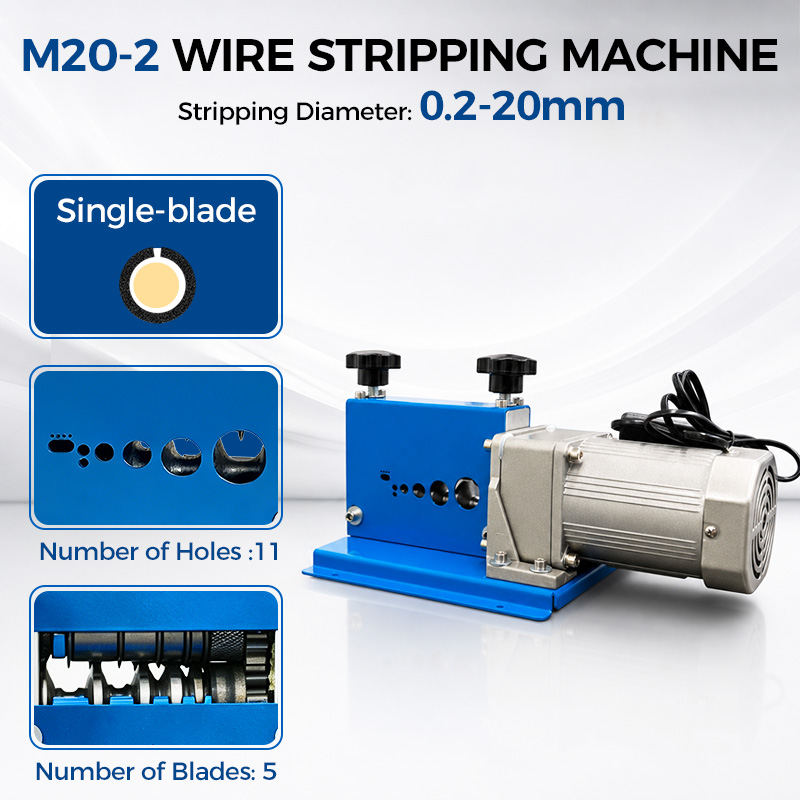
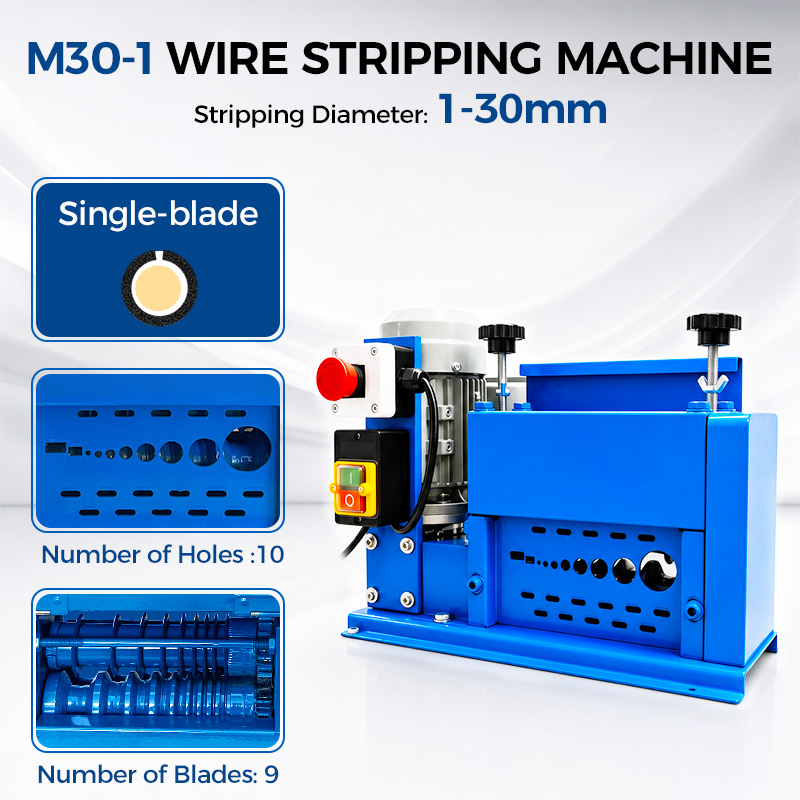
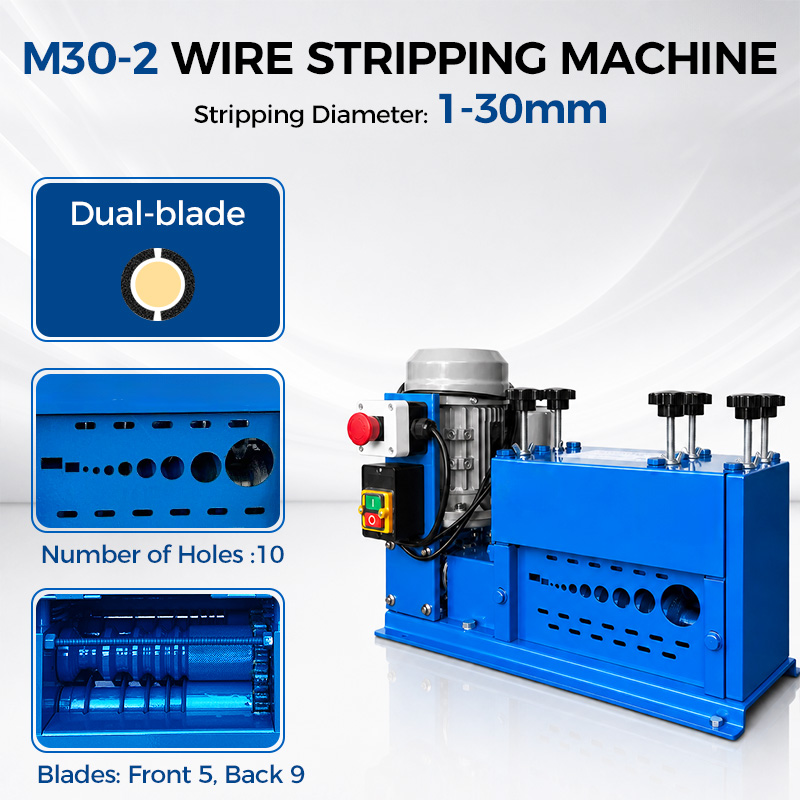
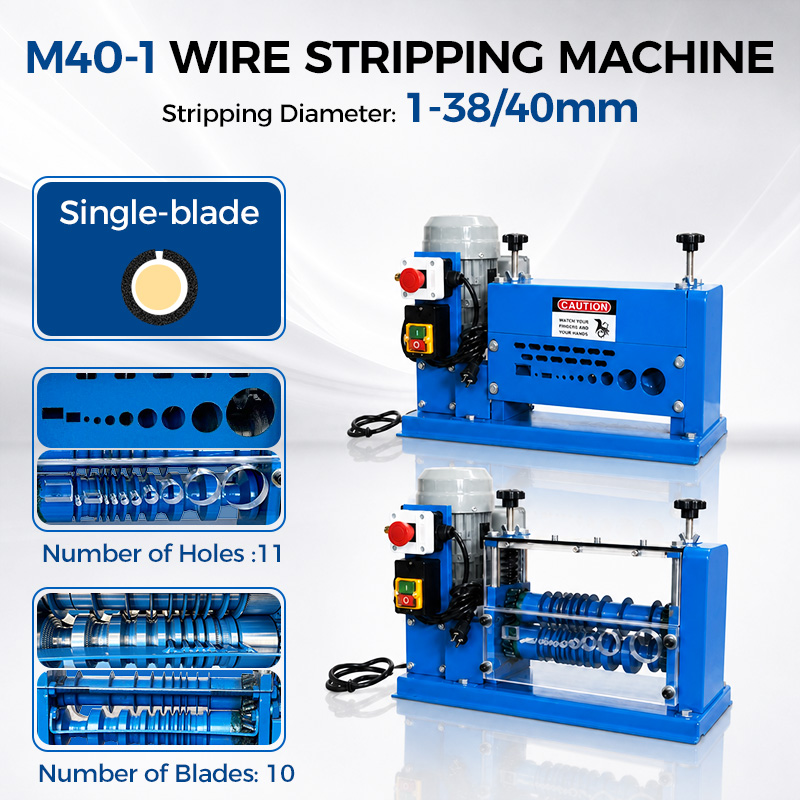
Cutting Capacity: This refers to the range of wire sizes the machine can handle, typically measured in gauge. Ensure that the machine can accommodate the sizes you plan to process regularly.

Power Requirements: Understand the energy consumption and voltage requirements of the machine. This is especially important if you are working in regions with limited power supply or specific voltage stipulations.

Production Speed: Look for machines that can deliver the necessary output without compromising quality. Speed is often measured in feet or meters per minute, and higher speeds generally lead to increased efficiency in operations.

Maintenance Needs: Some machines require more frequent maintenance than others. Evaluate the ease of access to critical components for routine maintenance, which can minimize downtime.

Safety Features: Safety is paramount in industrial operations. Ensure that the machine includes necessary safety features such as emergency stop buttons, protective covers, and user-friendly controls.

By carefully assessing these specifications, you can make an informed decision that aligns with your production needs and operational goals.

Features and Cost Considerations

The features of wire stripping machines can significantly affect their pricing. Basic models may come at a lower upfront cost but may lack essential features that enhance productivity, such as automatic feeding mechanisms or advanced blade technology. Here are some features to consider:

Automatic vs. Manual Operation: Automatic machines can reduce labor costs and improve efficiency, while manual machines typically have a lower purchase price but may require more operator input.

Versatility: Machines that can handle various wire types and sizes may provide better value in the long term, especially if your production needs change. For example, consider the LX-400A 100-250kg/h Copper Wire Granulator with Dual Screening for diverse applications.

Durability and Warranty: Investing in a machine with a robust build can prevent frequent repairs and replacements. Additionally, a comprehensive warranty can protect your investment.

When evaluating costs, consider the total cost of ownership, which includes maintenance, energy consumption, and potential downtime, not just the initial purchase price.

Common Wire Stripping Problems and Effective Solutions for Buyers

Wire stripping machines can encounter various issues, impacting productivity and efficiency. Some common problems include:

Blades Dulling: Dull blades can lead to incomplete stripping or damage to the wire. Regular maintenance and timely blade replacement are essential to keep the machine operating efficiently.

Material Jamming: Improperly sized or contaminated wires can cause jams. It's crucial to ensure proper material handling procedures are in place and to regularly check for debris in the machine’s feeding mechanism.

Electrical Issues: Problems with the power supply or machine wiring can lead to equipment failure. Ensure that the installation complies with local electrical codes and that the machine is regularly inspected for wear and tear.

Inconsistent Cuts: If the machine is not calibrated correctly, it can produce inconsistent cuts. Regular calibration checks and adherence to manufacturer guidelines can help maintain cutting precision.

By proactively addressing these common issues, buyers can enhance the longevity and reliability of their wire stripping machines.

Installation Guidance for Optimal Performance of Wire Stripping Machines

Proper installation is critical for achieving optimal performance from wire stripping machines. Here are essential installation considerations:

Site Preparation: Ensure that the installation site is clean, dry, and free from obstructions. The area should allow for easy access for maintenance and operation.

Power Supply: Confirm that the electrical supply meets the machine's specifications and that appropriate safety measures are in place, including circuit breakers and emergency shutoff switches.

Calibration: After installation, proper calibration is necessary to ensure that the machine operates according to specifications. This may involve adjusting settings based on the wire types you will be processing.

Training Operators: Ensure that all operators receive adequate training on the machine’s operation, maintenance, and safety features. This can reduce accidents and enhance productivity.

By following these installation guidelines, businesses can maximize the efficiency and lifespan of their wire stripping machines, ensuring they achieve the best return on investment.

In summary, selecting and installing the right wire stripping machine requires careful consideration of your specific needs, machine specifications, features, and common operational challenges. By following the guidance outlined above, buyers can make informed decisions that enhance their recycling operations and overall productivity.

Choosing the Right Wire Stripping Solutions for Your Business Needs

When evaluating wire stripping solutions, it is vital to consider your specific business requirements. The type and volume of material you handle will influence the machine you choose. For instance, if your operations involve processing large quantities of insulated cables, a high-capacity wire stripping machine designed for quick throughput may be necessary. Conversely, smaller operations might benefit from a more compact, manual solution, such as the LS-300B Compact Dual-Shaft Shredder for Cable and Plastic Recycling.

Additionally, consider the types of materials your wire stripping machine will process. Different machines are designed for different wire types, including copper and aluminum. Depending on the insulation material, you may need a machine capable of handling various coatings without damaging the underlying metal. Customization capabilities can also be essential, as some businesses may require machines tailored to unique specifications, which reputable manufacturers like Hangzhou Lansing Machinery Co., Ltd. can provide.

Get a Free Quote

Tell us about your recycling needs, and our team will recommend the right equipment and solution for your project.
0/1000