Choosing the Right Copper Recycling Equipment

application/copper-recycling-equipment, application/copper-recycling-equipment, 
Inquiry
Inquiry

copper recycling equipment

Copper recycling equipment plays a crucial role in the efficient processing of copper materials from waste cables and metals. As businesses increasingly seek sustainable solutions, selecting the right machinery becomes essential for maximizing yield and minimizing operational costs. This article will address key concerns for purchasing managers and engineers, such as choosing the appropriate equipment, evaluating quality, understanding specifications, and considering cost factors. Additionally, we will highlight common problems associated with copper recycling equipment and their solutions, ensuring that buyers can make informed decisions.

How to Evaluate the Quality of Copper Recycling Machinery

Evaluating the quality of copper recycling machinery involves several key criteria. First, look for equipment made from high-quality materials that can withstand heavy usage and harsh operational environments. Consider certifications and compliance with industry standards, which can indicate reliability and safety.

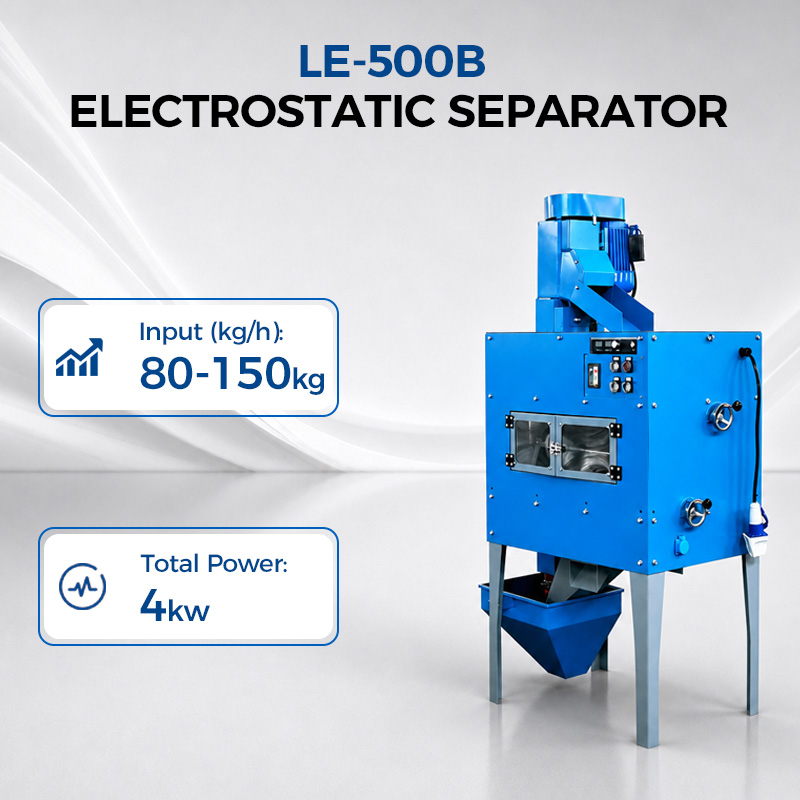
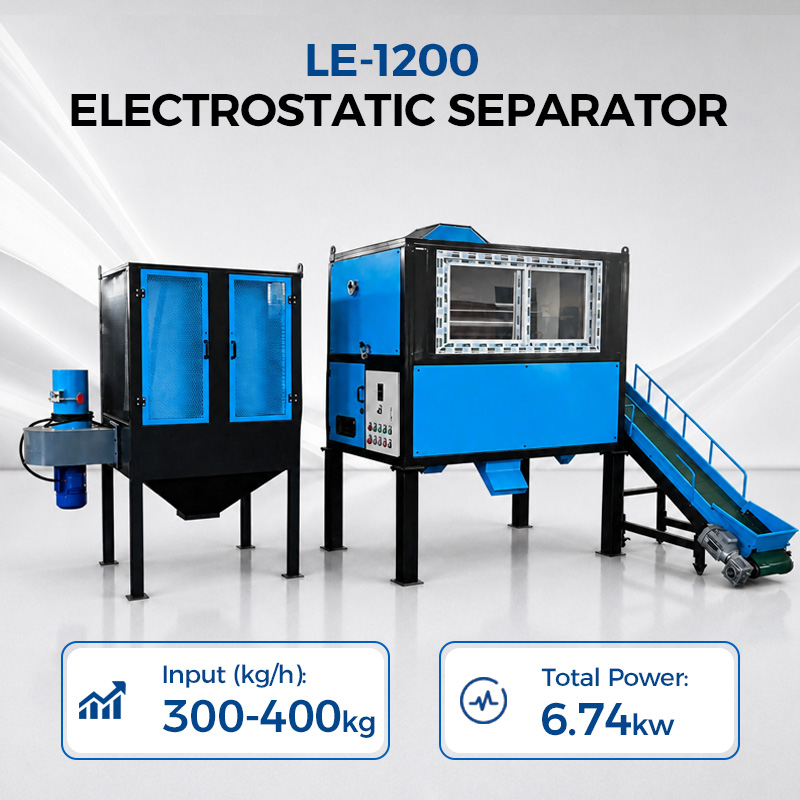
It’s also important to examine the performance specifications of the machinery. Features such as processing speed, recovery rate, and energy efficiency are essential indicators of quality. For example, a machine that offers a high recovery rate not only improves profitability but also supports sustainable practices by minimizing waste. Investing in a high-quality Electrostatic Separator can also significantly enhance the efficiency of your copper recycling operations.

One effective way to assess quality is to request case studies or references from other customers who have used the equipment. This insight can provide real-world examples of the machinery's performance and any challenges faced during operational processes. Additionally, ensure that the manufacturer provides comprehensive after-sales support, including training, maintenance, and spare parts availability, which are critical for long-term reliability.

Understanding the Specifications of Copper Recycling Machines

When examining the specifications of copper recycling machines, several key factors should be considered. First, evaluate the machine's processing capacity, typically measured in tons per hour (TPH). This metric will help you determine if the machinery can meet your production demands.

Next, consider the power requirements and energy consumption of the equipment. Machines that operate efficiently can significantly reduce operational costs over time. Look for specifications that detail the types of materials that can be processed and the sizes of input materials, which can affect both performance and compatibility with existing systems.

The technology employed in the machinery is also crucial. For example, some machines utilize advanced separation techniques, such as air classification or water separation, which can enhance the purity of the reclaimed copper. Understanding these specifications will allow you to match the machinery to your specific recycling goals and operational capabilities.

Cost Factors to Consider When Purchasing Copper Recycling Equipmen

Purchasing copper recycling equipment involves various cost factors beyond just the initial purchase price. First, consider the total cost of ownership, which includes installation, maintenance, operational costs, and potential downtime. Machines that are energy-efficient may have a higher initial cost but can lead to significant savings in utility bills.

Another important aspect is the potential for customization. Customized solutions may require additional investment but can optimize processes tailored to your specific needs, ultimately improving profitability. It is advisable to get detailed quotations that encompass all costs associated with the equipment, including shipping and installation fees.

Don’t overlook the importance of financing options or warranty terms. A robust warranty can safeguard your investment, providing peace of mind in case of equipment failure. Additionally, inquire about the expected lifespan of the machinery and associated maintenance costs to ensure you are prepared for future expenses.

Common Problems with Copper Recycling Equipment and Their Solutions

Copper recycling equipment can encounter a range of issues that may disrupt operations. One common problem is material jams, which can occur if the input materials are not properly sorted or if the equipment is overloaded. To mitigate this, ensure that incoming materials are pre-processed and free from contaminants that might obstruct the machinery.

Another frequent issue is wear and tear on critical components, such as blades and screens. Regular maintenance schedules and timely replacement of worn parts can help avoid costly downtime. It's advisable to work with experienced technicians who can provide routine checks and address potential issues before they escalate.

In addition, operators should be trained to recognize early signs of malfunction, such as unusual noises or decreased processing efficiency. Implementing a proactive maintenance program can significantly extend the lifespan of your copper recycling equipment and enhance overall productivity.

By understanding these common challenges and their solutions, businesses can better prepare for operational contingencies and maintain continuous production flow.

In summary, selecting the right copper recycling equipment involves a careful evaluation of business needs, quality assessment, understanding specifications, and considering all associated costs. By addressing these factors, purchasing managers and engineers can make informed decisions that lead to improved efficiency and profitability in their recycling operations.

Choosing the Right Copper Recycling Equipment for Your Business Needs

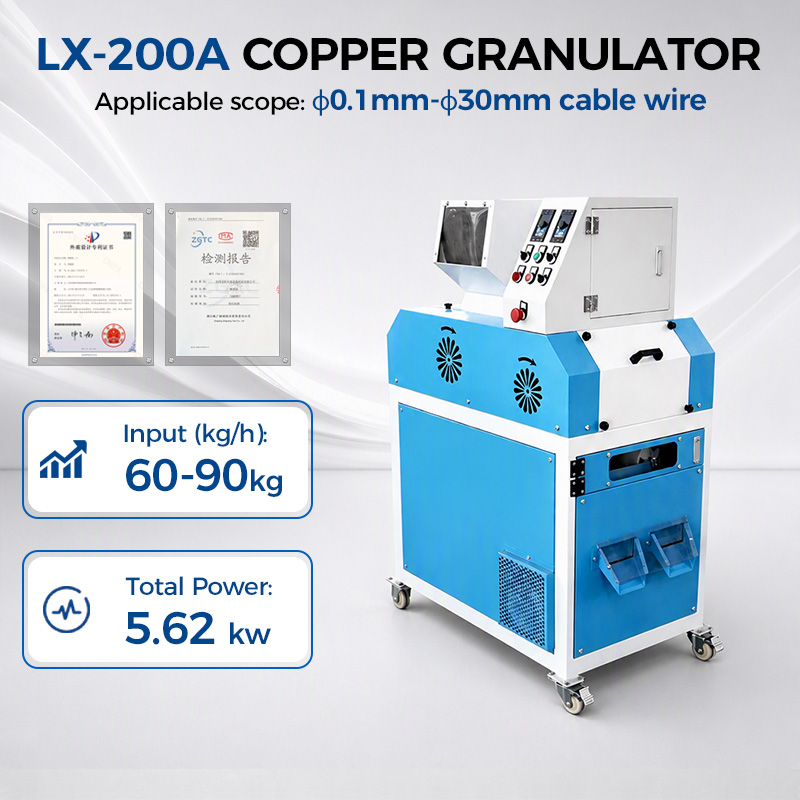
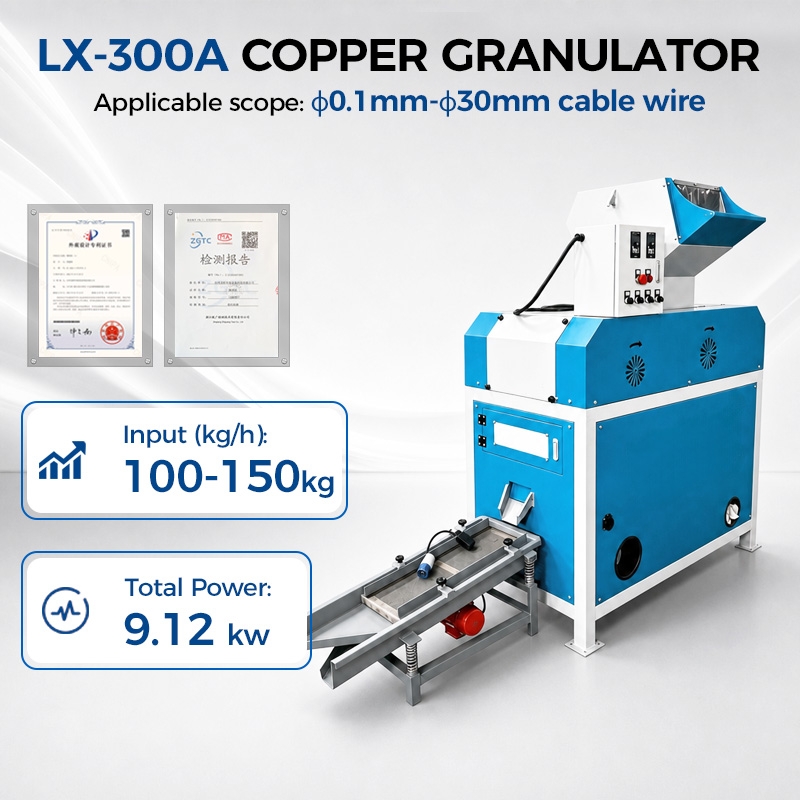
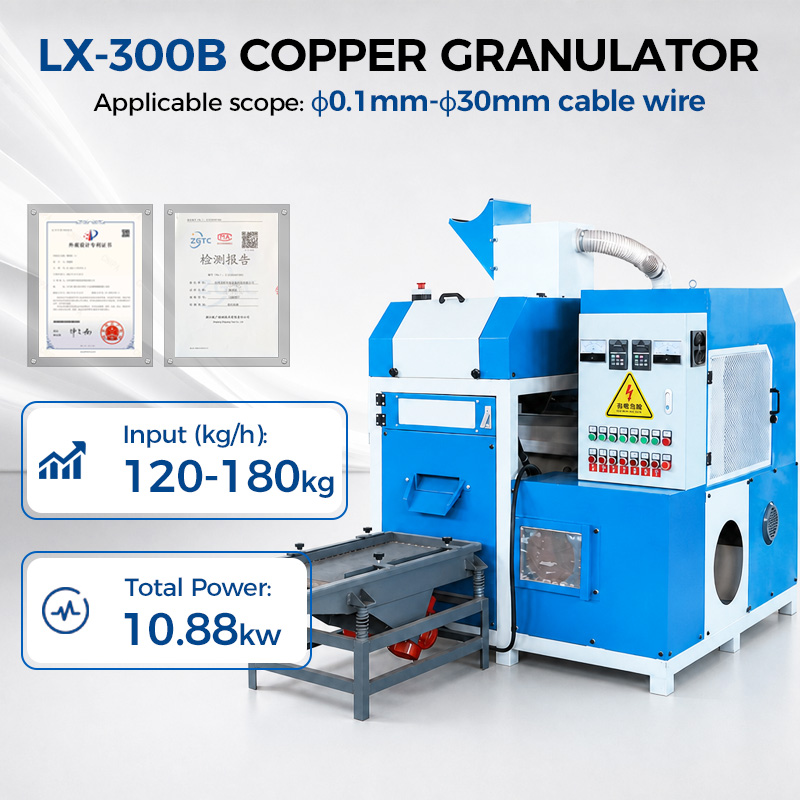
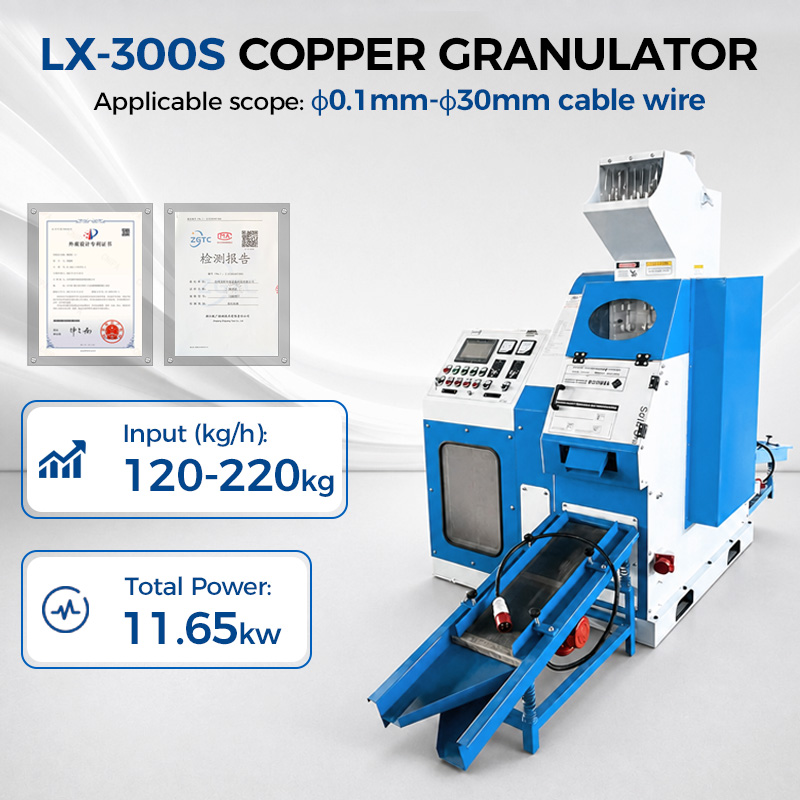
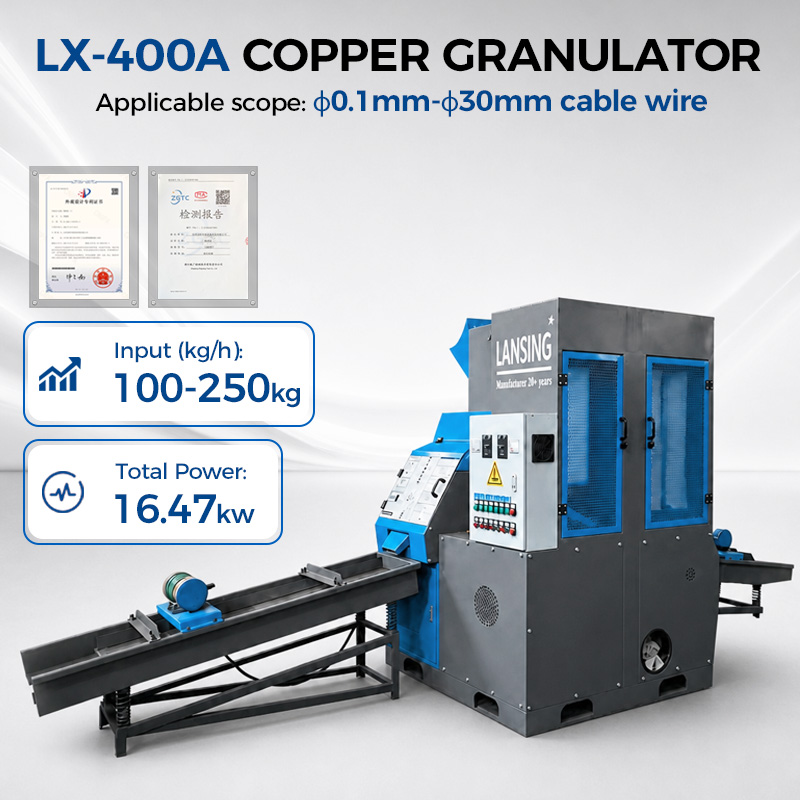
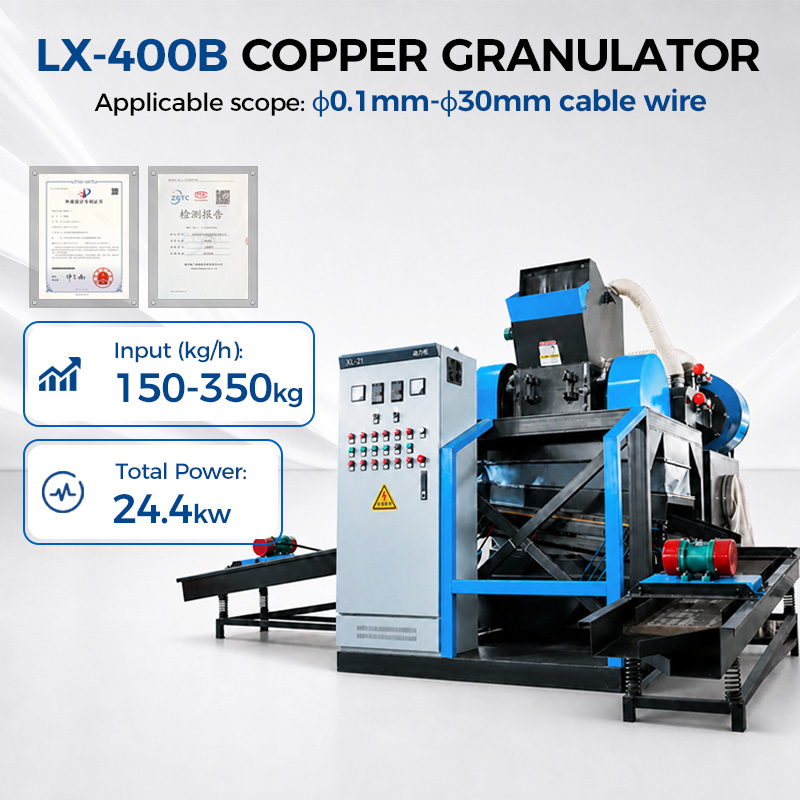
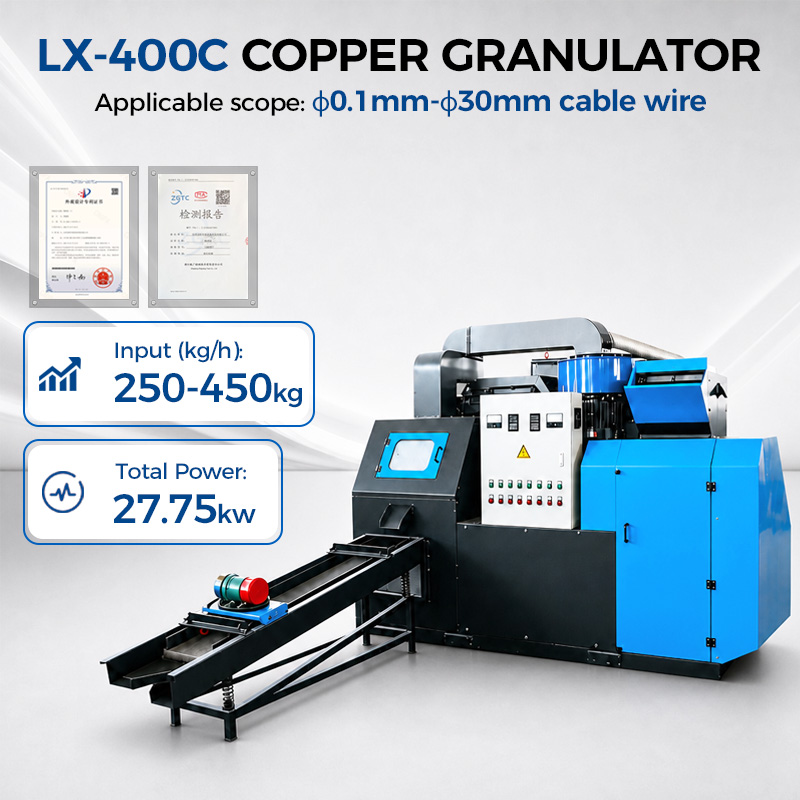
When selecting copper recycling equipment, it is vital to consider the specific needs of your business. Factors such as the type and volume of copper waste you handle will significantly influence your choice. For instance, if you process primarily insulated cables, you may require machines equipped with advanced stripping technology, such as a Wire Stripping Machine. Alternatively, if your focus is on scrap copper, a Copper Granulator might be more suitable.

Assess the processing capacity of the equipment to ensure it meets your production goals. Manufacturers, like Hangzhou Lansing Machinery Co., Ltd., offer customized solutions tailored to specific operational requirements, which can enhance efficiency and output. Additionally, consider the physical space available in your facility. Compact or modular designs may be advantageous for smaller operations, while larger facilities might benefit from high-capacity systems.

Another aspect to consider is the level of automation. Fully automated systems can reduce labor costs and improve consistency, while manual options may be more cost-effective initially but require more staff involvement. Therefore, understanding your operational workflow and potential growth is critical in choosing the right copper recycling equipment.

Get a Free Quote

Tell us about your recycling needs, and our team will recommend the right equipment and solution for your project.
0/1000