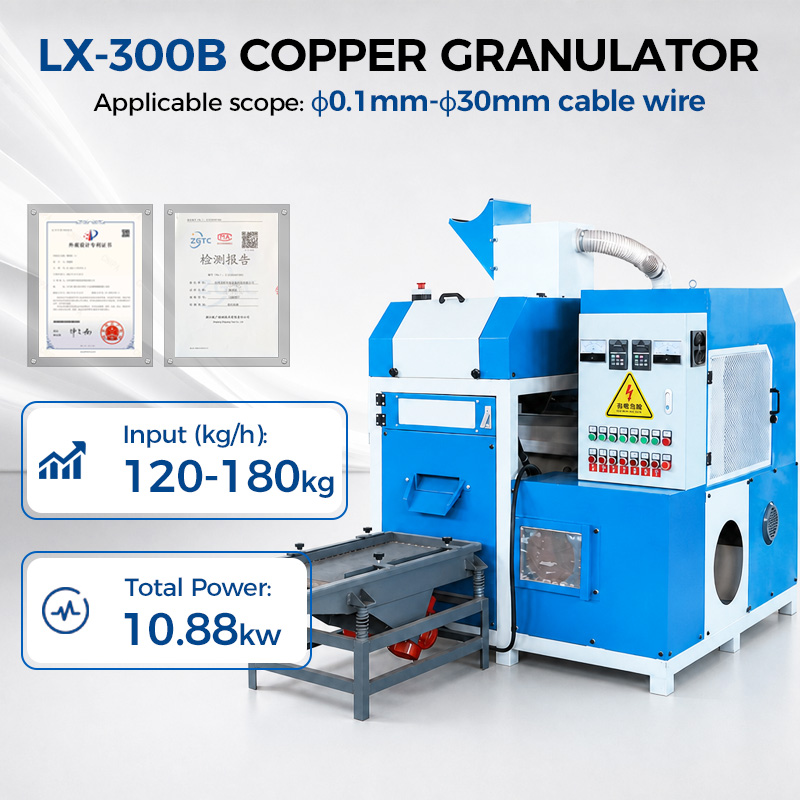
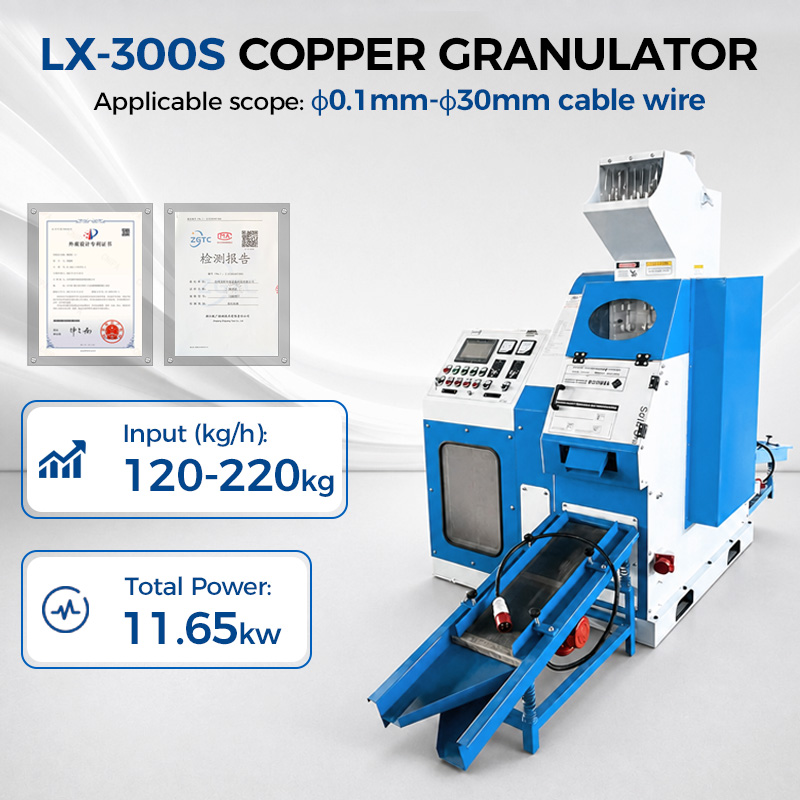
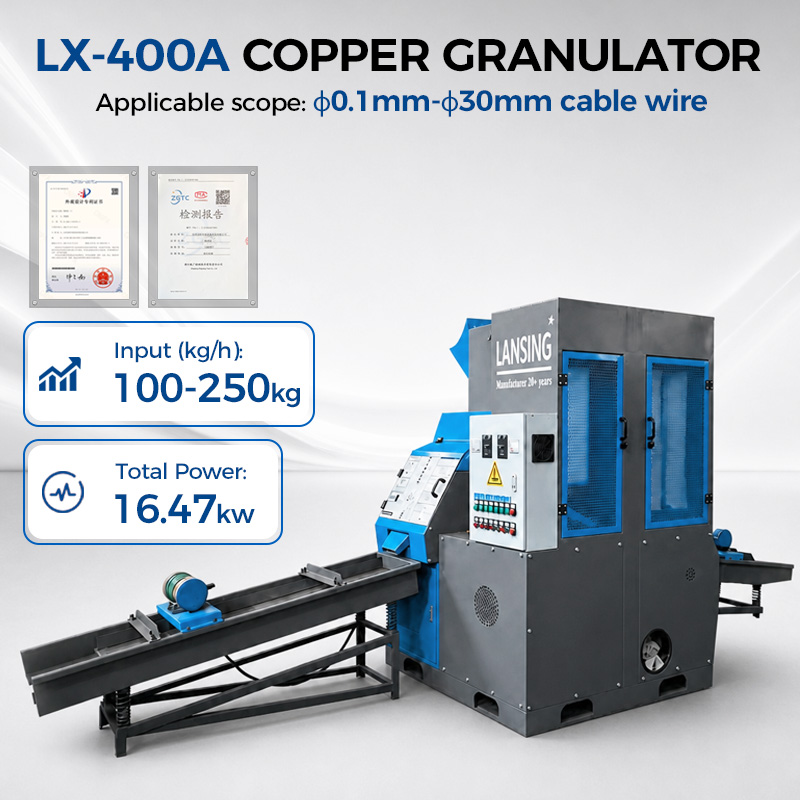
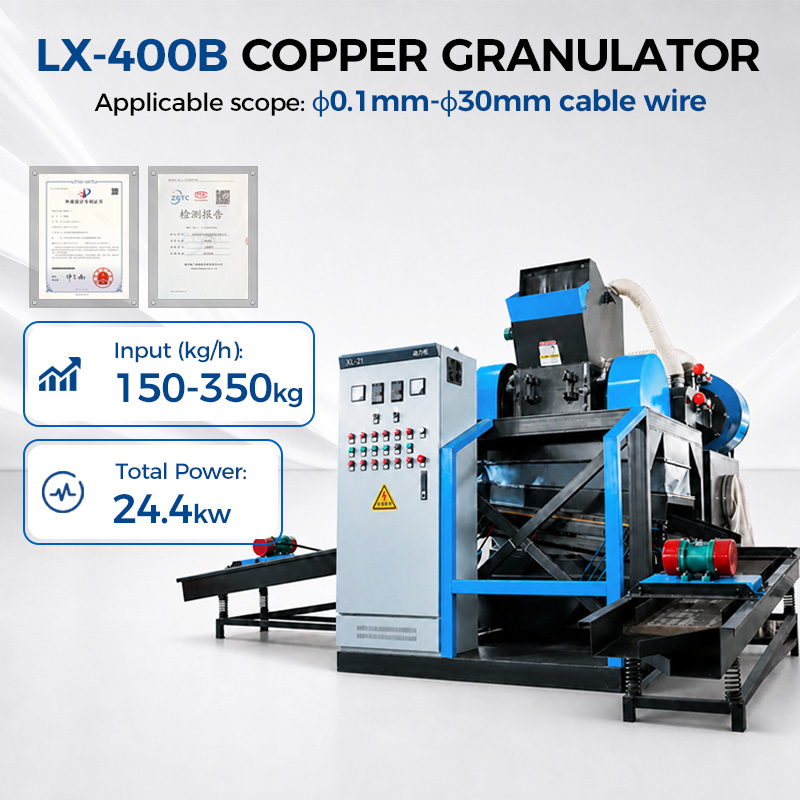
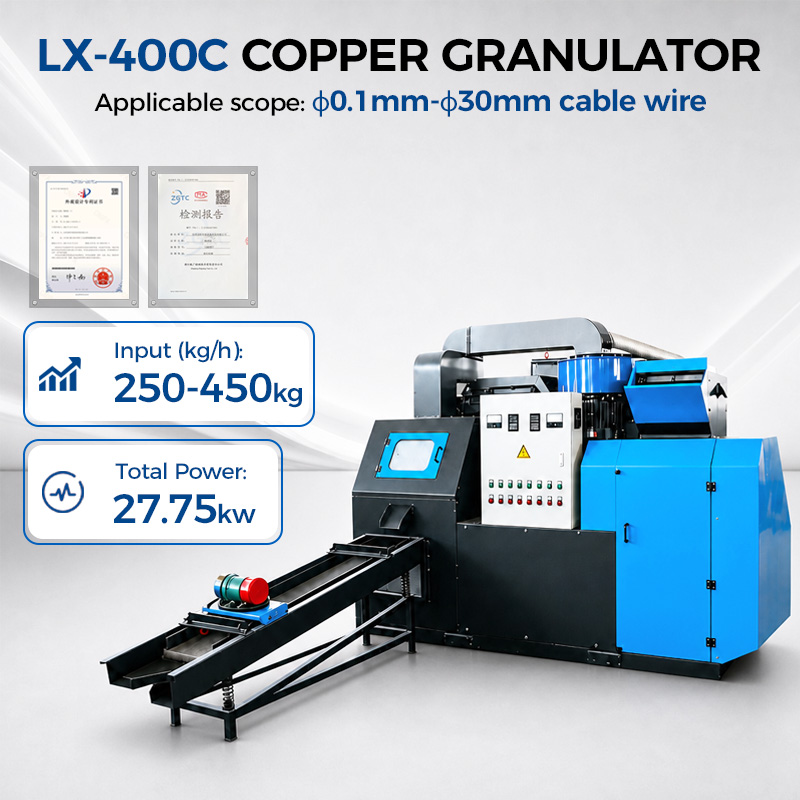
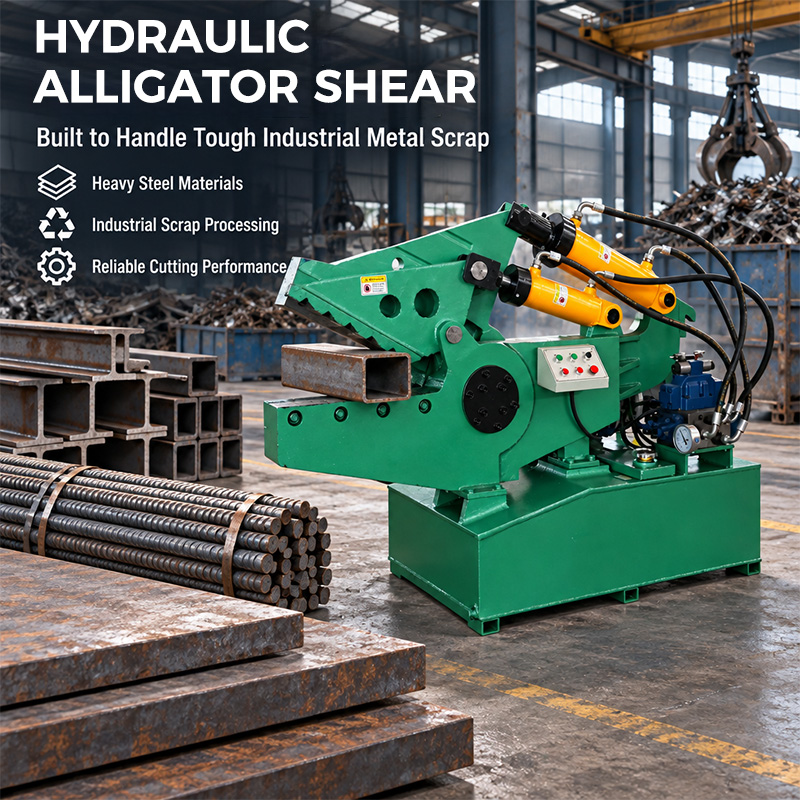
Choosing the Right Copper Scrap Recycling Machine

application/copper-scrap-recycling-machine, application/copper-scrap-recycling-machine, 
Inquiry
Inquiry

copper scrap recycling machine

Copper scrap recycling machines are essential tools for businesses involved in the recycling of copper materials, particularly waste cables and metals. These machines process scrap copper into reusable materials, addressing both environmental concerns and the economic benefits of recycling. For B2B buyers—such as purchasing managers, engineers, and product managers—selecting the right copper scrap recycling machine involves understanding specifications, installation requirements, and potential challenges that may arise during operation. This article will provide valuable insights to help you make an informed decision when investing in a copper scrap recycling machine.

Key Specifications to Evaluate in Copper Scrap Recycling Machines

Key Specifications to Evaluate in Copper Scrap Recycling Machines

When assessing copper scrap recycling machines, several key specifications should be evaluated to ensure optimal performance:

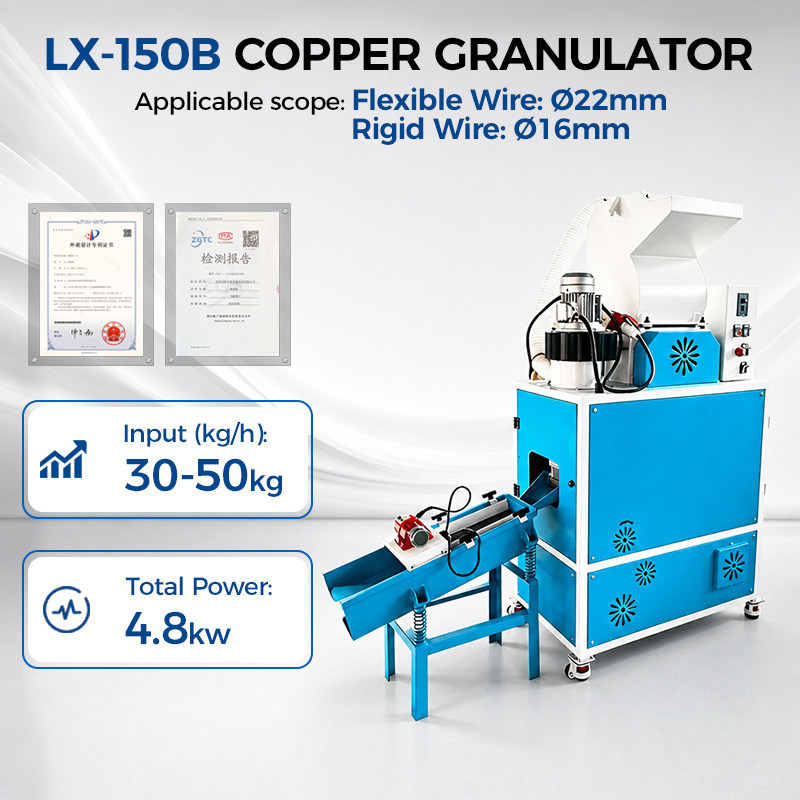
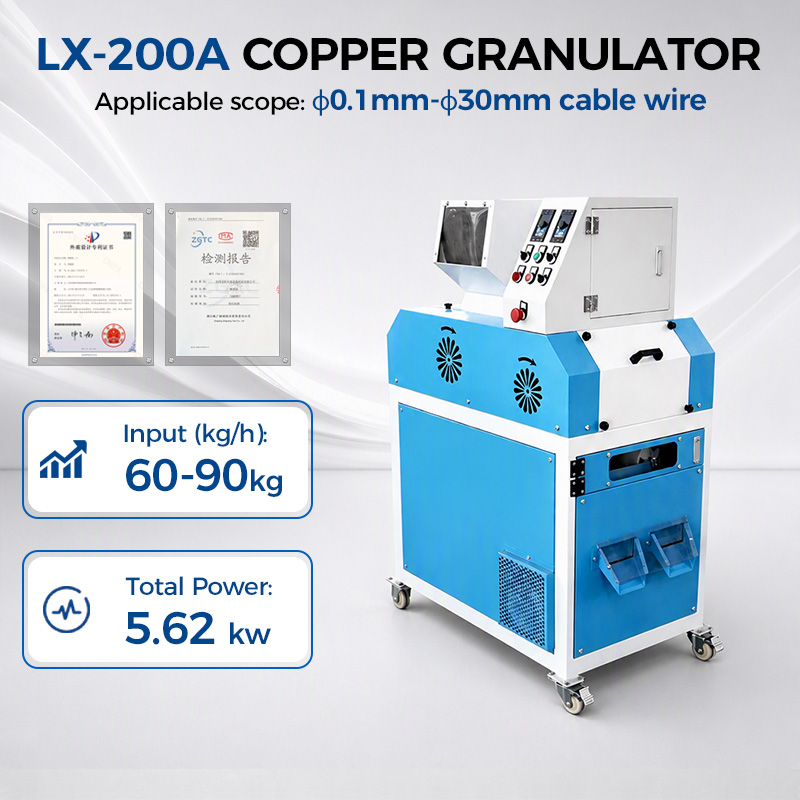
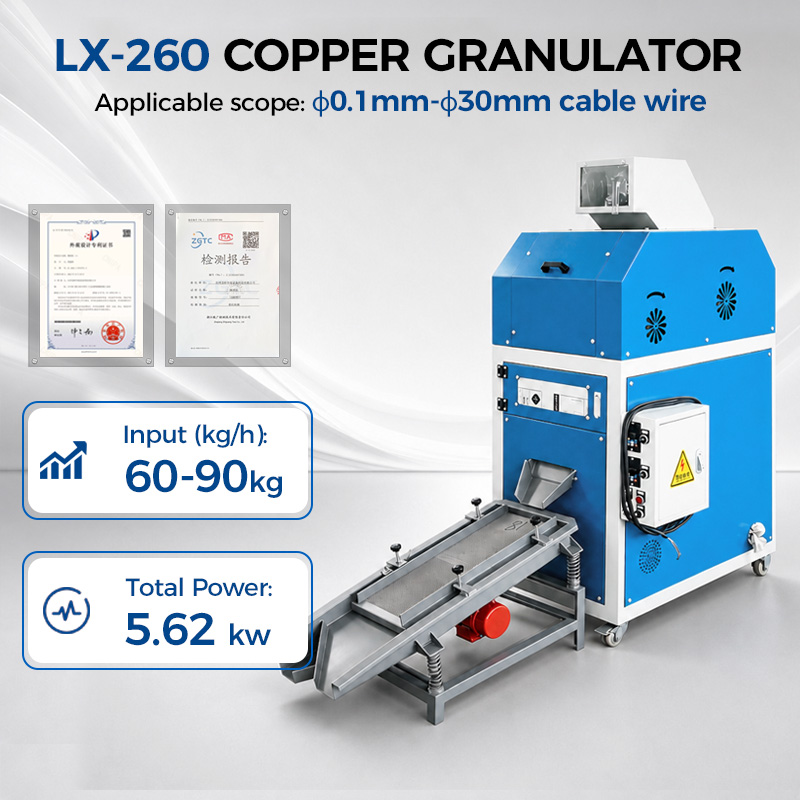
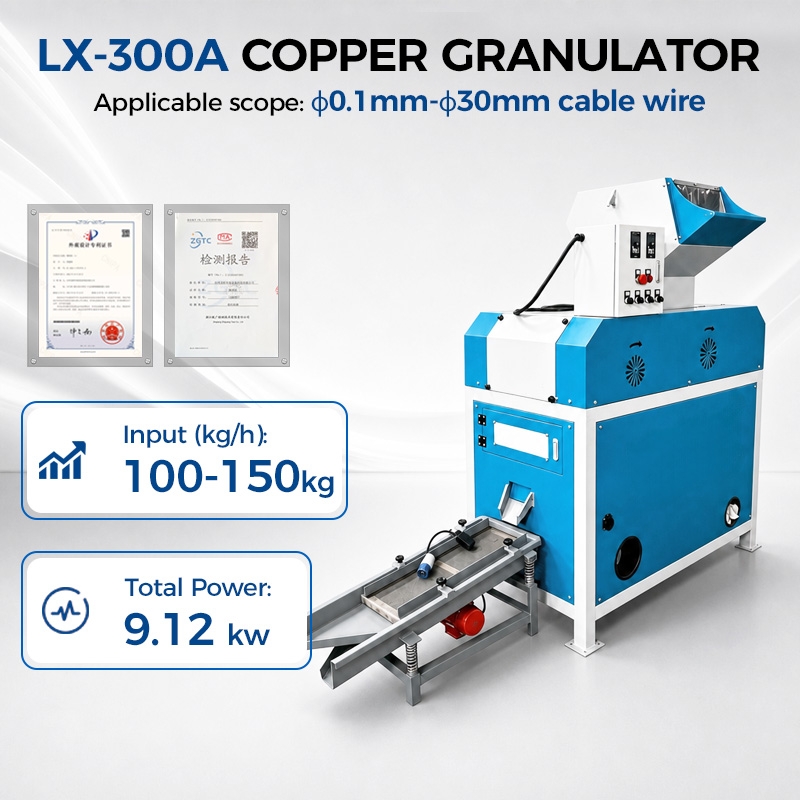
Processing Capacity: This refers to the amount of scrap copper the machine can handle within a specific timeframe. Be sure to match this with your operational needs to avoid bottlenecks.

Power Consumption: The energy efficiency of the machine is critical, as high operating costs can significantly impact your bottom line. Look for machines designed to minimize energy consumption without compromising performance.

Material Compatibility: Ensure that the machine can efficiently process the types of copper scrap you have, whether it includes insulated wires, unalloyed copper, or mixed metals. Compatibility will affect both the efficiency and quality of the recycling process.

Dimensions and Footprint: Evaluate the size of the machine to ensure it fits within your available space. Consideration of the layout of your facility can help in planning for future expansions or modifications.

Safety Features: Machines should come equipped with safety mechanisms to prevent accidents during operation. Look for features such as emergency stop buttons, protective guards, and overload protection.

Understanding these specifications will enable you to make a more informed purchasing decision and select a machine that aligns with your operational goals.

Installation Guidance for Efficient Use of Copper Scrap Recycling Machines

Proper installation of copper scrap recycling machines is crucial for ensuring their effectiveness and longevity. Here are some key considerations:

Site Preparation: Ensure that the installation site is adequately prepared, with a level surface and sufficient space for the machine’s dimensions and any necessary maintenance access. Proper electrical and plumbing setups should also be in place as per the manufacturer's specifications.

Professional Installation: It is advisable to have the machine installed by professionals who are familiar with the equipment. This ensures that all components are correctly assembled and configured, optimizing performance and minimizing the risk of future operational issues.

Training for Operating Personnel: Once installed, providing adequate training for your staff is essential. Operators should be well-versed in the machine's functions, safety protocols, and troubleshooting common issues. This training can enhance productivity and reduce the likelihood of mistakes that could lead to downtime.

Regular Maintenance: Establish a maintenance schedule based on the manufacturer's recommendations. Regular checks and servicing will prolong the machine's lifespan and maintain efficiency. Make sure that all staff are aware of maintenance routines and know how to report issues promptly.

By following these installation and operational guidelines, you can maximize the efficiency and effectiveness of your copper scrap recycling machine.

Common Problems with Copper Scrap Recycling Machines and Their Solutions

Despite their effectiveness, copper scrap recycling machines can encounter common problems that may disrupt operations. Understanding these issues and their solutions can save time and resources:

Jamming: This is often caused by the presence of non-metal materials in the scrap. To prevent jamming, implement a thorough sorting process before feeding materials into the machine. Regularly inspect and clean the feed area to remove any debris.

Poor Separation: Ineffective separation of copper from other materials can lead to lower quality output. Check the calibration of separation mechanisms and ensure that they are functioning correctly. Upgrading to machines with advanced separation technology may also be necessary for better results.

Mechanical Failures: Wear and tear on components can lead to mechanical failures. Regular maintenance checks can help identify and replace worn parts before they cause significant breakdowns. Keeping a stock of essential spare parts can also minimize downtime.

Power Issues: Fluctuations in power supply can affect machine performance. Ensure that your electrical system is stable and capable of supporting the machine's requirements. Using high-quality surge protectors can help safeguard against power spikes.

By proactively addressing these common issues, you can maintain smooth operations and enhance the longevity of your copper scrap recycling machine.

Applications of Copper Scrap Recycling Machines in the Manufacturing Sector

Copper scrap recycling machines play a vital role in various manufacturing sectors, contributing to sustainability and cost-efficiency. Their applications include:

Electrical Manufacturing: Many industries rely on recycled copper for electrical wiring and components. The use of recycled materials can significantly reduce costs and environmental impact while ensuring that manufacturers meet regulatory requirements.

Construction: In the construction sector, recycled copper is often used in plumbing and roofing materials. By recycling scrap copper, companies can supply high-quality materials that meet industry standards while minimizing waste.

Automotive Industry: The automotive sector utilizes recycled copper in components such as wiring harnesses and radiators. As demand for sustainable practices increases, manufacturers are turning to recycled copper to meet consumer expectations and regulatory pressures.

Renewable Energy: With the growth of renewable energy technologies, copper is essential in solar panels and wind turbines. Recycling copper not only supports the production of these technologies but also reduces the environmental footprint associated with mining new materials.

By investing in copper scrap recycling machines, manufacturers can not only enhance their operational efficiency but also contribute to a more sustainable future, aligning with global initiatives to reduce waste and promote recycling.

This article aims to equip B2B buyers with the necessary information to confidently choose and utilize copper scrap recycling machines, ensuring they can make informed decisions that benefit their operations and align with industry standards.

How to Choose the Right Copper Scrap Recycling Machine for Your Needs

Selecting the right copper scrap recycling machine requires a thorough assessment of your specific needs and operational requirements. Key factors to consider include the volume of scrap copper you intend to process, the purity level required for the final product, and the types of copper materials you will be handling.

Start by evaluating the capacity of the machine, which is typically measured in tons per hour. If your business handles a large volume of scrap, a machine with a higher processing capacity will be essential to maintain efficiency. Additionally, consider the machine's ability to separate copper from other materials, as effective separation is crucial for ensuring high-quality recycled copper. Machines such as the Electrostatic Separator can enhance efficiency in the separation process.

Customization options are also important. Depending on your operational needs, you may require specific features such as shredding capabilities, granulation, or advanced separation technologies. Discussing these requirements with manufacturers, like Hangzhou Lansing Machinery Co., Ltd., can help you identify a machine that meets your expectations while also fitting within your budget.

Frequently Asked Questions

What is the copper scrap recycling machine used for?

It recovers copper from waste cables and metal scrap, separating copper, insulation, and other materials for high-purity copper output and reduced landfill waste.
We offer multiple capacities from small lab units to high-throughput industrial lines; capacity is customizable based on your feedstock and output needs.
Yes. The system is designed to process mixed cables and metal scrap with adjustable settings and pre-separation modules for efficient sorting.
Yes. We offer one-stop support including design, installation, training, spare parts, and ongoing technical service worldwide.
Yes. Our integrated R&D and manufacturing enable tailored solutions for feedstock type, capacity, automation level, and site constraints.

Get a Free Quote

Tell us about your recycling needs, and our team will recommend the right equipment and solution for your project.
0/1000