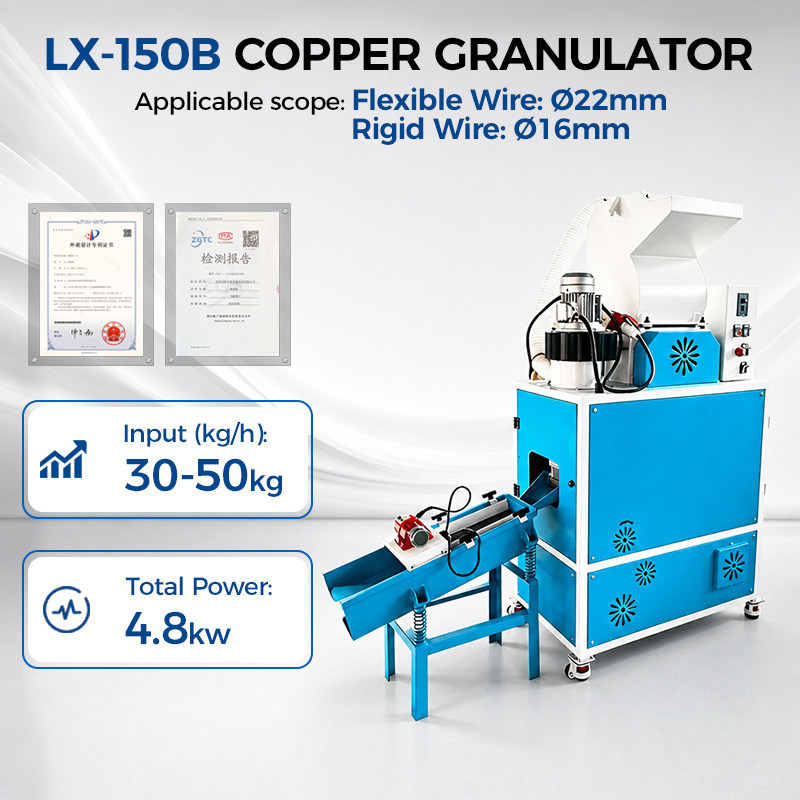
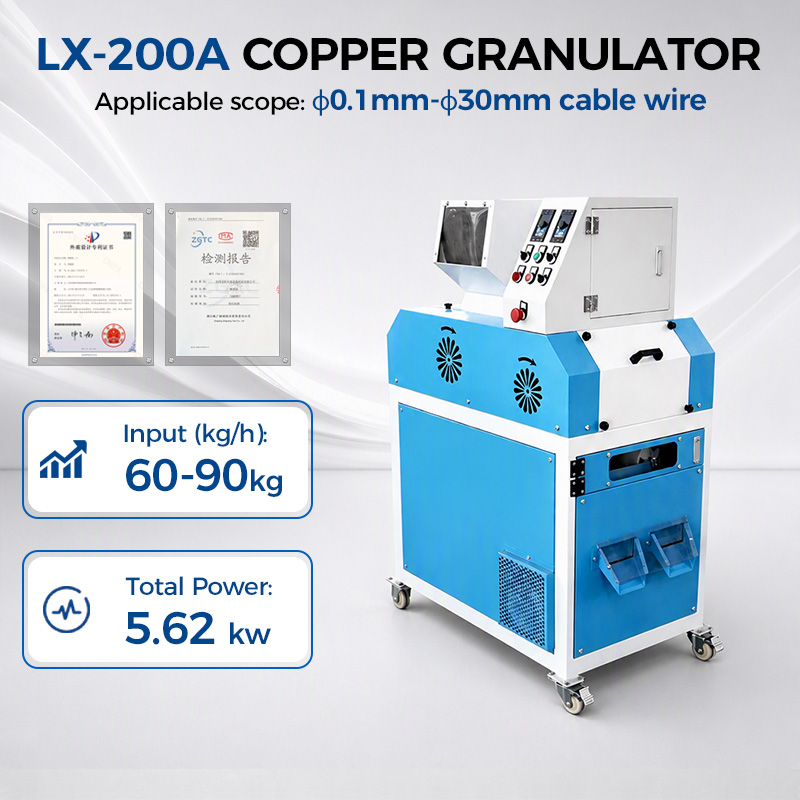
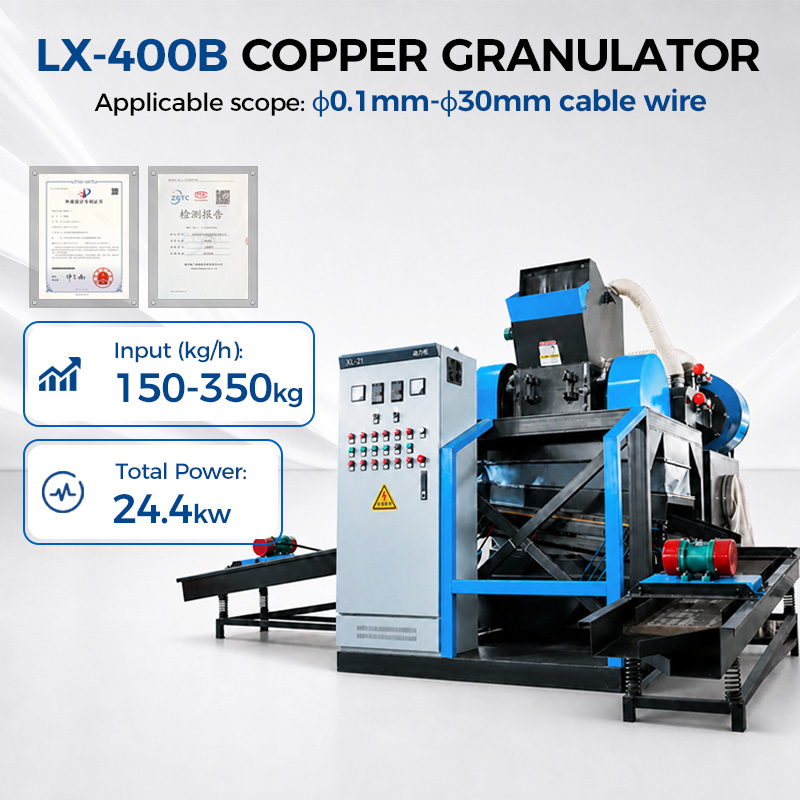
Key Specifications for Copper Recycling Machines

application/copper-recycling-machine, application/copper-recycling-machine, 
Inquiry
Inquiry

copper recycling machine

Copper recycling machines are essential for efficient processing of copper materials, enabling businesses to recover valuable metals from waste cables and other scrap. As a B2B buyer, understanding the specifications, features, and reliable suppliers of copper recycling machines is critical for making informed purchasing decisions. This article will guide you through the key specifications to look for, trustworthy suppliers, the benefits of advanced machinery, installation considerations, and cost factors to help you navigate your copper recycling equipment purchase effectively.

Reliable Suppliers for Copper Recycling Equipment

Choosing a reliable supplier for copper recycling machines can significantly impact your operations. When evaluating potential suppliers, consider the following criteria:

Industry Experience: Suppliers with extensive experience in recycling equipment manufacturing often have a better understanding of customer needs and product development. Look for companies that have been in the industry for several years.

Customization Capabilities: Different businesses have different needs. A supplier that can customize machines based on your specific requirements, such as size, capacity, and additional features, will be more valuable.

After-Sales Support: Reliable suppliers should provide comprehensive after-sales service, including installation guidance, operator training, and ongoing maintenance support. This ensures you can maximize the machine's performance throughout its lifespan.

Positive Customer Reviews: Research feedback from other customers regarding the supplier's products and services. Testimonials can offer insight into the reliability and performance of the machines.

Certifications: Look for suppliers that hold relevant industry certifications, indicating compliance with international standards for quality and safety.

By focusing on these aspects, buyers can identify trustworthy suppliers that will support their copper recycling needs effectively. For instance, investing in a LX-400A 100-250kg/h Copper Wire Granulator with Dual Screening can ensure you get quality and support from a reputable supplier.

Features and Benefits

Investing in a copper recycling machine offers several features and benefits that can enhance your recycling operations:

Automated Processing: Many modern copper recycling machines come equipped with automation features, which can streamline operations, reduce labor costs, and improve throughput.

Advanced Separation Technology: Machines that utilize advanced separation technologies, such as air separation or eddy current systems, can achieve higher purity levels in the recovered copper, increasing its market value.

Compact Design: Some machines are designed to occupy less floor space, making them suitable for facilities with limited space. This feature can help optimize your production layout.

User-Friendly Controls: Intuitive control panels and monitoring systems make it easier for operators to manage the recycling process, leading to improved efficiency and reduced training time.

Environmental Compliance: Efficient copper recycling machines can help businesses meet environmental regulations by reducing waste and promoting sustainable practices.

These features not only enhance productivity but also contribute to long-term cost savings and compliance with environmental standards.

Installation Guidance for Your Copper Recycling Machine Purchase

Proper installation of your copper recycling machine is critical to its performance and longevity. Here are some essential considerations:

Site Preparation: Ensure that the installation site is prepared according to the machine's specifications. This includes adequate space for operation, maintenance access, and necessary utilities such as electrical and water connections.

Professional Installation: Engage qualified personnel for installation to ensure that the machine is set up correctly. Improper installation can lead to operational inefficiencies and potential safety hazards.

Testing and Calibration: After installation, conduct thorough testing and calibration of the machine. This helps verify that it operates according to specifications and facilitates any necessary adjustments.

Operator Training: Provide comprehensive training for staff on operating the machine. Understanding proper operation and maintenance procedures is vital for maximizing productivity and ensuring safety.

By adhering to these installation guidelines, buyers can ensure their copper recycling machine functions optimally from the start, much like the LS-600B 22 kW Dual-Shaft Shredder for Waste Pre-Processing which requires precise installation.

Cost Factors to Consider When Buying Copper Recycling Equipment

The cost of copper recycling machines can vary significantly based on several factors. Buyers should consider the following when budgeting for their purchase:

Machine Type and Specifications: The complexity and features of the machine will heavily influence its price. More advanced models with higher capacities and greater separation efficiencies typically come at a premium.

Customizations: Customization options can add to the cost. Buyers should weigh the benefits of tailored features against their budget constraints.

Shipping and Handling: Consider transportation costs, especially if the machine is being imported. This includes freight charges, customs duties, and any special handling requirements.

Installation Costs: Factor in expenses associated with professional installation and any necessary site modifications.

Maintenance and Operating Costs: Beyond the initial purchase price, ongoing costs such as maintenance, parts replacement, and energy consumption should be considered to assess the total cost of ownership.

Warranty and Support: Machines with longer warranties and robust after-sales support may have higher upfront costs but can save money in the long run through reduced downtime and maintenance expenses.

By understanding these cost factors, buyers can make informed decisions and better prepare for their copper recycling machine investment.

Key Specifications to Evaluate in Copper Recycling Machines

When selecting a copper recycling machine, several specifications merit careful consideration. Key factors include:

Processing Capacity: This refers to the volume of materials the machine can handle per hour. It’s crucial to match the machine's capacity with your operational needs to avoid bottlenecks in production.

Material Compatibility: Ensure the machine is designed to process the specific types of copper-rich materials you intend to recycle, such as insulated cables or electronic scrap. Different machines may have unique capabilities based on the feedstock.

Separation Efficiency: Look for machines that offer high separation rates of copper from other materials. This specification directly affects the purity of the recovered copper, which is vital for resale value.

Energy Consumption: Energy efficiency is increasingly important. Machines that consume less power while maintaining performance can significantly reduce operational costs.

Durability and Build Quality: The construction materials and design should withstand heavy use in industrial environments. Consider the machine's warranty and the manufacturer’s reputation for quality control.

Safety Features: Equipment should include safety mechanisms to protect operators and prevent accidents. Look for features such as emergency stop buttons and protective shields.

By evaluating these specifications, buyers can ensure they select a copper recycling machine that meets their specific operational needs and safety standards. For example, machines like the LE-500B Electrostatic Separator for Copper and Plastic Recovery are designed to enhance separation efficiency.

Get a Free Quote

Tell us about your recycling needs, and our team will recommend the right equipment and solution for your project.
0/1000