Essential Wire Strippers for Recycling Projects

application/wire-stripper-for-recycling, application/wire-stripper-for-recycling, 
Inquiry
Inquiry

wire stripper for recycling

In the realm of recycling, wire strippers for recycling play a crucial role in efficiently processing waste cables and metals. These specialized machines are designed to strip insulation from wires, allowing for the recovery of valuable materials. B2B buyers, such as purchasing managers and engineers, often have concerns regarding product specifications, reliability, and potential challenges during operation. This article aims to provide a comprehensive understanding of wire strippers for recycling, guiding buyers in their purchasing decisions and helping them optimize their recycling processes.

What to Look for in Wire Strippers

What to Look for in Wire Strippers

When sourcing wire strippers for recycling, buyers should focus on several key features to ensure they choose a reliable and efficient machine:

Build Quality and Materials: The construction of the wire stripper impacts its durability and operational efficiency. Look for machines made from high-quality materials that can withstand the rigors of continuous use.

Ease of Use: User-friendly controls and straightforward setup processes are essential. Machines equipped with clear instruction manuals and easy access to components for maintenance will save time and reduce operational downtime.

Safety Features: Given the nature of the machinery, safety features such as emergency stop buttons, protective covers, and safety interlocks are crucial to protect operators during use.

Maintenance Requirements: Regular maintenance is vital for keeping the machinery operational. Buyers should inquire about the ease of maintenance and availability of spare parts, as this can greatly impact long-term operational costs. For example, some suppliers offer models such as the MINI LS-400 Dual-Shaft Cable and Scrap Shredder that come with extensive support for maintenance.

Customization Options: Depending on specific recycling needs, buyers should consider whether the manufacturer offers customization options, such as specialized blades or additional features tailored to particular wire types.

By prioritizing these features, buyers can ensure they select a wire stripper that meets their operational needs and minimizes future challenges.

Where to Source Reliable Wire Strippers for Recycling Projects

Where to Source Reliable Wire Strippers for Recycling Projects

Finding a reliable supplier for wire strippers for recycling is essential for ensuring product quality and ongoing support. Here are some strategies for sourcing:

Industry Trade Shows: Attending trade shows focused on recycling and machinery offers the opportunity to see wire strippers in action and engage directly with manufacturers. This can also provide insights into the latest technology and innovations in the field.

Online Marketplaces and Directories: Reputable online platforms can connect buyers with various manufacturers and suppliers. Reading customer reviews and ratings can help gauge the reliability of suppliers.

Manufacturer Websites: Companies like Hangzhou Lansing Machinery Co., Ltd. provide detailed information about their wire strippers, including specifications, customization options, and support services. Directly contacting manufacturers can also facilitate discussions about specific project requirements.

Networking with Industry Peers: Building relationships with other professionals in the recycling sector can lead to recommendations for trusted suppliers. Peer insights often reveal valuable information about performance and service experiences.

By utilizing these sourcing strategies, buyers can find reputable suppliers that meet their specific needs for wire strippers.

Common Problems with Wire Strippers and Effective Solutions

Common Problems with Wire Strippers and Effective Solutions

Wire strippers can encounter several common problems that may hinder their performance. Understanding these issues and their solutions can enhance operational efficiency:

Jamming: One of the most frequent issues is jamming, which can occur due to improper wire size or material. To mitigate this, ensure that the wire stripper is designed for the specific types of cables being processed. Regular cleaning of the blades and feed mechanisms also helps reduce jams.

Inconsistent Stripping Quality: If a wire stripper produces inconsistent results, it may be due to dull blades or incorrect settings. Regular inspections and blade replacements, along with recalibrating the machine settings based on wire types, can improve consistency.

Overheating: Prolonged use without breaks can lead to overheating, affecting performance and longevity. Implementing a cooling period or using machines with built-in cooling features can help manage this issue.

Electrical Issues: Electrical malfunctions can disrupt operations. Regularly checking electrical connections and ensuring that the machine is used within its voltage specifications can prevent these problems.

By addressing these common problems proactively, buyers can maintain the operational efficiency of their wire strippers and minimize downtime.

Comparing Top Wire Stripper Models for Bulk Orders

When considering bulk orders of wire strippers, comparing different models based on specific criteria is essential. Here are some factors to evaluate:

Performance Metrics: Compare the stripping capacity, motor power, and speed settings across various models. This will help identify which machines can handle the specific types of wires most efficiently.

Cost vs. Features: Assess the cost of each model in relation to the features offered. Sometimes, a higher initial investment may lead to greater savings in operational efficiency and reduced maintenance costs over time.

Warranty and Support: Evaluate the warranty period and customer support services provided by the manufacturer. A comprehensive warranty can offer peace of mind and protect against unexpected repair costs.

User Reviews: Gather feedback from existing users to understand their experiences with specific models. This can provide insights into performance, reliability, and potential issues that may not be evident from product specifications alone.

Customization Options: Determine if the models allow for customization based on specific recycling processes or wire types. Customization can enhance operational efficiency and adaptability in diverse recycling applications. For instance, some manufacturers provide options like the LX-400A 100-250kg/h Copper Wire Granulator with Dual Screening that cater to specific needs.

By conducting thorough comparisons, buyers can make informed decisions when ordering wire strippers in bulk, ensuring they select machines that best fit their operational needs.

By understanding the specifications, sourcing reliable machines, and being aware of common issues and solutions, buyers can optimize their recycling processes with wire strippers tailored to their requirements.

Understanding the Specifications of Wire Strippers for Recycling

When evaluating wire strippers for recycling, various specifications must be considered to ensure optimal performance. Key specifications include the stripping capacity, motor power, and speed settings.

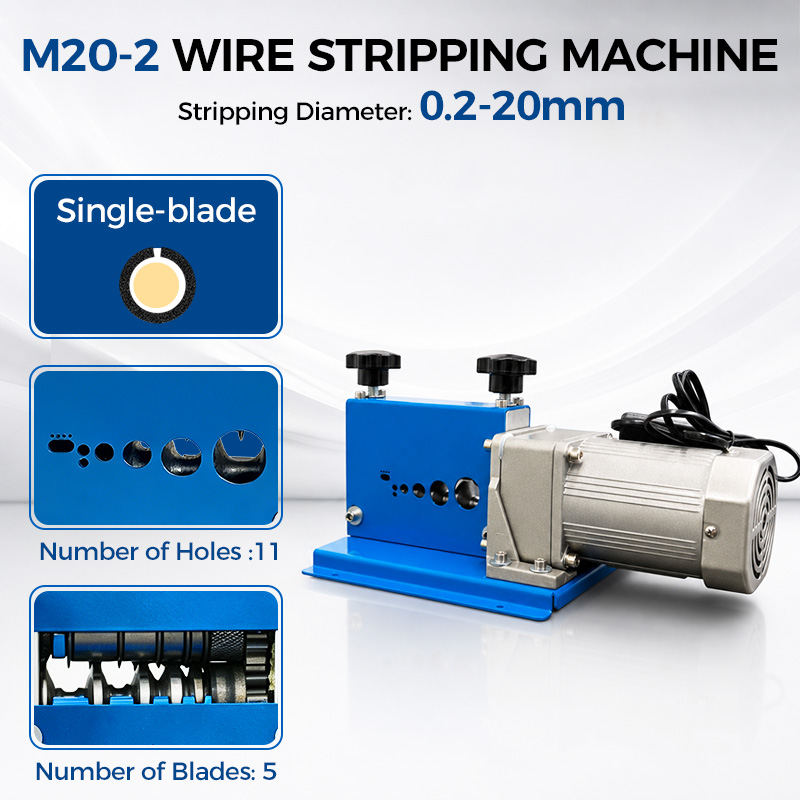
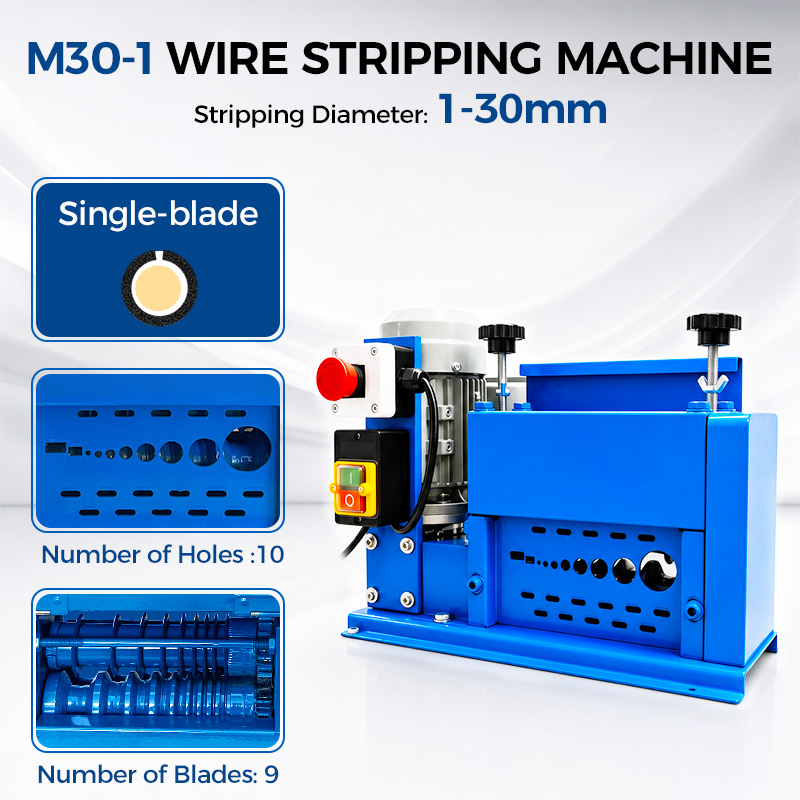
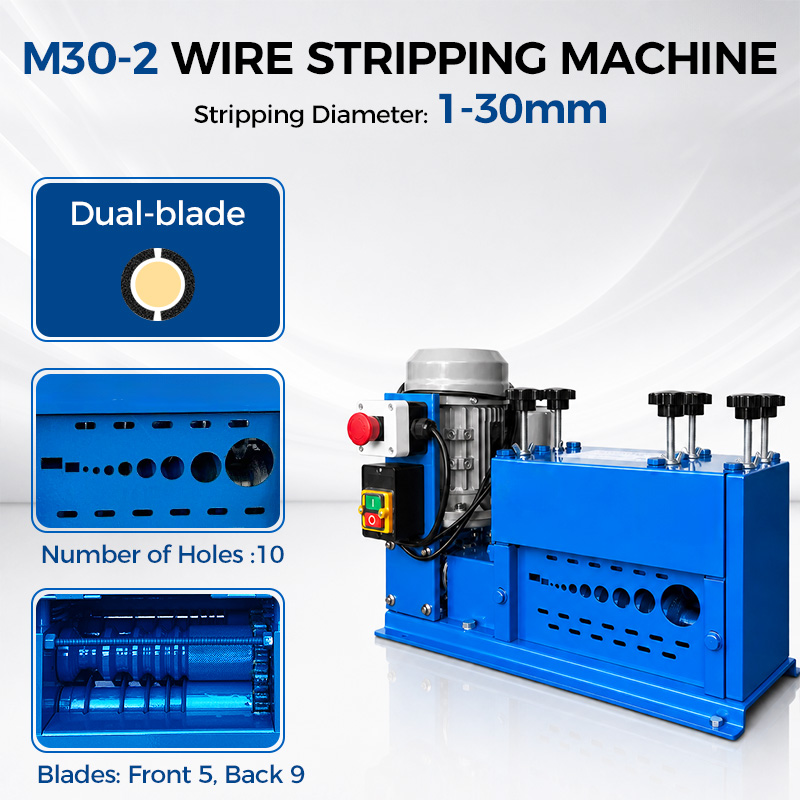
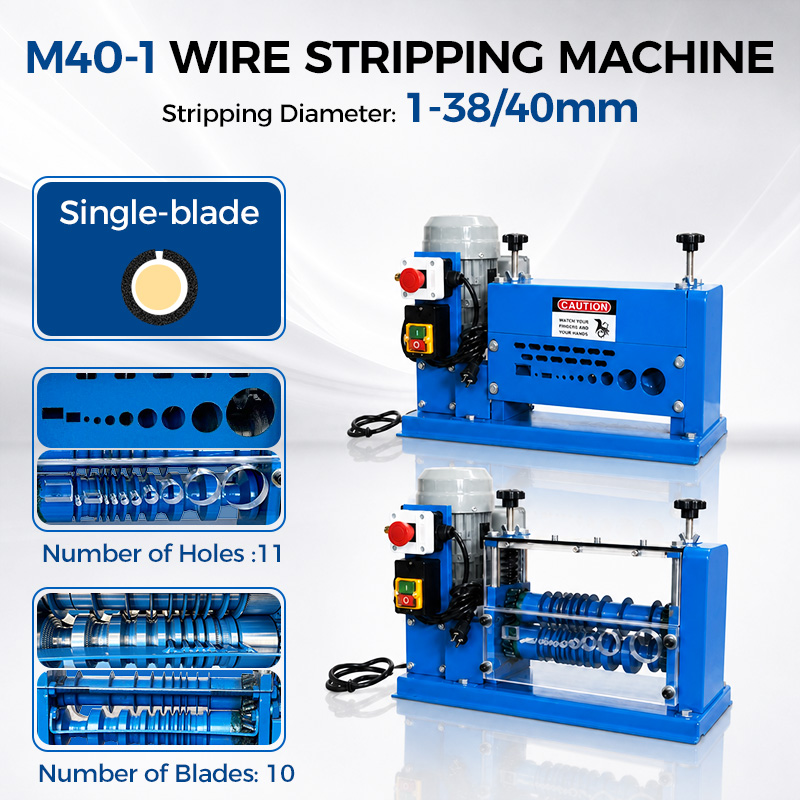
Stripping Capacity: This refers to the thickness of wire insulation that the stripper can effectively remove. A higher stripping capacity allows for the processing of a wider range of wire sizes, which is critical in a recycling setup where different cable types are processed.

Motor Power: The motor's strength is crucial for maintaining consistent performance, especially when handling tougher insulation materials. A powerful motor reduces the likelihood of jams and enhances the machine's longevity.

Speed Settings: Adjustable speed settings enable operators to customize the stripping process based on the type of wire being processed. Slower speeds may be beneficial for delicate wires, while higher speeds can enhance efficiency for bulkier cables. Additionally, some models, like the LE-500B Electrostatic Separator for Copper and Plastic Recovery, offer advanced features that can further optimize these processes.

By understanding these specifications, buyers can select a wire stripper that aligns with their recycling operations and material types.

Get a Free Quote

Tell us about your recycling needs, and our team will recommend the right equipment and solution for your project.
0/1000