Reliable Stripping Machines for Wholesale Supply

application/stripping-machine-for-sale, application/stripping-machine-for-sale, 
Inquiry
Inquiry

stripping machine for sale

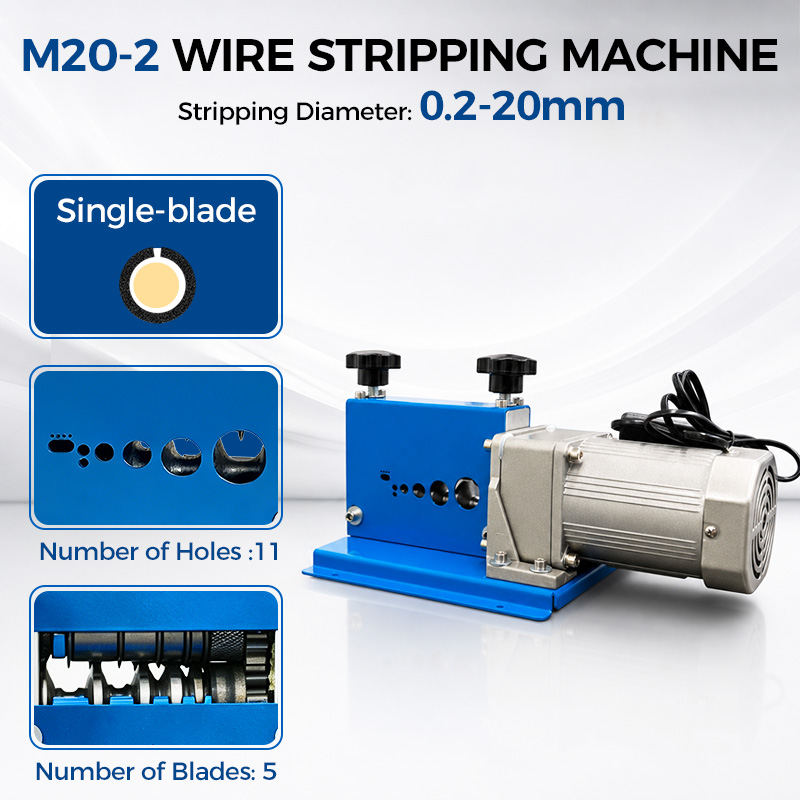
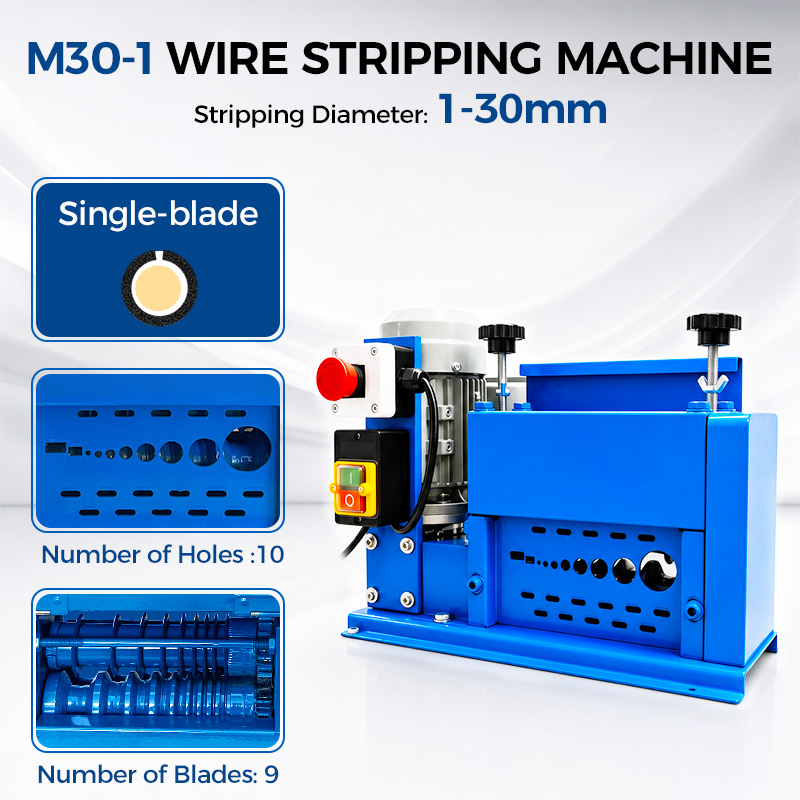
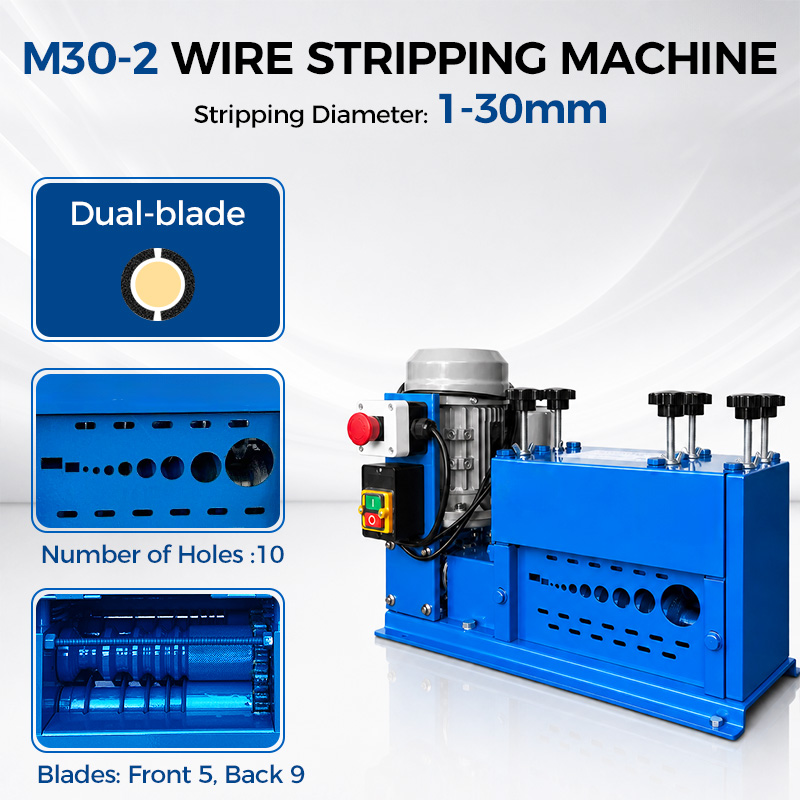
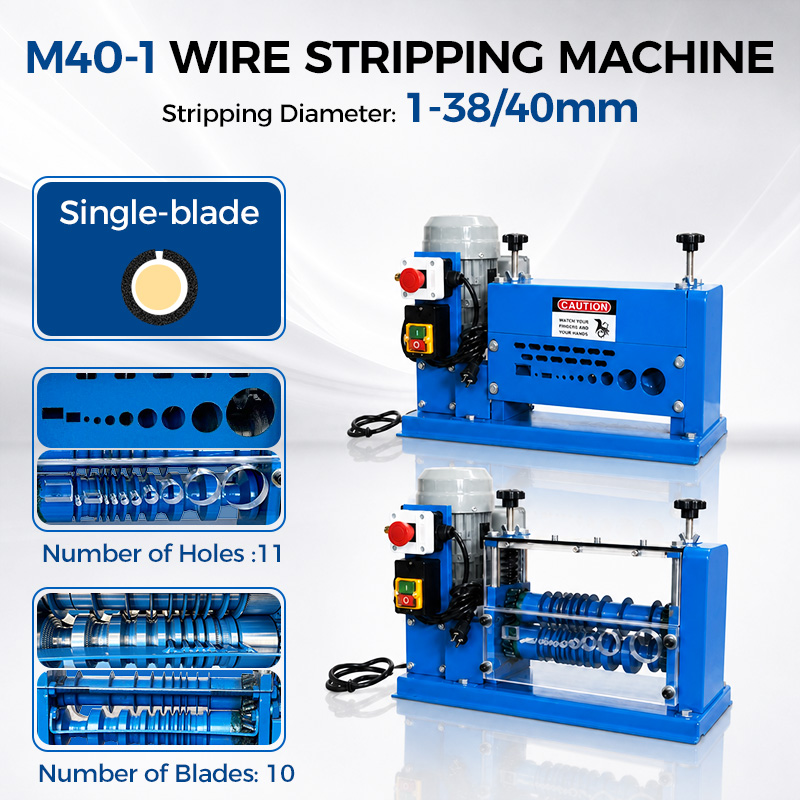
Stripping machines are essential tools for the recycling industry, especially for businesses focused on processing waste cables and metals. When considering a stripping machine for sale, B2B buyers often seek reliable options that can efficiently handle various materials while ensuring maximum output and quality. This article will delve into the key specifications, sourcing options, cost factors, common issues, and performance metrics that will help you make an informed purchasing decision.

Where to Source Reliable Stripping Machines for Your Projects

Where to Source Reliable Stripping Machines for Your Projects

Sourcing reliable stripping machines requires careful consideration of suppliers and manufacturers. Here are some avenues to explore:

Direct Manufacturers: Engaging directly with manufacturers like Hangzhou Lansing Machinery Co., Ltd., allows buyers to gain insights into the machine's production processes, customization options, and after-sales support. This relationship can also facilitate better pricing and lead times.

Industry Trade Shows: Attending trade shows focused on recycling and industrial machinery provides a platform to see machines in action, compare specifications, and network with suppliers. This firsthand experience can greatly enhance your understanding of product performance.

Online Marketplaces: Websites that specialize in industrial equipment can connect buyers with a range of suppliers. However, due diligence is essential; check reviews and request references to ensure reliability.

Local Distributors: Collaborating with local distributors can offer advantages in terms of support and service. They often have established relationships with manufacturers and can provide guidance on the best options based on your specific needs. For instance, if you are in need of a Shredding Machine, local distributors might help you find the right model for your operations.

Understanding the Cost Factors of Stripping Machines for Buyers

Understanding the Cost Factors of Stripping Machines for Buyers

The cost of a stripping machine can vary widely based on several factors. Understanding these can help buyers make budget-conscious decisions:

Machine Specifications: Higher capacity and advanced features often come with a higher price tag. For example, machines with automated settings or those designed for specialized materials typically cost more.

Customization: Custom-built machines tailored to specific operational needs can increase costs. Buyers should assess the added value against their budget and production requirements.

Brand Reputation: Established manufacturers with a proven track record may charge a premium for their products due to their reliability and support services. It’s essential to weigh the potential long-term benefits of investing in a reputable brand.

Shipping and Installation: Factor in shipping costs, import duties, and installation fees, which can significantly impact the total investment. Some manufacturers may offer bundled services that include these costs.

Maintenance and Operating Costs: Consider the long-term operational costs, including maintenance, spare parts, and energy consumption. Machines with lower initial costs may lead to higher expenses over time if they require frequent repairs or consume more power.

Common Problems with Stripping Machines and Their Solutions

Common Problems with Stripping Machines and Their Solutions

While stripping machines are generally reliable, users may encounter common issues that can affect performance. Here are a few potential problems and their solutions:

Poor Cutting Quality: If the machine is not producing clean cuts, it may indicate dull blades or improper settings. Regular maintenance, including blade sharpening and alignment checks, is crucial to ensure optimal performance.

Jamming: Cables or materials getting stuck in the machine can halt production. This often occurs due to improper feed rates or material types that are not compatible with the machine. Adjusting feed settings and ensuring proper material selection can help mitigate this issue.

Overheating: Machines may overheat during extended operation, potentially causing damage. Implementing regular cooling breaks or using machines with built-in cooling systems can prevent overheating and extend the lifespan of the equipment.

Electrical Issues: Faulty wiring or electrical components can lead to operational failures. Regular inspections of the electrical systems and ensuring that installations meet safety standards are essential to avoid downtime.

Materials and Performance

The performance of a stripping machine is largely influenced by the materials used in its construction and the design of its components. Here are key considerations:

Material Quality: Machines constructed from high-grade materials such as hardened steel or heavy-duty alloys typically offer better durability and resistance to wear. This is particularly important in high-volume operations where equipment faces continuous use.

Design Features: The machine's design can enhance its efficiency. For example, machines with adjustable cutting heights can accommodate different material sizes, improving versatility in operations.

Performance Metrics: Evaluate performance metrics such as stripping speed and efficiency rates to ensure the machine meets your production goals. Performance testing under real-world conditions can provide valuable insights into how well the machine will perform in your specific application.

Customization Options: Many manufacturers offer customization in terms of dimensions, features, and capabilities. Discussing your unique operational requirements with the manufacturer can lead to tailored solutions that optimize performance.

By understanding these aspects of stripping machines, B2B buyers can make informed decisions that align with their operational needs and budget considerations, ensuring successful procurement and utilization of this essential recycling equipment.

Key Specifications to Evaluate in Stripping Machines for Wholesale

When evaluating stripping machines for wholesale, several key specifications should be prioritized:

Processing Capacity: This refers to the volume of material the stripping machine can handle within a given time frame. Depending on your production needs, machines with higher throughput rates are preferable for larger operations.

Cutting Mechanism: The type of cutting mechanism—whether it’s rotary, blade, or shear—affects the machine’s efficiency and the quality of the stripped material. For instance, rotary cutters are generally more efficient for continuous operation, while blade mechanisms may provide a cleaner cut.

Material Compatibility: Different machines are designed to handle various types of cables and metals. Buyers should confirm that the machine can efficiently process the specific materials they work with, including the wire gauge and insulation type. For those looking specifically to handle copper materials, the Copper Granulator can be an excellent addition to your equipment lineup.

Power Requirements: The machine's energy consumption can significantly impact operational costs. Ensure that the power specifications align with your facility's capabilities and consider energy-efficient models to reduce long-term expenses.

Safety Features: Safety is paramount in industrial operations. Look for machines equipped with emergency stop buttons, safety guards, and overload protection systems to mitigate risks during operation.

Get a Free Quote

Tell us about your recycling needs, and our team will recommend the right equipment and solution for your project.
0/1000