Choosing the Right Scrap Wire Stripper for Recycling

application/scrap-wire-stripper, application/scrap-wire-stripper, 
Inquiry
Inquiry

scrap wire stripper

Scrap wire strippers are essential tools for businesses involved in recycling operations, particularly those handling waste cables and metals. These machines efficiently remove insulation from wires, enabling the recovery of valuable copper and aluminum, thus enhancing profitability and sustainability in operations. This article addresses key considerations for purchasing a scrap wire stripper, including specifications, selection criteria, installation guidance, and cost factors, helping you make an informed decision that aligns with your business needs.

How to Choose the Right Scrap Wire Stripper for Your Needs

Selecting the ideal scrap wire stripper involves assessing various factors to ensure it aligns with your operational requirements:

Material Types: Different strippers are designed for specific materials. If you primarily deal with copper or aluminum cables, confirm the machine is optimized for those materials, such as the LE-500B Electrostatic Separator for Copper and Plastic Recovery.

Volume of Processing: Consider your average workload. If you process large volumes of wire, a high-capacity machine with a fast production rate will be more beneficial.

Customization Options: Depending on your specific needs, you may require features such as adjustable cutting heights or additional attachments for different wire types. Evaluate the manufacturer’s ability to provide customization.

Ease of Use: A user-friendly interface and straightforward maintenance requirements can enhance productivity and reduce downtime. Look for models that provide clear operation guidelines.

By clarifying these needs, you can effectively narrow your options and choose a stripper that boosts your operations while minimizing complications.

Key Features to Consider

When purchasing a scrap wire stripper, several features can enhance usability and efficiency:

Safety Features: Look for machines equipped with emergency stop buttons, safety guards, and automatic shut-off systems. These features protect operators and ensure compliance with safety regulations.

Durability: Materials used in construction significantly impact lifespan. Machines built with high-quality steel and corrosion-resistant components can withstand rigorous use over time.

Maintenance Ease: A design that allows for easy access to critical components simplifies maintenance tasks, reducing operational downtime. Consider models with modular components that can be easily replaced.

Mobility: If your operations require flexibility, consider strippers with wheels or those that can be easily relocated. This is especially useful in environments where multiple work areas are used.

Incorporating these features into your decision-making process can lead to a more efficient and safer working environment.

Installation Guidance for Your Scrap Wire Stripper Purchase

Proper installation of a scrap wire stripper is crucial for optimal performance. Here are steps to consider:

Site Preparation: Ensure the installation area is clean, level, and free of obstructions. Adequate space for operator movement and machine maintenance is essential.

Power and Connectivity: Confirm that the electrical supply matches the machine's specifications. It may be necessary to consult with an electrician to guarantee safe and compliant connections.

Calibration: After installation, calibrate the machine according to the manufacturer’s instructions. This may involve adjusting the cutting mechanism and testing various wire sizes to ensure optimal performance.

Training: Ensure that operators are trained on machine usage and safety protocols. Providing thorough training can prevent accidents and enhance machine effectiveness.

By following these installation guidelines, you can ensure that your scrap wire stripper operates efficiently from day one.

Cost Factors to Consider When Buying a Scrap Wire Stripper

Understanding the cost implications of a scrap wire stripper purchase is vital for budgeting:

Initial Purchase Price: The base cost of the machine varies significantly based on features and specifications. While it's tempting to select the least expensive option, consider the long-term value and efficiency it provides.

Operational Costs: Evaluate the power consumption and maintenance needs of the machine. Models that are more energy-efficient may have a higher upfront cost but can save money in the long run, such as the LX-400C 250-450kg/h Fully Enclosed Copper Wire Granulator.

Customization Costs: If you require specific features or modifications, discuss potential additional costs with the manufacturer. Customization can enhance functionality but may increase the overall investment.

Shipping and Installation: Factor in transportation fees and any costs associated with professional installation. These can add significantly to the total expenditure.

By considering these cost factors, you can make a more informed financial decision that aligns with your operational budget and objectives.

purchasing a scrap wire stripper involves careful consideration of specifications, features, installation, and costs. By understanding these aspects, you’ll be better equipped to select a machine that enhances your recycling operations, maximizes material recovery, and contributes to your company's sustainability goals.

Understanding the Specifications of Our Scrap Wire Stripper

When evaluating scrap wire strippers, it's crucial to understand specific technical specifications that directly impact performance. Key specifications often include:

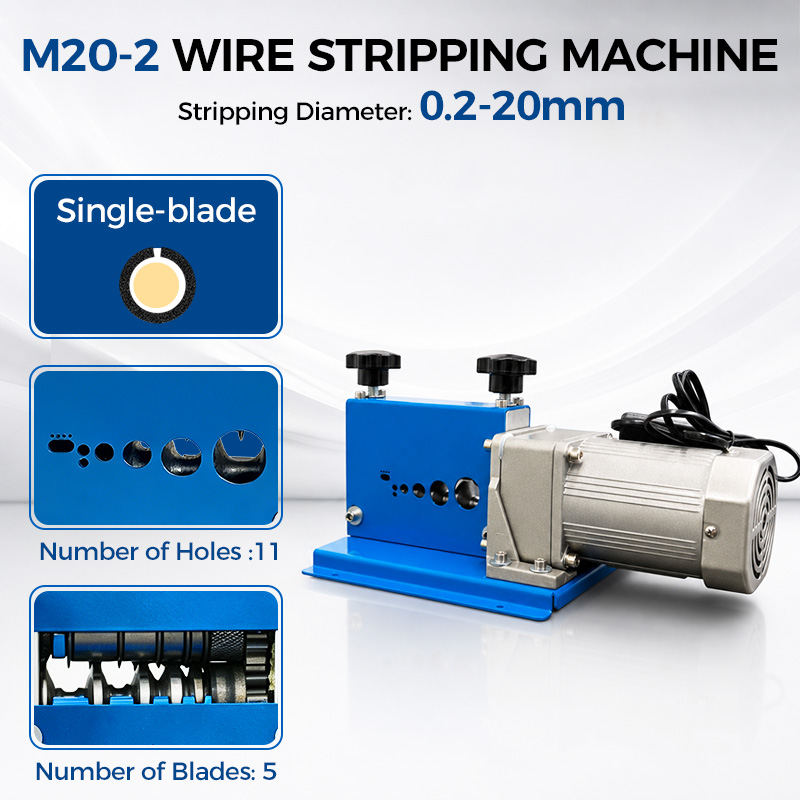
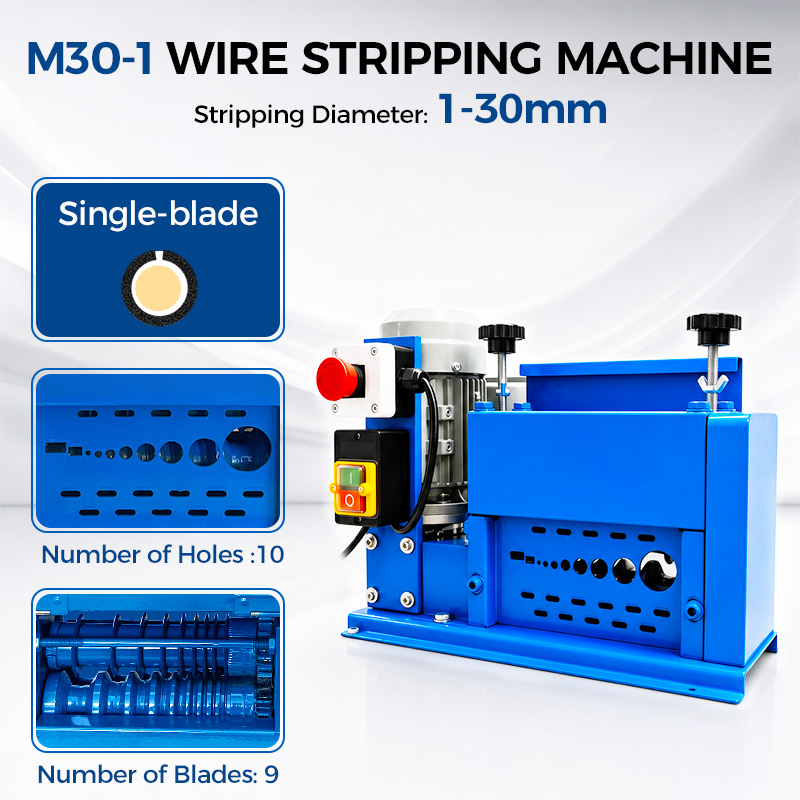
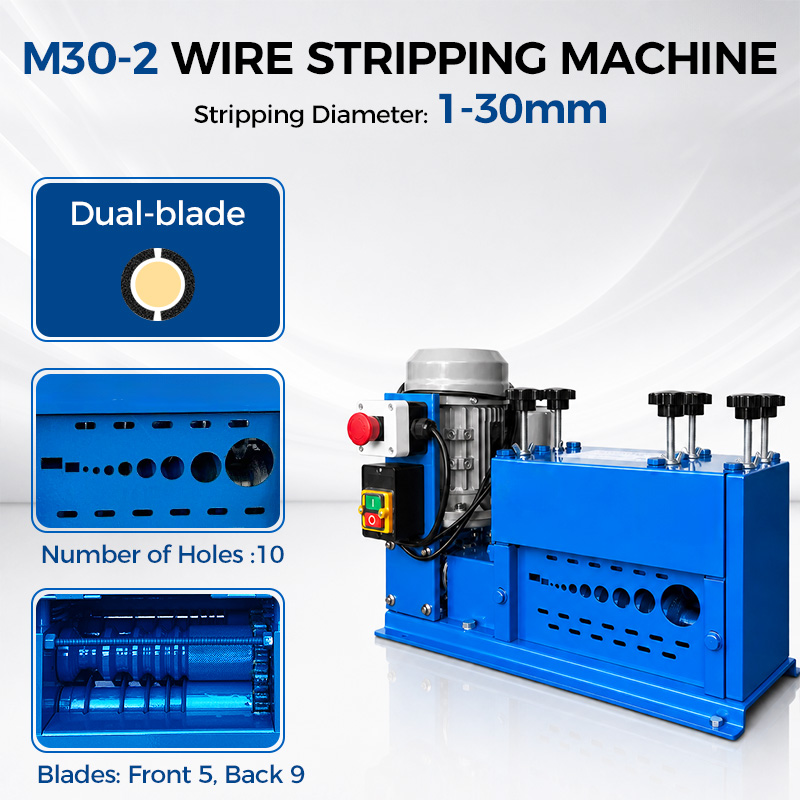
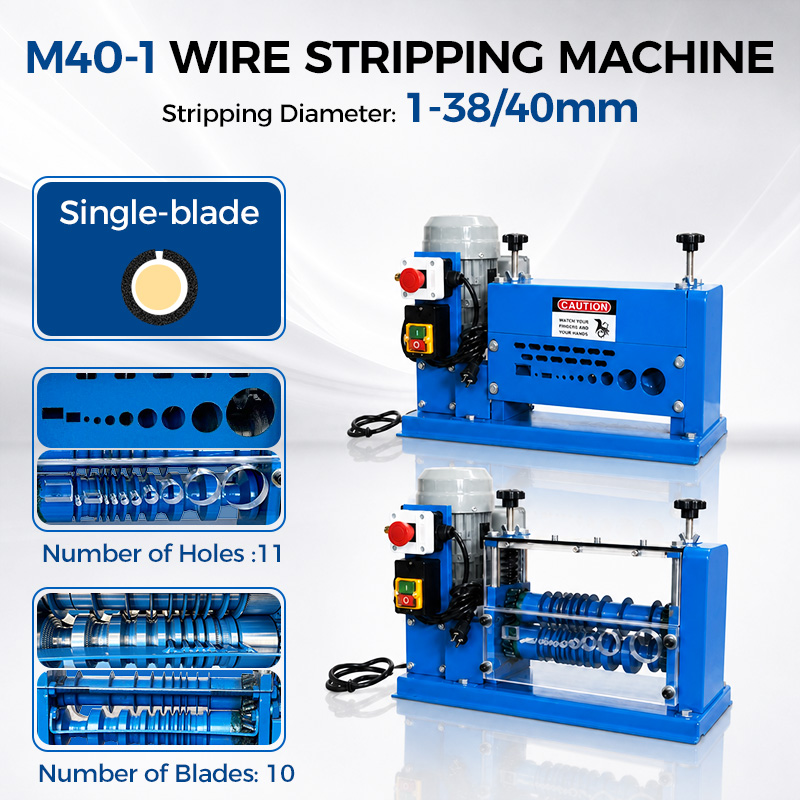
Wire Size Capacity: The range of wire sizes the machine can handle, typically measured in gauge. Ensuring compatibility with your typical wire sizes is vital for efficient processing.Cutting Mechanism: This can vary widely; some strippers use blades while others employ rotary cutting systems. The choice affects the quality of insulation removal and operational speed.Production Rate: Measured in pounds per hour, this indicates how much wire can be processed in a given timeframe, which is critical for operational efficiency.Power Requirements: Understanding the energy consumption of the machine helps in assessing operational costs and ensuring compatibility with existing electrical systems.

These specifications guide you in selecting a machine that meets your operational demands without compromising on efficiency or quality.

Get a Free Quote

Tell us about your recycling needs, and our team will recommend the right equipment and solution for your project.
0/1000