Guide to Wire Stripping Machines Recycling

application/wire-stripping-machines-recycling, application/wire-stripping-machines-recycling, 
Inquiry
Inquiry

wire stripping machines recycling

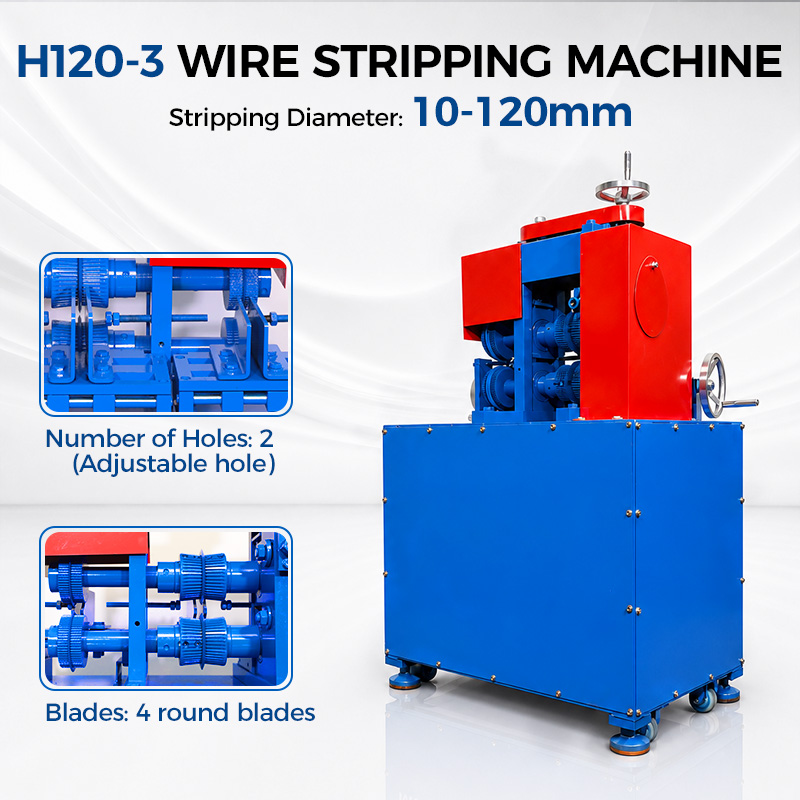
Wire stripping machines play a crucial role in recycling, especially in the processing of waste cables and metals. These machines efficiently remove insulation from wires, allowing for the recovery of valuable materials. For B2B buyers, understanding the nuances of wire stripping machines recycling is essential for making informed purchasing decisions. This article will explore key specifications, compare different machines, outline the installation process, address common issues, and evaluate quality considerations to aid in your selection process. Additionally, understanding the benefits of a Copper Granulator can enhance your recycling efforts.

Compare Wire Stripping Machines for Quality and Cost Efficiency

Compare Wire Stripping Machines for Quality and Cost Efficiency

When evaluating various wire stripping machines, comparing quality alongside cost efficiency is essential.

Initial Cost vs. Long-Term Value: While a lower initial purchase price may be attractive, consider the long-term operational costs, including energy consumption, maintenance, and potential downtime due to repairs. Investing in a high-quality machine may yield better returns over time.

Brand Reputation: Established manufacturers, such as Hangzhou Lansing Machinery Co., Ltd., often provide machines with proven reliability and better after-sales support. Research customer reviews and testimonials to gauge the experiences of other users.

Customization Options: Some manufacturers offer customization based on specific operational needs. This can include modifications in size, speed settings, or additional features. Custom machines may come at a higher cost but can significantly improve overall efficiency.

Warranty and Support: A robust warranty and responsive customer support can greatly influence the overall cost-effectiveness of a machine. Ensure that the manufacturer provides comprehensive support for troubleshooting and maintenance.

By weighing these factors, buyers can make more informed decisions that align with their operational requirements and budget constraints.

Understanding the Installation Process for Wire Stripping Machines

Understanding the Installation Process for Wire Stripping Machines

Proper installation is critical to the performance and longevity of wire stripping machines.

Site Preparation: Before installation, ensure that the workspace is adequately prepared. This includes having sufficient space for the machine, appropriate electrical connections, and a stable surface to minimize vibrations during operation.

Connecting Power Supply: Follow the manufacturer’s guidelines for connecting the machine to the power supply. This often involves ensuring correct voltage, phase connections, and grounding to prevent electrical hazards.

Calibration: After installation, calibrate the machine according to the specifications provided in the user manual. This may involve adjusting settings for wire size and stripping length to ensure optimal performance.

Testing Before Full Operation: Conduct a test run with a sample wire to confirm that the machine operates correctly and that the stripping quality meets your expectations. This step helps identify any necessary adjustments before commencing full production.

Common Problems with Wire Stripping Machines and Their Solutions

Common Problems with Wire Stripping Machines and Their Solutions

Despite their robust design, wire stripping machines can experience challenges. Recognizing these issues and their solutions can enhance operational efficiency.

Inconsistent Stripping Quality: If the machine produces inconsistent stripping results, check the blade condition. Dull blades may require sharpening or replacement. Additionally, ensure that wire size settings align with the actual wire being processed.

Jamming: Wire jams can occur due to incorrect wire size or material build-up. Regular maintenance, including cleaning and inspecting the cutting components, can prevent this issue. Additionally, ensure that the wire is fed correctly to avoid misfeeds.

Electrical Failures: If the machine fails to start, check the power supply and ensure that all safety features are engaged. If issues persist, consult the manufacturer's troubleshooting guide or contact support for assistance.

Wear and Tear: Regularly inspect components for signs of wear. Proactive maintenance, including lubrication and part replacement, can extend the machine's lifespan and maintain performance.

Evaluating the Quality of Wire Stripping Machines for Purchase

Quality assessment is paramount when purchasing wire stripping machines.

Material Quality: Examine the materials used in constructing the machine. High-quality metals and durable plastics contribute to longevity and performance. Ask for detailed specifications regarding the materials used in critical components.

Manufacturer Certifications: Verify that the manufacturer adheres to relevant industry standards and certifications, which can indicate a commitment to quality and safety in production.

Performance Testing: Request information on any performance testing the machine has undergone. Reliable manufacturers often provide test results that highlight the machine's capabilities under various conditions.

User Feedback: Seek insights from existing users regarding their experiences. This feedback can provide valuable information about long-term reliability and performance under real-world conditions.

By thoroughly evaluating these quality aspects, buyers can ensure they select a machine that meets their operational needs and expectations for durability and efficiency.

Key Specifications to Consider for Wire Stripping Equipmen

When selecting a wire stripping machine, several key specifications should be considered to ensure optimal performance and efficiency.

Wire Size Compatibility: Machines vary in the size and type of wire they can handle. It's crucial to select a model that accommodates the range of wire diameters you typically process. Machines that can handle a wider range may offer greater versatility for future projects.

Stripping Speed: The speed at which a machine can strip wire significantly impacts productivity. A higher stripping speed can lead to increased output, but it should not compromise the quality of the stripping process. It's advisable to balance speed with quality to avoid damage to the wire.

Cutting Mechanism: Different machines use various cutting technologies, such as rotary blades or linear cutting. The choice of cutting mechanism can affect the machine's efficiency and the final quality of the stripped wire. Understanding which method aligns with your operational needs is vital. For instance, using a Shredding Machine alongside your wire stripping machine can optimize the recycling process.

Durability and Build Quality: The materials used in the construction of wire stripping machines affect their longevity and performance. Look for machines made from high-quality, durable materials that can withstand heavy use in an industrial environment.

Electrical and Safety Features: Ensure the machine complies with relevant electrical safety standards. Features like overload protection, emergency stop buttons, and proper grounding are critical for safe operation.

Get a Free Quote

Tell us about your recycling needs, and our team will recommend the right equipment and solution for your project.
0/1000