Choosing Wire Stripping Equipment for Recycling

application/stripping-wire-for-recycling, application/stripping-wire-for-recycling, 
Inquiry
Inquiry

stripping wire for recycling

Stripping wire for recycling is an essential process that helps recover valuable materials from waste cables, thereby contributing to sustainable practices in the manufacturing and recycling industries. For B2B buyers, understanding the intricacies of wire stripping equipment is crucial in ensuring efficient operations, maximizing recovery rates, and maintaining cost-effectiveness. This article will delve into the key considerations when selecting wire stripping machinery, explore reliable suppliers, address common issues faced during operation, discuss cost factors, and highlight various applications in the recycling sector.

Reliable Suppliers for Wire Stripping Machinery and Equipmen

Reliable Suppliers for Wire Stripping Machinery and Equipmen

Choosing a reliable supplier for wire stripping machinery is critical for ensuring consistent quality and performance. Look for manufacturers with a proven track record in the recycling equipment industry. Check for certifications that demonstrate compliance with industry standards and regulations, such as ISO certifications, which can indicate a commitment to quality control processes.

Additionally, consider the supplier's capabilities in customization. A supplier that can tailor equipment to meet specific operational needs can provide significant advantages in efficiency and effectiveness. For instance, if you require machinery that can handle a unique wire size or type, a manufacturer like Hangzhou Lansing Machinery Co., Ltd. can offer customized solutions that align with your business requirements.

It’s also beneficial to read customer testimonials and case studies to gauge supplier performance from existing clients. Engaging in discussions with potential suppliers can provide insights into their support services, warranty terms, and maintenance options, which are vital for ensuring long-term operational success.

Common Problems with Wire Stripping and Effective Solutions

Common Problems with Wire Stripping and Effective Solutions

Wire stripping operations can encounter several common problems that may hinder efficiency and productivity. One frequent issue is blade wear and tear, which can lead to inadequate stripping and increased material wastage. Regular maintenance and timely blade replacements are essential to prevent this issue. Buyers should inquire about the machine’s maintenance requirements and the availability of replacement parts when evaluating equipment.

Another common problem is the improper handling of various wire types, which can cause jamming or damage to the machine. To mitigate this, operators should be trained on the specific requirements for different wire types and the correct setup procedures for the machine. For instance, if the insulation is too thick for a particular model, it may require a different approach or machine altogether.

Additionally, fluctuations in material quality can lead to inconsistent results. Prior to processing, it’s advisable to conduct quality checks on incoming materials to ensure they meet the necessary specifications for successful stripping. Engaging with an experienced supplier can provide insights into effective quality control measures and operational best practices.

Understanding the Cost Factors of Wire Stripping for Recycling

Understanding the Cost Factors of Wire Stripping for Recycling

The cost of wire stripping for recycling can vary significantly based on several factors, including the type of machinery used, operational scale, and local market conditions. Initially, buyers should consider the upfront investment in equipment. While lower-priced machines may seem attractive, they may lack the durability and efficiency of higher-quality models, leading to increased long-term costs.

Operational costs, such as electricity consumption and ongoing maintenance, should also be factored into the overall cost analysis. For instance, an energy-efficient machine may have a higher initial cost but can save money on electricity bills over time. Furthermore, the cost of labor should be considered, especially when comparing manual versus automatic stripping solutions.

Buyers should also keep in mind the costs associated with downtime. Investing in reliable machinery from reputable manufacturers can reduce the likelihood of breakdowns and production halts, ultimately improving profitability. When preparing for an RFQ, it’s essential to provide details on the expected processing volume, wire types, and any customization needs, as these factors will significantly influence pricing.

Applications of Wire Stripping in the Recycling Industry

Wire stripping plays a vital role in the recycling industry, with applications that extend across various sectors. The primary use is in recovering valuable metals, such as copper and aluminum, from insulated cables. This process not only reduces waste but also supports the circular economy by enabling the reuse of materials.

In addition to general recycling operations, wire stripping equipment is utilized in specialized applications, such as the recycling of automotive cables, telecommunications wires, and industrial cables. Each application may require specific machine features, such as variable stripping lengths or the ability to handle multi-stranded wires. A Shredding Machine could also be integrated into the process to enhance efficiency.

Moreover, as industries increasingly focus on sustainability, the demand for efficient wire stripping solutions continues to grow. Companies looking to enhance their recycling efforts can benefit from investing in high-quality stripping equipment that maximizes material recovery and minimizes environmental impact.

In summary, understanding the various aspects of wire stripping for recycling is crucial for B2B buyers. By considering equipment specifications, supplier reliability, common operational challenges, cost factors, and applicable industries, buyers can make informed decisions that enhance their recycling processes and contribute to sustainable practices.

What to Consider When Choosing Wire Stripping Equipment for Recycling

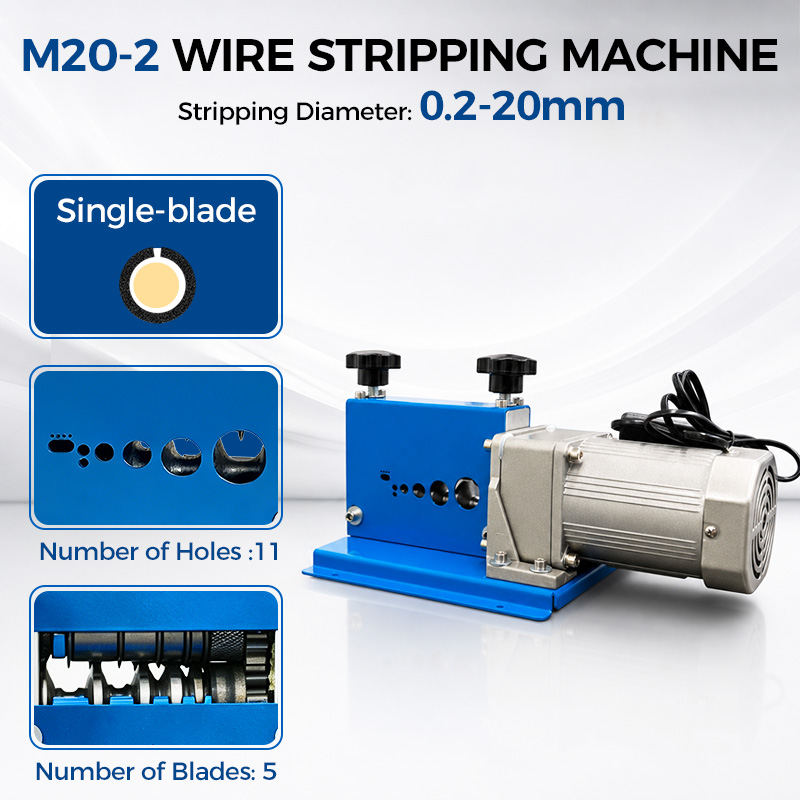
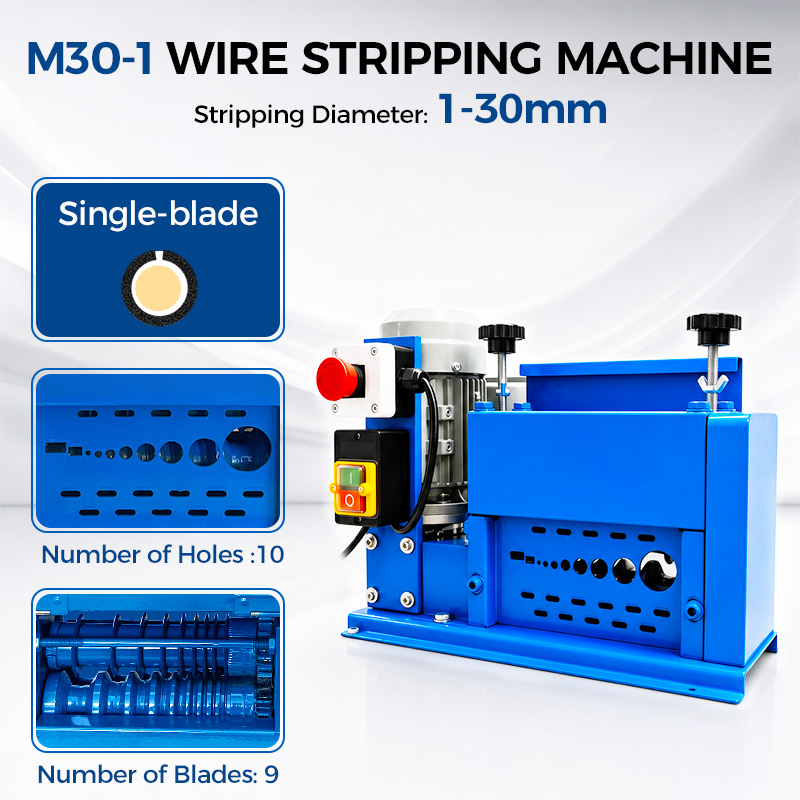
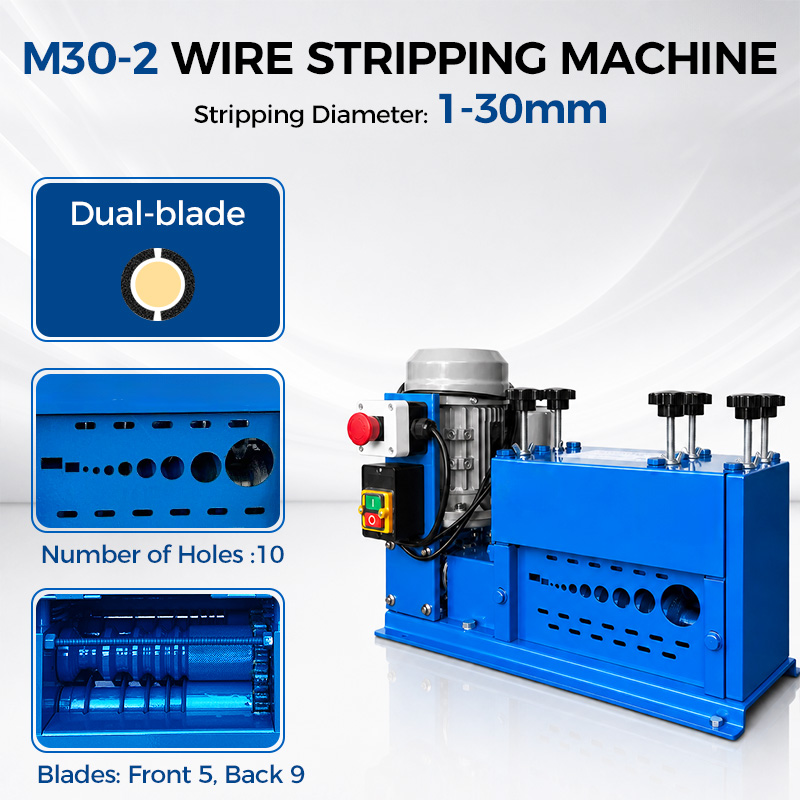
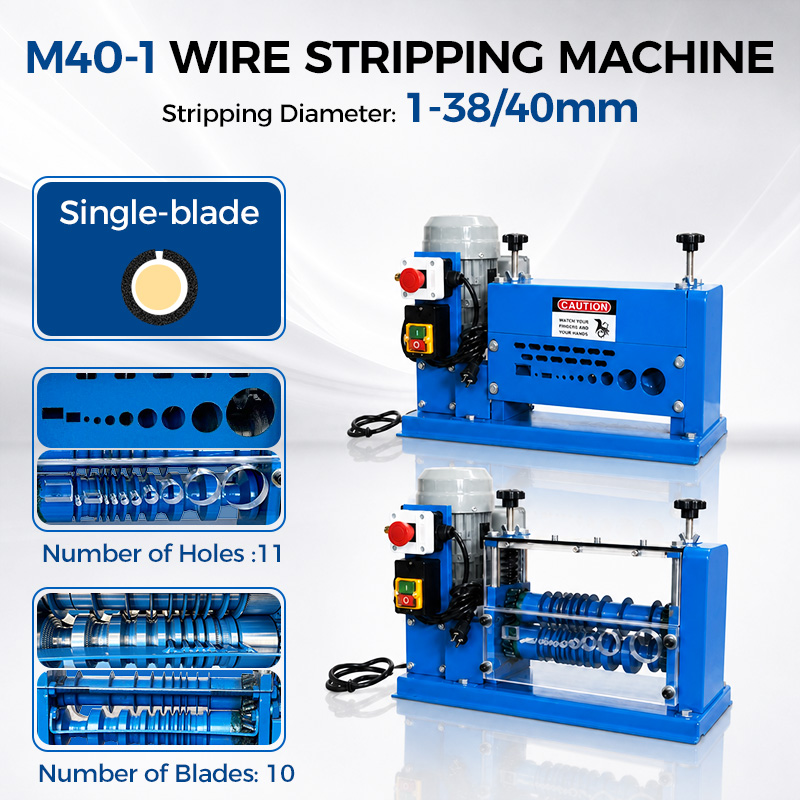
When selecting wire stripping equipment for recycling, buyers should consider various factors to ensure they invest in the right machinery. Key specifications to evaluate include the capacity of the machine, which should match the volume of wire to be processed. Additionally, the type of stripping method—manual or automatic—can significantly impact operational efficiency. Automatic machines typically offer higher throughput and require less labor, making them preferable for larger operations.

Material compatibility is another crucial consideration. Different wires have varying insulation types and thicknesses, which affect the stripping process. Ensure the equipment can handle the specific types of wire you intend to recycle, such as copper or aluminum. Moreover, machine features like adjustable blade settings and cutting speeds can enhance versatility and performance. For example, a Copper Granulator might be a complementary investment for processing copper wires effectively.

Buyers should also assess the manufacturer’s reputation for quality and reliability. A well-established company like Hangzhou Lansing Machinery Co., Ltd., known for its integrated manufacturing and global sales, can provide tailored solutions and dependable after-sales support, which is essential for minimizing downtime and ensuring smooth operations.

Get a Free Quote

Tell us about your recycling needs, and our team will recommend the right equipment and solution for your project.
0/1000