Essential Guide to Wire Recycling Machines

application/wire-recycling-machine, application/wire-recycling-machine, 
Inquiry
Inquiry

wire recycling machine

In the manufacturing and recycling industry, wire recycling machines are essential for processing waste cables and metals. These machines enable businesses to reclaim valuable materials while adhering to environmental regulations. B2B buyers, such as purchasing managers and engineers, often face challenges in selecting the right machine due to the variety of specifications, quality standards, and potential operational issues. This article aims to provide practical insights into evaluating wire recycling machine specifications, sourcing reliable options, installation guidance, quality comparisons, and troubleshooting common problems.

Sourcing Reliable Wire Recycling Machines

Sourcing Reliable Wire Recycling Machines

Sourcing reliable wire recycling machines involves a thorough evaluation of potential suppliers. Buyers should consider the following steps:

Supplier Reputation: Look for companies with a strong track record in the industry. Reviews, testimonials, and case studies can provide insight into the reliability of both the machines and the supplier’s customer service.

Manufacturing Capabilities: Assess whether the supplier has integrated manufacturing capabilities, including R&D and quality control processes. Companies like Hangzhou Lansing Machinery Co., Ltd. that offer one-stop support from design to after-sales service can be more advantageous, providing consistency and reliability in product delivery.

Customization Options: Depending on the specific recycling needs, buyers may require customized solutions. Ensure that the supplier can accommodate modifications to meet unique processing requirements.

Certifications and Standards: Look for suppliers that comply with industry standards and hold relevant certifications. This can include ISO certifications that indicate quality management systems in place.

Service and Support: Evaluate the level of after-sales support provided, including installation assistance, training, and maintenance services. A supplier that offers comprehensive support can significantly reduce downtime and operational challenges.

By carefully assessing these factors, buyers can source machines that not only meet their technical requirements but also come from reputable manufacturers known for quality and reliability.

Installation Guidance for Efficient Wire Recycling Machine Use

Installation Guidance for Efficient Wire Recycling Machine Use

Proper installation of wire recycling machines is crucial for optimal performance. Here are key considerations for a successful setup:

Site Preparation: Before installation, ensure that the site is prepared to accommodate the machine’s dimensions and weight. This includes having adequate flooring, space for operation, and access for maintenance.

Electrical and Mechanical Setup: Engage qualified professionals to handle electrical connections and mechanical assembly. Incorrect installation can lead to operational inefficiencies and safety hazards.

Calibration: After installation, the machine should be calibrated according to the manufacturer’s specifications. This ensures that it operates at peak efficiency and meets the intended processing capacity.

Training for Operators: Conduct thorough training sessions for operators to familiarize them with the machine’s features, safety protocols, and operational procedures. This training can help prevent misuse and prolong the machine’s lifespan.

Regular Maintenance Schedule: Establish a maintenance schedule to keep the machine in optimal condition. Regular checks on components such as blades, motors, and sensors can prevent unexpected breakdowns and enhance operational longevity.

By following these guidelines, companies can ensure that their wire recycling machines are installed correctly, leading to efficient and safe operations.

Comparing Quality Standards in Wire Recycling Machines

Comparing Quality Standards in Wire Recycling Machines

When comparing wire recycling machines, it’s essential to consider the quality standards that govern their production. Key aspects include:

Material Quality: The materials used in manufacturing the machine affect durability and performance. High-quality steel and components can resist wear and extend the machine's operational life.

Construction Standards: Machines should be built to withstand the rigors of continuous use. Look for machines that meet recognized construction standards to ensure robustness.

Testing and Certification: Suppliers should conduct rigorous testing of their machines before they reach the market. Certifications from third-party organizations can indicate that the machine meets industry standards for safety and efficiency.

User Reviews and Case Studies: Gathering feedback from existing users can provide insights into the machine's performance in real-world applications. Look for documented case studies that detail the machine's efficiency and reliability in various operational environments.

Warranty and Service Agreements: Consider the warranty offered by the manufacturer. A robust warranty can provide peace of mind and indicates the manufacturer's confidence in their product’s quality.

By focusing on these quality standards, buyers can ensure that they select a wire recycling machine that meets their operational needs and offers reliable performance.

Common Problems with Wire Recycling Machines and Their Solutions

Even with high-quality equipment, wire recycling machines can face operational problems. Here are some common issues and their solutions:

Clogging: This issue often arises when processing materials that are not compatible with the machine. Regularly inspect and clean the machine to prevent blockages. Ensuring that operators are trained to recognize signs of clogging can help minimize downtime.

Inconsistent Separation: If the machine fails to separate materials effectively, it may be due to incorrect settings or worn-out parts. Regular maintenance and calibration checks are essential. Buyers should keep spare parts on hand for quick replacements to maintain operational efficiency.

Power Failures: Sudden power outages or surges can affect machine performance. Implementing a backup power supply or surge protection can help mitigate this risk. Regular maintenance of electrical connections is also recommended.

Mechanical Wear and Tear: Over time, components like blades and filters can wear down. Keeping a detailed maintenance log can help track usage and indicate when parts need replacement.

Operator Errors: Misunderstandings of machine operation can lead to errors. Regular training and refresher courses for operators can minimize mistakes and improve overall machine handling.

By proactively addressing these common issues, companies can enhance their wire recycling machine’s reliability and efficiency, leading to improved operational outcomes.

How to Evaluate Wire Recycling Machine Specifications Effectively

When evaluating wire recycling machines, it’s critical to understand key specifications that directly impact efficiency and performance. Key factors include:

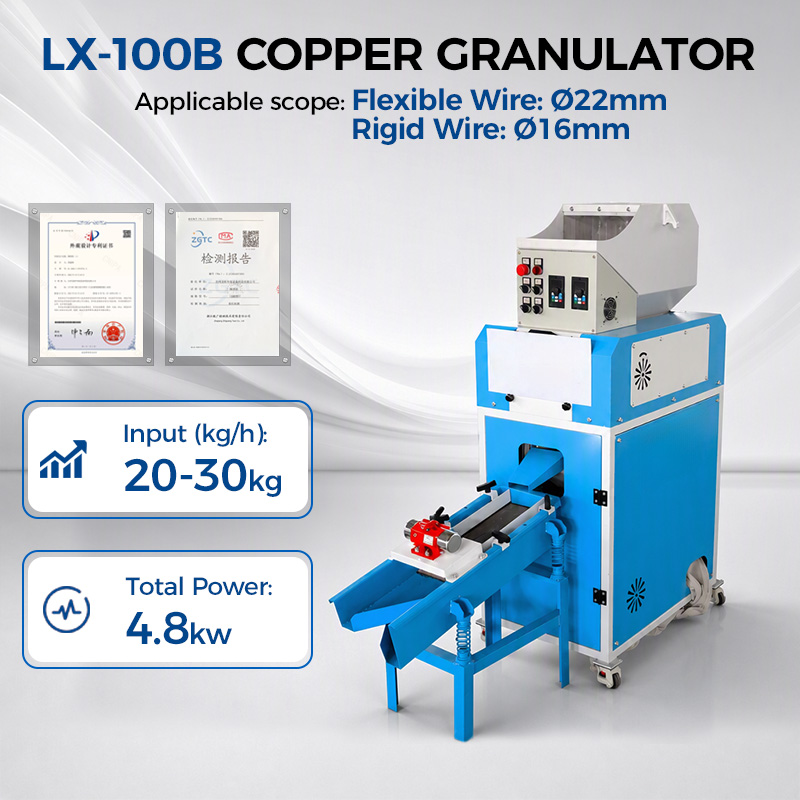
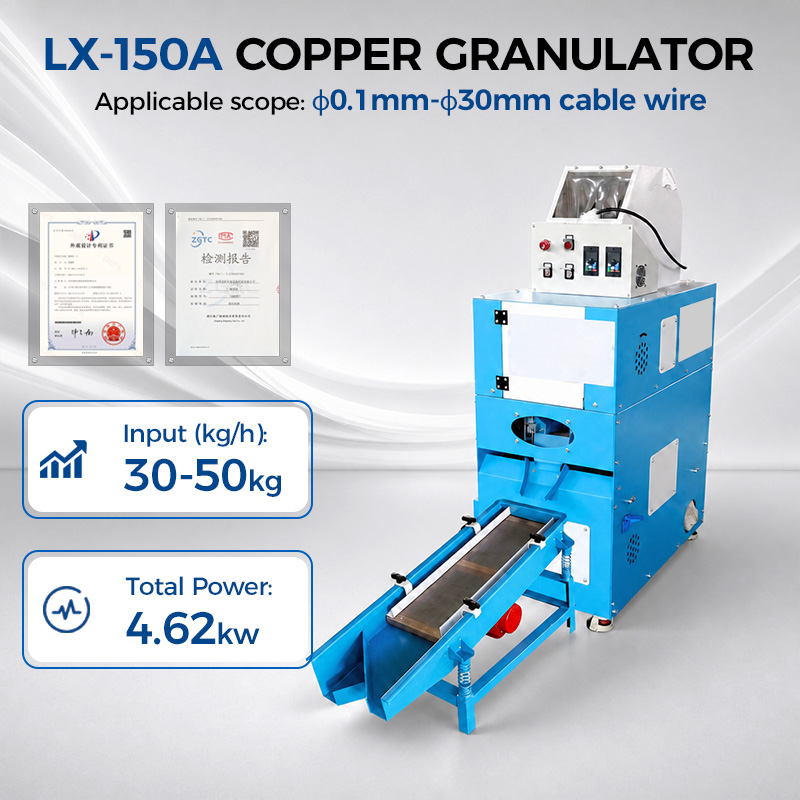
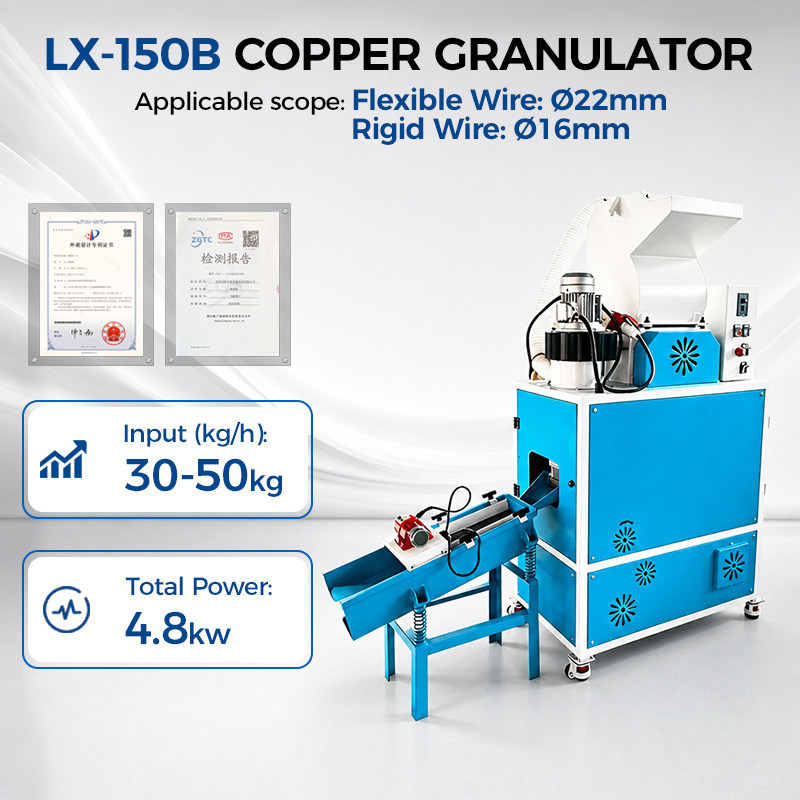
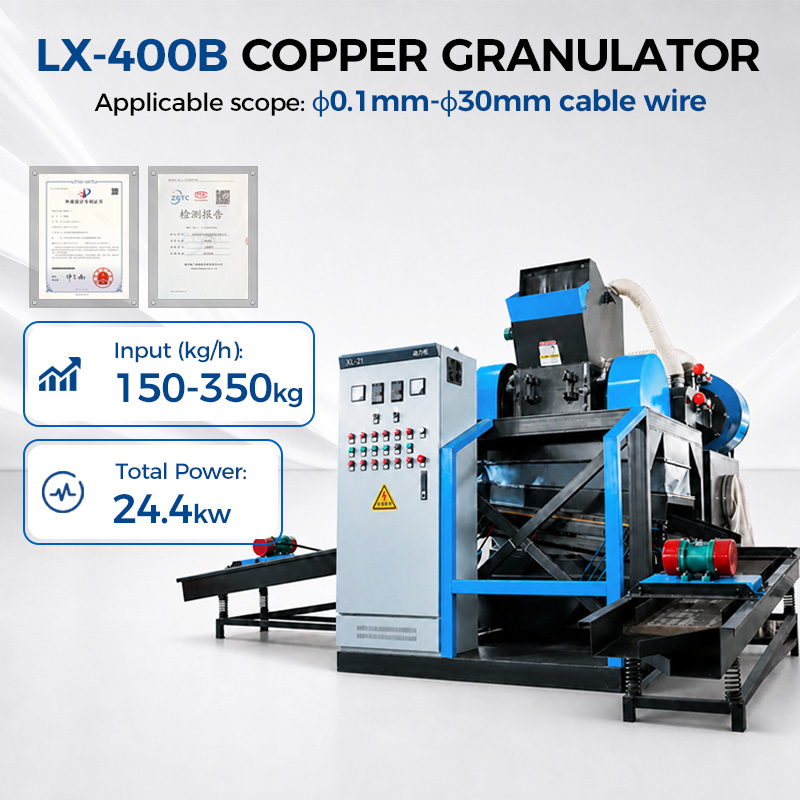
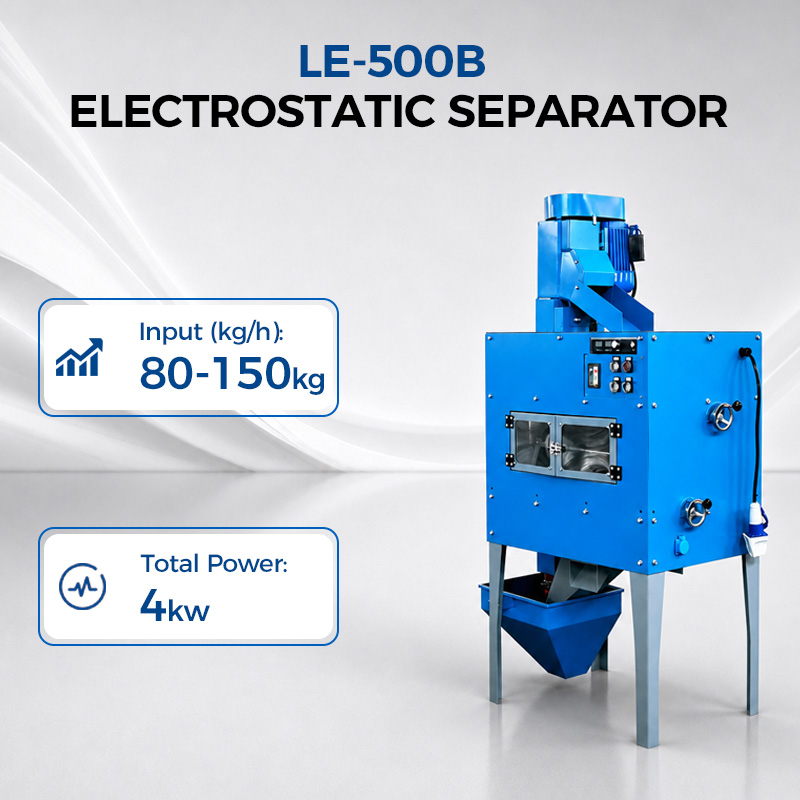
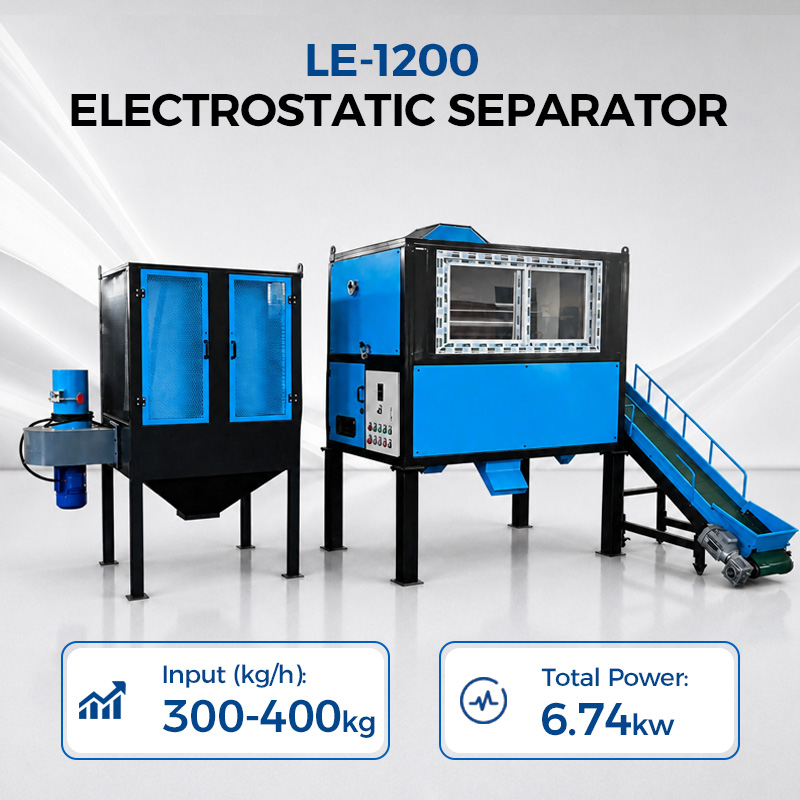
Processing Capacity: This refers to how much material the machine can handle per hour. Buyers should assess their operational needs to ensure the selected machine can meet daily processing targets without bottlenecks.

Separation Technology: Different machines utilize various methods for separating metals from insulation, such as air separation or magnetic separation. Understanding the technology used can help buyers determine the efficiency and effectiveness of the machine in reclaiming different types of metals. For effective separation, buyers may want to consider an Electrostatic Separator to enhance their operations.

Power Requirements: The energy consumption of the machine is another important specification. Buyers should consider operational costs and ensure that the machine's power needs align with their facility's electrical capabilities.

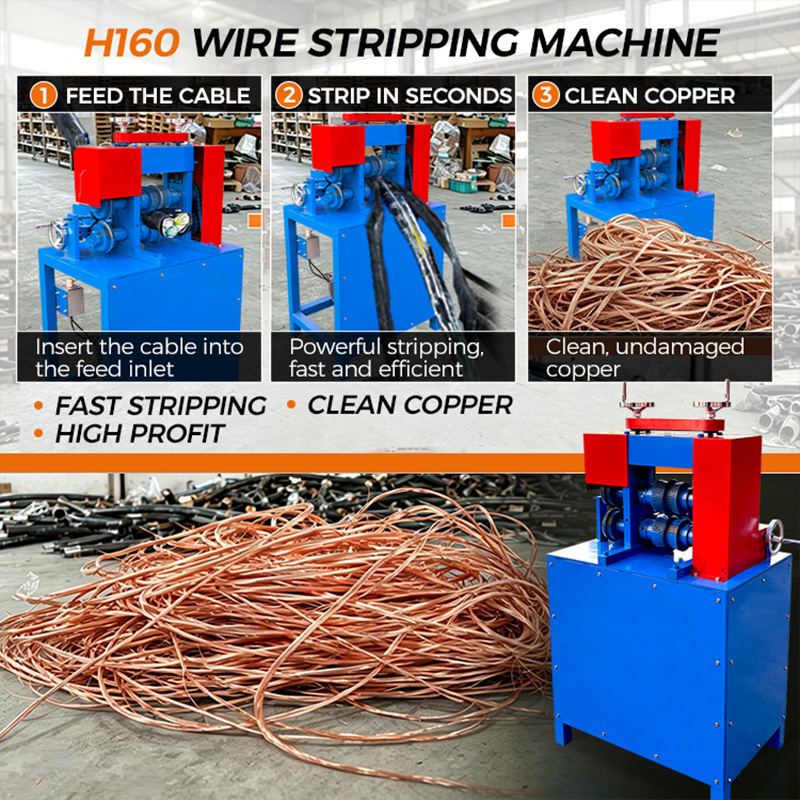
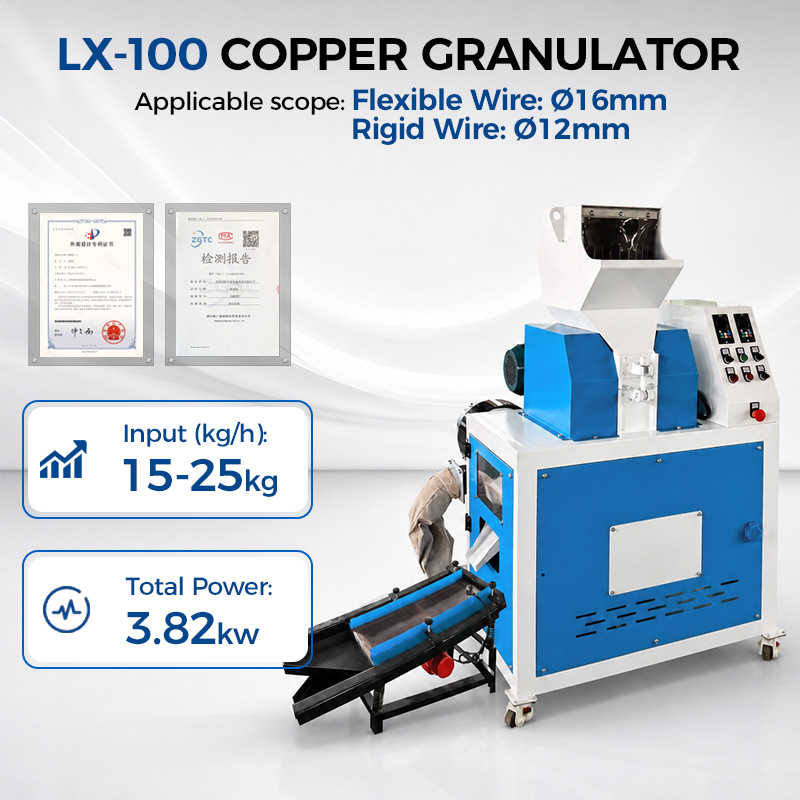
Material Compatibility: Not all machines are built to handle every type of wire or cable. Buyers need to confirm that the machine can process the specific types of cables they deal with, which may include copper, aluminum, or multi-metal cables. A Copper Granulator could also be a suitable addition if copper processing is a priority.

Dimensions and Footprint: The physical size of the machine must fit within the operational space of the facility. Accurate measurements will help avoid logistical issues during installation.

Understanding these specifications helps buyers make informed decisions, ensuring that the chosen wire recycling machine aligns with their operational objectives and facility constraints.

Get a Free Quote

Tell us about your recycling needs, and our team will recommend the right equipment and solution for your project.
0/1000