Comparing Features of Different Scrap Wire Granulator Models
When comparing different scrap wire granulator models, focus on critical features that impact performance and suitability for your application. Key specifications to evaluate include:
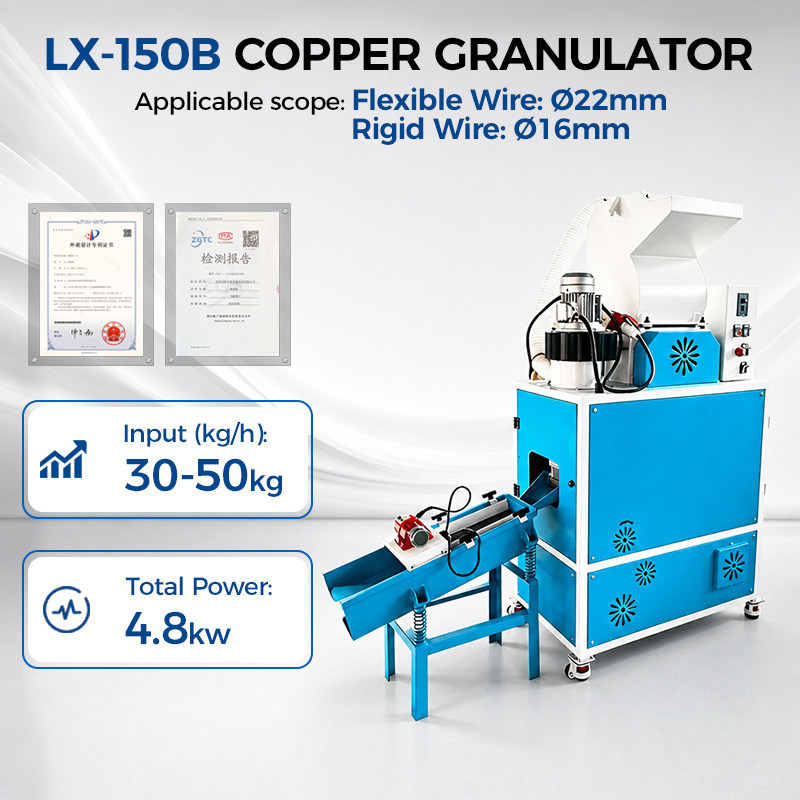
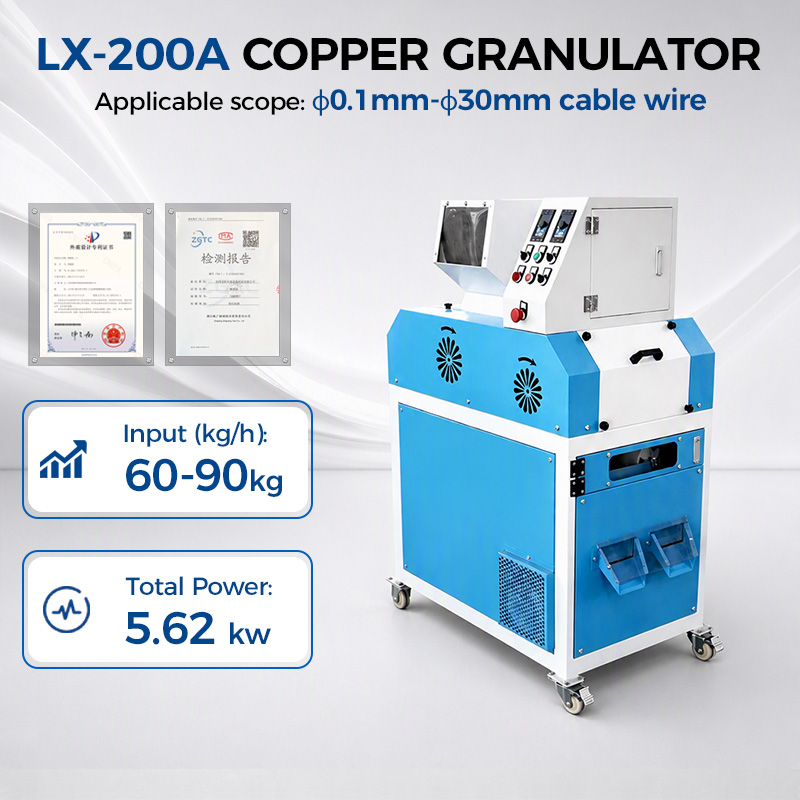
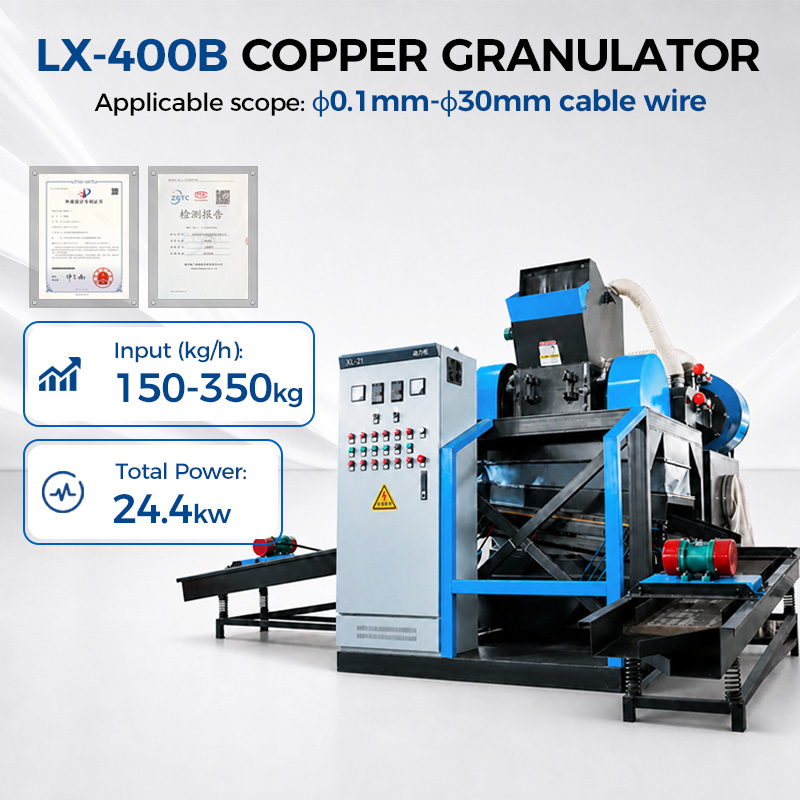
Capacity: Determine the granulator's processing capacity, which should align with your production needs. Higher capacities may be necessary for larger operations.
Separation Technology: Look for models that employ advanced separation techniques, such as air classification or magnetic separation, which can enhance the recovery of valuable materials.
Power Consumption: Energy-efficient models can significantly reduce operating costs. Review the power requirements and consider the long-term energy costs in your evaluation.
Durability: Assess the materials used in the construction of the granulator. High-quality steel and components designed for longevity can minimize downtime and maintenance needs.
Customization Options: Many manufacturers provide customization capabilities to meet specific operational requirements. Ensure you discuss your unique needs with potential suppliers, including options like the Shredding Machine for preprocessing materials.
User-Friendly Features: Consider models with intuitive controls and monitoring systems that simplify operation and maintenance.
By carefully comparing these features, you can choose a scrap wire granulator that not only fits your budget but also meets your operational requirements efficiently.
In summary, selecting the right scrap wire granulator involves careful consideration of supplier reliability, cost evaluation, sourcing options, common operational issues, and key features of different models. By leveraging the insights provided in this guide, B2B buyers can make informed decisions that enhance their recycling operations and ensure optimal performance.
 EN