Choosing the Right Shredding Machine for Your Needs

application/shredding-machine, application/shredding-machine, 
Inquiry
Inquiry

shredding machine

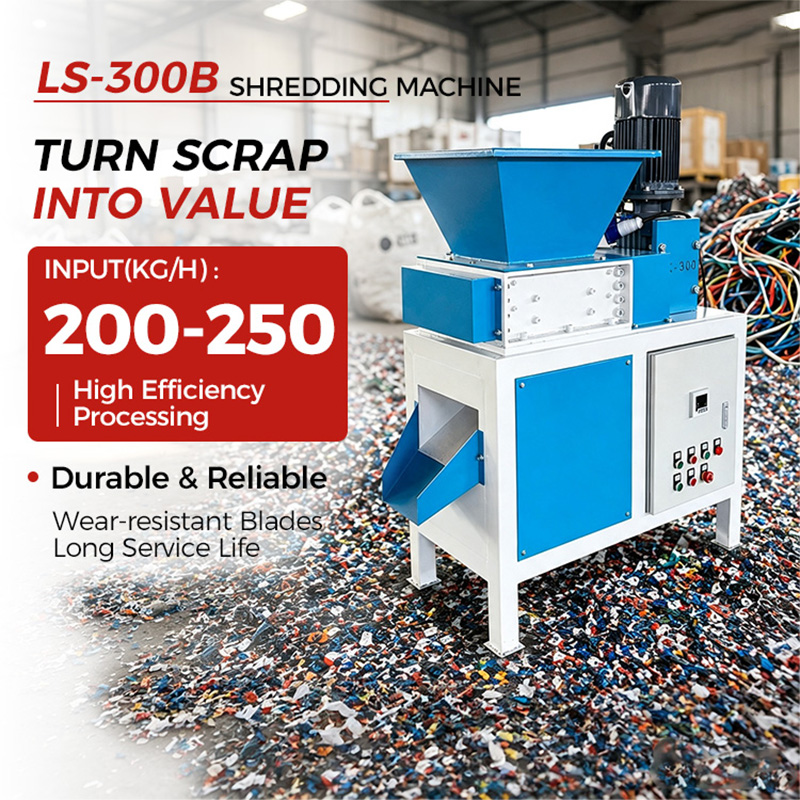
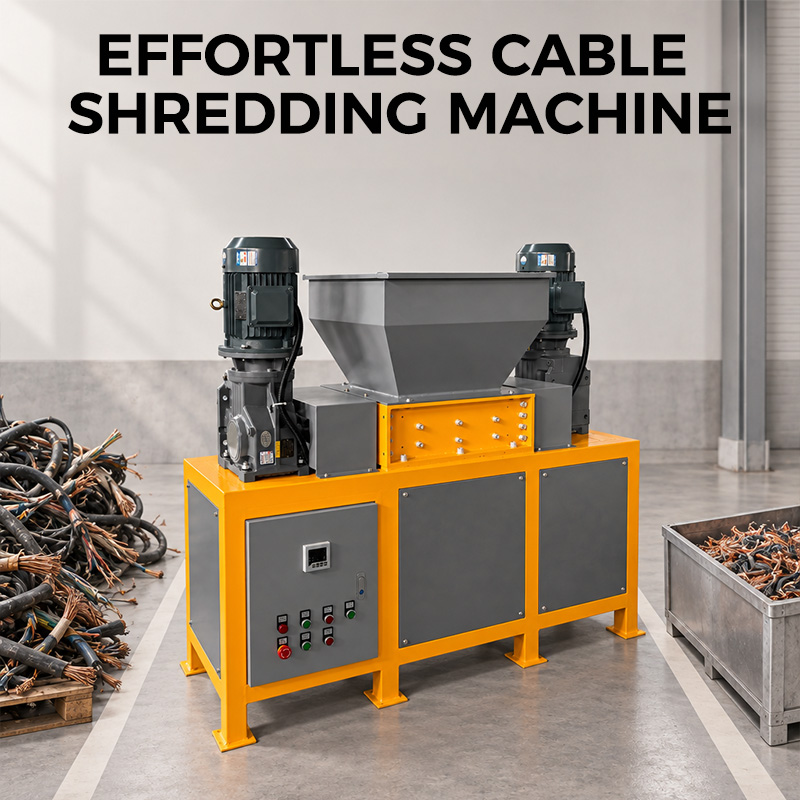
Shredding machines play a crucial role in the recycling and waste management industries, enabling businesses to effectively reduce the size of materials such as waste cables and metals. For purchasing managers and engineers, understanding the essential features and specifications of shredding machines is vital to ensure they select the right equipment for their unique requirements. This article will guide you through key considerations when evaluating shredding machines, from selecting the right model to installation guidance and diverse applications across industries. For more information on the types of machines available, such as our Shredding Machine, continue reading.

How to Choose the Right Shredding Machine for Your Project

How to Choose the Right Shredding Machine for Your Project

Selecting the appropriate shredding machine involves a thorough understanding of your specific project requirements. Begin by identifying the materials you will be shredding. Different materials require different shredding technologies; for instance, if you're shredding electronic waste, a specialized machine designed to handle circuit boards and metals, like our Electrostatic Separator, may be necessary.

Consider the machine's size and footprint, especially if space is a constraint in your facility. Compact machines can be effective in smaller operations, while larger models may be required for extensive production lines. Additionally, assess the necessary features for your project, such as automated feed systems, noise reduction capabilities, and ease of access for maintenance.

It's also beneficial to engage with suppliers who can provide customization options. This allows you to tailor the shredding machine to your specific operational needs, enhancing efficiency and performance. Be sure to request a demonstration or review case studies from similar industries to gauge effectiveness and suitability.

Comparing Shredding Machine Specifications for Bulk Orders

Comparing Shredding Machine Specifications for Bulk Orders

When considering bulk orders for shredding machines, it's crucial to compare specifications meticulously. Key specifications include:

Motor Power: This directly influences the shredding capability and speed. A higher motor power typically translates to better performance but may also result in increased energy costs.Shred Size: Different projects require different shred sizes. Machines often come with adjustable settings that allow you to customize the output size according to your processing needs.Feed Width: The width of the feed opening will determine the size of materials that can be processed. Ensure that it accommodates your typical input materials for optimal efficiency.Weight and Dimensions: For practical reasons, consider the weight and overall dimensions of the machine, particularly concerning transportation and installation. Additionally, when dealing with bulk orders, inquire about pricing structures, lead times, and warranty terms. Having detailed discussions with manufacturers about their production capabilities will provide insights into their reliability and ability to meet your demands.
Installation Guidance for Your New Shredding Machine

Installation Guidance for Your New Shredding Machine

Proper installation of your shredding machine is crucial for optimal performance and safety. Begin by selecting the right location that allows for adequate space, ventilation, and access to power sources. It's advisable to consult the manufacturer's installation manual, which usually provides specific guidelines tailored to the model you have chosen.

Ensure that the site is prepared with the necessary infrastructure, including a stable foundation and proper electrical connections. Before installation, it may be beneficial to conduct a site visit with a technician from the supplier to address any potential issues and confirm that all requirements are met.

After installation, conduct a thorough inspection and run test cycles to ensure that the machine operates smoothly. Regular maintenance checks should be scheduled to monitor performance and address wear and tear proactively. This will help extend the lifespan of the shredding machine and ensure consistent output quality.

Applications of Shredding Machines in Various Industries

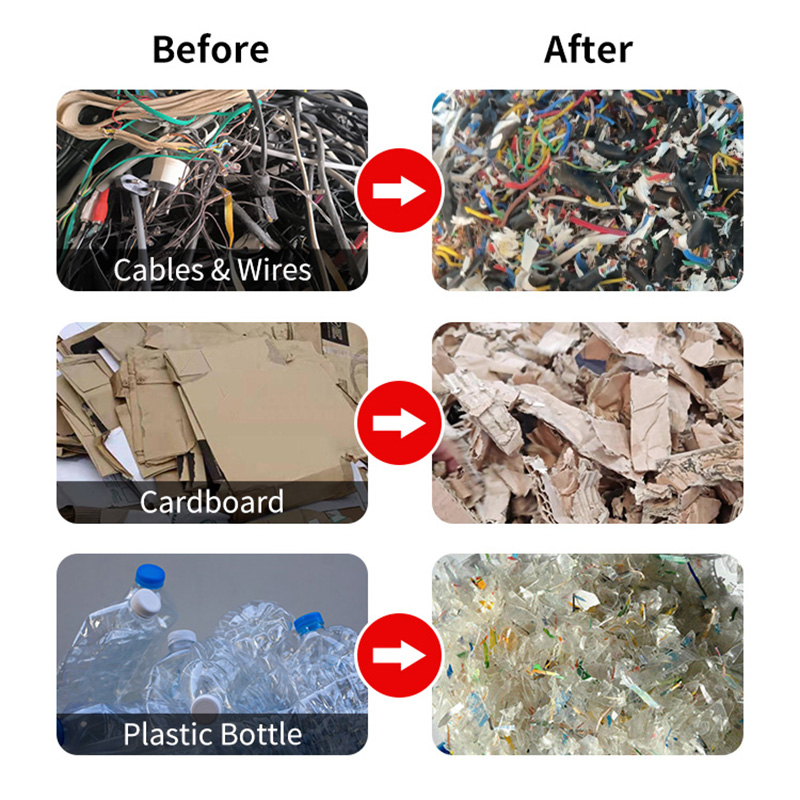
Shredding machines serve a multitude of applications across various industries. In the recycling sector, they are primarily utilized to process waste materials, enabling effective recycling of metals, plastics, and electronic waste. For example, in the electronics industry, shredding machines are essential for disassembling old devices and recovering valuable components and metals.

In the construction industry, shredding machines can handle demolition debris, such as concrete and wood, facilitating easier disposal and recycling. Moreover, the automotive industry utilizes shredders for recycling old vehicles, allowing for the recovery of metals and other materials.

Furthermore, shredding machines are increasingly being integrated into waste-to-energy plants, where they help convert waste into energy sources. Each application requires a tailored approach, and understanding the specific needs of your industry will inform your choice of the most suitable shredding machine.

Selecting the right shredding machine is a multifaceted process that involves understanding your specific application, evaluating machine specifications, and ensuring proper installation. By prioritizing quality and engaging with experienced suppliers like Hangzhou Lansing Machinery Co., Ltd., you can enhance your operational efficiency and contribute to effective waste management and recycling practices.

Understanding What to Look for in a Quality Shredding Machine

When assessing shredding machines, several critical features should be prioritized. First, consider the machine's cutting mechanism—whether it employs single or dual shaft technology. Single shaft shredders tend to work well for softer materials, whereas dual shaft options are better suited for tougher materials, including metals and cables.

Next, evaluate the machine's capacity and throughput. This will depend on the volume of waste you plan to process daily. It's important to match your shredding machine's performance with your operational needs to avoid bottlenecks in production. Additionally, consider the power consumption of the machine, which can significantly impact operational costs over time.

Durability is another essential factor. Shredding machines experience high wear and tear due to their operational nature, so opting for machines made from high-quality materials and equipped with robust safety features is advisable. Check for certifications or quality control measures that ensure reliability and safety during operation.

Get a Free Quote

Tell us about your recycling needs, and our team will recommend the right equipment and solution for your project.
0/1000