Circuit Board Recycling Solutions for Efficient Operations

application/circuit-board-recycling, application/circuit-board-recycling, 
Inquiry
Inquiry

circuit board recycling

Circuit board recycling is an essential process for managing electronic waste and recovering valuable materials. As industries increasingly prioritize sustainability, the demand for efficient circuit board recycling solutions has grown. However, B2B buyers often face concerns regarding equipment specifications, supplier reliability, and installation processes. This article will guide you through the critical aspects of selecting circuit board recycling solutions, ensuring that you can make informed purchasing decisions.

What to Look for in Recycling Equipmen

Selecting the right recycling equipment involves careful consideration of various factors beyond specifications. Here are key elements to examine:

Quality and Durability: The equipment should be robust enough to withstand continuous operation in a demanding environment. Consider the materials used in construction and the manufacturer's track record for durability.

Ease of Maintenance: Choose equipment that is designed for easy maintenance and serviceability. This can reduce downtime and associated costs. Check for warranties and the availability of replacement parts.

Customization Options: Depending on your operational needs, you may require custom solutions tailored to your specific recycling processes. Discuss customization capabilities with potential suppliers to ensure they can meet your requirements.

Compliance and Certifications: Verify that the equipment meets relevant industry standards and certifications. Compliance with environmental regulations and safety standards is critical to avoid legal issues and maintain operational integrity.

User-Friendly Interface: The equipment should have an intuitive control system that allows operators to easily monitor and adjust settings. This can lead to improved efficiency and reduced operational errors. For example, the LS-600B 22 kW Dual-Shaft Shredder for Waste Pre-Processing features a user-friendly interface.

Where to Source Reliable Circuit Board Recycling Suppliers

Finding a trustworthy supplier is vital for ensuring that you receive high-quality circuit board recycling equipment. Here are some strategies to locate reliable suppliers:

Industry Associations: Joining industry-specific associations can connect you with reputable suppliers. These organizations often have directories or resources that list certified manufacturers.

Trade Shows and Expositions: Attending industry trade shows allows you to see the latest technologies in action and interact directly with manufacturers. This face-to-face engagement can help you evaluate the supplier’s expertise and product offerings.

Online Research: Leverage online platforms and directories to compare suppliers based on reviews, ratings, and their experience in the circuit board recycling sector. Websites like LinkedIn can also provide insights into supplier reputations.

Request Recommendations: Network with industry peers or consult with professionals who have experience in circuit board recycling. Their recommendations can guide you toward trustworthy suppliers.

Evaluate Supplier Experience: Assess the supplier’s experience in the market, including their history, client base, and technological advancements. A supplier with a strong track record is more likely to provide reliable equipment and support.

Bulk Order Considerations for Circuit Board Recycling Equipmen

When planning to purchase circuit board recycling equipment in bulk, there are several considerations to keep in mind:

Minimum Order Quantity (MOQ): Understand the supplier’s minimum order requirements and how they align with your needs. Some suppliers may offer discounts for larger orders, while others may have strict MOQ policies.

Pricing Structure: Inquire about pricing tiers based on order volume. Bulk purchasing can sometimes lead to significant cost savings, but ensure you confirm the pricing structure before placing an order.

Lead Time: Clarify the lead times for bulk orders, as this can vary significantly between suppliers. It's important to align delivery timelines with your operational schedule to avoid disruptions.

Payment Terms: Negotiate favorable payment terms, such as installment payments or credit options, especially for large orders. This can help manage cash flow and financial planning.

Shipping and Handling: Discuss shipping logistics, including the costs and methods of transportation. Ensure that the supplier can accommodate your delivery requirements, including international shipping if necessary.

Installation Guidance for Efficient Circuit Board Recycling Systems

Proper installation of circuit board recycling systems is crucial for maximizing efficiency and performance. Here are important considerations for a successful installation:

Site Assessment: Conduct a thorough site assessment to determine the optimal location for the recycling equipment. Consider factors such as space, access to utilities, and safety requirements.

Professional Installation Services: Engage experienced professionals for the installation process. Proper installation ensures that equipment is set up correctly and can help prevent operational issues down the line.

Training for Operators: Provide comprehensive training for operators to ensure they understand how to use and maintain the equipment effectively. This training should cover safety protocols, operational procedures, and troubleshooting techniques.

Testing and Calibration: After installation, perform testing and calibration to verify that the equipment operates as expected. This step is critical in identifying any potential issues before full-scale operations begin.

Ongoing Support: Establish a relationship with the supplier for ongoing support and maintenance. Regular maintenance checks can enhance the longevity and efficiency of the equipment.

By carefully considering these aspects, you can make informed decisions regarding circuit board recycling solutions, leading to more efficient operations and better resource recovery.

Specifications to Consider for Circuit Board Recycling Solutions

When evaluating circuit board recycling solutions, several specifications are crucial to ensure effective material recovery and recycling efficiency. Key specifications to assess include:

Processing Capacity: This refers to the volume of circuit boards the equipment can handle in a given timeframe. It’s essential to match this capacity with your production demands to avoid bottlenecks or underutilization.

Material Compatibility: Different circuit boards may contain various materials, including metals, plastics, and ceramics. Ensure that the recycling equipment is designed to process the specific types of circuit boards you handle. For example, some machines may excel at recovering precious metals like gold and silver, while others may focus on maximizing plastic recovery.

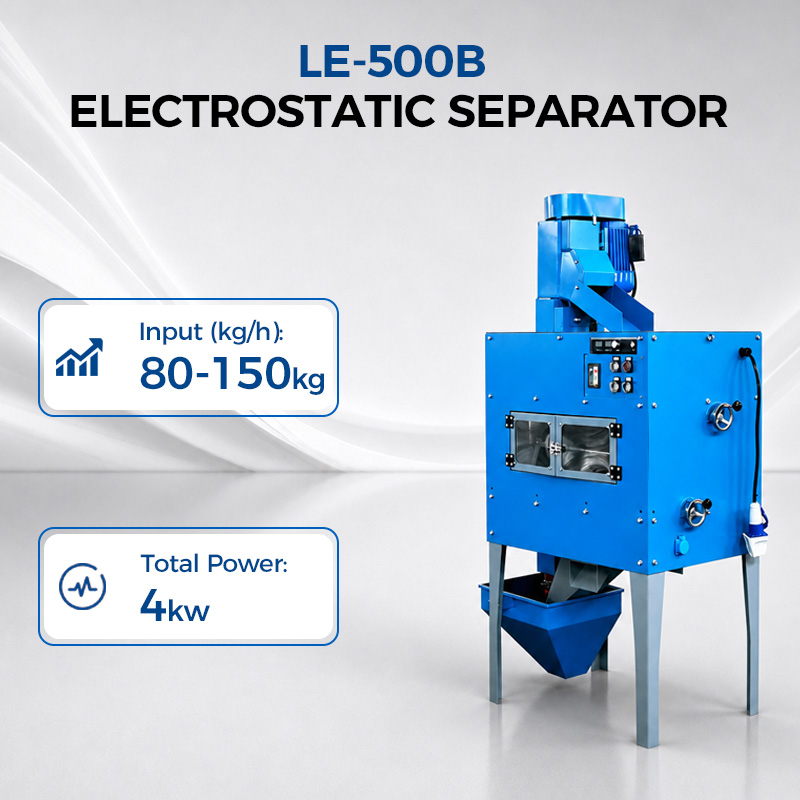
Technology Type: The technology employed in the recycling process (e.g., mechanical shredding, chemical separation, or thermal treatment) will impact the efficiency and purity of recovered materials. Familiarize yourself with the advantages and limitations of each technology to select the most suitable one for your needs. For instance, the LE-500B Electrostatic Separator for Copper and Plastic Recovery is designed for efficient separation of materials.

Energy Efficiency: Look for equipment that offers energy-efficient operations to reduce overall operational costs and environmental impact. Energy consumption can significantly affect the profitability of recycling operations.

Safety Features: Given the hazardous materials often found in electronic waste, the equipment should include safety features such as dust suppression systems and protective enclosures to protect operators.

Get a Free Quote

Tell us about your recycling needs, and our team will recommend the right equipment and solution for your project.
0/1000