Wholesale Scrap Shredder Solutions for Recycling

application/scrap-shredder, application/scrap-shredder, 
Inquiry
Inquiry

scrap shredder

The scrap shredder is a vital piece of equipment for recycling operations, specifically designed to process various materials, including metals and waste cables. For purchasing managers and engineers, selecting the right shredder involves understanding its capabilities, specifications, and potential challenges. This article aims to provide comprehensive insights into scrap shredders, addressing key buyer concerns, specifications to consider, common problems and solutions, and cost factors associated with purchasing these machines.

Key Specifications to Consider When Buying Scrap Shredders

When considering a scrap shredder, several key specifications should be evaluated to ensure optimal performance. These include:

Cutting Width and Blade Design: The cutting width determines the size of the material that can be processed. Different blade designs can affect the shredding efficiency and the final size of the output material.

Motor Power: The motor's horsepower is a critical factor, influencing the shredder's capacity to handle tough materials. A more powerful motor can process larger volumes and denser materials more effectively.

Throughput Capacity: This specification indicates how much material the shredder can process in a given time frame, which is essential for meeting production targets.

Durability and Material Construction: The construction material of the shredder impacts its longevity and maintenance needs. High-quality steel components, such as those used in our Copper Granulator, are often preferred for their resistance to wear and tear.

Safety Features: Look for shredders equipped with safety mechanisms to protect operators during use, such as emergency stop buttons and protective covers.

Understanding these specifications will help ensure that the shredder you select meets the operational demands of your facility and aligns with your overall recycling strategy.

What Buyers Should Know

Before purchasing a scrap shredder, buyers should consider the following aspects:

Application Suitability: Ensure that the shredder you choose is appropriate for the specific materials you will process. Different applications may require specialized shredders, such as those designed for metal versus those for cable waste.

Customization Options: Many manufacturers offer customization to meet unique operational needs. Be prepared to discuss your specific requirements, such as desired output size and processing volume.

Lead Times: Manufacturing and delivery lead times can vary significantly based on the complexity of the shredder and the manufacturer’s production schedule. Request this information early to avoid delays in your recycling operations.

Support and Maintenance: Consider the level of after-sales support provided by the manufacturer, including training, maintenance services, and availability of spare parts.

Sample Approval: Before committing to a large order, request a sample unit to evaluate its performance under your specific conditions. Testing a sample can help confirm that the shredder will meet your operational needs effectively.

Common Problems with Scrap Shredders and Proven Solutions

Despite their robust design, scrap shredders can encounter issues that may affect performance. Here are some common problems and effective solutions:

Overheating: This can occur due to excessive load or inadequate cooling. To mitigate this, ensure that the shredder is not running beyond its rated capacity and that cooling systems are operational. Regular maintenance checks can help identify potential overheating issues before they escalate.

Blade Wear: Dull blades can lead to inefficient shredding and increased wear on the motor. Schedule regular blade inspections and maintenance, and consider using high-quality blades designed for longevity.

Material Jams: Jamming can occur when materials are too large or improperly fed into the shredder. Train operators on proper feeding techniques and implement a pre-shredding process to reduce material size when necessary.

Electrical Issues: Electrical malfunctions can halt operations. Ensure all electrical connections are secure and regularly inspected by qualified personnel to prevent issues.

By proactively addressing these common problems, operators can maintain optimal performance and minimize downtime.

Cost Factors to Consider When Purchasing Scrap Shredders

When budgeting for a scrap shredder, various cost factors should be taken into account:

Initial Purchase Price: This is often the most significant upfront cost. However, it’s important to consider the total cost of ownership, including maintenance and operational costs.

Operational Costs: These include energy consumption, which can vary significantly based on the shredder's power and efficiency. Opting for energy-efficient models can lead to substantial savings over time.

Maintenance and Repair Costs: Regular maintenance is essential for keeping shredders operational. Factor in both scheduled maintenance costs and potential repair costs for any unforeseen issues.

Customization Fees: If customization is required, be aware that this could increase the overall cost. Discuss customization options early to ensure that any additional costs are included in your budget.

Shipping and Installation Costs: Don’t forget to include the costs associated with shipping the shredder to your facility and any installation services needed to get it up and running.

Understanding these cost factors will help you make a more informed purchasing decision, ensuring that you select a shredder that fits your budget while meeting your operational needs.

The insights provided aim to equip potential buyers with essential knowledge regarding scrap shredders, enabling them to make informed purchasing decisions that align with their operational goals.

Wholesale Scrap Shredder Solutions for Efficient Material Processing

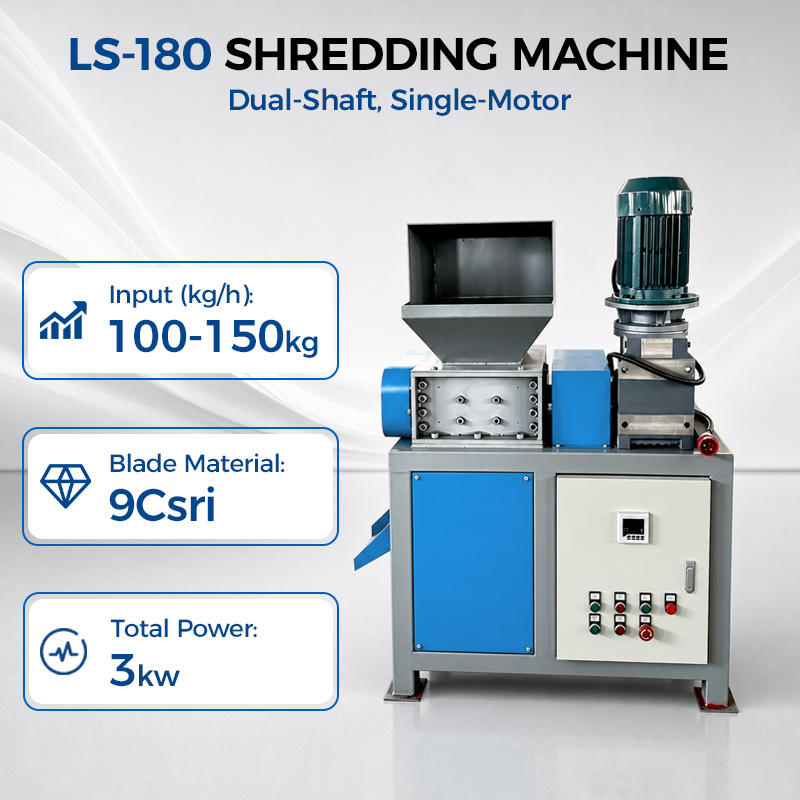
At Hangzhou Lansing Machinery Co., Ltd., our scrap shredders are engineered for efficiency and durability, making them ideal for a variety of recycling operations. These machines can handle diverse materials, including waste cables and various metals, effectively reducing them to manageable sizes for further processing. Our integrated approach ensures that buyers receive tailored solutions, from the initial design phase to after-sales support. For instance, our Shredding Machine is particularly noted for its versatility in handling different materials.

Our scrap shredders come in different configurations, allowing for customization based on the specific needs of your operation. For example, the choice of blade design and motor power can significantly influence the machine's efficiency and output. Additionally, our shredders are designed to minimize operational noise and energy consumption, which are critical factors for many businesses today.

Get a Free Quote

Tell us about your recycling needs, and our team will recommend the right equipment and solution for your project.
0/1000