Choosing the Right Scrap Copper Wire Stripper

application/scrap-copper-wire-stripper, application/scrap-copper-wire-stripper, 
Inquiry
Inquiry

scrap copper wire stripper

A scrap copper wire stripper is an essential piece of equipment for businesses involved in recycling and processing waste cables. This machinery efficiently removes insulation from copper wire, enabling the recovery of valuable copper for resale or reuse. As a B2B buyer, your primary concerns may include the stripper's efficiency, durability, and compatibility with your specific recycling processes. In this context, considering options such as the LE-500B Electrostatic Separator for Copper and Plastic Recovery can be beneficial. We will explore what to consider when selecting a reliable scrap copper wire stripper supplier, how to choose the right machine for your needs, common issues faced during operation, and the various applications across different industries.

How to Choose the Right Scrap Copper Wire Stripper for Your Needs

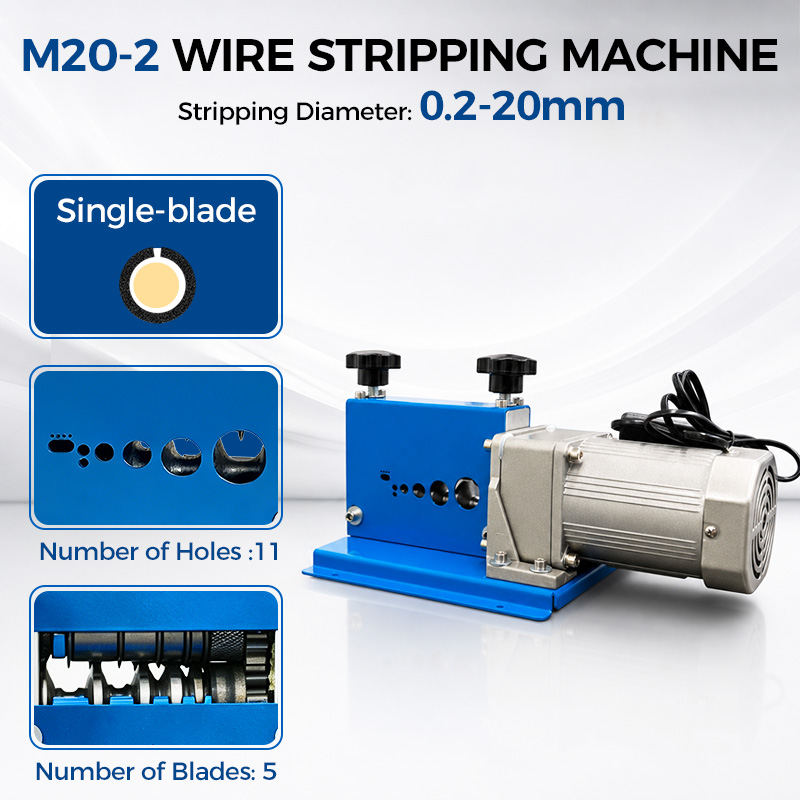
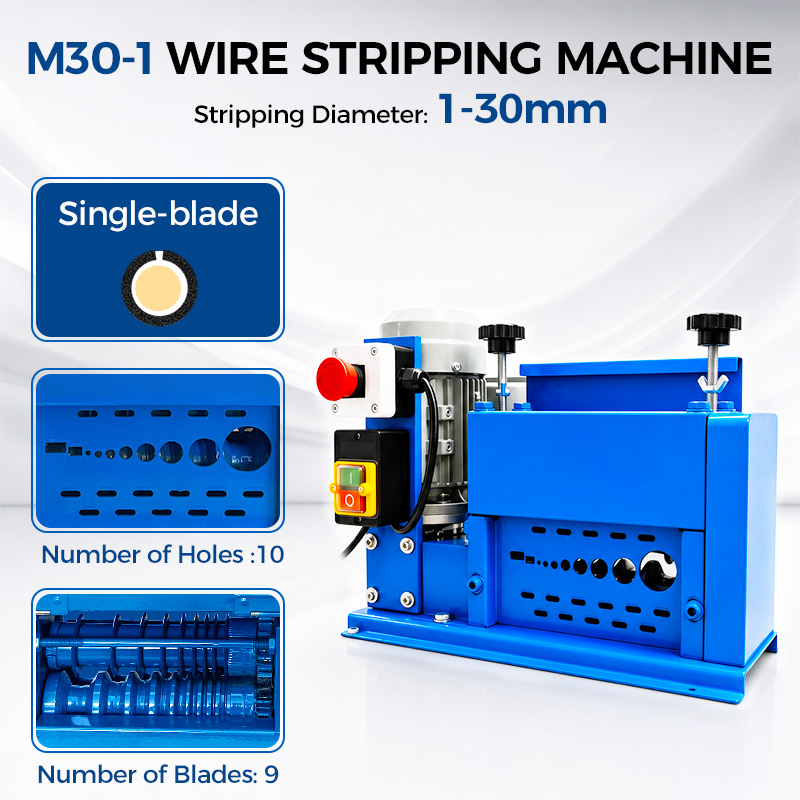
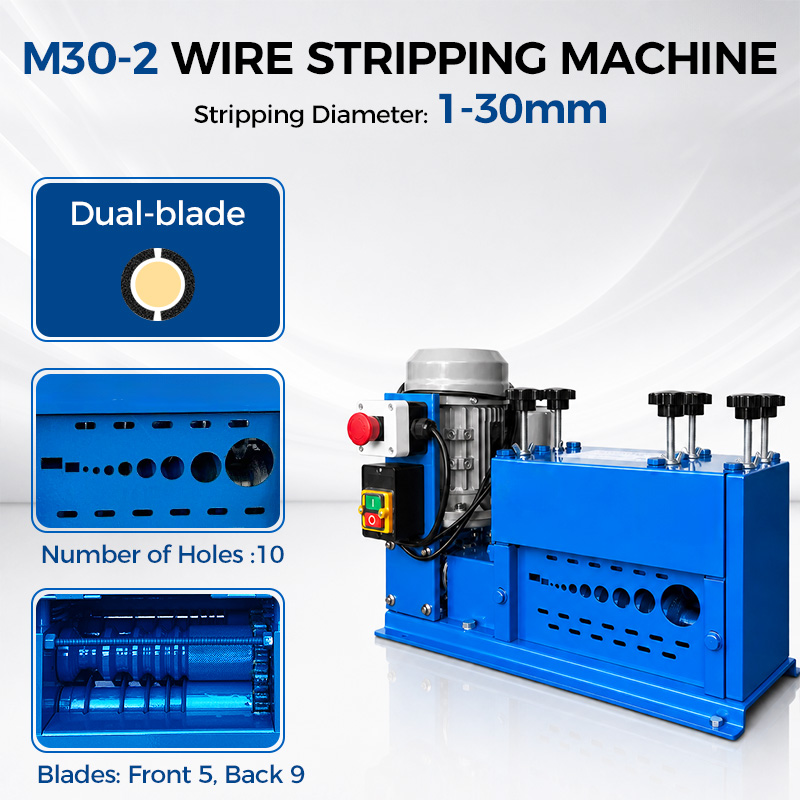
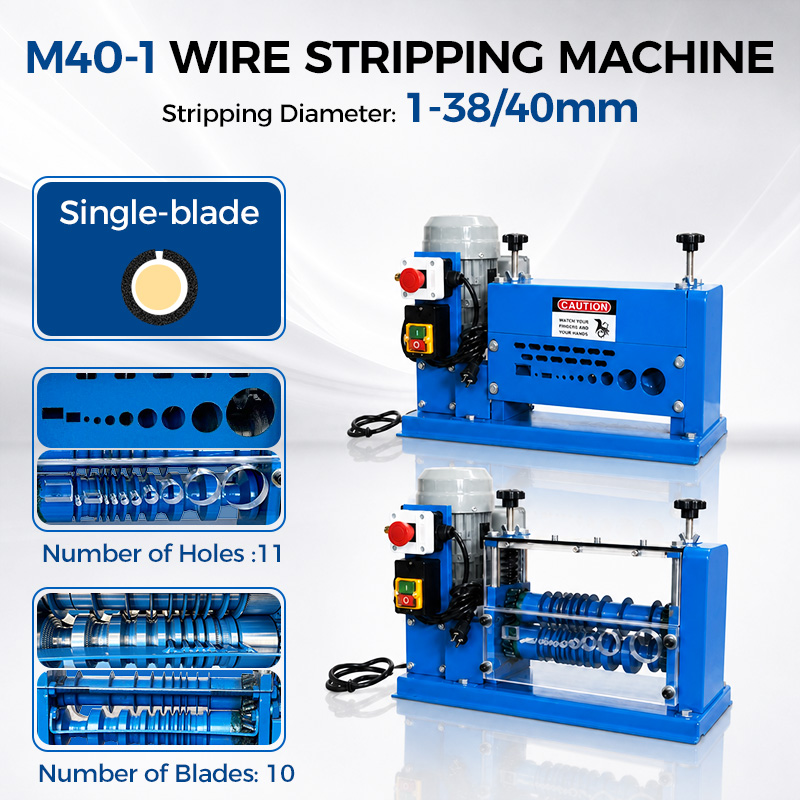
Selecting the right scrap copper wire stripper involves understanding your specific operational needs and the characteristics of the equipment available. Start by determining the types of wire you will be processing. Different strippers are designed for various wire gauges and insulation materials. A precise matching of machine specifications with your material requirements is crucial for optimal performance.

Consider the stripping speed and efficiency of the machine, as these will directly affect your productivity. For instance, a machine with a higher processing capacity may prove more cost-effective in the long run, especially if you handle large volumes of wire.

Another essential factor is the ease of use and maintenance of the stripper. Machines that are user-friendly and require minimal downtime for maintenance can enhance overall operational efficiency. Finally, check the supplier's warranty and service options to ensure you have support in case of equipment failure.

Common Problems with Scrap Copper Wire Strippers and Their Solutions

Despite their robust design, scrap copper wire strippers can encounter several common issues. One frequent problem is wire jamming, which can occur when the insulation does not strip cleanly or when the wire gauge exceeds the machine’s specifications. To mitigate this issue, ensure that you are using the appropriate machine for the wire types you process and regularly check for wear on cutting blades.

Another common issue is inconsistent stripping quality, which can result from dull blades or improper machine settings. Regular maintenance, including blade replacement and calibration of settings, is crucial to maintaining consistent performance.

Additionally, overheating can be a concern, particularly during extended use. Implementing a cooling system or scheduling regular breaks during operation can help prevent overheating and extend the machine's lifespan.

Applications of Scrap Copper Wire Strippers in Various Industries

Scrap copper wire strippers are utilized across several industries, making them versatile tools in the recycling ecosystem. In the electronics industry, they are essential for processing end-of-life electronics, allowing the recovery of copper from cables and circuit boards. Similarly, in the automotive sector, where numerous wiring harnesses are present, wire strippers help reclaim valuable copper from scrapped vehicles.

Construction and demolition companies also benefit from these machines, as they often handle large amounts of wiring from decommissioned buildings. By efficiently stripping copper from waste cables, these businesses can reduce disposal costs and generate additional revenue from recycled materials.

Moreover, in the renewable energy sector, particularly in solar and wind power installations, scrap copper wire strippers play a crucial role in recycling cables from outdated or damaged systems, contributing to sustainable practices.

Comparing Features of Leading Scrap Copper Wire Strippers in the Marke

When evaluating the leading scrap copper wire strippers available, it's essential to compare their features and specifications. Key aspects to consider include:

Processing Capacity: Machines can vary significantly in terms of the volume of wire they can handle per hour. Assess your operational needs to find a machine that meets your capacity requirements.

Material Compatibility: Ensure the stripper is designed to handle the types of insulation materials you commonly encounter. Some machines excel with specific materials, which can enhance stripping efficiency.

Ease of Use: Look for user-friendly interfaces and adjustable settings that allow operators to quickly adapt the machine for different wire types.

Durability and Build Quality: A robust build can withstand the rigors of continuous use. Investigate the materials used in construction and whether the machine is designed for easy maintenance.

Safety Features: Safety mechanisms such as emergency stops and guards are essential for protecting operators during the stripping process.

By comparing these features among various models, buyers can make informed decisions that align with their operational goals.

In summary, selecting the right scrap copper wire stripper involves understanding your specific needs, evaluating suppliers, and knowing the common issues that can arise. By considering the versatility of applications and comparing features, you can significantly enhance your recycling operations while ensuring a reliable return on investment.

What to Look for in a Reliable Scrap Copper Wire Stripper Supplier

When searching for a scrap copper wire stripper supplier, focus on a few key aspects to ensure you choose a reliable partner. First, assess the manufacturer’s experience and reputation in the recycling equipment market. A company like Hangzhou Lansing Machinery Co., Ltd., which has integrated manufacturing and global sales capabilities, can provide valuable insights and support.

Next, evaluate the supplier’s product offerings. Look for a variety of models with different capacities and features to match your specific requirements. It's also wise to inquire about customization capabilities, as some operations may need tailored solutions for their unique processing needs. For example, the LX-400C Fully Enclosed Copper Wire Granulator could be a great addition depending on your needs.

Quality control is another critical aspect. A trustworthy supplier should have established quality assurance processes and certifications that guarantee their products meet industry standards. Finally, consider their customer service and after-sales support, as these factors can significantly impact your operational efficiency.

Get a Free Quote

Tell us about your recycling needs, and our team will recommend the right equipment and solution for your project.
0/1000