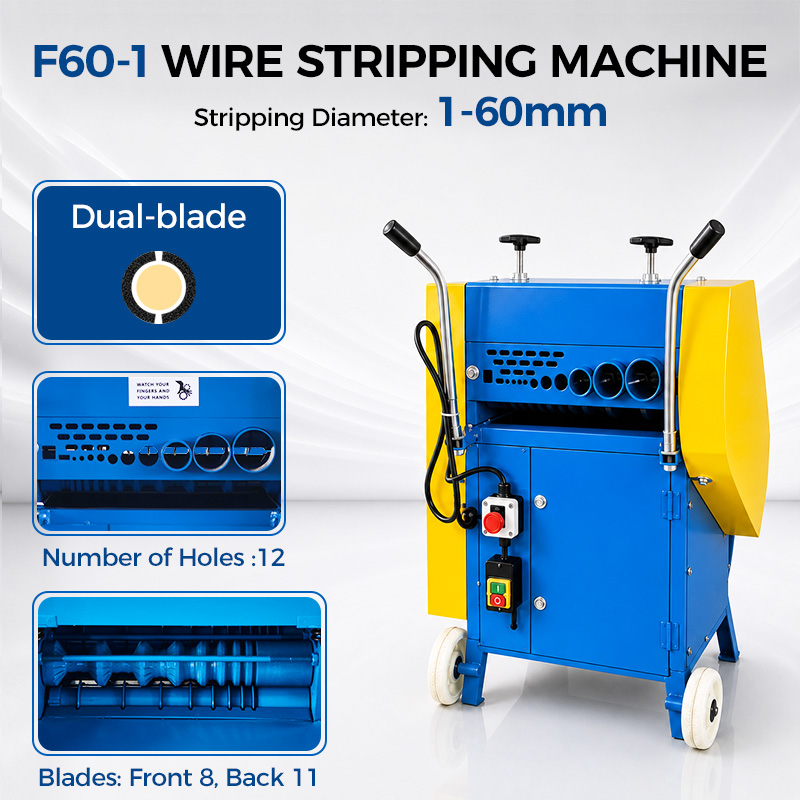
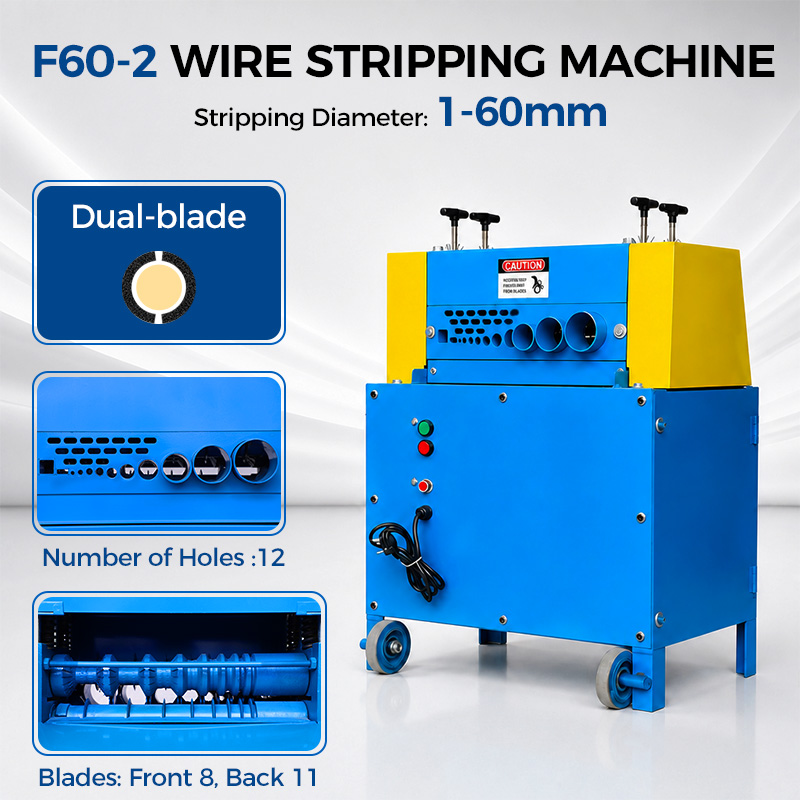
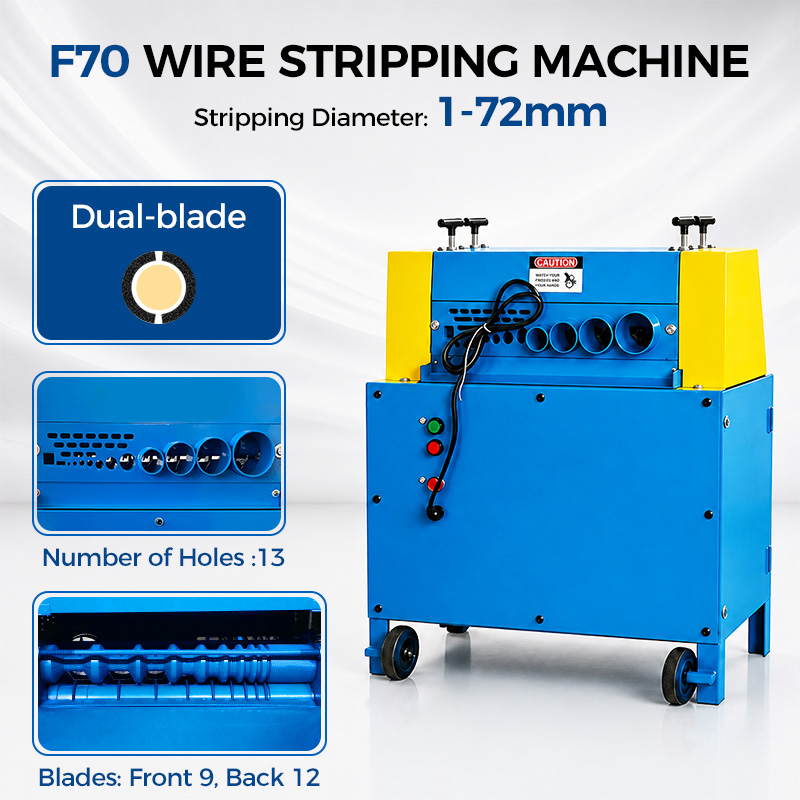
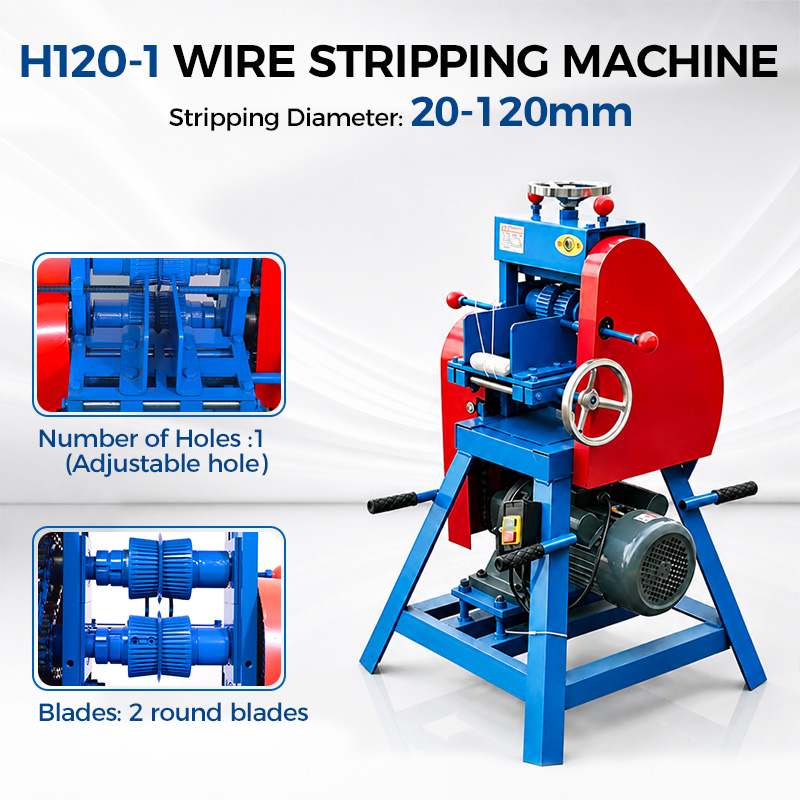
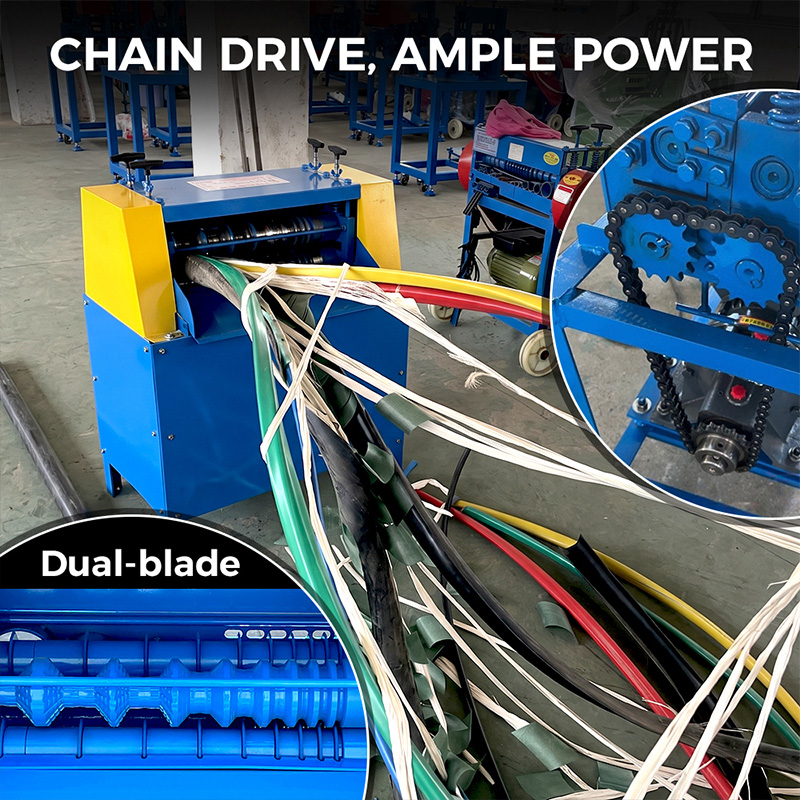
Large Cable Stripping Machines for Efficient Recycling

application/large-cable-stripping-machine, application/large-cable-stripping-machine, 
Inquiry
Inquiry

large cable stripping machine

Large cable stripping machines are essential tools in the recycling and manufacturing sectors, specifically designed to efficiently remove insulation from various types of cables. For B2B buyers, particularly purchasing managers and engineers, the main concerns include performance efficiency, long-term reliability, and cost-effectiveness of these machines. This article will provide insights into the key specifications, common problems, cost considerations, installation guidelines, and various applications of large cable stripping machines, helping buyers make informed decisions.

Common Problems with Cable Stripping Machines and Their Solutions

Common Problems with Cable Stripping Machines and Their Solutions

While large cable stripping machines are designed for durability and efficiency, they can encounter several common problems that may hinder performance. Here are some typical issues and their potential solutions:

Jamming: This occurs when cables become lodged in the machine, often due to improper loading or the presence of foreign materials. Regular maintenance and ensuring cables are free of contaminants can mitigate this issue. Operators should also be trained to load cables correctly.

Inconsistent Stripping Quality: Variability in insulation removal can arise from dull blades or incorrect machine settings. Regularly inspecting and sharpening blades, as well as calibrating machine settings based on cable type, can enhance stripping quality.

Electrical Failures: Machines can suffer from electrical issues due to improper wiring or overloads. Routine electrical inspections and ensuring that the machine operates within its designated power range can prevent failures.

Wear and Tear: Over time, components such as belts and gears may wear out. Establishing a regular maintenance schedule that includes checking and replacing worn parts will prolong the machine's lifespan and maintain its efficiency.

By being aware of these issues and implementing preventive measures, buyers can ensure their cable stripping machines operate smoothly and efficiently. For additional solutions and advanced machines, consider the LX-400A 100-250kg/h Copper Wire Granulator with Dual Screening, which offers enhanced performance.

Cost Factors to Consider When Purchasing Large Cable Stripping Machines

Cost Factors to Consider When Purchasing Large Cable Stripping Machines

The cost of large cable stripping machines can vary significantly based on several factors, which buyers should consider carefully to ensure they make a financially sound investment:

Initial Purchase Price: This is the most obvious cost. However, it is essential to compare machines not only based on price but also on features and long-term value. A cheaper machine may lead to higher operational costs if it requires frequent repairs or has lower efficiency.

Operating Costs: These include power consumption, maintenance, and potential downtime costs. Machines with higher efficiency and automation features may have higher upfront costs but can save money over time through lower operational expenses.

Customization: If a machine needs to be customized to meet specific operational needs, this can increase the overall cost. Buyers should evaluate whether customization is necessary and how it will impact the budget.

Warranty and Support: A robust warranty and reliable after-sales support can reduce long-term costs associated with repairs and maintenance. Buyers should factor in the cost of extended warranties or service agreements when comparing options.

Shipping and Installation: Additional costs may arise from shipping the machine to the facility and any installation services required. Understanding these costs upfront can help in budgeting effectively.

By carefully considering these costs, buyers can choose a large cable stripping machine that not only fits their budget but also meets their operational needs efficiently. For instance, the LX-100B 20-30kg/h Copper Wire Granulator with Dust Collection provides cost-effective solutions for smaller operations.

Installation Guidelines for Efficient Use of Cable Stripping Machines

Installation Guidelines for Efficient Use of Cable Stripping Machines

Proper installation of large cable stripping machines is crucial for optimal performance. Here are some guidelines to ensure efficient use:

Site Preparation: Before installation, ensure that the site is adequately prepared. This includes having a flat, stable surface that can support the machine's weight, as well as sufficient space for operation and maintenance access.

Electrical Setup: Verify that electrical connections meet the machine's power requirements. It is advisable to hire a licensed electrician to ensure compliance with local electrical codes and safety standards.

Calibration: After installation, calibration is essential. Adjust the machine settings according to the specific types of cables being processed. This may involve setting the cutting depth and speed to match the insulation material.

Training: Operators should receive comprehensive training on the machine's operation, including how to load cables properly, adjust settings, and perform routine maintenance. This training will help prevent operational issues and enhance safety.

Regular Maintenance Schedule: Implementing a maintenance schedule right from installation can prevent potential downtimes and ensure consistent performance. Regular checks of blades, electrical components, and safety features are vital.

Following these installation guidelines will help maximize the efficiency and longevity of large cable stripping machines, leading to improved productivity.

Applications of Large Cable Stripping Machines in Various Industries

Large cable stripping machines serve a diverse range of industries, making them versatile tools for cable processing. Here are some notable applications:

Recycling Industry: These machines are extensively used in recycling facilities to process waste cables from electronics, telecommunications, and industrial sources. Efficient stripping of insulation allows for the recovery of valuable metals, contributing to sustainable practices.

Manufacturing: In manufacturing environments, cable stripping machines prepare raw materials for assembly lines. They ensure that cables are ready for integration into products by removing insulation quickly and accurately.

Electrical Contractors: Electrical contractors use these machines on job sites to prepare cables for installation. Quick stripping can enhance efficiency on projects and reduce labor time.

Telecommunications: In the telecommunications sector, large cable stripping machines are used to handle various types of cables, ensuring that materials are ready for installation in communication networks.

Automotive Industry: The automotive sector utilizes these machines to process cables used in vehicles, ensuring they conform to specifications and quality standards before assembly.

By understanding the diverse applications of large cable stripping machines, buyers can better assess how these machines can fit into their specific operational needs and contribute to their overall productivity.

Key Specifications to Evaluate in Large Cable Stripping Machines

When selecting a large cable stripping machine, buyers should consider several critical specifications that directly impact performance and compatibility with existing operations.

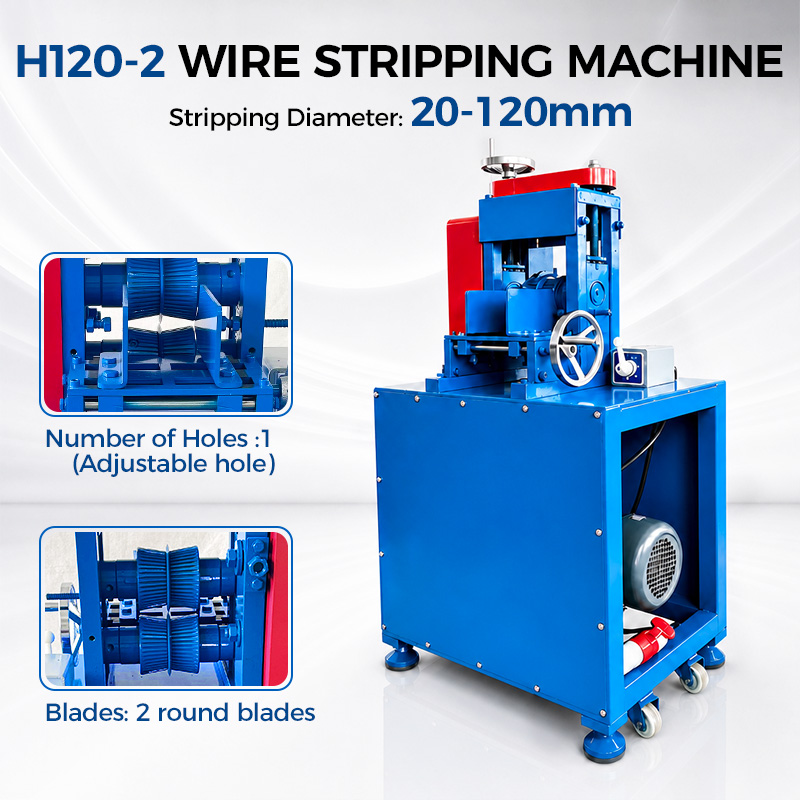
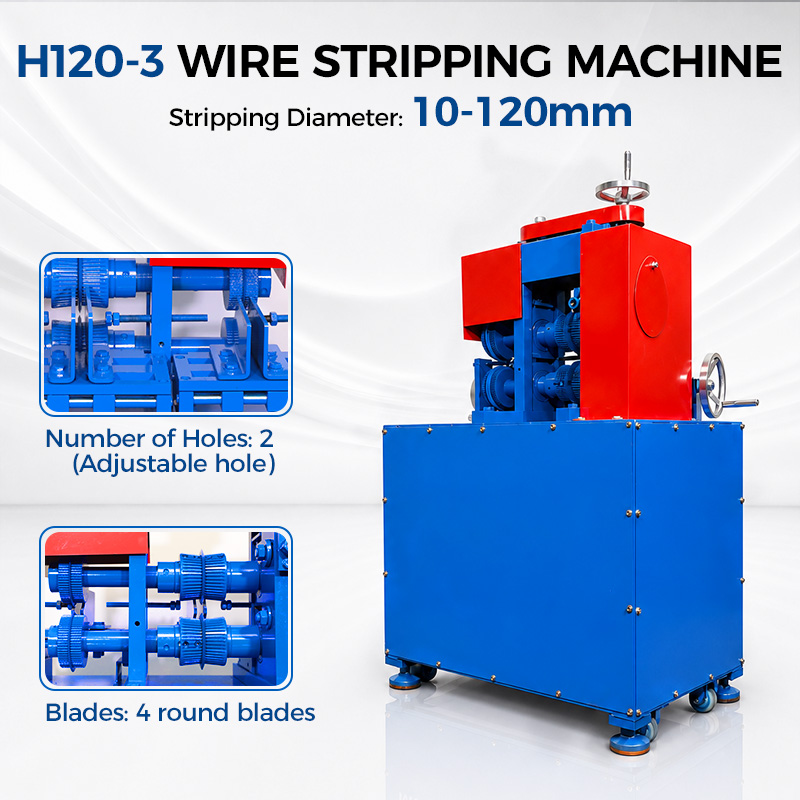
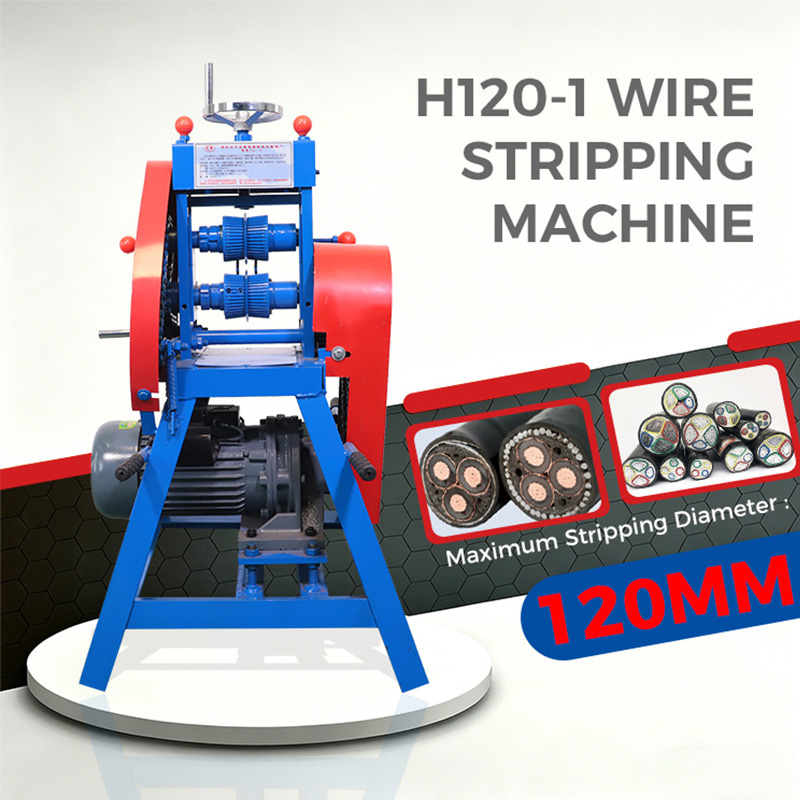
Cutting Capacity: This refers to the maximum diameter of cables that the machine can handle. High-capacity machines can process thicker cables, which is essential for recycling operations dealing with a variety of cable types.

Cutting Speed: Measured in meters per minute, this specification indicates how quickly the machine can strip cable insulation. A higher cutting speed improves productivity, making it a crucial factor for large-scale operations.

Power Requirements: The machine's power consumption can influence operational costs. Buyers should verify the machine's power specifications to ensure they align with their facility's electrical capabilities.

Material and Build Quality: Machines constructed from high-grade materials, such as hardened steel components, provide better durability and longer life cycles. This is essential in industrial applications where consistent performance is required.

Automation Features: Many modern machines offer automation features that enhance efficiency, such as automatic feed mechanisms and digital control systems. These features can reduce labor costs and increase operational precision.

Safety Features: Safety standards are paramount in industrial environments. Buyers should ensure that the machine is equipped with necessary safety features, including emergency stop buttons and protective guards.

Understanding these specifications allows buyers to evaluate machines effectively, ensuring they select a model that meets operational needs and complies with safety standards. For example, the LE-500B Electrostatic Separator for Copper and Plastic Recovery is designed with advanced features tailored for maximum efficiency.

Get a Free Quote

Tell us about your recycling needs, and our team will recommend the right equipment and solution for your project.
0/1000