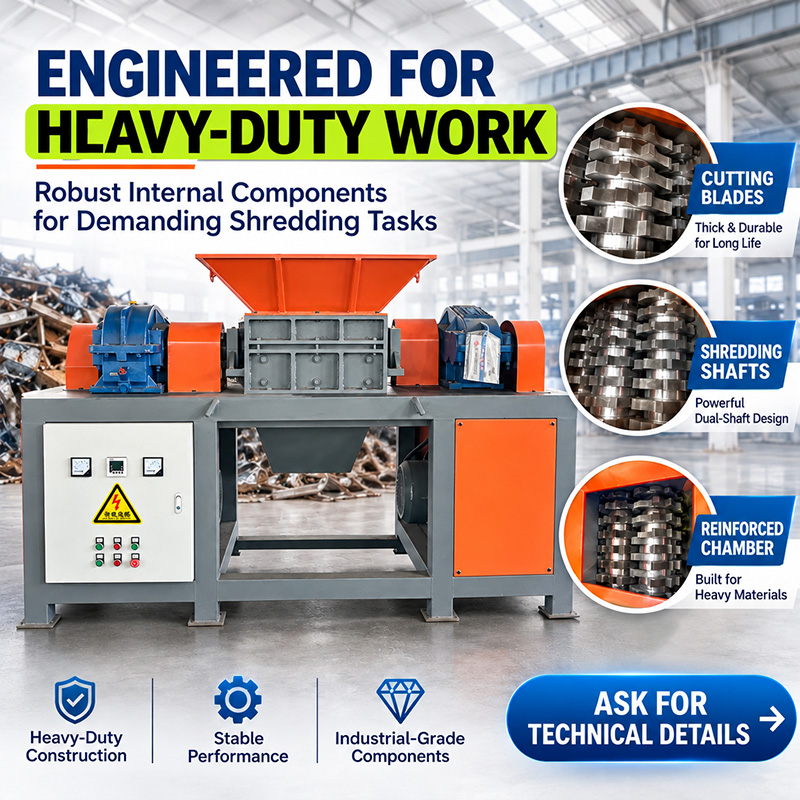
Choosing the Right Heavy Duty Metal Shredder Machine

application/heavy-duty-metal-shredder-machine, application/heavy-duty-metal-shredder-machine, 
Inquiry
Inquiry

heavy duty metal shredder machine

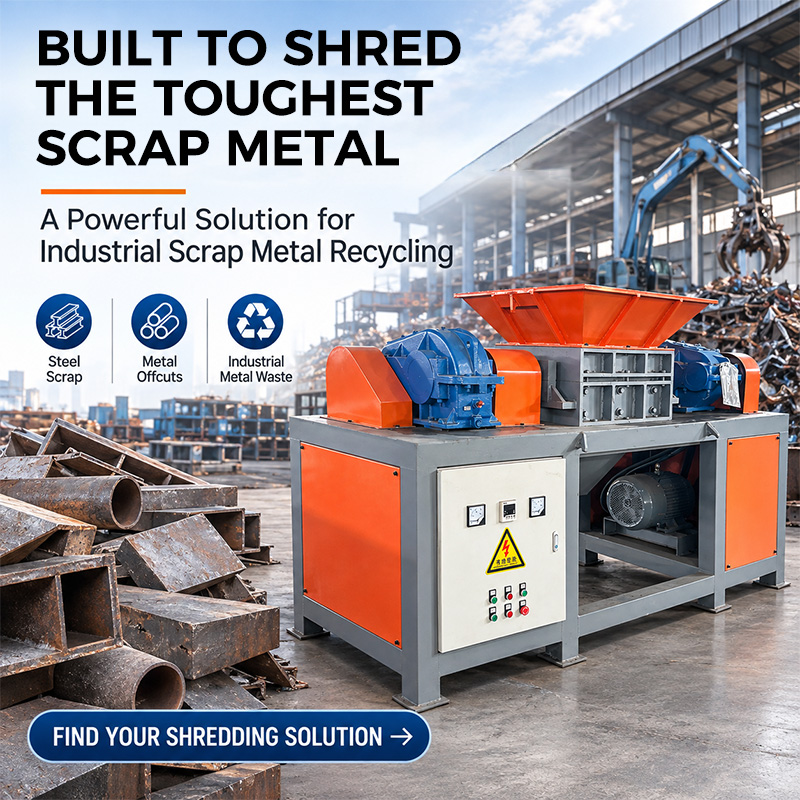
Heavy duty metal shredder machines are critical components in the recycling and waste management industries, designed to efficiently process large volumes of metal waste. As a B2B buyer, your primary concerns likely revolve around selecting the right machine for your specific applications, understanding the key specifications that impact performance, evaluating quality, sourcing reliable suppliers, and considering cost factors. This article will guide you through these considerations, helping you make an informed purchasing decision.

Key Specifications to Consider When Sourcing Metal Shredder Machines

Key Specifications to Consider When Sourcing Metal Shredder Machines

When sourcing heavy duty metal shredder machines, there are several critical specifications to review:

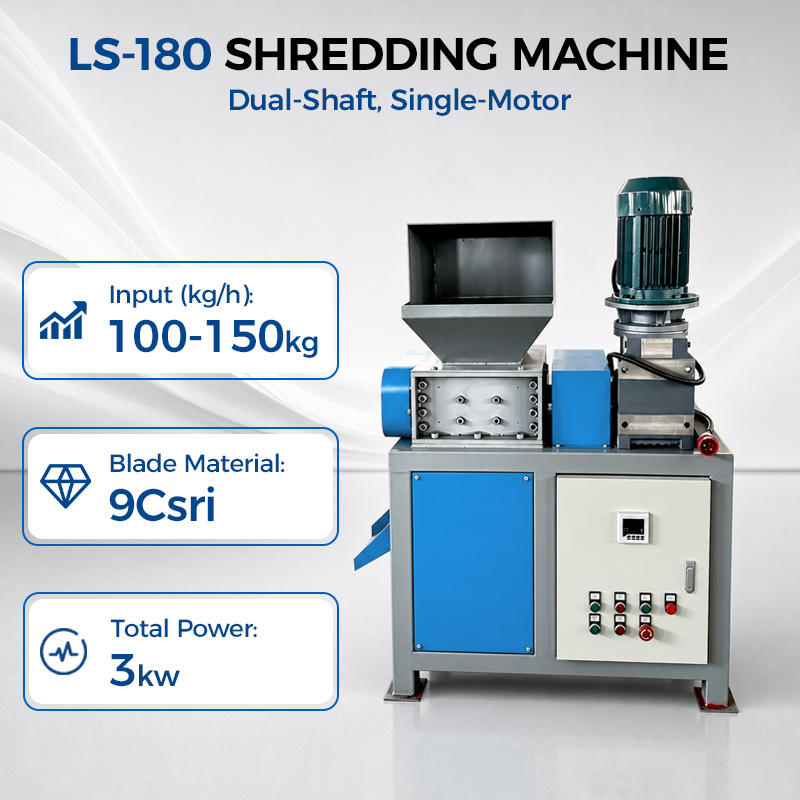
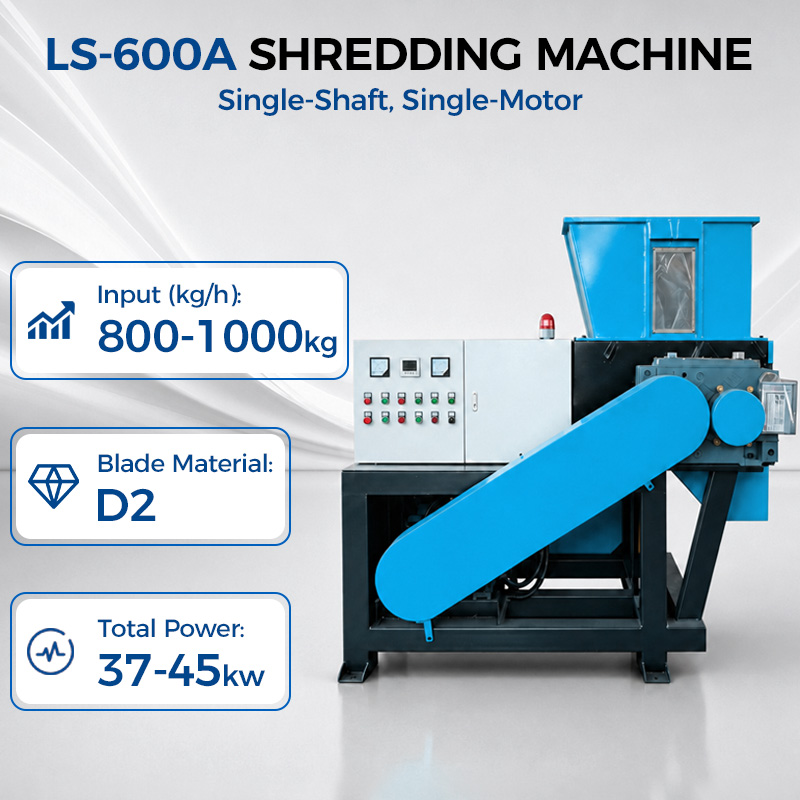
Motor Power: The motor's power rating directly affects the machine's capacity to shred tough materials. A higher wattage generally means better performance in processing dense metals.

Shredder Size and Dimensions: The physical size of the shredder is crucial for ensuring it fits within your operational space. Additionally, the dimensions of the feed opening will influence the size of the materials you can process.

Blade Design and Material: The blades should be constructed from high-strength steel or similar alloys to withstand wear and tear. The design of the blades (e.g., single versus double shaft) affects shredding efficiency and final particle size.

Throughput Rate: Measured in tons per hour, this specification indicates how much material the shredder can process. Evaluate your processing needs to determine the required throughput.

Control System: Advanced shredders may offer programmable logic controllers (PLCs) for automated operation and monitoring. This can enhance efficiency and reduce labor costs.

Understanding these specifications will help you identify machines that align with your operational goals and ensure optimal performance.

How to Evaluate the Quality of Heavy Duty Metal Shredder Equipment

How to Evaluate the Quality of Heavy Duty Metal Shredder Equipment

Quality evaluation of heavy duty metal shredder machines should encompass several aspects:

Material Selection: High-quality machines typically use durable materials for both the housing and the cutting components. Verify that the manufacturer uses robust materials that can endure the rigors of shredding.

Manufacturing Processes: Investigate the manufacturing processes employed by the supplier. Advanced techniques such as precision machining and rigorous quality control ensure that components meet high standards.

Certifications and Compliance: Check for relevant industry certifications that demonstrate adherence to safety and quality standards. This can include ISO certifications and compliance with local regulatory requirements.

After-Sales Support: A reputable supplier should offer comprehensive after-sales service, including installation, training, and maintenance support. This ensures your machinery operates smoothly and efficiently over its lifespan.

Customer Feedback: Research customer reviews and case studies to gain insights into the performance and reliability of the shredder. User experiences can highlight potential issues and satisfaction levels.

By thoroughly evaluating these factors, you can ensure that you are investing in a quality heavy duty metal shredder machine that meets your operational needs, such as the LS-600B 22 kW Dual-Shaft Shredder for Waste Pre-Processing.

Where to Find Reliable Suppliers for Bulk Orders of Shredder Machines

Where to Find Reliable Suppliers for Bulk Orders of Shredder Machines

Finding dependable suppliers for bulk orders of heavy duty metal shredder machines requires a strategic approach:

Industry Associations: Join trade organizations related to recycling and waste management. These associations often provide directories of reputable manufacturers and suppliers.

Trade Shows and Expos: Attending industry trade shows can connect you with multiple suppliers, allowing you to see machines in action and discuss specifications directly with manufacturers.

Online Marketplaces: Platforms such as Alibaba or ThomasNet can be useful for finding suppliers, but always vet the manufacturers for reliability and quality before proceeding with bulk orders.

References and Recommendations: Seek out recommendations from industry peers or existing customers who have experience with specific suppliers. Personal referrals can provide valuable insights into supplier performance and reliability.

Request for Quotes (RFQs): When you have identified potential suppliers, send RFQs detailing your requirements. This process will help you compare pricing, specifications, and delivery times.

By leveraging these avenues, you can build a list of trusted suppliers that will support your operational needs.

Cost Factors to Consider When Purchasing Heavy Duty Metal Shredder Machines

When budgeting for a heavy duty metal shredder machine, various cost factors should be taken into account:

Initial Purchase Price: While it might be tempting to choose the lowest-priced option, consider the long-term value and performance of the machine. Higher upfront costs may be justified by better durability and efficiency.

Operational Costs: These include energy consumption, maintenance, and repair costs. Machines that are energy efficient and require less frequent maintenance can save you money over time, such as the LX-400B 150-350kg/h Copper Wire Granulator with Cooling System.

Customization Costs: If you require specific features or configurations, be prepared for additional costs. Customization can enhance the machine's suitability for your application but may increase the overall investment.

Shipping and Handling: Factor in logistics costs, which can vary significantly based on the supplier's location and your destination. Ensure to clarify shipping terms during negotiations.

Warranty and Service Agreements: A robust warranty can provide peace of mind. Evaluate the terms of the warranty and any service agreements, as these can have a significant impact on long-term costs.

By considering these factors, you can develop a comprehensive understanding of the total cost of ownership for your heavy duty metal shredder machine, allowing for a more informed decision-making process.

Choosing the Right Heavy Duty Metal Shredder Machine for Your Needs

Selecting the appropriate heavy duty metal shredder machine starts with understanding your specific operational requirements. Key factors include the type of metal waste you intend to process—whether it’s end-of-life vehicles, metal scraps, or industrial waste—and the required output size. Different shredders are designed for various applications, so identifying your needs will streamline your selection process.

Consider the shredder's capacity, which should match your processing volume. Machines with higher throughput are essential for operations handling large amounts of waste, while smaller operations may benefit from compact models such as the LS-300B Compact Dual-Shaft Shredder for Cable and Plastic Recycling. Also, assess the machine's power requirements, as this will affect operational costs and energy efficiency. Lastly, ensure the machine can accommodate any additional features you may need, such as integrated metal separation systems or advanced control technologies.

Get a Free Quote

Tell us about your recycling needs, and our team will recommend the right equipment and solution for your project.
0/1000