Choosing the Right Copper Separation Machine

application/copper-separation-machine, application/copper-separation-machine, 
Inquiry
Inquiry

copper separation machine

Understanding the nuances of selecting a copper separation machine is essential for businesses involved in recycling waste cables and metals. This equipment plays a pivotal role in efficiently extracting copper from various materials, ensuring minimal waste and maximizing recovery rates. As a purchasing manager or a decision-maker, you might have concerns regarding performance, quality, and suitability for your specific operations. This article will guide you through the key aspects of choosing the right copper separation machine, evaluating its quality, understanding its applications, adhering to best practices, and considering cost factors.


Evaluating the Quality of Copper Separation Machines for Bulk Orders

Evaluating the Quality of Copper Separation Machines for Bulk Orders

When purchasing copper separation machines in bulk, quality assurance is paramount. Begin by ensuring that the manufacturer adheres to recognized quality control processes. Certifications such as ISO standards can be an indicator of a commitment to quality.

Conduct a thorough inspection of machine prototypes or samples before placing a bulk order. Pay attention to build quality, material selection, and assembly. Common production problems, such as misalignment or inadequate component durability, can lead to operational issues down the line. It’s advisable to request detailed specifications and performance data from the manufacturer to verify that the equipment meets your requirements.

Additionally, consider the manufacturer's after-sales support. A reputable supplier should offer comprehensive service agreements, including maintenance support and spare parts availability. This support can be crucial for minimizing downtime and ensuring the longevity of your equipment.

Top Applications for Copper Separation Machines in Various Industries

Top Applications for Copper Separation Machines in Various Industries

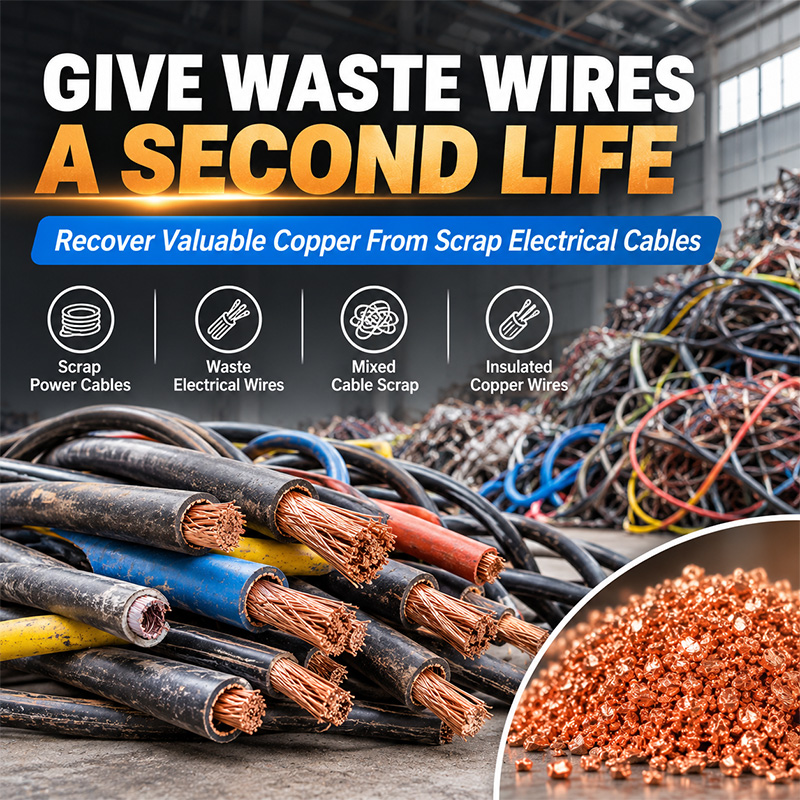
Copper separation machines find applications across a range of industries, primarily in recycling and waste management. One of the most common uses is in the recycling of waste cables, where they efficiently separate copper from insulation materials. This process not only maximizes copper recovery but also reduces the environmental impact of cable waste.

In the electronics industry, these machines are used for extracting copper from circuit boards and electronic scrap. As e-waste continues to grow, the demand for effective copper recycling technologies is increasing. In this context, an Wire Stripping Machine might also be employed to enhance the efficiency of the recycling process.

Moreover, copper separation machines are beneficial in the automotive sector, where they can process scrap metal from vehicles to recover valuable copper components efficiently. The ability to adapt these machines for various materials and applications is a significant advantage, making them essential tools in modern recycling operations.

Best Practices

Best Practices

To maximize the efficiency and lifespan of your copper separation machine, consider implementing the following best practices:

Regular Maintenance: Schedule routine maintenance checks to ensure all components are functioning optimally. This can prevent unexpected breakdowns and prolong the machine's life.

Training Operators: Invest in training for machine operators. Well-trained staff can operate the equipment more efficiently and identify potential issues early.

Proper Material Preparation: Ensure that materials fed into the machine are properly prepared. Removing contaminants and ensuring the correct size can improve processing efficiency and recovery rates.

Monitoring Performance: Regularly monitor the machine’s performance metrics, such as recovery rates and throughput. This data can help identify trends and potential areas for improvement.

Feedback Loop: Maintain an open line of communication with your supplier for any operational issues or feedback. This can lead to improvements in machine performance and innovation based on user experience.

Cost Factors to Consider When Purchasing Copper Separation Machines

When evaluating the cost of copper separation machines, several factors come into play. First, consider the initial purchase price, which can vary significantly based on the machine's capacity, features, and customization options.

Next, factor in the operational costs, including energy consumption, maintenance, and potential downtime. Machines with higher efficiency ratings may have a higher upfront cost but can lead to lower long-term operational expenses.

Additionally, think about the cost of spare parts and the availability of service support. A machine that requires costly parts or has limited support options can become a financial burden over time.

Lastly, be aware of the potential for hidden costs, such as transportation and installation fees, which can impact your overall budget. Request a detailed quotation from the manufacturer that outlines all potential costs associated with the purchase and operation of the machine.

By thoroughly evaluating these factors, you can make a more informed decision and choose a copper separation machine that aligns with your operational needs and financial considerations.

How to Choose the Right Copper Separation Machine for Your Needs

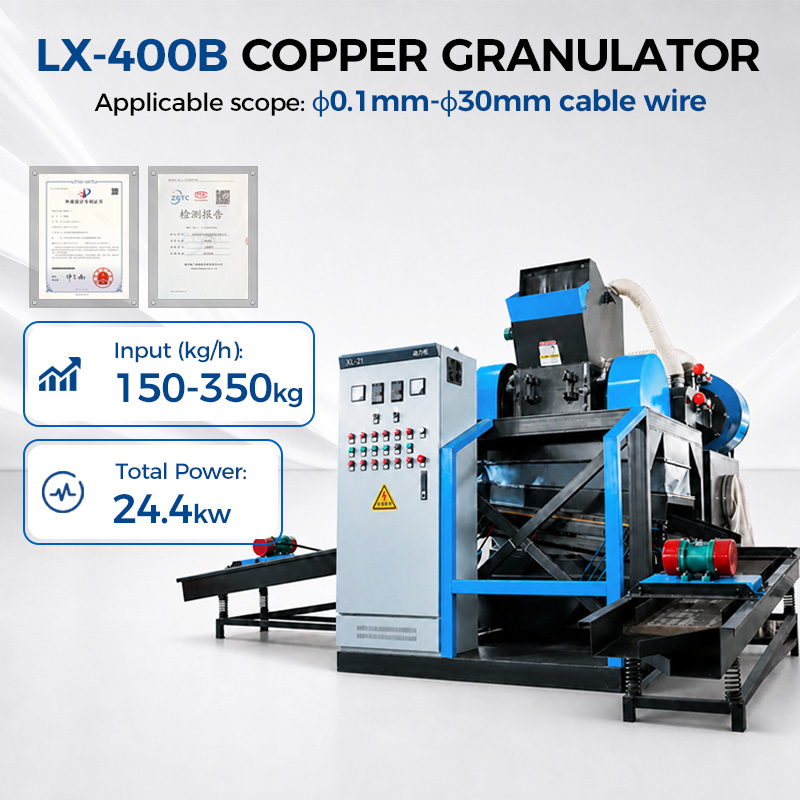
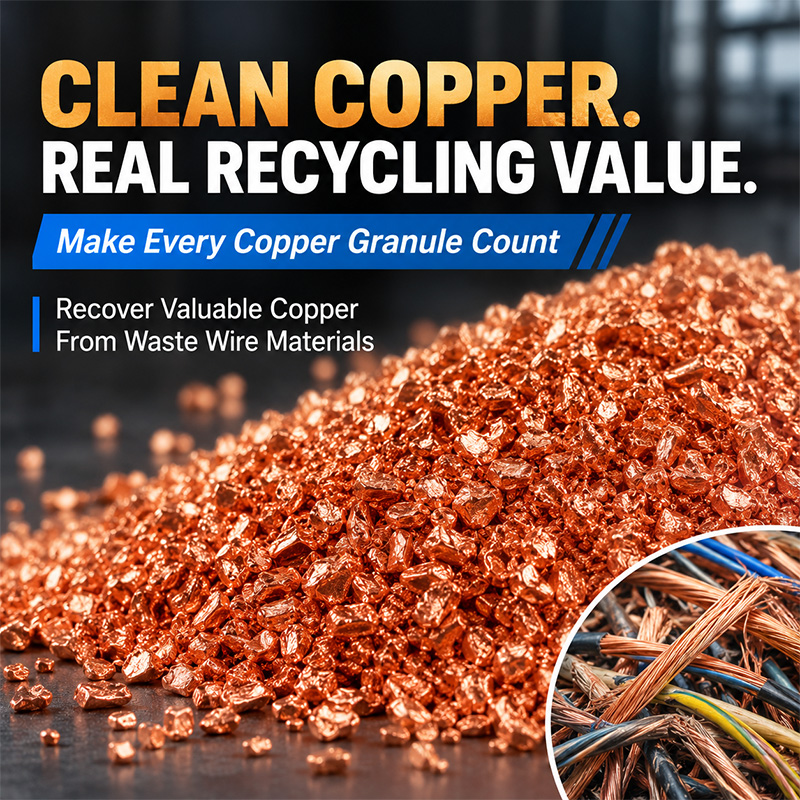
Selecting the appropriate copper separation machine involves a few critical considerations. First, assess the type of materials you will be processing. Different machines are designed for various types of waste, such as insulated cables, electronic scrap, or mixed metal waste. For instance, a Copper Granulator is specifically designed for such recycling tasks.

Next, consider the machine's capacity. Determine your production volume and choose a machine that can handle your daily requirements without bottlenecking your operations. Additionally, evaluate the machine's efficiency, often measured by its recovery rate of copper. A higher recovery rate can significantly impact your bottom line.

Customization capabilities are also important. Depending on your specific operational needs, you may require a machine that can be tailored to suit particular material types or processing requirements. Look for manufacturers, like Hangzhou Lansing Machinery Co., Ltd., that offer customized solutions and one-stop support from design to after-sales service. For example, a Shredding Machine can be an integral part of the initial material preparation process.

Lastly, review the machine's operational features, including ease of use, maintenance requirements, and safety features. An intuitive design can reduce training time for operators and enhance overall productivity.

Get a Free Quote

Tell us about your recycling needs, and our team will recommend the right equipment and solution for your project.
0/1000