Key Features of Copper Separator Machines

application/copper-separator-machine, application/copper-separator-machine, 
Inquiry
Inquiry

copper separator machine

Copper separator machines are specialized devices designed for the efficient recycling of copper and other metals from waste cables and similar materials. For B2B buyers, including purchasing managers and engineers, understanding the features and capabilities of copper separator machines is critical for ensuring effective waste processing and achieving cost savings. This article will guide you through the key specifications to consider, installation guidance, common problems you may encounter, and the diverse applications of these machines in various industries.

What to Expect

When investing in a copper separator machine, buyers can expect several benefits, including:

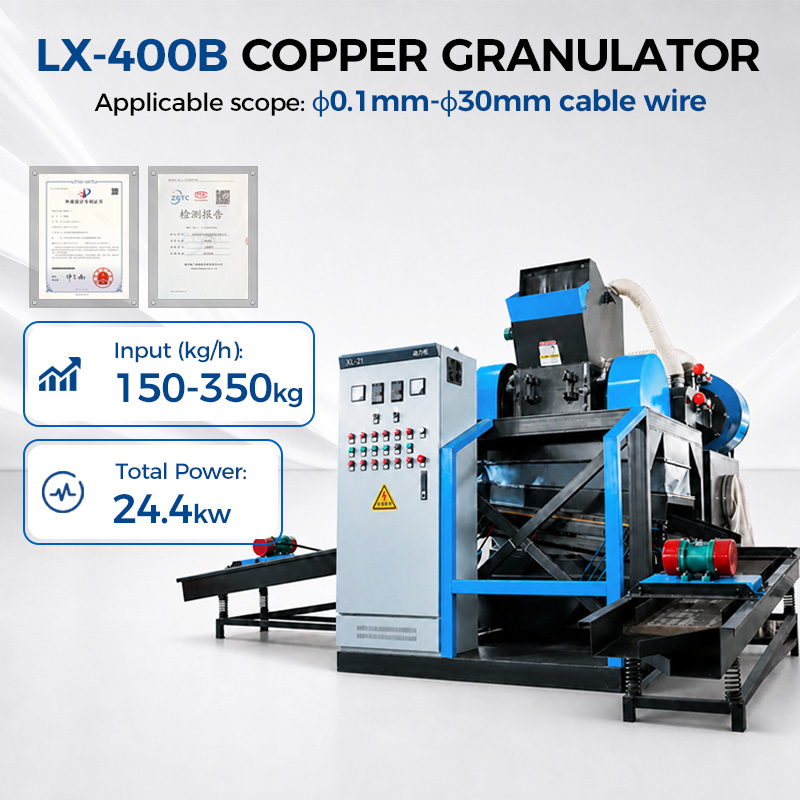
Increased Recovery Rates: Advanced copper separator machines utilize cutting-edge technology to maximize the recovery of copper, translating to higher profits from recycled materials. The LX-400A 100-250kg/h Copper Wire Granulator with Dual Screening exemplifies how technology can enhance recovery rates.

Cost-Effectiveness: Although the initial investment may be substantial, the savings achieved through improved efficiency and reduced waste can result in a favorable return on investment over time.

Reliability and Durability: Quality machines are constructed from robust materials and designed for long-term use, reducing the frequency of replacements and repairs.

Customized Solutions: Many manufacturers, including Hangzhou Lansing Machinery Co., Ltd., offer tailored solutions to meet unique operational requirements, ensuring that the machine fits seamlessly into your existing processes.

Installation Guidance for Your Copper Separator Machine Purchase

Proper installation of your copper separator machine is crucial for optimal performance. Here are some guidelines to facilitate a smooth installation process:

Site Preparation: Ensure that the installation site is clean, well-lit, and free of obstructions. Access to power sources and water supply (if required) should be confirmed before delivery.

Professional Installation: It is recommended to engage qualified technicians for the installation process. They can ensure that the machine is set up according to manufacturer specifications and that all safety measures are in place.

Testing and Calibration: After installation, the machine should undergo thorough testing to confirm that it operates correctly. Calibration may be necessary to ensure the machine meets the desired separation efficiency and processing capacity.

Training: Providing adequate training for operators is essential. They should be familiar with machine operation, maintenance routines, and troubleshooting common issues.

Common Problems with Copper Separator Machines and Their Solutions

Despite their effectiveness, copper separator machines can encounter various problems. Here are some common issues and their solutions:

Clogging: Over time, materials can accumulate and cause blockages. Regular maintenance, including cleaning and inspections, can prevent this issue. Operators should be trained to recognize early signs of clogging.

Inconsistent Separation: If the machine is not calibrated correctly, it may fail to separate copper effectively. Regular checks and recalibration, as well as monitoring the input material quality, can help maintain consistent performance.

Mechanical Failures: Wear and tear on components can lead to unexpected breakdowns. Establishing a routine maintenance schedule can help identify potential failures before they occur, minimizing downtime.

Operator Errors: Incorrect operation can lead to inefficiencies or machine damage. Comprehensive training and clear operating procedures should be provided to minimize human errors.

Applications of Copper Separator Machines in Various Industries

Copper separator machines are versatile and find applications across multiple industries, including:

Recycling Facilities: These machines are commonly used in recycling plants to process waste cables and other copper-bearing materials, enabling efficient recovery of valuable metals.

Electronics Manufacturing: In the electronics sector, copper separator machines help recover copper from discarded circuit boards and cables, contributing to sustainable manufacturing practices.

Construction and Demolition: During the demolition of structures, copper wiring is often recovered for recycling. Copper separator machines facilitate this process, ensuring that valuable materials are not discarded.

Automotive Industry: Old vehicles contain significant amounts of copper in wiring and components. Recycling these materials through copper separator machines supports the industry's commitment to sustainability.

By understanding the specifications, installation requirements, common issues, and applications of copper separator machines, B2B buyers can make informed decisions that align with their operational goals. Whether integrating new machinery into existing operations or expanding recycling capabilities, this knowledge will enhance your purchasing strategy.

Key Specifications to Evaluate in Copper Separator Machines

When evaluating copper separator machines, several key specifications are essential to consider:

Separation Efficiency: This metric indicates how effectively the machine can distinguish copper from other materials. Higher efficiency translates to better yield and reduced waste. Buyers should look for machines that have undergone rigorous testing to verify their performance.

Processing Capacity: Measured in tons per hour, this specification determines how much material the machine can handle. It's crucial to align this capacity with your operational needs to avoid bottlenecks in production.

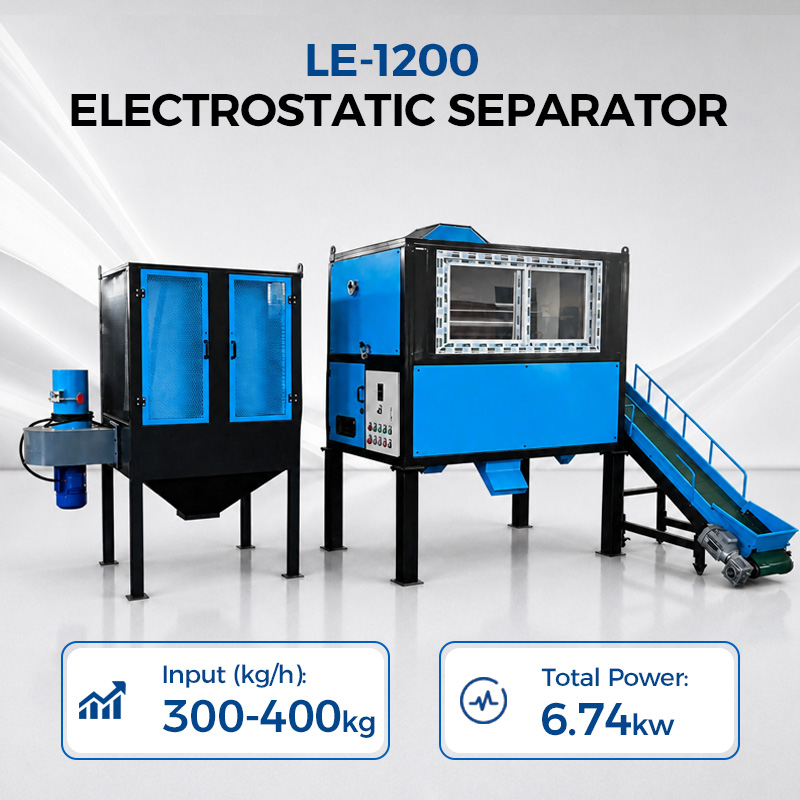
Power Consumption: The energy efficiency of the machine directly impacts operating costs. A machine with lower power requirements can help reduce overall expenses, making it a more economical choice in the long run. For instance, the LE-1200 Electrostatic Copper-Plastic Separator with Dust Collection is known for its low power consumption.

Size and Footprint: The physical dimensions of the copper separator machine are vital, especially if space is limited in your facility. Ensure that the machine can fit within your existing layout without impeding workflow.

Material Compatibility: Different machines are designed to handle various types of cables and materials. Confirming that the machine can effectively process the specific materials you intend to recycle will ensure optimal performance.

Maintenance Requirements: Understanding the maintenance needs of the machine, such as frequency and types of service required, can help in planning operational downtime and costs.

Get a Free Quote

Tell us about your recycling needs, and our team will recommend the right equipment and solution for your project.
0/1000