Choosing the Right Copper Chopper for Recycling

application/copper-chopper, application/copper-chopper, 
Inquiry
Inquiry

copper chopper

Copper choppers are essential machines in the recycling industry, specifically designed to process waste copper cables and other metal materials into manageable pieces for further recycling. When sourcing a copper chopper, buyers often face concerns related to performance, efficiency, compatibility with existing systems, and overall cost-effectiveness. This article will guide you through the crucial aspects of choosing a copper chopper that meets your project needs, ensuring a well-informed purchasing decision.

Key Specifications to Consider When Sourcing Copper Choppers

When sourcing copper choppers, several key specifications should be evaluated:

Blades and Cutting Mechanism: The design and material of the blades determine the efficiency and durability of the chopper. High-quality, hardened steel blades provide better performance and longevity.

Motor Power: The motor's horsepower directly impacts the chopper's performance. A powerful motor can handle tougher materials and maintain consistent output.

Throughput Rate: This specification indicates how much material the chopper can process in a given timeframe, typically measured in kilograms per hour. Matching this rate with your operational needs is vital for maintaining productivity.

Safety Features: Ensure the copper chopper is equipped with necessary safety features, such as emergency stops and protective guards, to safeguard operators during use.

Maintenance Requirements: Review the maintenance schedule and ease of access for servicing the machine. Regular maintenance is crucial for long-term operation and can affect overall performance.

Evaluating the Quality of Copper Choppers for Bulk Purchase

Quality evaluation is essential when considering bulk purchases of copper choppers. Here are some practical steps:

Supplier Reputation: Research the supplier's reputation in the market. Reliable manufacturers often provide detailed product specifications and have a track record of customer satisfaction.

Certifications and Standards: Verify if the copper choppers meet industry standards and certifications, which can indicate their reliability and performance capabilities.

Customer Reviews and Case Studies: Look for testimonials or case studies from existing users of the copper chopper. Real-world experiences can provide insights into performance and potential issues.

Sample Testing: If possible, request a sample unit for testing. Observing the machine’s performance in your operational environment can help confirm its suitability.

Warranty and Support: Evaluate the warranty period and after-sales support offered by the supplier. A robust support system can save you from unexpected costs and downtime.

Reliable Suppliers for Copper Chopper Equipmen

Finding reliable suppliers for copper chopper equipment is key to ensuring quality and performance. Here are some attributes to look for in a supplier:

Experience in the Industry: Suppliers with extensive experience in manufacturing and selling recycling equipment often understand market needs and technological advancements better.

Custom Manufacturing Capabilities: A supplier that offers customization can help you obtain a copper chopper that fits your specific requirements, enhancing operational efficiency. For example, consider suppliers that also provide a Wire Stripping Machine for a more comprehensive solution.

Global Sales and Support: Suppliers with a global footprint can provide better support, including access to replacement parts and technical assistance, no matter where you are located.

Positive Industry Reputation: Look for suppliers with positive reviews and recommendations from industry peers. This can often be found through industry forums and trade associations.

Comprehensive Service Packages: A good supplier should offer a full range of services, from initial consultation and design to installation and after-sales support.

Common Installation Challenges with Copper Choppers and Solutions

Installing a copper chopper can present several challenges, but understanding these issues can facilitate a smoother installation process:

Space Constraints: Limited space can complicate the installation of larger choppers. It's essential to plan the layout in advance, ensuring enough space for operation and maintenance.

Solution: Conduct a thorough site assessment before purchase and consider compact models if space is a concern.

Electrical Requirements: Ensuring that the electrical supply meets the chopper's power requirements is crucial. Inadequate power supply can lead to operational disruptions.

Solution: Verify the electrical specifications and consult an electrician to upgrade the supply if necessary before installation.

Operator Training: Insufficient training for operators can lead to improper use and maintenance of the chopper.

Solution: Schedule comprehensive training sessions for all operators, ensuring they understand the machine’s functionalities and safety protocols.

Alignment and Calibration: Proper alignment of the chopper components is essential for optimal performance. Misalignment can cause excessive wear and tear.

Solution: Follow the manufacturer's installation guidelines closely and conduct a calibration check after installation to ensure everything is in order.

By understanding these challenges and preparing effectively, you can ensure a successful installation and operation of your copper chopper.

How to Choose the Right Copper Chopper for Your Project Needs

Selecting the right copper chopper for your project involves understanding the specific applications and requirements of your recycling operations. Consider the following factors:

Material Compatibility: Ensure the chopper is designed to handle the types of cables and metals you plan to process. Different models may have varying capacities for different materials, such as insulated wires or bare copper.

Processing Capacity: Evaluate the machine's capacity to process waste per hour. This is crucial for meeting your production goals. A model that aligns with your volume requirements can enhance efficiency and reduce operational downtime.

Power Requirements: Check the energy consumption and power specifications of the copper chopper. A model that operates efficiently can lower operational costs over time.

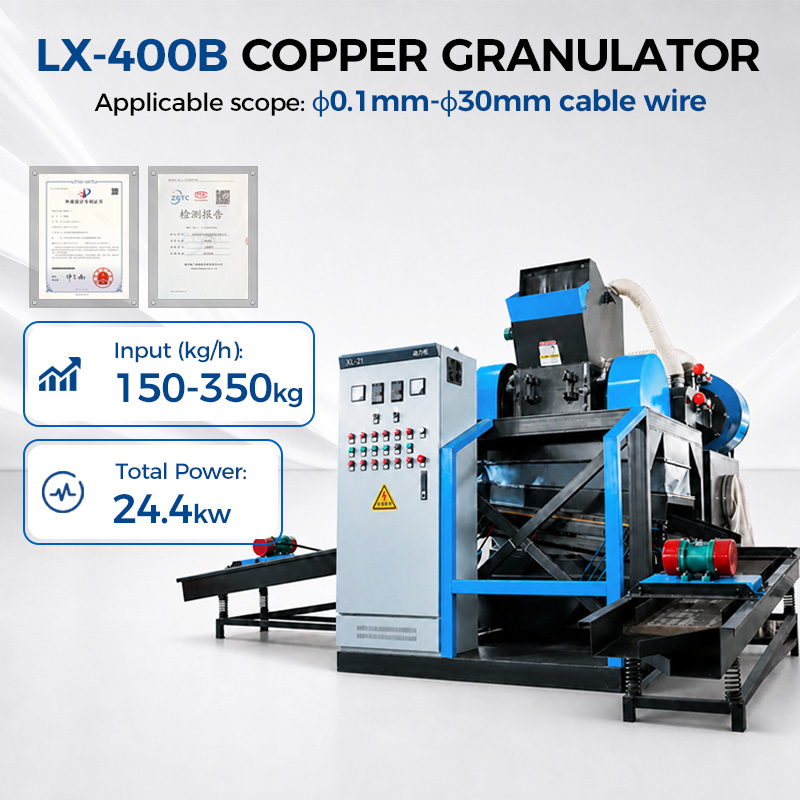
Size and Footprint: Consider the available space in your facility. The dimensions of the chopper should fit within your operational layout while allowing for proper workflow and maintenance access. For instance, compact models like the Copper Granulator might be suitable if space is limited.

Customization Options: Some manufacturers offer customizable features for their copper choppers. If your project has unique requirements, look for a supplier that can tailor their equipment to meet your specifications.

Get a Free Quote

Tell us about your recycling needs, and our team will recommend the right equipment and solution for your project.
0/1000