Choosing the Right Cable Stripper for Your Needs

application/cable-stripper, application/cable-stripper, 
Inquiry
Inquiry

cable stripper

Cable strippers are essential tools for efficiently removing insulation from various types of cables, enabling the recycling or repurposing of valuable materials like copper and aluminum. For B2B buyers—such as purchasing managers, engineers, and project managers—understanding the nuances of selecting the right cable stripper is crucial. This article addresses key concerns regarding product specifications, cost factors, applications, common issues, and comparisons among different types of cable strippers, ultimately guiding buyers to make informed purchasing decisions.

A Step-by-Step Guide

A Step-by-Step Guide

Identify Your Needs: Determine the specific cables you will be working with. Different cables require different stripping techniques and tools. For instance, a multi-cable stripper may be necessary for handling various types simultaneously.

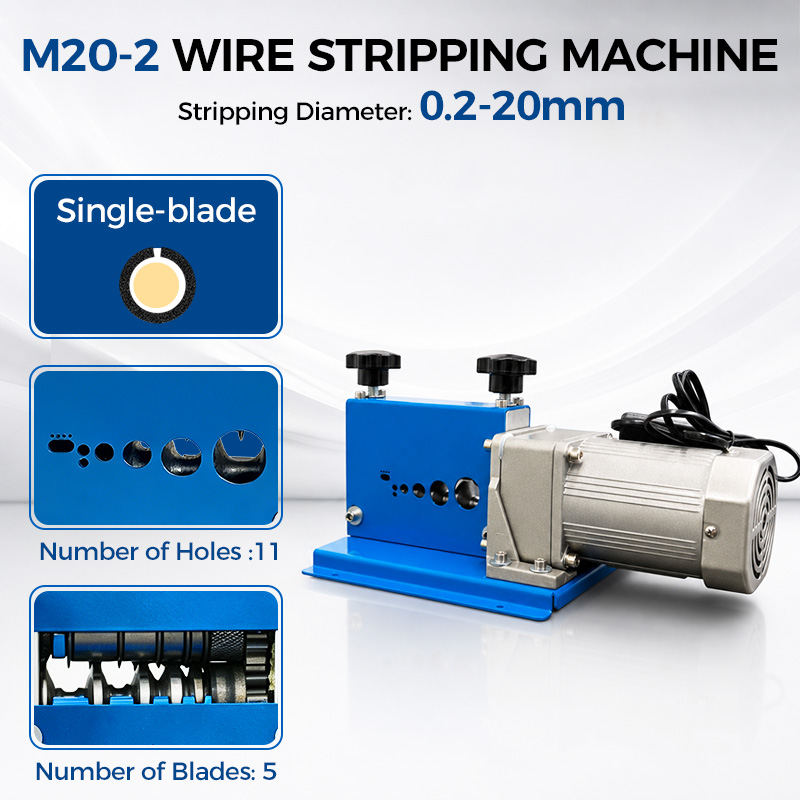
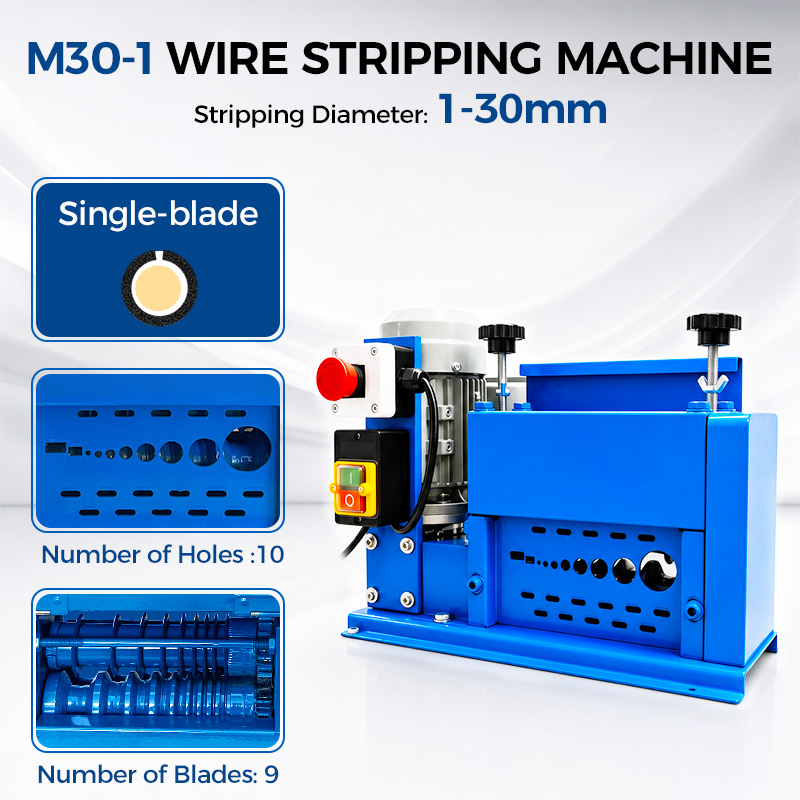
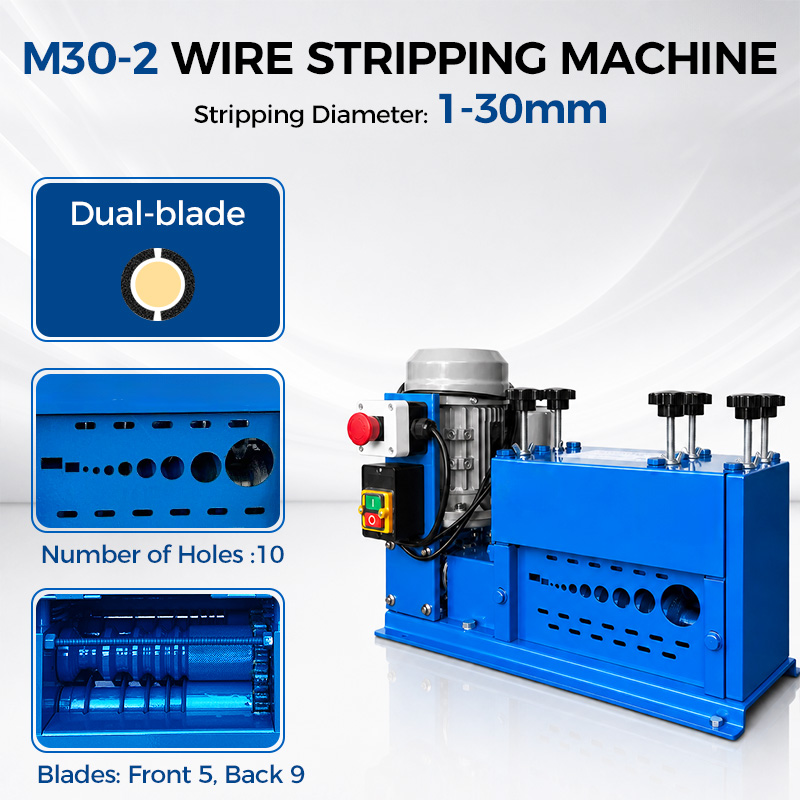
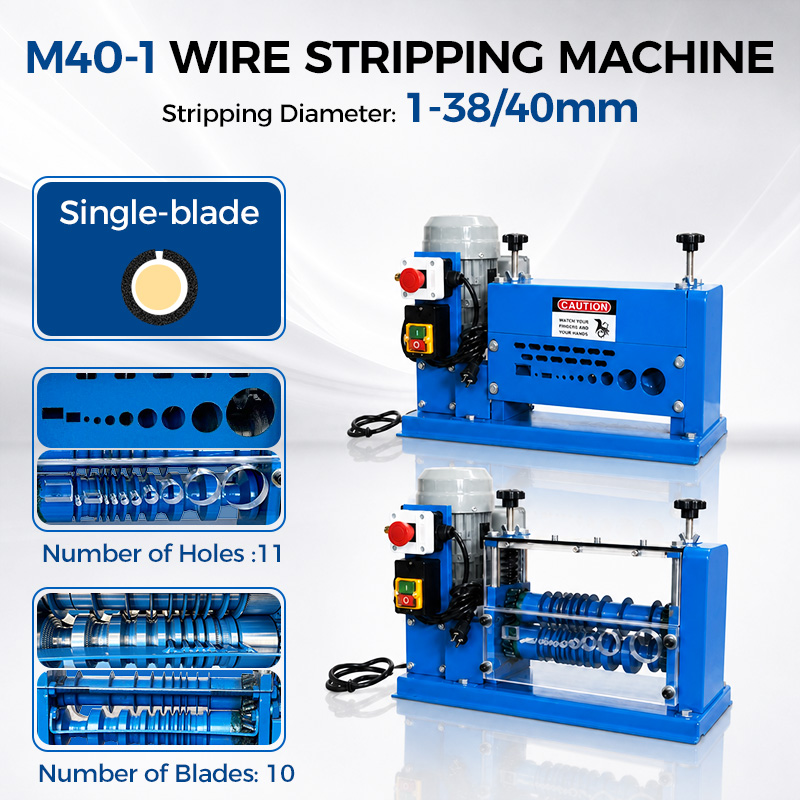
Research Specifications: Look into the specifications of potential cable strippers, including blade material, stripping capacity (gauge range), and the presence of features like adjustable blades or ergonomic handles. Additionally, considering a Copper Granulator can enhance your recycling process by efficiently processing copper materials.

Request Quotes: Contact manufacturers with detailed specifications, including desired features, order quantity, and any customization needs. This will enable suppliers to provide accurate pricing.

Evaluate Samples: Before finalizing an order, request samples to test for performance and compatibility with your specific cables. Pay attention to the ease of use and whether the stripper meets your operational requirements.

Finalize Your Order: Once satisfied with the samples, confirm the order details, including lead time, shipping method, and payment terms.

Applications of Cable Strippers in Various Industries and Projects

Applications of Cable Strippers in Various Industries and Projects

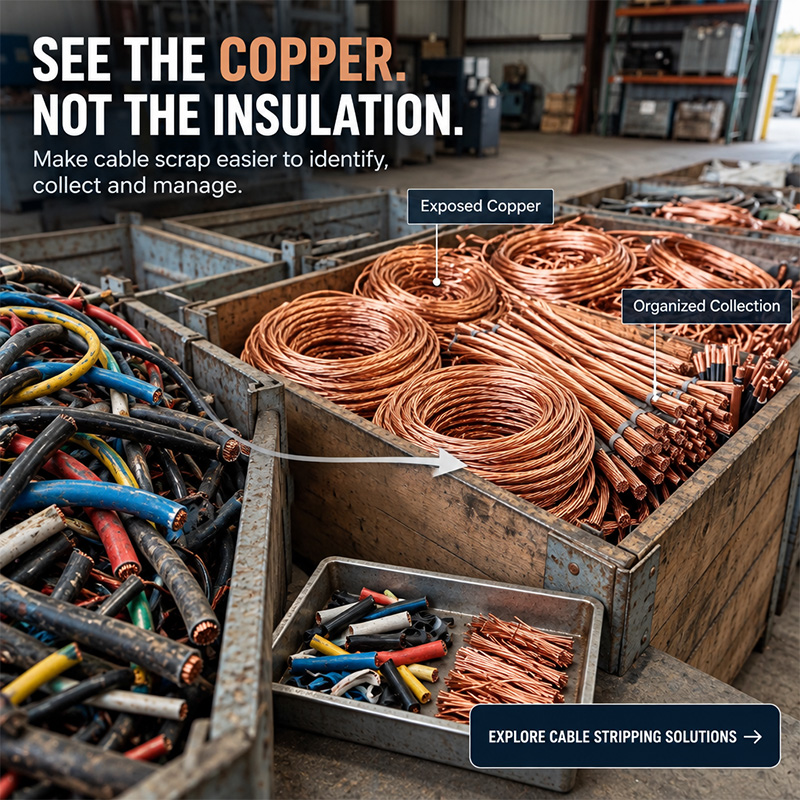
Cable strippers find extensive applications across a variety of industries, notably in recycling, construction, and manufacturing. In the recycling sector, these tools are indispensable for efficiently separating insulation from metal cores, allowing for the recovery of valuable materials. Using advanced tools like the Electrostatic Separator can further enhance the recovery process.

In construction, cable strippers are used to prepare wires for electrical installations. Properly stripped cables ensure that connections are secure, reducing the risk of electrical failures. Similarly, in manufacturing, these tools are employed during assembly processes, where precision stripping is crucial for the functionality of the final product.

Additionally, industries focused on renewable energy utilize cable strippers to process cables used in solar panels and wind turbines, ensuring that materials can be reused and reducing waste.

Common Problems with Cable Strippers and Effective Solutions

Common Problems with Cable Strippers and Effective Solutions

One common issue with cable strippers is blade dullness, which can lead to inefficient stripping and potential damage to the wire. Regular maintenance and timely replacement of blades can mitigate this issue. Buyers should consider products that offer easy blade replacement features.

Another frequent problem is incompatibility with specific cable types. Different cables, such as rubber-coated or heavily insulated wires, may require specialized strippers. When purchasing, ensure that the selected model is suitable for the specific types of cables intended for use.

Operational safety is also a concern. Improper use of cable strippers can lead to workplace injuries. It’s essential for users to be trained on the correct handling and operation of the tools. Manufacturers can provide guidance and safety information to reduce risks.

Comparing Different Types of Cable Strippers for Your Projects

When comparing cable strippers, consider various types available on the market, including manual, automatic, and electric strippers.

Manual cable strippers are cost-effective and ideal for low-volume tasks. They require manual effort and can be less efficient for larger projects.

Automatic cable strippers are designed for medium to high-volume operations, providing faster stripping speeds and often accommodating various cable types. They require a higher initial investment but can save time and labor costs.

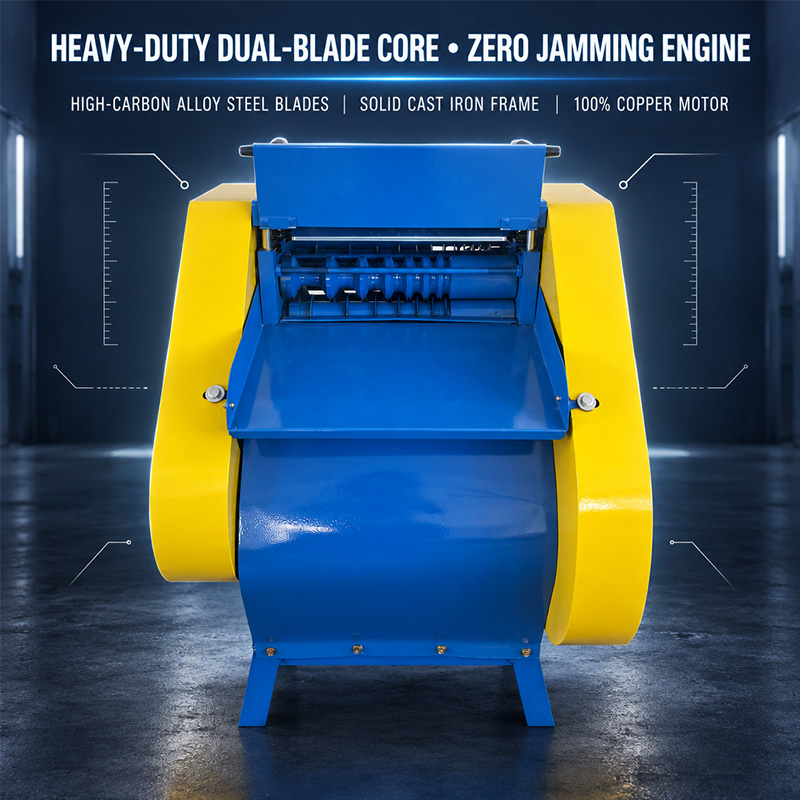
Electric cable strippers are best for high-volume industrial applications where speed and precision are critical. They can handle thicker insulation and larger cables but come with a significant upfront cost and require a power source.

When selecting the right type, assess the scale of your projects, the types of cables you frequently work with, and your budget. It’s advisable to consult with suppliers about specific capabilities and performance metrics to ensure the chosen stripper meets your operational needs.

By evaluating these factors, buyers can maximize efficiency and minimize costs associated with cable stripping in their respective industries.

Cost Factors to Consider for Bulk Orders of Cable Strippers

When considering bulk orders of cable strippers, several cost factors come into play that can significantly affect the overall price. First, the material quality is paramount; higher-quality materials, such as high-carbon steel or durable plastics, may cost more upfront but will provide better longevity and performance, ultimately reducing replacement costs.

Another important factor is the manufacturing techniques used. Cable strippers that are produced through advanced processes like precision machining may carry a higher price tag but offer enhanced reliability and efficiency. Customization options, such as specific blade configurations or ergonomic designs, can also influence costs, as tailored solutions may require additional engineering and production time.

Furthermore, order quantity plays a crucial role in pricing; manufacturers often provide discounts for larger orders. Buyers should not only consider the unit price but also think about the Minimum Order Quantity (MOQ), which varies by supplier. Additionally, shipping costs and lead time should be factored into the total cost, as expedited shipping may incur extra charges.

Frequently Asked Questions

What is this cable stripper designed for?

Our cable stripper is designed to safely and efficiently remove insulation from various waste cables, improving recovery of copper and aluminum for recycling operations.
The machine handles a wide range of cable diameters from small telecom wires to medium power cables; specific size range can be customized to your requirements.
Yes. We offer one-stop support including installation guidance and operator training as part of our after-sales service to ensure proper operation.
Absolutely. With integrated R&D and manufacturing, we provide tailored solutions for your processing capacity, layout, and material types.
We provide reliable after-sales service including technical support and warranty options. Detailed terms are provided upon purchase and can be adapted to project needs.

Get a Free Quote

Tell us about your recycling needs, and our team will recommend the right equipment and solution for your project.
0/1000