Choosing the Right Automatic Cable Stripper

application/automatic-cable-stripper, application/automatic-cable-stripper, 
Inquiry
Inquiry

automatic cable stripper

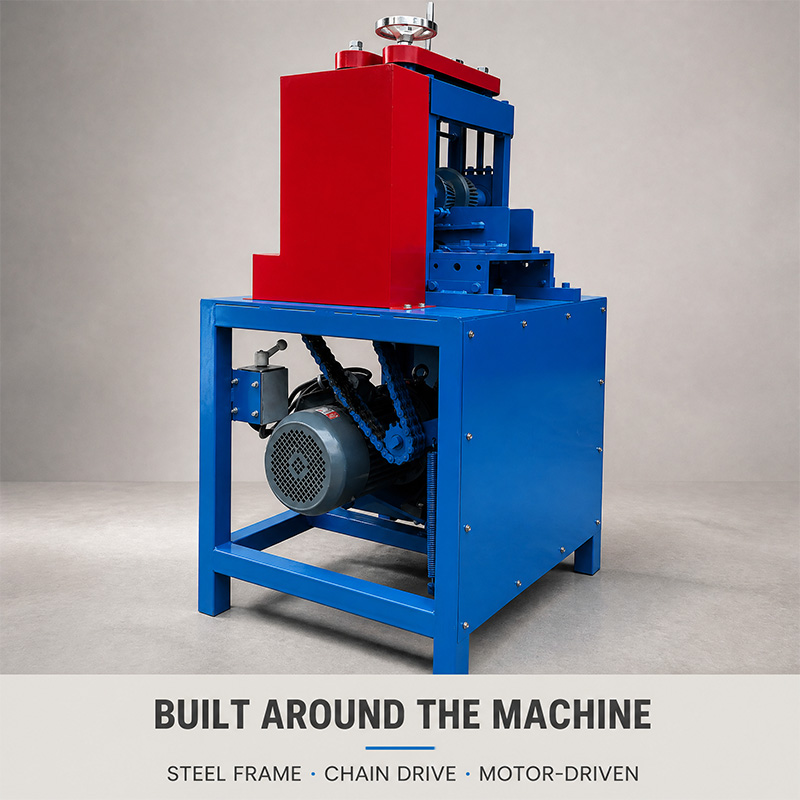
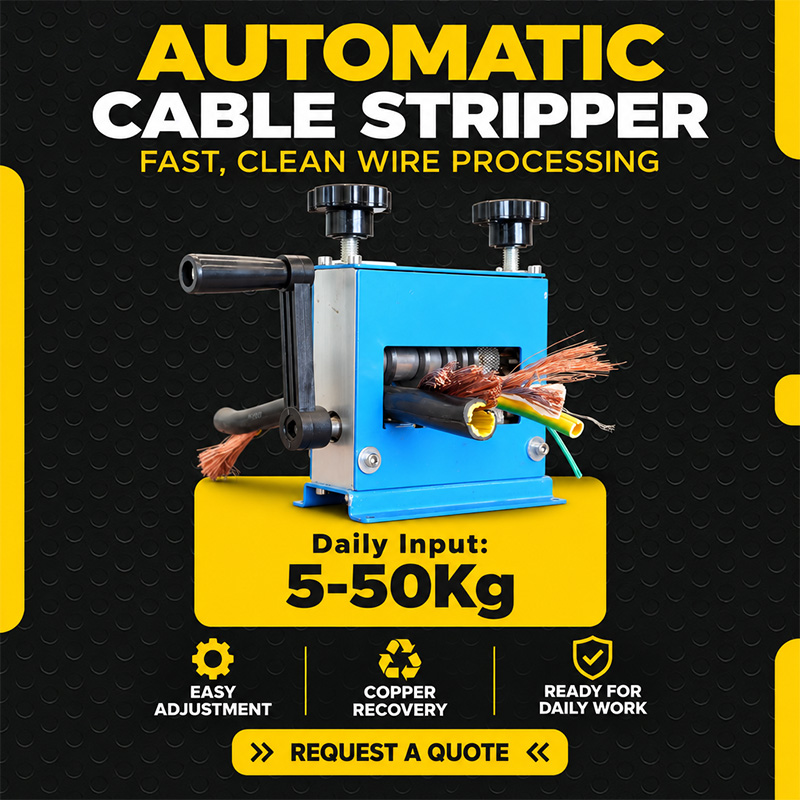
Automatic cable strippers are essential tools designed to efficiently remove insulation from various types of cables, thereby enhancing productivity in manufacturing and recycling processes. For B2B buyers, understanding the critical specifications and features of automatic cable strippers is vital to ensure they select the right equipment that meets operational needs. This article will guide purchasing managers, engineers, and product managers through essential considerations when evaluating automatic cable strippers, ensuring they make informed decisions that align with their business requirements.

Key Specifications of Automatic Cable Strippers for Wholesale Buyers

Key Specifications of Automatic Cable Strippers for Wholesale Buyers

When evaluating automatic cable strippers, several key specifications should be scrutinized:

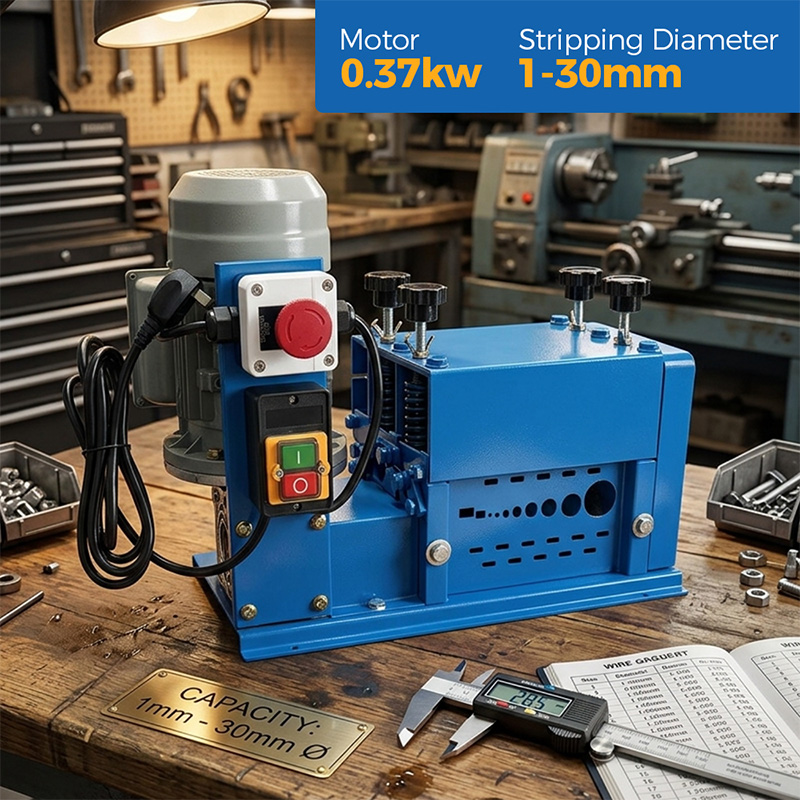
Cutting Capacity: This refers to the maximum wire gauge the stripper can handle. It's essential to ensure the machine can accommodate the types of cables you work with.

Blade Material: High-quality blades made from durable materials such as high-speed steel or tungsten carbide offer longevity and precision in cutting, reducing the need for frequent replacements.

Power Source: Automatic cable strippers can be electric or pneumatic. Electric models are generally more common and easier to operate, while pneumatic versions can provide higher cutting power but may require additional setup and maintenance.

Processing Speed: Measured in meters or feet per minute, this metric indicates how quickly the machine can strip wire. Higher speeds improve efficiency, particularly in high-volume environments. For example, the LX-400C 250-450kg/h Fully Enclosed Copper Wire Granulator showcases impressive processing speeds.

Safety Features: Look for machines equipped with safety guards, emergency stops, and automatic shutoff functions to protect operators during use.

Understanding these specifications will allow buyers to compare different models effectively and choose one that matches their operational needs and budget.

What to Look for in Cable Stripping Machines

What to Look for in Cable Stripping Machines

Beyond basic specifications, buyers should consider the following features to enhance operational efficiency:

Ease of Operation: A user-friendly interface with clear controls can significantly reduce training time and operational errors. Machines that offer programmable settings for different cable types can streamline the stripping process further.

Maintenance Requirements: Look for machines with easy access to components for maintenance and blade replacement. Regular maintenance is essential to ensure optimal performance and prolong the machine's lifespan.

Customization Options: Some manufacturers provide customization capabilities to tailor machines for specific applications. This can include modifications to accommodate unique cable types or additional features for increased efficiency.

After-Sales Support: Reliable after-sales service is crucial for minimizing downtime. Ensure the supplier offers comprehensive support, including training, spare parts availability, and technical assistance.

By focusing on these features, buyers can select machines that not only meet current needs but also adapt to future requirements.

Where to Find Reliable Suppliers of Automatic Cable Strippers

Where to Find Reliable Suppliers of Automatic Cable Strippers

Finding a trustworthy supplier is crucial for ensuring quality and reliability in your equipment. Here are some strategies to locate reputable manufacturers of automatic cable strippers:

Industry Trade Shows: Attending trade shows allows buyers to see machines in action, ask questions, and compare different suppliers face-to-face.

Online Marketplaces and Directories: Websites like Alibaba or industry-specific directories can provide lists of manufacturers. However, due diligence is required to verify the credibility of suppliers through reviews and testimonials.

Networking within Industry Associations: Engaging with industry associations can provide referrals to reputable suppliers and insights into the latest technologies in cable stripping.

Manufacturer Websites: Researching manufacturers like Hangzhou Lansing Machinery Co., Ltd. can provide valuable insights into their product offerings and capabilities. Look for details about their manufacturing processes, quality control measures, and customer feedback.

Installation Guidance for Automatic Cable Strippers in Industrial Settings

Proper installation of automatic cable strippers is crucial for optimal performance and safety. Here are key steps to consider during the installation process:

Site Preparation: Ensure the installation area is clean, well-ventilated, and equipped with the necessary electrical connections or pneumatic supplies, depending on the machine type.

Assembly: Follow the manufacturer's assembly instructions closely. Ensure that all components are correctly installed and secure to avoid operational issues.

Calibration: Before starting production, calibrate the machine according to the specifications of the cables you will be processing. This may involve setting the cutting depth and speed based on material thickness and type.

Safety Checks: Conduct a thorough safety inspection, checking all safety features and emergency shutoff mechanisms. Operators should be trained on these features to ensure a safe working environment.

Testing: Run a test batch of cables to ensure the machine operates correctly and meets performance expectations. Monitor for any anomalies and make adjustments as necessary.

Following these guidelines will help ensure a smooth installation process, leading to efficient machine operation and enhanced safety in the workplace. By understanding the intricacies of selecting and utilizing automatic cable strippers, B2B buyers can make informed decisions that improve their operations and lead to better outcomes in their manufacturing or recycling processes.

How to Choose the Right Automatic Cable Stripper for Your Needs

Selecting the appropriate automatic cable stripper begins with a clear understanding of the specific requirements of your application. Buyers should consider factors such as cable type (e.g., copper, aluminum), insulation thickness, and the volume of cables processed daily. A machine designed for high-volume production may prioritize speed and efficiency, while one intended for smaller operations might focus on versatility and ease of use. For instance, the LE-500B Electrostatic Separator for Copper and Plastic Recovery is a great example of equipment that efficiently handles different cable types.

Additionally, assess the machine's compatibility with different cable sizes and types. Some models can handle a wide range of diameters, which is particularly beneficial for businesses dealing with various cable specifications. Features like adjustable cutting speeds and user-friendly interfaces can also enhance operational efficiency and minimize downtime.

Frequently Asked Questions

What is an automatic cable stripper?

An automatic cable stripper is a machine that removes insulation from waste cables efficiently, preparing metal cores for recycling with minimal manual labor.
It handles various insulated power, communication, and mixed cables, including copper and aluminum cores; specific models list compatible diameters.
Throughput varies by model; typical machines process tens to hundreds of kilograms per hour. We provide model-specific rates based on your feedstock.
Yes. We provide customized designs, integration with existing lines, and tailored controls to meet your recycling workflow and capacity needs.
We offer installation guidance, training, spare parts, maintenance plans, and remote or on-site technical support to ensure reliable long-term operation.

Get a Free Quote

Tell us about your recycling needs, and our team will recommend the right equipment and solution for your project.
0/1000