Best Cable Stripper for Efficient Recycling Operations

application/best-cable-stripper, application/best-cable-stripper, 
Inquiry
Inquiry

best cable stripper

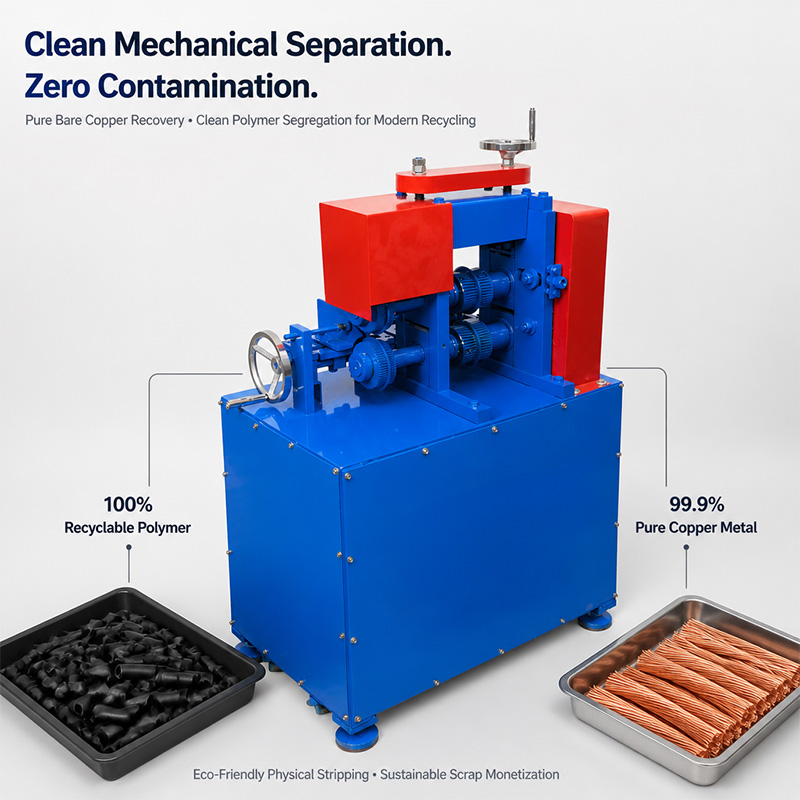
When it comes to efficiently handling and processing waste cables, investing in the best cable stripper is essential for businesses in the recycling industry. These machines are specifically designed to remove insulation from various types of cables, enhancing the value of the metal for resale or recycling purposes. B2B buyers, including purchasing managers and engineers, have various concerns regarding specifications, quality, and supplier reliability before making a purchase. This article will guide you through key specifications, supplier sourcing, essential features, quality control measures, and installation guidance for effective use of cable strippers.

Where to Find Reliable Suppliers of Quality Cable Strippers

Where to Find Reliable Suppliers of Quality Cable Strippers

Finding a reputable supplier is crucial for businesses looking to invest in cable strippers. Here are several avenues to explore:

Industry Trade Shows: Attending relevant trade shows provides opportunities to meet manufacturers face-to-face. This can help in evaluating product quality and building relationships with potential suppliers.

Online Marketplaces: Websites like Alibaba and Made-in-China host numerous suppliers of industrial equipment, including cable strippers. Look for suppliers with verified credentials and positive customer reviews.

Industry Associations: Joining industry associations related to recycling and manufacturing can offer access to a network of reputable suppliers. These associations often provide directories or member lists that can facilitate your search.

Referrals and Reviews: Seek recommendations from industry peers or check online forums where buyers share their experiences. This can provide insights into the reliability and performance of different suppliers.

By leveraging these resources, buyers can identify trustworthy suppliers that offer high-quality cable strippers tailored to their specific needs. Additionally, some suppliers may offer a Shredding Machine to complement your cable processing operations.

What to Look For

What to Look For

When selecting the best cable stripper, several crucial features and considerations should not be overlooked:

Ease of Use: Look for machines that are user-friendly, with intuitive controls and clear operating instructions. This will minimize training time and reduce the risk of operator error.

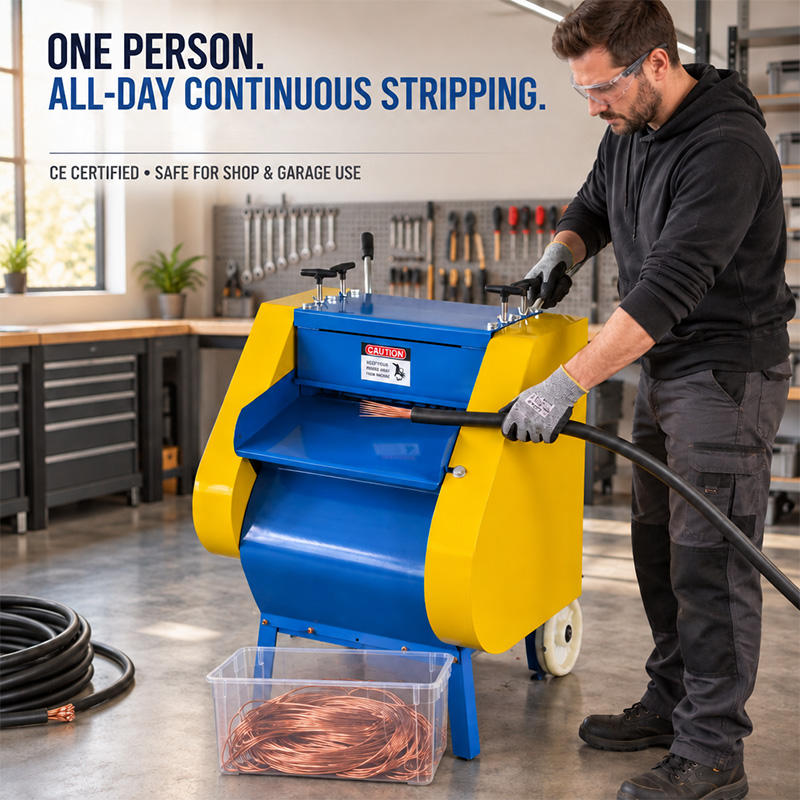
Safety Features: Ensure the cable stripper is equipped with safety mechanisms, such as emergency stop buttons and protective covers. This is important to safeguard operators during use.

Durability and Build Quality: The materials used in construction can impact the longevity of the machine. High-quality components may offer better resistance to wear and tear, ensuring a longer service life.

Customization Options: Some suppliers offer customization for cable strippers to meet specific operational needs. This can include adjustments in size, power, or additional features tailored to your application.

After-Sales Support: Reliable customer support and availability of spare parts are essential for minimizing downtime. Ensure the supplier provides adequate after-sales service to address any operational issues.

By focusing on these aspects, buyers can select a cable stripper that not only meets their current needs but also adapts to future requirements.

Quality Control Measures in Cable Stripper Manufacturing

Quality Control Measures in Cable Stripper Manufacturing

Quality control is a critical aspect of cable stripper manufacturing, ensuring that the finished products meet industry standards and customer expectations. Here are some common measures that reputable manufacturers implement:

Material Inspection: Before production begins, incoming materials are thoroughly inspected for quality and compliance with specifications. This ensures that only suitable materials are used in manufacturing.

In-Process Testing: During the manufacturing process, various tests are conducted to monitor the performance of components. For example, cutting blades may undergo hardness testing to confirm their durability.

Final Product Testing: Once assembled, each cable stripper should undergo rigorous testing to evaluate performance metrics such as stripping efficiency and safety features. This helps identify any defects before the product reaches the customer.

Certifications: Look for suppliers that adhere to international quality standards, such as ISO 9001. Certification indicates that the manufacturer follows established quality management practices.

Customer Feedback: Manufacturers that actively seek feedback from users after purchase can refine their products and address any recurring issues, enhancing overall quality.

By understanding these quality control measures, buyers can make informed decisions about the reliability and performance of the cable strippers they consider.

Installation Guidance for Efficient Use of Cable Strippers

Proper installation of cable strippers is essential for maximizing efficiency and ensuring safe operation. Here are some key steps to follow:

Site Preparation: Ensure that the installation area is clear, well-lit, and adequately ventilated. Also, confirm that the electrical supply matches the machine's requirements.

Assembly Instructions: Follow the manufacturer's assembly instructions carefully. This may include attaching components, securing the machine to the floor, or integrating any additional equipment.

Calibration: After installation, calibrate the cable stripper according to the manufacturer’s guidelines. This ensures that the machine operates at optimal settings for the specific types of cables being processed.

Operator Training: Train operators on the correct use and maintenance of the cable stripper. Ensure they understand all safety features and operational procedures to minimize risks of accidents.

Regular Maintenance: Establish a maintenance schedule that includes routine checks on cutting blades, electrical components, and safety features. Regular maintenance can prevent unexpected breakdowns and prolong the machine's life.

Adhering to these installation guidelines will help ensure that cable strippers operate efficiently and safely, providing maximum productivity for your recycling operations.

Key Specifications for Wholesale Buyers

When evaluating the best cable stripper, buyers should focus on several key specifications to ensure the machine meets their operational needs.

Material Compatibility: The cable stripper should be capable of handling various cable types, including copper, aluminum, and multi-stranded cables. Confirm that the machine can effectively strip the specific materials you deal with.

Cutting Capacity: This specification indicates the maximum thickness of cable the stripper can handle. For example, if your operations involve larger cables, seek models that can accommodate thicker gauges.

Dimensions and Weight: The size and weight of the stripper can impact its mobility and storage. If space is a concern, compact models may be more suitable.

Power Requirements: The power consumption of the cable stripper should align with your facility's electrical infrastructure. Understanding whether the machine requires single-phase or three-phase power can help avoid compatibility issues.

Production Rate: This metric measures how quickly the machine can process cables, typically expressed in kilograms per hour. Assess your production needs to select a model that meets or exceeds your output requirements. A reliable Copper Granulator can also enhance your recycling capabilities.

By closely examining these specifications, buyers can ensure they select a cable stripper that aligns with their operational demands and budget.

Frequently Asked Questions

What makes your cable stripper the best choice?

Our cable stripper combines durable engineering, high recycling yield, and customizable options from design to after-sales support, ensuring reliable performance for waste cable and metal processing.
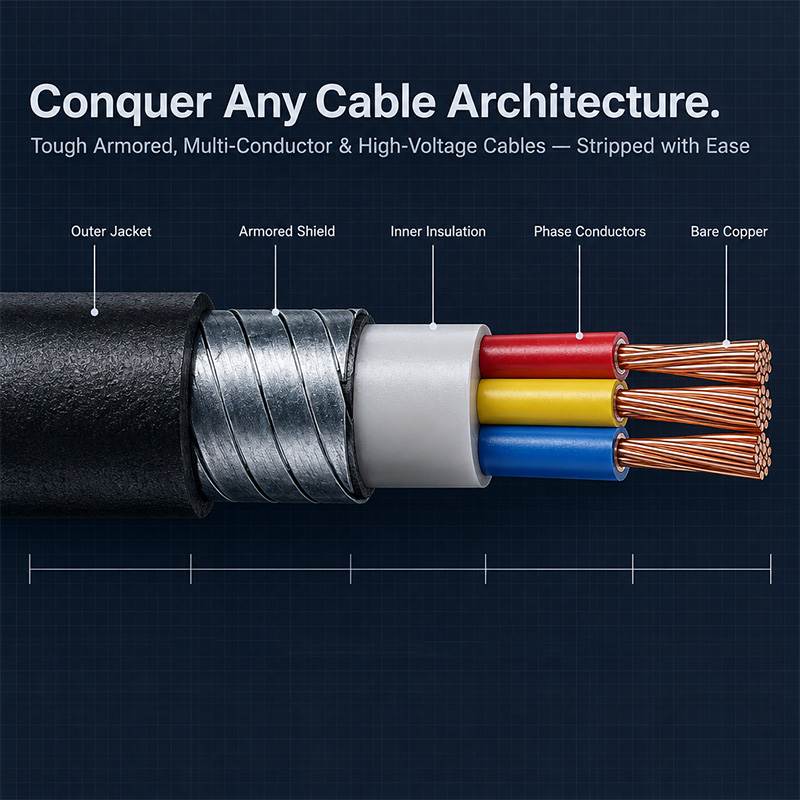
Models handle a wide range of insulated and armored cables of various diameters. We offer specifications and customization to match your feed size and material for optimal stripping.
Yes. We provide one-stop support including installation guidance, operator training, and technical documentation to ensure smooth startup and safe operation.
We offer spare parts, remote and onsite technical support, maintenance guidance, and tailored service plans to maximize uptime and recycling efficiency.
Absolutely. With integrated R&D and manufacturing, we provide tailored designs, capacity adjustments, and integration advice to fit your specific recycling workflow.

Get a Free Quote

Tell us about your recycling needs, and our team will recommend the right equipment and solution for your project.
0/1000