Electric Motor Recycling Machine Overview

application/electric-motor-recycling-machine, application/electric-motor-recycling-machine, 
Inquiry
Inquiry

electric motor recycling machine

Electric motor recycling machines are essential tools in the waste management and recycling sectors, allowing for the efficient recovery of valuable materials from discarded or obsolete electric motors. As purchasing managers and industrial buyers seek sustainable solutions to manage waste, understanding the specifications, functionalities, and applications of these machines becomes crucial. This article will provide insights into selecting the right electric motor recycling machine, key features to consider, cost factors, and the various industrial applications of these machines.

How to Choose the Right Electric Motor Recycling Machine for Your Needs

How to Choose the Right Electric Motor Recycling Machine for Your Needs

Selecting the right electric motor recycling machine involves assessing multiple factors tailored to your specific requirements. First, determine the volume of electric motors you expect to process. A higher volume will necessitate a machine with a greater processing capacity and potentially advanced features to enhance efficiency.

Next, evaluate the types of motors you will be recycling. Some machines are designed to handle specific types of motors better than others. For example, if your operation deals primarily with large industrial motors, you may require a machine with specialized features to accommodate those sizes. The LS-600B 22 kW Dual-Shaft Shredder for Waste Pre-Processing is an excellent option for larger applications.

Customization options also play a vital role in your decision. Some manufacturers, like Hangzhou Lansing Machinery Co., Ltd., offer bespoke solutions tailored to unique operational needs. Discussing your requirements with the manufacturer can lead to a solution that maximizes efficiency and cost-effectiveness.

Lastly, consider the machine's after-sales support and warranty. A reliable manufacturer will provide comprehensive technical support, spare parts availability, and maintenance services, ensuring continuous operation and minimizing downtime.

Key Features of Electric Motor Recycling Machines

Key Features of Electric Motor Recycling Machines

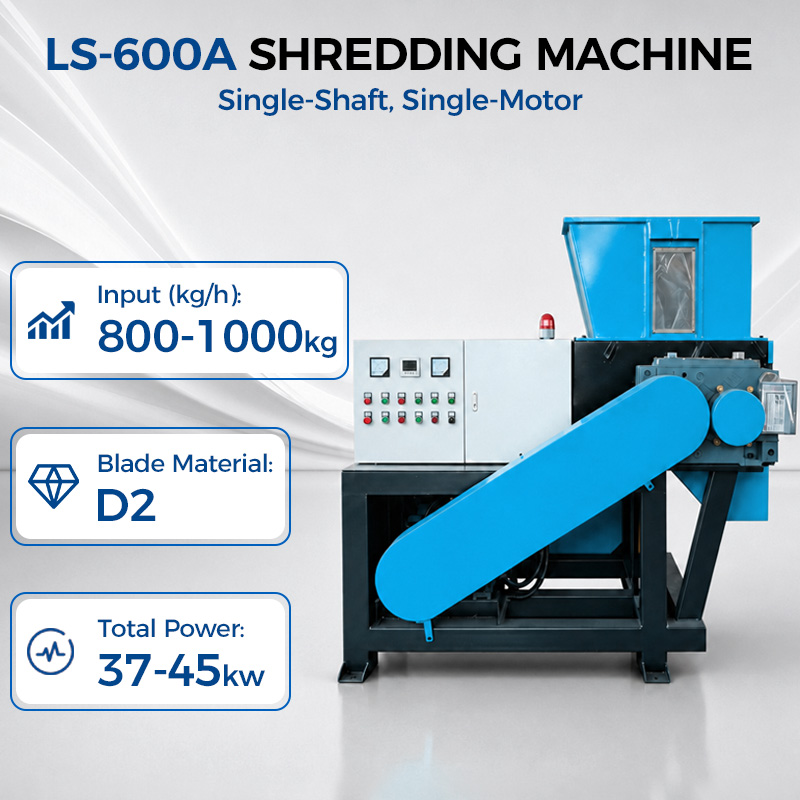
Electric motor recycling machines come with a range of features designed to enhance performance and efficiency. One significant feature is the shredding mechanism, which breaks down motors into smaller, manageable pieces. This is crucial for facilitating further processing and material separation.

Another key feature is the magnetic separator, which helps in extracting ferrous metals from the shredded material. This process not only increases material recovery rates but also ensures that non-ferrous materials, such as copper and aluminum, can be efficiently separated for recycling.

Advanced machines may also include automated systems for monitoring and controlling various operational parameters, such as temperature and processing speed. These features help maintain optimal performance, reduce the risk of operational failures, and ensure consistent output quality.

Additionally, safety features such as emergency stop buttons and protective enclosures are essential for ensuring operator safety and compliance with industry regulations. Buyers should always verify that the machines meet local safety standards.

Cost Factors to Consider When Purchasing Electric Motor Recycling Machines

Cost Factors to Consider When Purchasing Electric Motor Recycling Machines

The cost of electric motor recycling machines can vary widely based on several factors. Initial purchase price is often the most apparent cost, but buyers should also consider long-term operational costs, including energy consumption, maintenance, and potential downtime.

When assessing the initial cost, it is essential to look beyond the sticker price. Consider the machine's processing efficiency, as a more expensive machine may yield better returns in terms of material recovery and lower operational costs over time.

Another cost factor to consider is the potential for customization. Customized machines may come with a higher upfront cost but can provide significant savings in the long run by improving processing efficiency and reducing waste.

Additionally, consider the financing options available. Some manufacturers offer leasing programs or financing plans that can help manage cash flow and reduce the immediate financial burden of purchasing new equipment.

Finally, don't overlook the importance of warranty and service plans. Investing in a machine with a strong warranty and comprehensive service agreement can mitigate unexpected repair costs and ensure continued operation.

Applications of Electric Motor Recycling Machines in Various Industries

Electric motor recycling machines play a vital role across multiple industries, including manufacturing, automotive, and electronics. In manufacturing, these machines are used to recycle obsolete motors, allowing for the recovery of valuable metals and reducing waste.

In the automotive industry, where electric motors are increasingly prevalent, these machines facilitate the recycling of motors from electric vehicles (EVs) and hybrid vehicles. As the demand for EVs grows, so does the need for efficient recycling solutions to recover materials like copper, aluminum, and rare earth metals. The LX-300A 100-150kg/h Copper Wire Granulator for Scrap Cables can significantly aid in this process.

The electronics sector also benefits from electric motor recycling machines, as they can process motors found in various electronic devices. By recycling these motors, companies can reclaim metals and reduce their environmental footprint.

Overall, the versatility of electric motor recycling machines makes them indispensable in promoting sustainability and resource recovery across diverse industrial applications. By understanding the specifications, features, and cost factors, businesses can make informed decisions that align with their operational needs and environmental goals.

Understanding Electric Motor Recycling Machine Specifications

When evaluating electric motor recycling machines, buyers should focus on several key specifications. The machine's processing capacity, typically measured in tons per hour, indicates how much material can be handled within a specific timeframe. This is crucial for ensuring that the machine can meet your operational demands.

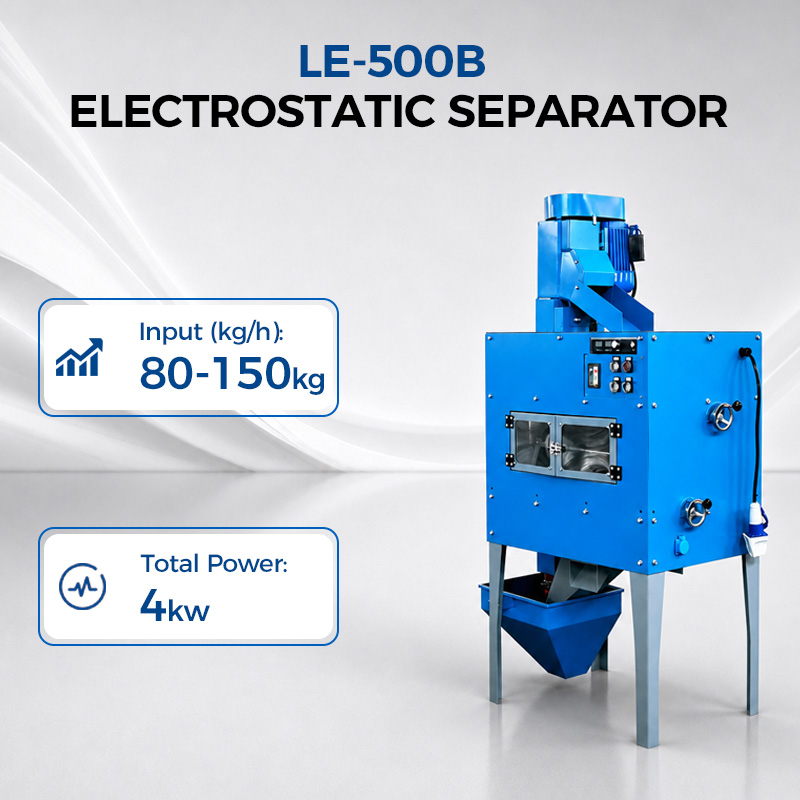
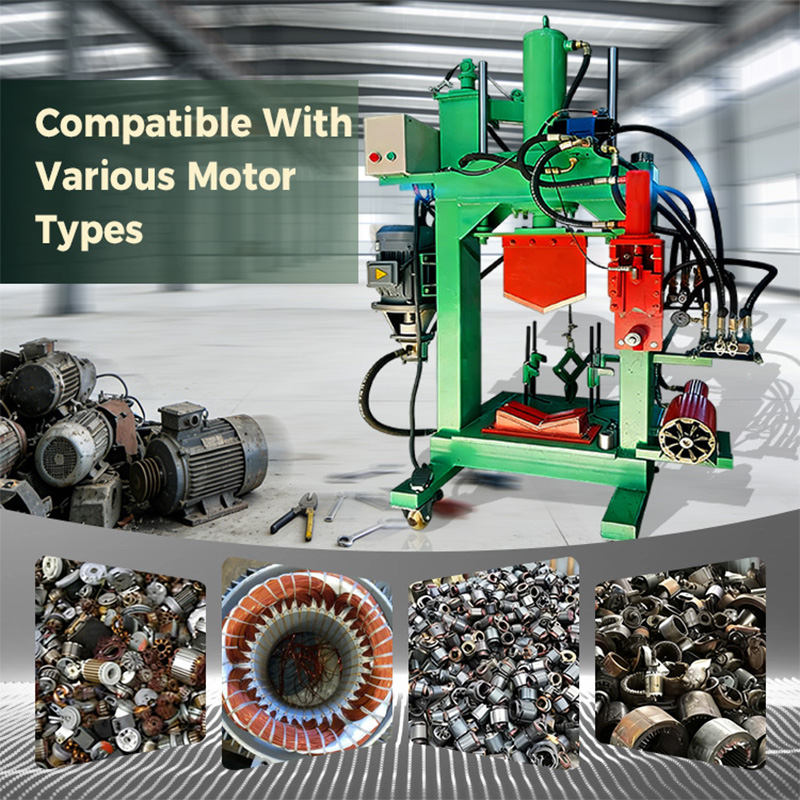
Another important specification to consider is the type of materials the machine can process. Many electric motor recycling machines can handle different types of motors, including AC and DC motors, as well as various sizes and configurations. Understanding the compatibility with your existing waste streams is essential for effective recycling. For example, the LE-500B Electrostatic Separator for Copper and Plastic Recovery is designed to efficiently process various materials.

Additionally, the machine's energy consumption and operational efficiency are critical factors. Electric motors can be energy-intensive, so selecting a machine with high efficiency ratings can lead to significant cost savings in the long run. Buyers should also consider the machine's footprint and ease of integration into existing production lines or facilities.

Get a Free Quote

Tell us about your recycling needs, and our team will recommend the right equipment and solution for your project.
0/1000