Essential Specifications for Wire Granulators

application/wire-granulator, application/wire-granulator, 
Inquiry
Inquiry

wire granulator

Wire granulators are essential machines in the recycling industry, designed to efficiently process waste cables and recover valuable metals. For businesses looking to invest in this equipment, understanding the key specifications, cost factors, common issues, applications, and reliable suppliers is crucial. This article will address these essential considerations to help purchasing managers and engineers make informed decisions when sourcing wire granulators.

Understanding Cost Factors in Wire Granulator Procurement

The total cost of acquiring a wire granulator extends beyond the initial purchase price. Key cost factors include:

Purchase Price: This is the upfront cost of the machine, which can vary widely depending on the brand, model, and features. Buyers should compare prices from different suppliers and ensure that the quoted price aligns with the features offered.

Installation and Setup: Additional costs may arise from the installation and setup of the equipment. Depending on the complexity, it might require professional assistance.

Maintenance and Repairs: Regular maintenance is necessary to keep the granulator running efficiently. An understanding of the expected maintenance costs, including spare parts and service contracts, is essential for long-term budgeting.

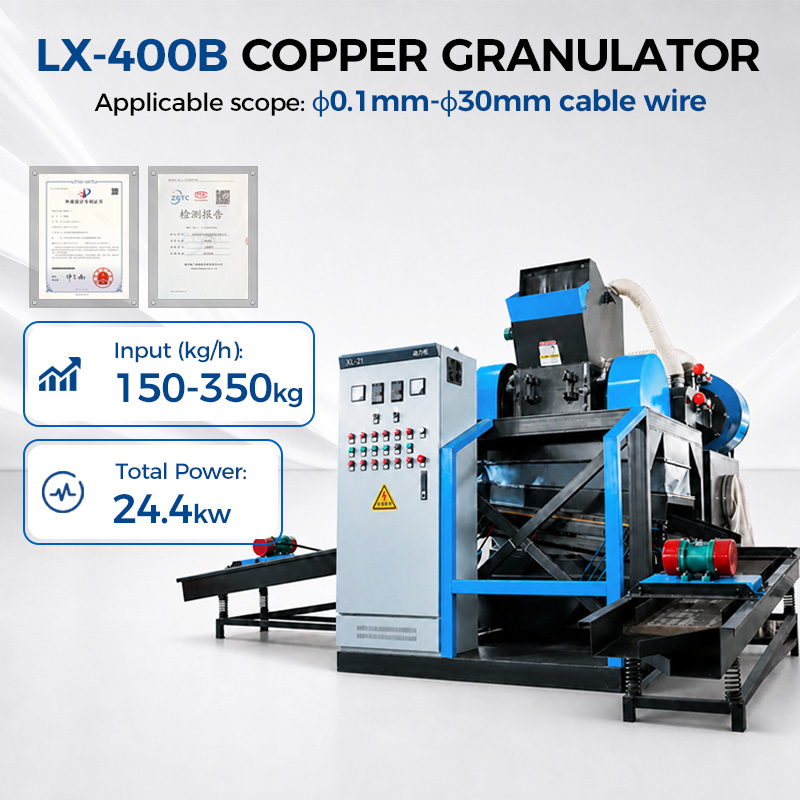
Operational Costs: These include energy consumption, which can be significant depending on the granulator's motor size and efficiency. Buyers should assess the energy efficiency ratings of different models to estimate ongoing operational expenses. Models like the LX-400B Copper Wire Granulator with Cooling System can offer better energy savings.

Training Costs: If the granulator requires specialized operation, consider the cost of training personnel to operate the machine effectively. Proper training can enhance productivity and reduce the risk of operational errors.

By evaluating these cost factors, businesses can create a comprehensive budget that accounts for the total investment.

Common Problems with Wire Granulators and Effective Solutions

Wire granulators, like any machinery, can encounter issues that may affect their performance. Here are common problems and suggested solutions:

Jamming: This can occur if the granulator is fed materials that exceed its capacity or are not suitable for its design. To prevent jamming, operators should ensure that all materials are within the specified diameter and that the machine is not overloaded.

Insufficient Separation: If the granulator fails to separate metals from insulation effectively, it may be due to worn blades or incorrect settings. Regular maintenance, including blade sharpening or replacement, and verifying machine settings can mitigate this issue.

Overheating: Continuous operation can lead to overheating, potentially damaging the motor. Monitoring the machine's temperature and allowing for cooling breaks can help maintain optimal performance.

Electrical Issues: Problems with the electrical system can halt operations. It's advisable to have a qualified technician conduct regular inspections to identify and resolve any electrical concerns promptly.

Noise and Vibration: Excessive noise or vibration may indicate mechanical problems. Regular maintenance inspections can help identify wear and tear, allowing for timely repairs.

Addressing these common problems with proactive measures can enhance the reliability and efficiency of wire granulators.

Applications of Wire Granulators in Recycling Operations

Wire granulators play a crucial role in various recycling applications, particularly in the recovery of valuable metals from waste cables. Key applications include:

Electrical Wire Recycling: Granulators effectively process insulated wires, stripping away insulation and recovering copper or aluminum. This process is vital for businesses focused on maximizing the value of scrap cables.

Electronic Waste Recycling: In operations that handle electronic waste, wire granulators can separate wires from circuit boards and other components, allowing for the extraction of precious metals.

Automotive Recycling: Used automotive cables can be processed through granulators to recover metals, contributing to the overall recycling of vehicle components.

Telecommunications Recycling: As telecommunications equipment is retired, wire granulators help reclaim valuable metals from outdated wiring systems. Machines like the LX-300A Copper Wire Granulator for Scrap Cables are particularly effective in this sector.

These applications demonstrate the versatility of wire granulators in various recycling sectors, emphasizing their importance in sustainable operations.

Where to Find Reliable Suppliers of Wire Granulators

Finding reliable suppliers for wire granulators is essential for ensuring quality and performance. Here are some strategies for sourcing reputable manufacturers:

Industry Directories: Utilize industry-specific directories and marketplaces that list manufacturers and suppliers of recycling equipment. These platforms often include user reviews and ratings, helping buyers make informed choices.

Trade Shows and Expos: Attending industry trade shows provides an opportunity to meet manufacturers directly, view equipment demonstrations, and gather information about the latest technology advancements.

Online Research: Conduct thorough online research to identify suppliers with a solid reputation in the industry. Look for manufacturers that provide detailed product specifications, certifications, and customer testimonials.

Networking: Connect with industry peers through professional organizations or online forums. Recommendations from fellow professionals can lead to reputable suppliers with a track record of quality products.

Requesting Quotes: Once potential suppliers are identified, requesting detailed quotes that include specifications, pricing, and lead times can help in comparing options effectively.

By following these strategies, purchasing managers can locate trustworthy suppliers that meet their operational requirements for wire granulators.

Specifications to Consider When Sourcing Wire Granulators

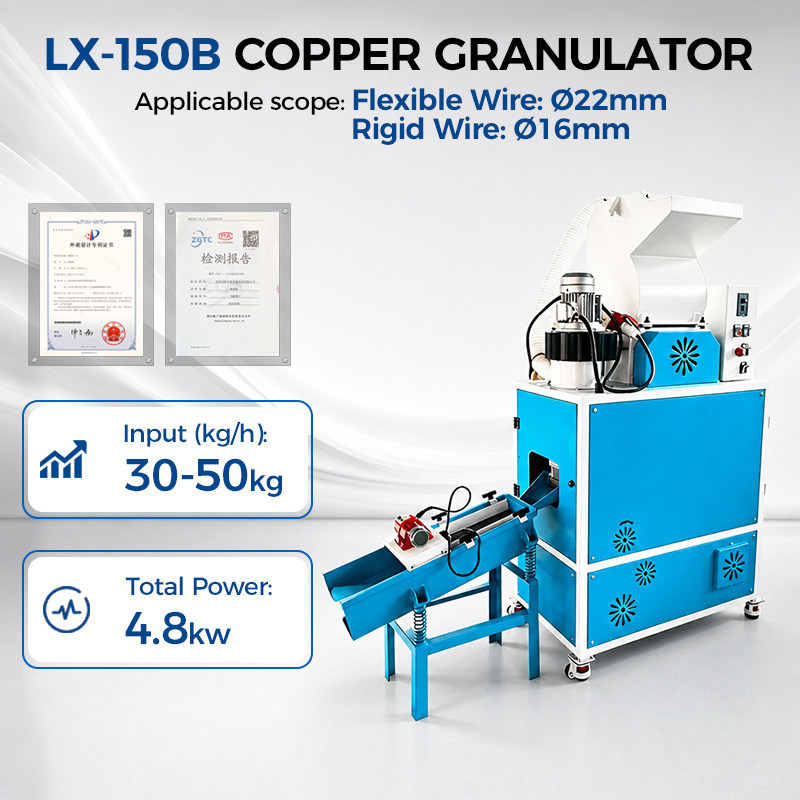
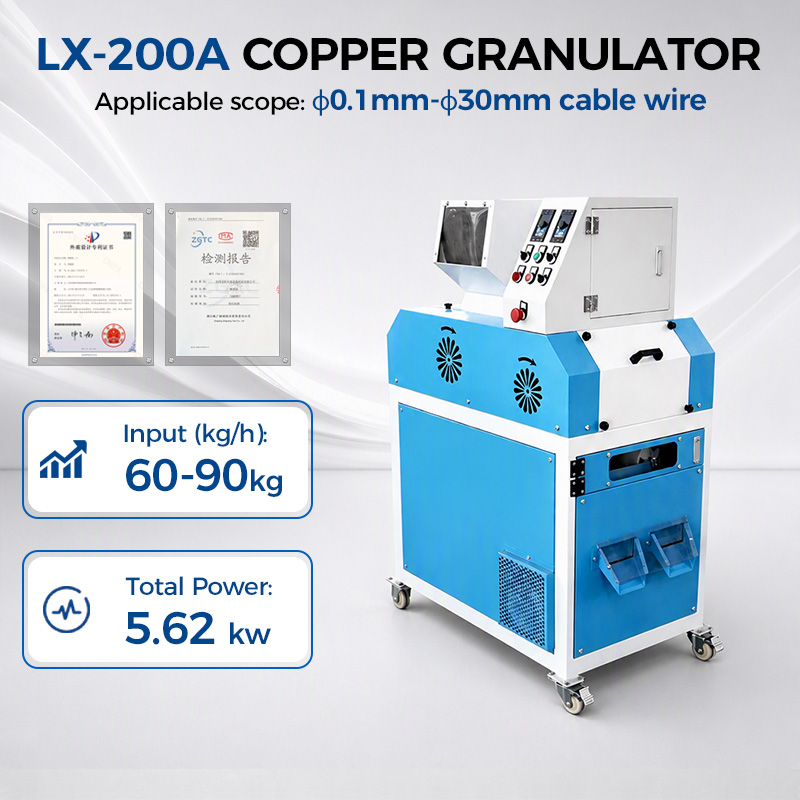
When sourcing wire granulators, several specifications must be evaluated to ensure they meet your operational needs. Key specifications include processing capacity, wire diameter compatibility, and separation efficiency.

Processing Capacity: This refers to the amount of material a granulator can handle per hour. It's vital to select a machine that matches your production volume to avoid bottlenecks. A unit with higher processing capacity may provide better efficiency for larger operations.

Wire Diameter Compatibility: Different granulators are designed to handle specific wire diameters. Ensuring that the machine can accommodate the types of cables you will process is crucial. If your operation involves various wire sizes, look for models with adjustable settings.

Separation Efficiency: This specification indicates how effectively the granulator separates materials into metals and insulation. Higher separation efficiency means better recovery of valuable materials, which can significantly impact profitability.

Motor Power and Design: The motor's power directly influences the granulator's performance. A robust motor can handle tougher materials and ensure consistent operation. Machines like the LE-1200 Electrostatic Copper-Plastic Separator with Dust Collection are notable for their powerful motors.

Dimensions and Footprint: Consider the available space in your facility. The granulator's dimensions should fit your layout while allowing for sufficient maintenance access.

By analyzing these specifications, buyers can make informed choices that align with their recycling operations' requirements.

Get a Free Quote

Tell us about your recycling needs, and our team will recommend the right equipment and solution for your project.
0/1000