Copper Wire Stripping Machines for Sale

application/copper-wire-stripping-machine-for-sale, application/copper-wire-stripping-machine-for-sale, 
Inquiry
Inquiry

copper wire stripping machine for sale

Copper wire stripping machines are essential tools in the recycling industry, particularly for companies dealing with waste cables and metals. These machines efficiently remove insulation from copper wire, allowing for the recovery of valuable metal while minimizing labor costs and increasing productivity. When considering a copper wire stripping machine for sale, purchasing managers and engineers often face concerns about machine performance, specifications, reliability, and the support provided by suppliers. This article aims to guide buyers through the selection process, highlight key specifications, and provide insights into common issues and applications associated with these machines.

Key Specifications to Consider for Copper Wire Stripping Machines

Key Specifications to Consider for Copper Wire Stripping Machines

When evaluating copper wire stripping machines, several specifications are crucial to ensuring the machine meets your operational requirements:

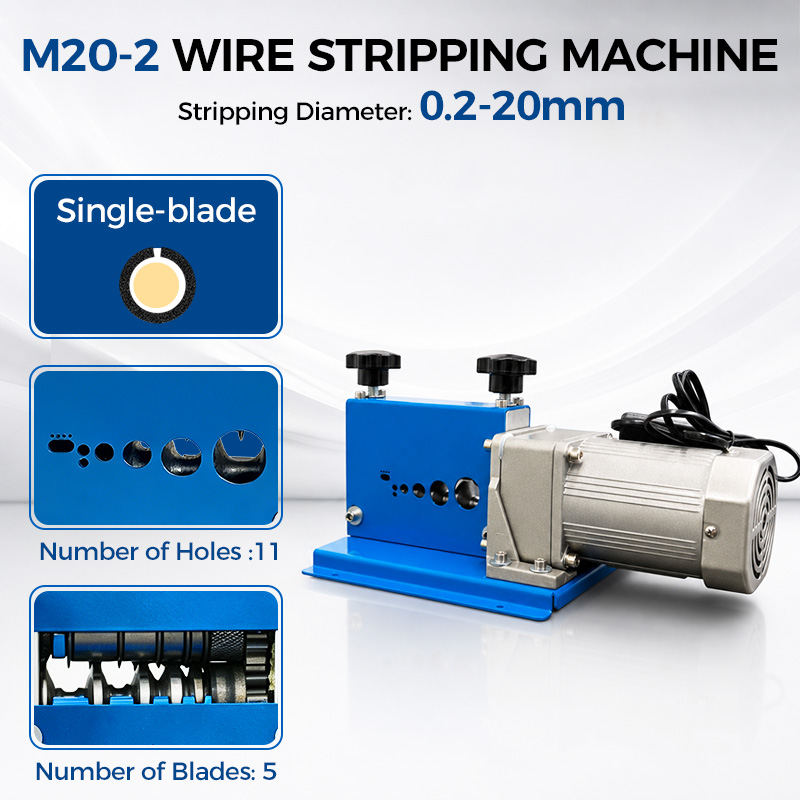
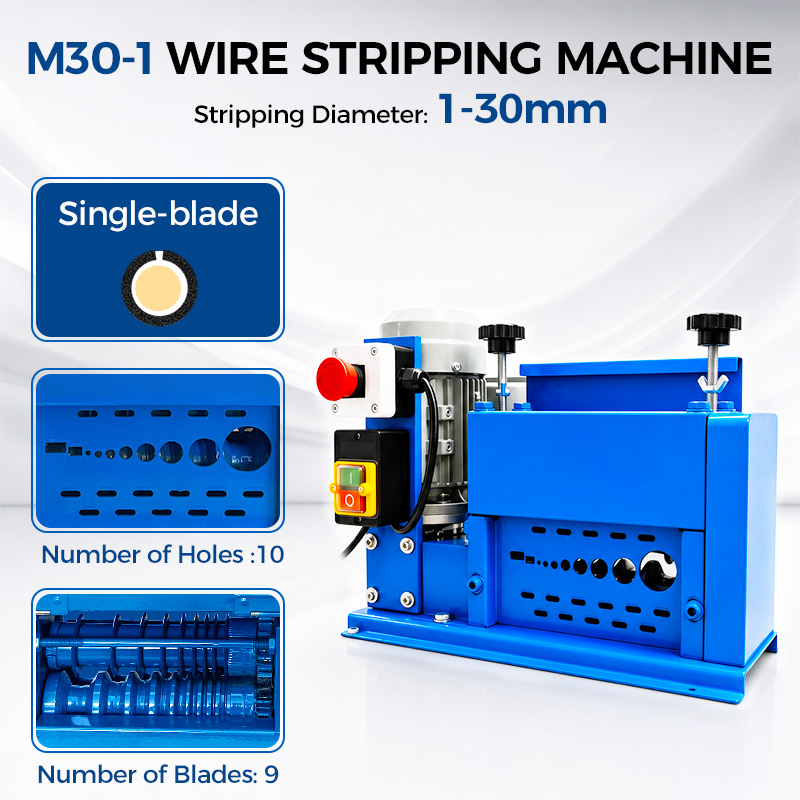
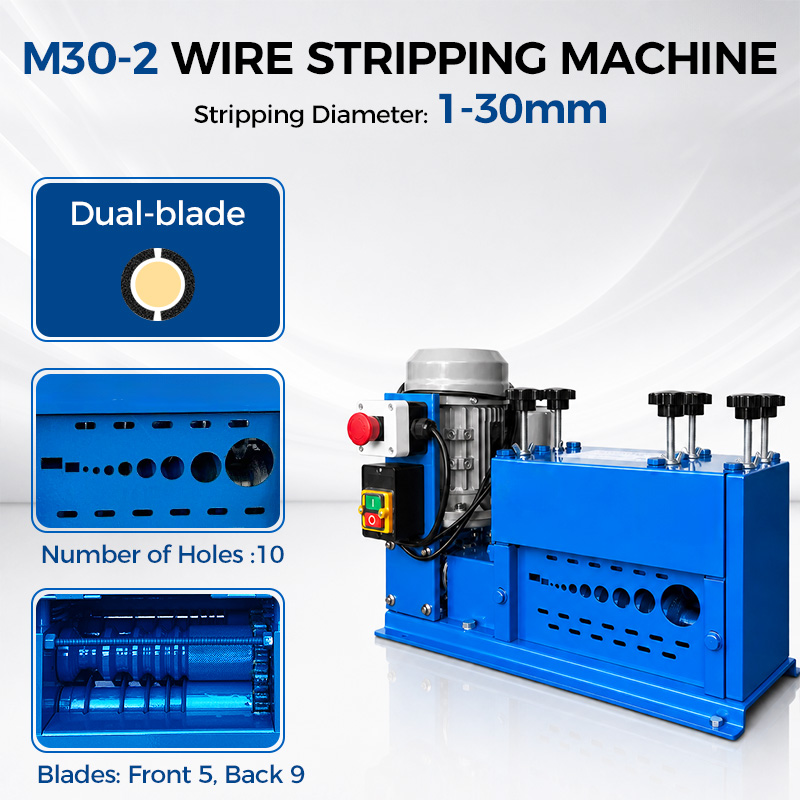
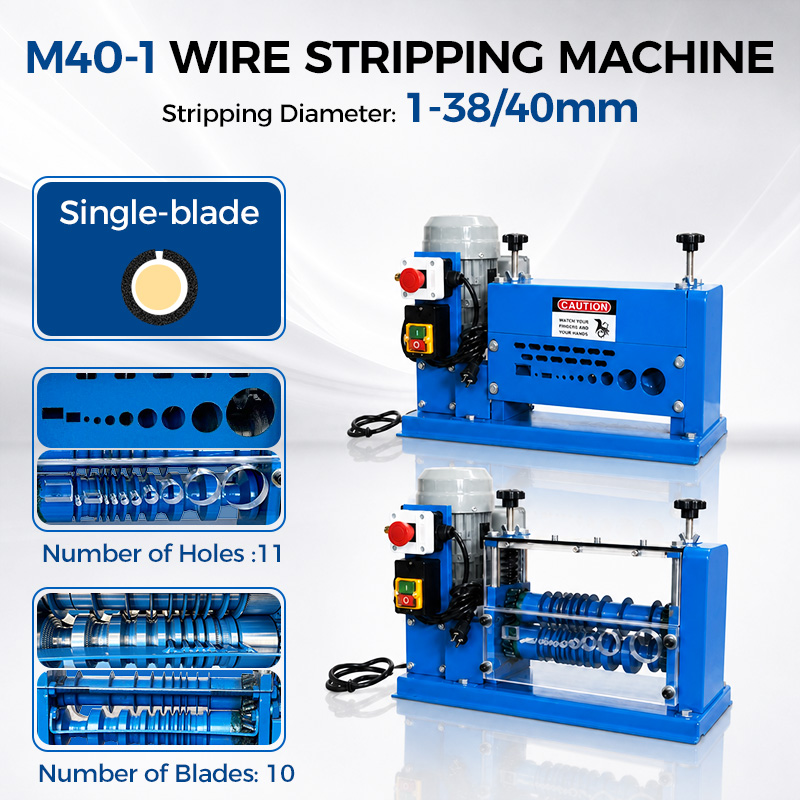
Wire Size and Capacity: Determine the range of wire sizes the machine can handle. Machines typically accommodate wire diameters from 1 mm to 100 mm, with varying capacities for each size. Confirm that the machine can process the specific types of wire you plan to recycle.

Cutting Speed and Efficiency: Look for machines that offer high cutting speeds while maintaining precision. Efficiency can be measured in meters of wire processed per hour, and higher speeds can lead to increased productivity.

Power Requirements: Consider the machine's power consumption. Ensure that it aligns with your facility's electrical capabilities and operational costs.

Construction Materials: Machines made from durable, high-quality materials tend to have longer lifespans and better performance. Look for options with corrosion-resistant coatings, as stripping machines often operate in environments exposed to dust and moisture.

Customization Options: Some manufacturers offer customizations tailored to specific needs, such as specialized blades or additional safety features. Discuss these options with potential suppliers to find a machine that perfectly fits your requirements.

Finding Reliable Copper Wire Stripping Suppliers

Finding Reliable Copper Wire Stripping Suppliers

Finding trustworthy suppliers for copper wire stripping machines can be challenging, given the variety of options available. Start by researching manufacturers with a solid reputation in the recycling equipment industry. Look for companies that have integrated manufacturing capabilities, research and development expertise, and a commitment to customer service.

Request references or case studies from potential suppliers to gauge their reliability. Engaging with existing customers can provide insights into the machine's performance and the supplier's support services. Additionally, verify any certifications or industry compliance that the supplier holds, as these can reflect their commitment to quality and safety standards.

Finally, consider the geographical proximity of the supplier, as local suppliers may offer quicker response times for service and support. Suppliers who provide comprehensive after-sales service, including installation assistance and training, can also help ensure smooth operations. Moreover, investing in a Copper Granulator can also enhance your recycling capabilities.

Common Problems with Copper Wire Stripping Machines and Solutions

Common Problems with Copper Wire Stripping Machines and Solutions

Despite their efficiency, copper wire stripping machines can encounter several common issues. Understanding these problems and their solutions can help you maintain optimal machine performance:

Blade Dullness: Over time, the blades used for stripping can become dull, leading to ineffective stripping and increased wear on the machine. Regular maintenance, including blade sharpening or replacement, is essential. Establish a routine maintenance schedule to ensure blades are in optimal condition.

Jamming: Jamming can occur if the wire enters the machine at the wrong angle or if the insulation is too thick. Proper operator training on wire handling and machine operation can minimize this issue. Additionally, machines with adjustable feed rates can help accommodate different wire types, reducing the likelihood of jamming.

Electrical Failures: Electrical issues can disrupt operations. Ensure that the machine is installed correctly and that electrical connections are secure. Regular inspections of wiring and electrical components can prevent unexpected failures.

Inconsistent Stripping: If the machine produces inconsistent results, check for issues such as incorrect blade settings or insufficient pressure on the wire. Many machines allow for adjustments to blade height and pressure, which should be regularly reviewed to maintain consistent performance.

Applications of Copper Wire Stripping Machines in the Industry

Copper wire stripping machines serve various applications across multiple industries, making them versatile tools for recycling operations. Some key industries include:

Electronics Manufacturing: In electronics, copper wires are prevalent in circuit boards and wiring harnesses. Stripping machines help recover copper from obsolete or defective products, contributing to waste reduction and resource recovery.

Automotive Industry: Automotive manufacturers often deal with wiring harnesses and cables that need to be stripped for recycling. Efficiently processing these materials can lead to significant cost savings and environmental benefits.

Construction and Demolition: Construction sites frequently generate waste copper from electrical installations. Stripping machines enable contractors to reclaim valuable materials, reducing disposal costs and promoting sustainability.

Telecommunications: Telecom companies can utilize wire stripping machines to recycle old cables and wires, ensuring that valuable copper is not wasted and can be repurposed for new applications.

Understanding the specific requirements and capabilities of copper wire stripping machines, along with the potential challenges and industry applications, is essential for making informed purchasing decisions. By focusing on these factors, buyers can ensure they select the right machine for their needs, leading to improved productivity and cost savings in their operations.

Choosing the Right Copper Wire Stripping Machine for Your Needs

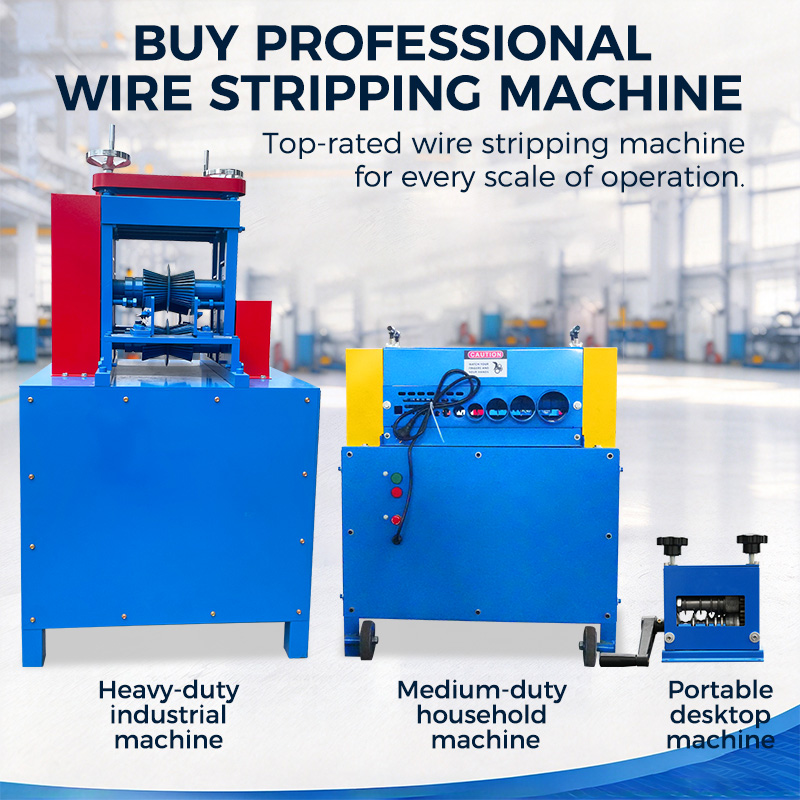
Selecting the right copper wire stripping machine involves assessing your specific operational needs and production volume. Consider factors such as wire types, insulation thickness, and expected output. For instance, if you're primarily processing thin-walled wires, a manual or semi-automatic machine may suffice. However, for larger operations handling various wire sizes and types, an automatic machine with adjustable settings will provide greater efficiency and flexibility. In some cases, utilizing a Shredding Machine can also complement your wire stripping process.

Additionally, evaluate the machine's features, such as cutting mechanisms (blades or knives), feed systems (manual vs. automatic), and safety features. Machines with built-in safety protocols can significantly reduce the risk of accidents in a fast-paced production environment. Finally, consider the manufacturer's reputation and customer support, as reliable after-sales service can be crucial for maintaining production continuity.

Get a Free Quote

Tell us about your recycling needs, and our team will recommend the right equipment and solution for your project.
0/1000