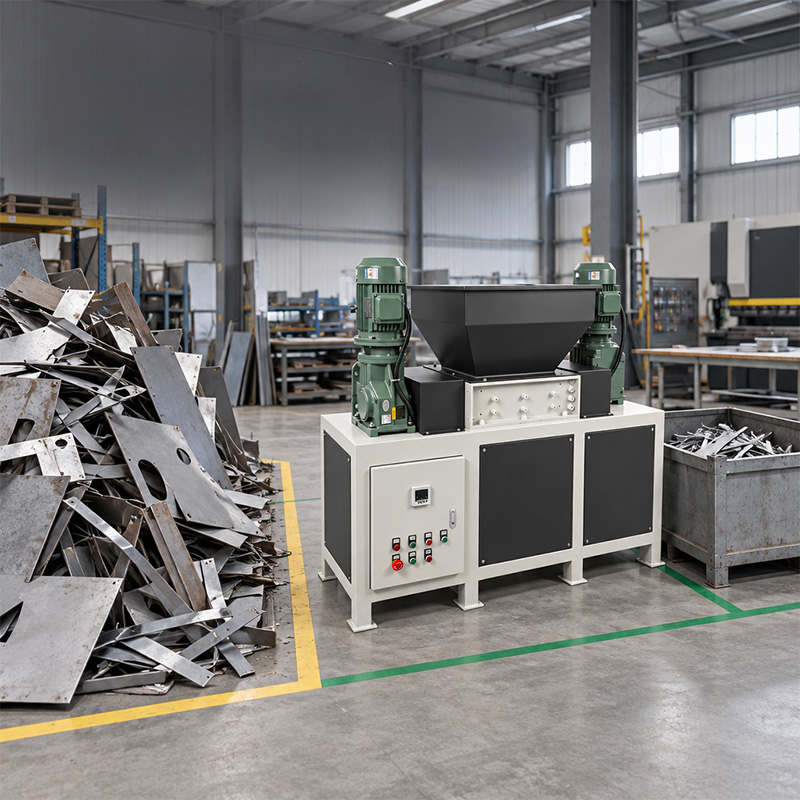
Key Considerations for Sheet Metal Shredders

application/sheet-metal-shredder, application/sheet-metal-shredder, 
Inquiry
Inquiry

sheet metal shredder

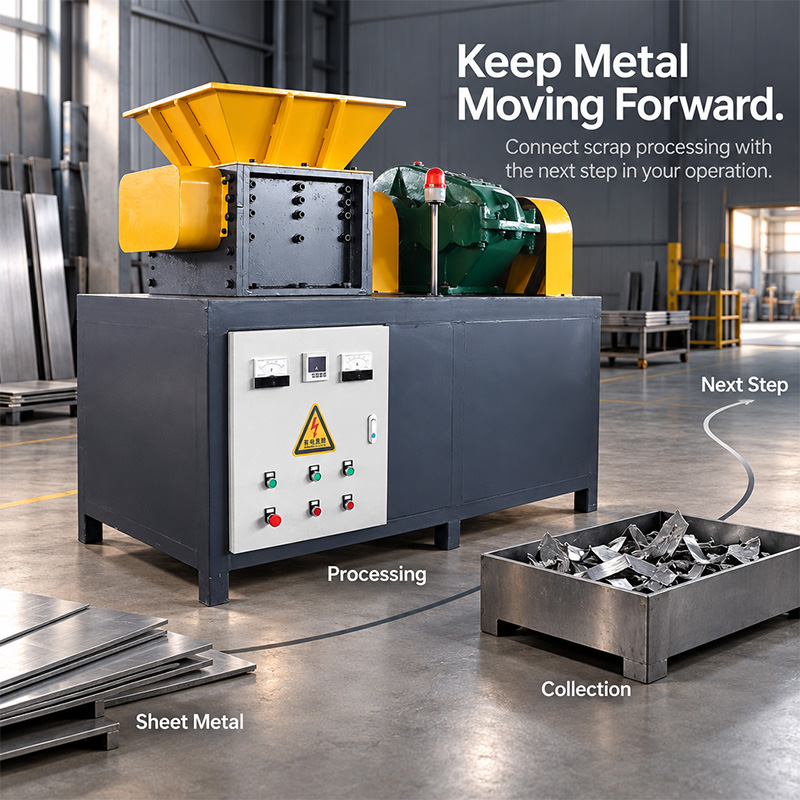
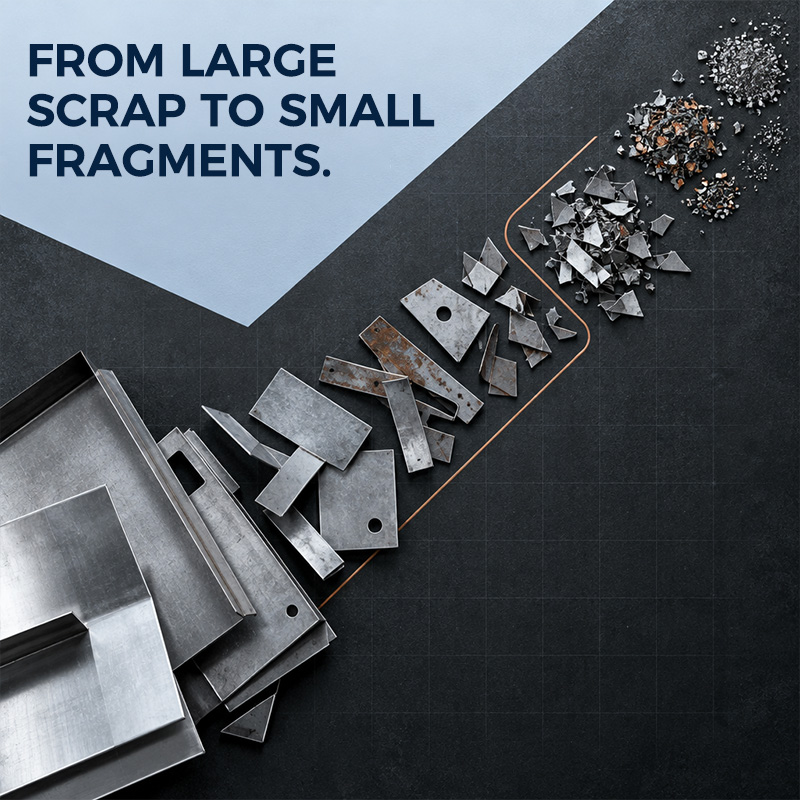
When sourcing a sheet metal shredder, understanding the critical specifications and operational requirements is vital. Sheet metal shredders are essential machines in the recycling process, designed to break down metal waste into manageable sizes for recycling or disposal. B2B buyers, including purchasing managers, engineers, and product managers, often seek reliable performance, durability, and cost-effectiveness in these machines. This article will provide insights into key specifications, quality evaluation methods, cost factors, common issues, and installation guidance for sheet metal shredders.

Installation Guidance for Your New Sheet Metal Shredder System

Installation Guidance for Your New Sheet Metal Shredder System

Evaluating the quality of sheet metal shredders involves a careful assessment of both the manufacturer and the product. Here are key steps to ensure quality:

Manufacturer Reputation: Research the manufacturer’s experience in the industry. A company with a solid track record, like Hangzhou Lansing Machinery Co., Ltd., known for reliable recycling equipment, is more likely to produce high-quality machines.

Certifications and Compliance: Check for industry certifications and compliance with safety and quality standards (e.g., ISO certifications). This can indicate the reliability and quality assurance of the manufacturing process.

Material Quality: Review the materials used in construction. High-quality metals and components typically result in longer-lasting machines. Ask for specifications on the type of steel used and its treatment processes.

Warranty and Support: A robust warranty and customer support can significantly impact the long-term value of your investment. Understand the terms of the warranty and what kind of technical support is available.

Customer Reviews and Case Studies: Look for testimonials or case studies from existing customers. This feedback can provide insights into the shredder’s performance in real-world applications. For instance, utilizing a Shredding Machine as part of your operations can yield valuable feedback from users.

By taking these steps, buyers can gain confidence in their purchasing decisions and choose shredders that will meet their operational needs effectively.

Common Problems with Sheet Metal Shredders and Effective Solutions

Common Problems with Sheet Metal Shredders and Effective Solutions

When planning for bulk orders of sheet metal shredders, several cost factors must be considered:

Unit Price: The base price of each shredder is an obvious factor. However, it’s essential to compare prices across multiple suppliers while factoring in the quality and specifications.

Shipping Costs: Bulk orders may qualify for reduced shipping rates, but it’s crucial to confirm these costs upfront. Ensure that shipping logistics align with your operational timelines to avoid delays.

Customization Fees: If you require specific modifications or features, be prepared for potential additional costs. Discuss customization options with the manufacturer early in the process to understand the implications for pricing.

Volume Discounts: Many manufacturers offer discounts for bulk purchases. Inquire about tiered pricing based on the quantity ordered to maximize savings.

Maintenance and Operating Costs: Beyond the initial purchase, consider ongoing costs such as maintenance, parts replacement, and energy consumption. A shredder that is more energy-efficient may have a higher upfront cost but lower operating expenses over time.

Understanding these cost factors will help you budget effectively and ensure that the total investment aligns with your financial capacity.

Benefits of Using a Sheet Metal Shredder in Your Manufacturing Process

Benefits of Using a Sheet Metal Shredder in Your Manufacturing Process

Sheet metal shredders can encounter several common issues throughout their operational life. Recognizing these problems and knowing how to address them is crucial for maintaining efficiency:

Jamming: Jamming can occur when materials are fed into the shredder too quickly or if the wrong type of material is introduced. To mitigate this issue, operators should adhere to the manufacturer’s guidelines on feed rates and material compatibility.

Wear and Tear on Blades: Over time, blades can become dull, impacting shredding efficiency. Regular maintenance and blade replacement are essential. Establish a maintenance schedule that includes blade inspections and replacements based on usage frequency.

Electrical Issues: Power fluctuations or faults in the wiring can lead to operational failures. Ensure that the electrical system supplying the shredder is stable and capable of handling the machine's power requirements.

Overheating: Continuous operation without adequate cooling can lead to overheating. Implementing operational pauses and ensuring proper ventilation can help prevent this issue.

Vibration and Noise: Excessive vibration or noise can indicate mechanical issues or misalignment. Regularly check for loose parts and conduct routine inspections to identify and rectify these problems early.

By understanding these common problems and implementing preventive measures, buyers can enhance the longevity and reliability of their sheet metal shredders.

How to Source Wholesale Sheet Metal Shredders for Your Business

Proper installation is critical to ensure that your sheet metal shredder operates at peak efficiency. Here are essential guidelines:

Site Preparation: Ensure that the installation site is adequately prepared to accommodate the shredder's dimensions and weight. The floor should be level, and there should be sufficient space for maintenance access.

Electrical Setup: Verify that the electrical installation meets the shredder’s specifications. Engage a qualified electrician to handle the power supply to prevent electrical issues.

Alignment and Calibration: During installation, ensure that the shredder is aligned correctly. Misalignment can lead to uneven wear and operational inefficiencies. Follow the manufacturer's guidelines for calibration to ensure optimal performance.

Safety Measures: Implement all recommended safety features during installation. This includes emergency stop buttons and safety guards around moving parts to protect operators.

Testing Before Operation: Once installed, conduct thorough testing with a small volume of material to ensure that the shredder is functioning correctly. Monitor for any unusual sounds or performance issues that may need addressing.

By adhering to these installation guidelines, buyers can maximize the performance and lifespan of their sheet metal shredders, ensuring a reliable solution for their recycling needs. Additionally, integrating a Wire Stripping Machine can further enhance the efficiency of your recycling operations.

How to Evaluate the Quality of Sheet Metal Shredders for Bulk Orders

When evaluating sheet metal shredders, several key specifications are crucial to ensure the machine meets operational needs. These include:

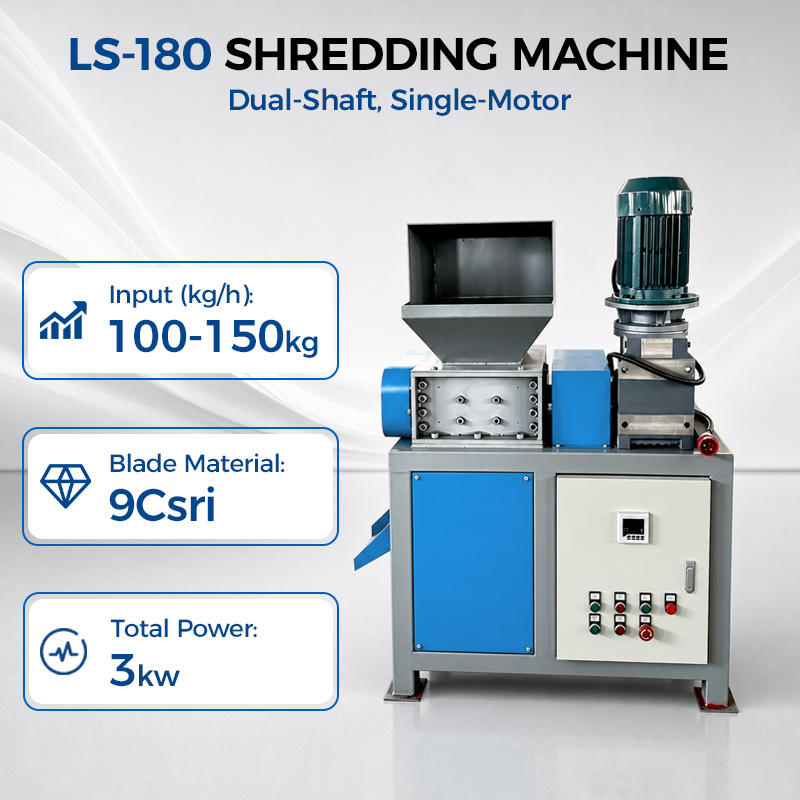
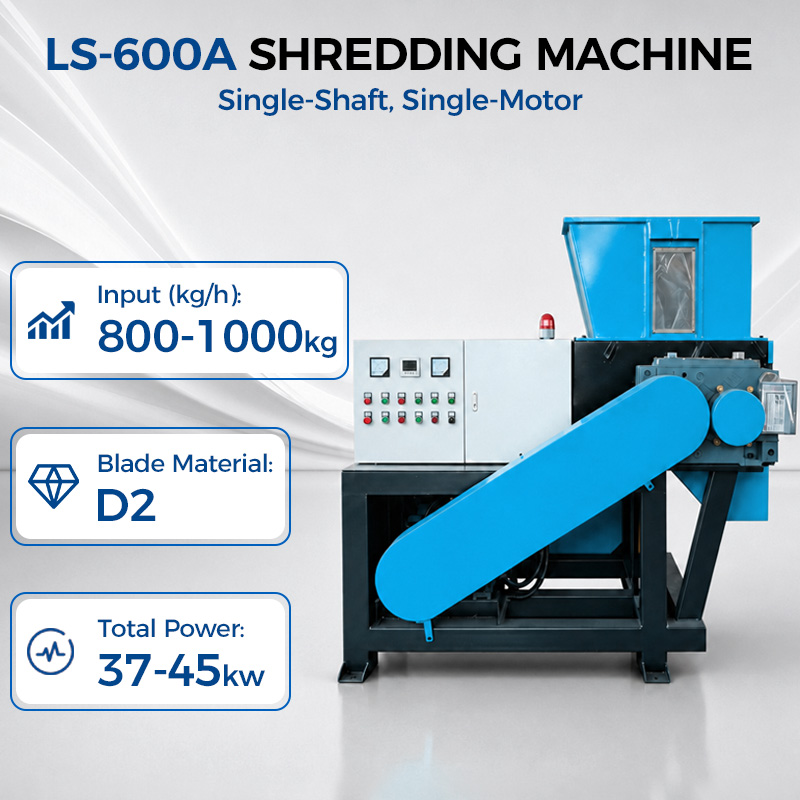
Shredding Capacity: This refers to the volume of material the shredder can handle per hour. It's vital to choose a shredder with a capacity that aligns with your processing requirements. A higher capacity may be necessary for larger operations.

Blade Configuration and Material: The design and material of the blades directly affect shredding effectiveness. High-carbon steel or hardened steel blades are preferred for durability and performance. Buyers should confirm the blade’s hardness rating and design to ensure it suits the type of metal being shredded.

Power Requirements: The motor power, often measured in kilowatts, determines the shredder’s capability. Ensure that the power supply available at your facility matches the shredder's requirements to avoid operational issues.

Dimensions and Weight: The size and weight of the shredder are important for installation and compliance with space constraints in your facility. Consider the physical footprint and whether it can fit through doorways or into specific areas of your operation.

Safety Features: Look for shredders equipped with safety mechanisms, such as emergency stop buttons and overload protection, to minimize the risk of accidents during operation.

Understanding these specifications will help ensure that the selected sheet metal shredder is capable of meeting production goals and safety standards. Additionally, considering options like a Electrostatic Separator can enhance the recycling process further.

Get a Free Quote

Tell us about your recycling needs, and our team will recommend the right equipment and solution for your project.
0/1000