Choosing the Right Small Metal Shredder

application/small-metal-shredder, application/small-metal-shredder, 
Inquiry
Inquiry

small metal shredder

In the recycling industry, a small metal shredder is a vital piece of equipment used to process various metal waste materials. These machines efficiently reduce the size of metals, making them easier to handle, transport, and recycle. For buyers such as purchasing managers and engineers, understanding how to select the right shredder is crucial for optimizing recycling operations. This article will guide you through essential considerations, specifications, supplier options, cost factors, and installation guidance to help you make an informed decision.

Key Specifications to Consider When Sourcing a Small Metal Shredder

When evaluating small metal shredders, focus on key specifications that directly affect performance and efficiency:

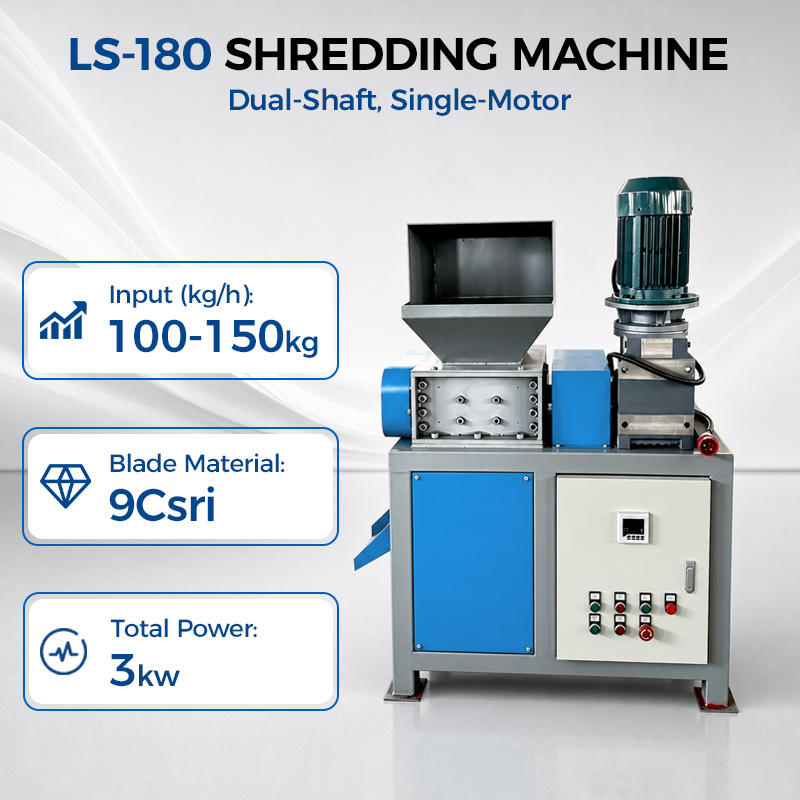
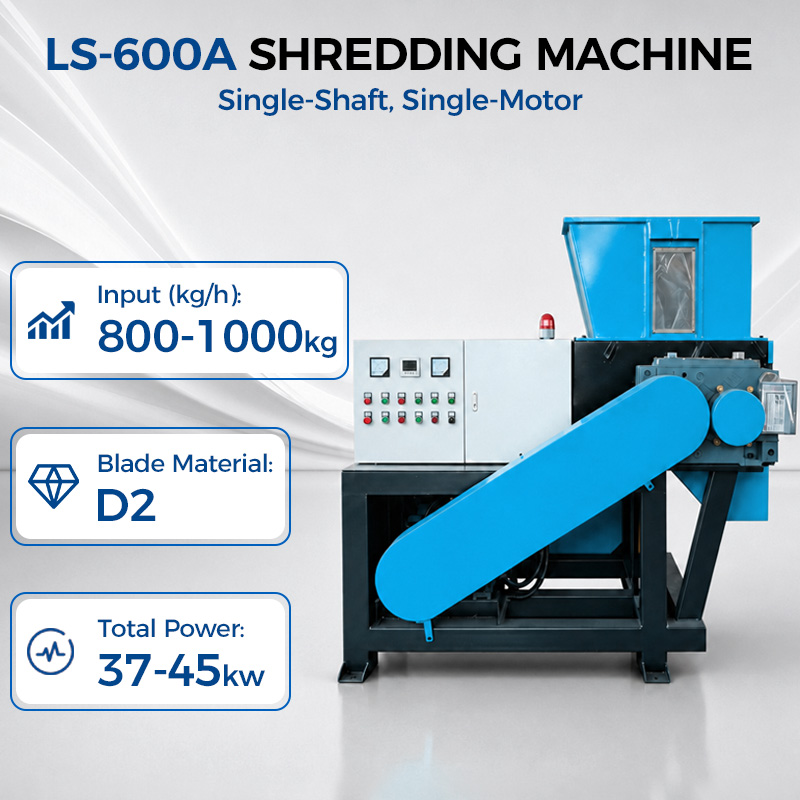
Motor Power: The motor's horsepower is a primary determinant of the shredder's capability. A more powerful motor can handle tougher materials and higher volumes, leading to improved productivity.

Blade Design: The configuration and material of the blades play a significant role in the shredding process. High-carbon steel blades often offer better durability and cutting efficiency, while different blade shapes can change the size and consistency of the output material.

Safety Features: Ensure that the shredder is equipped with safety mechanisms such as automatic shut-off, emergency stops, and protective covers. These features protect operators and minimize the risk of accidents during operation.

Dimensions and Weight: The physical size and weight of the shredder may impact installation and mobility within your facility. Confirm that the machine will fit within your designated workspace and can be easily transported if necessary.

Maintenance Requirements: Understanding the maintenance demands of the shredder is essential for long-term operability. Look for models that offer easy access to components for routine checks and repairs.

These specifications will help you compare different models and make a more informed purchasing decision. Additionally, considering options like the LX-400C 250-450kg/h Fully Enclosed Copper Wire Granulator might also enhance your recycling capabilities.

Where to Find Reliable Suppliers for Small Metal Shredder Solutions

Finding a trustworthy supplier for small metal shredders involves thorough research and evaluation. Here are several avenues to explore:

Industry Trade Shows: Attending trade shows and exhibitions related to recycling and manufacturing provides an excellent opportunity to meet suppliers, see their products firsthand, and discuss your needs directly.

Online Marketplaces and Directories: Websites specializing in industrial equipment often list various manufacturers and their offerings. Look for suppliers with positive reviews and extensive product catalogs.

Industry Associations: Many regions have associations related to recycling and waste management. These organizations can provide recommendations for reputable suppliers known for their quality products and services.

Referrals: Networking within your industry can lead to valuable referrals. Speak with peers or other businesses that have successfully sourced shredders and can share their experiences.

When evaluating potential suppliers, consider their manufacturing capabilities, customer support, and history of reliability. Engaging with a supplier like Hangzhou Lansing Machinery Co., Ltd., known for providing customized solutions and robust after-sales support, can enhance your purchasing experience.

Cost Factors to Consider When Purchasing a Small Metal Shredder

The cost of a small metal shredder can vary significantly based on several factors. First, the initial purchase price is often influenced by the specifications and features of the machine. Higher power motors, advanced safety features, and durable blade materials typically drive up the cost.

Second, consider ongoing expenses, such as maintenance and operational costs. Machines that require more frequent servicing or have lower energy efficiency may incur higher costs over time. Additionally, assess the availability and price of replacement parts, as these can impact your overall expenditure.

Finally, think about the potential return on investment (ROI). A more expensive machine that offers higher efficiency, durability, and throughput may ultimately save you money by reducing downtime and increasing production capacity. Conducting a cost-benefit analysis will help in determining which option aligns best with your budget and operational goals.

Installation Guidance for Your New Small Metal Shredder Equipment

Proper installation of a small metal shredder is crucial for ensuring optimal performance and safety. Here are key considerations for the installation process:

Location and Space Requirements: Before installation, ensure that the designated area has adequate space for the shredder, including room for maintenance access. Consider the machine's weight and ensure the floor can support it.

Electrical Supply: Confirm that the electrical supply meets the shredder's requirements. This includes ensuring the correct voltage, amperage, and grounding practices are in place to avoid operational issues.

Ventilation and Safety: Ensure the area is well-ventilated, especially if the shredder generates dust or fumes. Additionally, establish safety protocols to protect operators, including emergency shut-off options within easy reach.

Calibration and Testing: After installation, calibrate the shredder according to the manufacturer’s specifications. Conduct thorough testing to ensure it operates as expected before beginning regular production.

Training for Operators: Provide comprehensive training for operators on the shredder's specific functions, safety features, and maintenance practices. This will help prevent accidents and ensure efficient operation.

By following these installation guidelines, you can maximize the performance and lifespan of your small metal shredder, contributing to the efficiency of your recycling operations.

How to Choose the Right Small Metal Shredder for Your Needs

When selecting a small metal shredder, it's important to consider the specific types of materials you plan to process. Different shredders are designed for various applications, such as shredding aluminum, copper, or mixed metal waste. Assessing the input material's size, weight, and density will help in identifying a suitable model. Additionally, consider the machine's capacity for throughput—this refers to the amount of material the shredder can process in a given timeframe, which should align with your production goals.

Another critical factor is the intended end product. If you require finely shredded metal for recycling, a shredder with adjustable cutting blades may be necessary. Conversely, if the goal is to create larger metal pieces for resale, a more robust model may suffice. Engaging with suppliers to discuss your specific needs and expected output can provide valuable insights into the most appropriate shredder for your operations. For instance, the LE-500B Electrostatic Separator for Copper and Plastic Recovery is designed for effective processing of copper and plastic materials.

Get a Free Quote

Tell us about your recycling needs, and our team will recommend the right equipment and solution for your project.
0/1000