Choosing the Right Rubber Tire Shredder for Your Needs

application/rubber-tire-shredder, application/rubber-tire-shredder, 
Inquiry
Inquiry

rubber tire shredder

When it comes to processing old rubber tires, a rubber tire shredder is an essential piece of equipment for recycling facilities and waste management operations. This machinery reduces tires into smaller pieces, making them easier to handle and recycle. Buyers often face concerns about efficiency, durability, and maintenance when selecting a shredder. This article will guide you through what to consider when choosing a rubber tire shredder, ensuring you make an informed purchasing decision.

Key Supplier Considerations

When evaluating suppliers for rubber tire shredders, consider their manufacturing capabilities and expertise in the industry. Suppliers who specialize in recycling equipment, like Hangzhou Lansing Machinery Co., Ltd., often provide better insights into optimal machinery for your needs compared to general equipment providers.

Check the supplier's reputation for customer service and after-sales support. A reliable supplier should offer comprehensive assistance, from initial consultation to installation and maintenance. Additionally, verify the supplier's ability to customize solutions based on your specific requirements, including machine specifications, sizes, and throughput capacities.

Certifications and compliance with industry standards are also critical factors. Ensure that the supplier adheres to relevant safety and environmental regulations, which can affect your operational efficiency and legal standing.

What to Look for in Rubber Tire Shredders

When evaluating rubber tire shredders, focus on several critical specifications:

Motor Power: A powerful motor is essential for effective shredding. Look for motors rated between 50 to 200 HP to handle various tire sizes and compositions.

Blade Design: The design and material of the blades affect the shredder's efficiency and longevity. High-quality steel blades with a replaceable design can prolong the machine's life.

Shredding Capacity: This is typically measured in tons per hour. Ensure the capacity aligns with your operational needs.

Output Size: Some shredders allow you to adjust the output size of the shredded material. Consider your processing requirements and how the output will be utilized.

Ease of Maintenance: Machines that are easy to disassemble and maintain will reduce downtime and operational costs in the long run.

Safety Features: Ensure the machine has appropriate safety measures, such as emergency stops and protection against overloads.

Cost Factors to Consider When Purchasing Rubber Tire Shredders

The cost of rubber tire shredders can vary significantly based on model, features, and manufacturer. Primary cost factors include:

Initial Purchase Price: This includes the base cost of the machine and any additional features that may be necessary for your application.

Operational Costs: Consider energy consumption, maintenance, and potential downtime costs. Efficient machines may have a higher upfront price but save money in the long term.

Customization Costs: If you require specific features or modifications, factor in potential additional costs. Customization can enhance operational efficiency but may impact the overall budget.

Shipping and Installation: Don't overlook logistics. Costs related to shipping and installation can add up, especially if the machinery is large or requires special handling.

Warranty and Support: A good warranty and comprehensive support can save costs on repairs and replacements down the line. Ensure you understand the terms before purchasing.

Common Problems with Rubber Tire Shredders and Solutions

Working with rubber tire shredders can present challenges, but many issues can be mitigated with the right precautions:

Overheating: If the machine overheats, it can lead to reduced efficiency and premature failure. Ensure regular maintenance and monitor the machine's temperature during operation. Implementing a cooling system can also help.

Blockages: Accumulation of rubber can cause blockages, particularly in older models. Regularly check for clogs and implement an efficient feeding mechanism to reduce the risk of blockages.

Blade Wear: Blades can wear down over time, impacting shredding efficiency. Use high-quality, replaceable blades and schedule routine inspections to replace worn-out components promptly.

Electrical Issues: Regularly inspect electrical connections and components to prevent failures. Engaging a qualified technician for routine checks can help identify potential electrical issues before they become critical.

Inconsistent Output: If the output size is inconsistent, it may be due to improper blade alignment or dull blades. Regular maintenance and recalibration can help ensure a consistent output size.

By understanding these common challenges and their solutions, you can ensure the longevity and efficiency of your rubber tire shredder, leading to better operational outcomes.

In summary, when considering a rubber tire shredder, focus on specifications that align with your operational needs, evaluate potential suppliers thoroughly, and be aware of the costs involved. By taking these steps, you can make an informed decision that enhances your recycling capabilities and contributes to more sustainable waste management practices.

How to Choose the Right Rubber Tire Shredder for Your Projec

Choosing the right rubber tire shredder involves evaluating several key factors. Start by assessing the volume of tires you plan to process. If you expect high throughput, look for models with a robust motor and high processing capacity. For more specialized applications, consider the shredder's output size; some models allow for adjusting the size of the shredded material, which is critical for meeting specific recycling requirements. You may also want to explore the Shredding Machine options available to find a model that suits your needs.

Additionally, consider the type of tires being processed. Passenger tires, truck tires, and industrial tires may require different shredding techniques and machinery specifications. Ensure the shredder you choose is designed to handle the specific type of tires you intend to recycle.

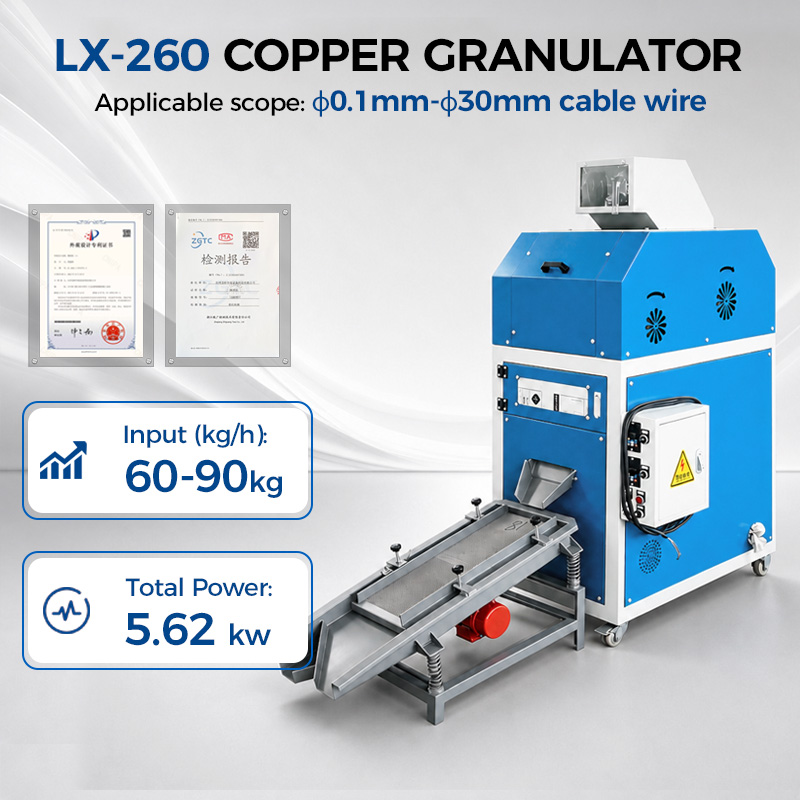
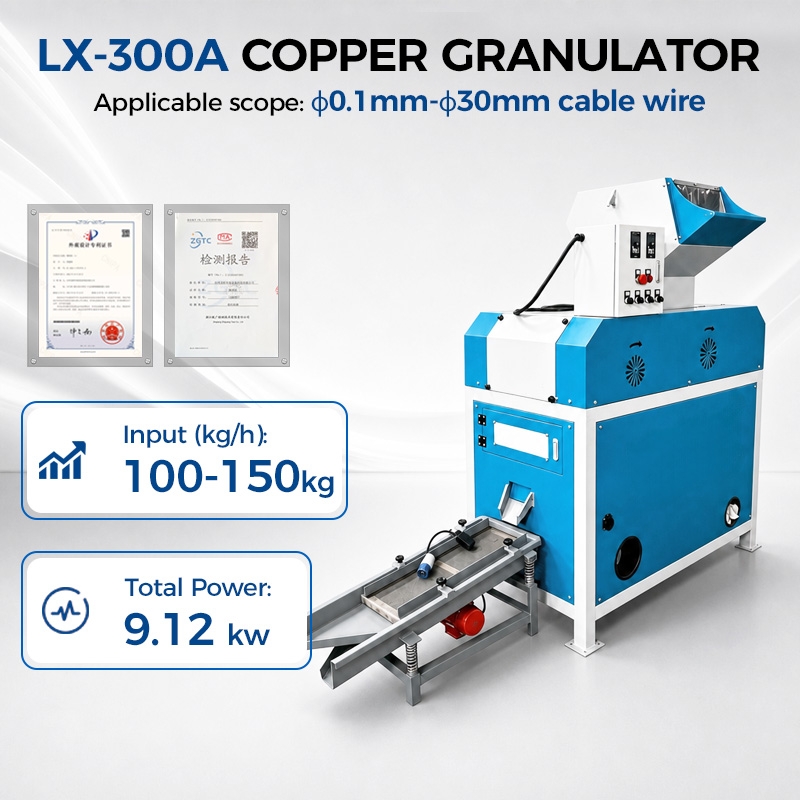
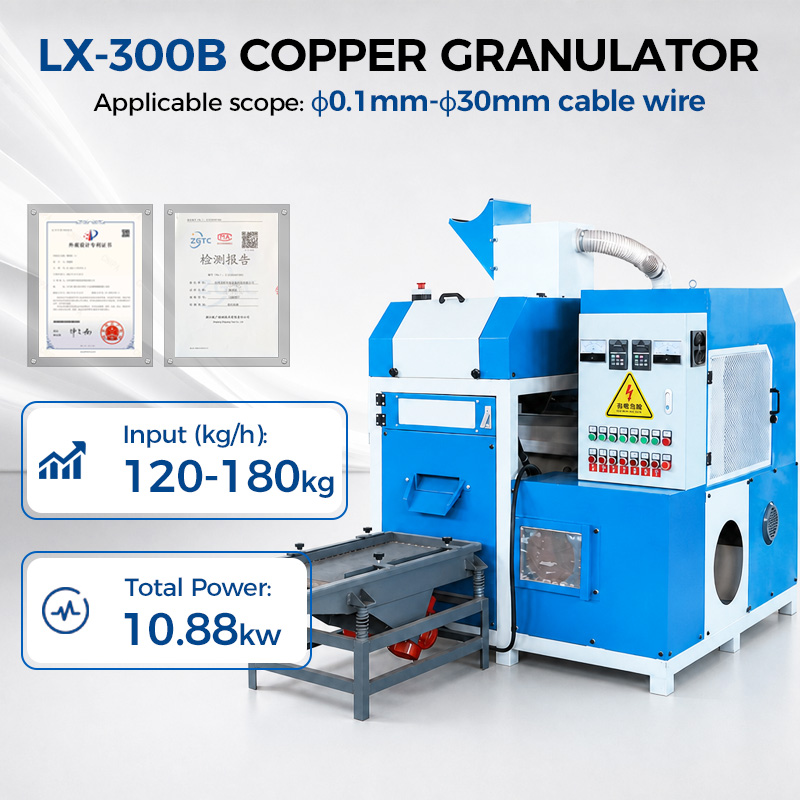
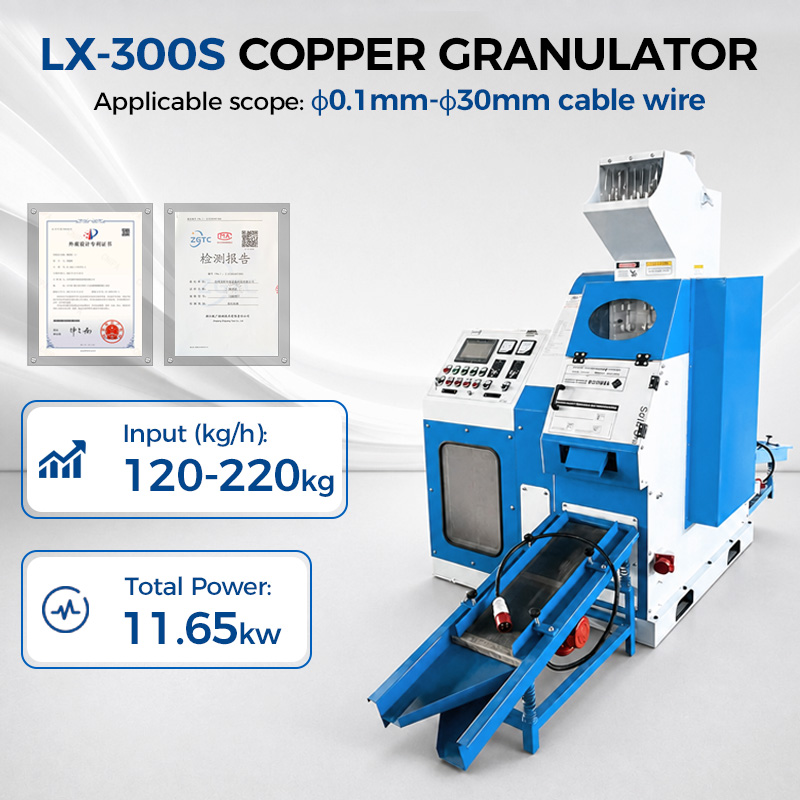
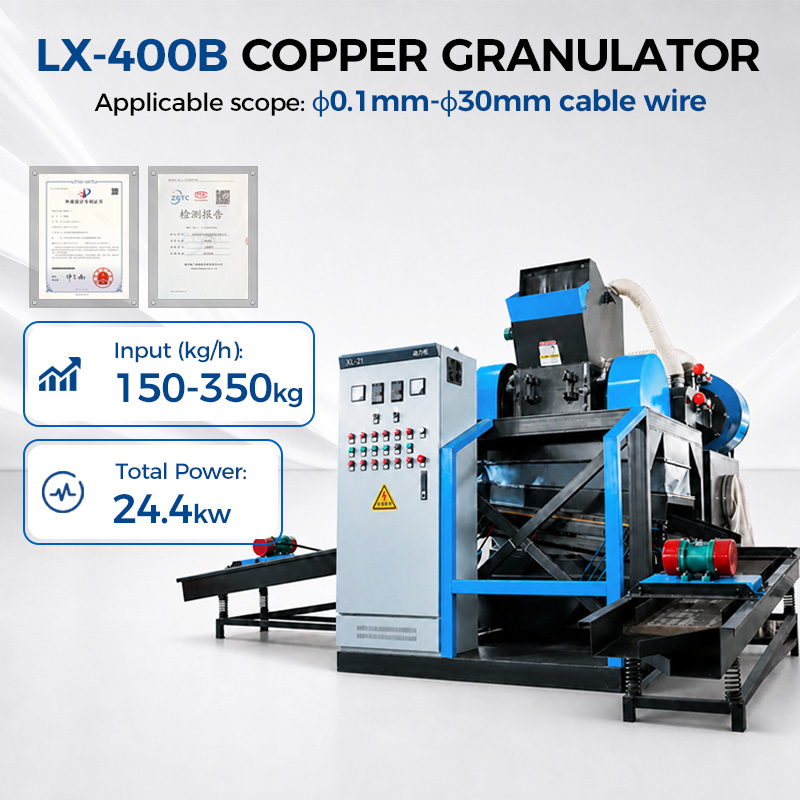
Another important aspect is the machine's operational efficiency. Look for features that enhance productivity, such as automatic feed systems and low-energy consumption. Understanding the intended application will also inform decisions about whether to choose a single-shaft, dual-shaft, or even a granulator-style shredder. For example, a Copper Granulator can be a good addition for specific recycling tasks.

Get a Free Quote

Tell us about your recycling needs, and our team will recommend the right equipment and solution for your project.
0/1000