Key Considerations for Sourcing Rubber Shredders

application/rubber-shredder, application/rubber-shredder, 
Inquiry
Inquiry

rubber shredder

Rubber shredders are essential machines designed to process and recycle rubber waste, transforming it into reusable materials for various applications. When sourcing a rubber shredder, B2B buyers often have concerns related to specifications, capacity, operational efficiency, and compatibility with their existing systems. This article will guide you through the key factors to consider when selecting a rubber shredder, addressing common issues, and highlighting the industries that benefit from their use.

Rubber Shredders for Bulk Orders

For businesses looking to purchase rubber shredders in bulk, understanding the procurement process and establishing a clear communication line with the manufacturer is vital. Bulk orders may lead to favorable pricing and customization options. Here are some considerations:

Minimum Order Quantities (MOQ): Establish the MOQ with your supplier, as it can vary significantly across manufacturers. Discussing MOQ requirements upfront can prevent misunderstandings during the procurement process.

Negotiation Opportunities: Bulk orders often provide leverage for negotiating pricing, delivery terms, and payment conditions. Be prepared to discuss your requirements and expectations with the supplier.

Customization Options: Many manufacturers offer customization for bulk orders, allowing you to tailor features to specific operational needs. Ensure to communicate your technical requirements clearly to facilitate this process.

Lead Times: Bulk orders may have extended lead times due to production scheduling and materials availability. It’s essential to discuss timelines upfront to ensure your project timeline aligns with the supplier's capabilities.

Common Problems with Rubber Shredders and Effective Solutions

Rubber shredders can encounter several operational challenges that may affect their performance. Understanding these issues and their solutions can help mitigate downtime and maintain efficiency:

Blade Wear and Tear: Continuous operation can lead to blade dulling or damage. Regular maintenance checks and timely blade replacements are essential to ensure optimal performance. Consider implementing a maintenance schedule that includes routine inspections.

Overloading: Overfeeding the shredder can result in jams or reduced efficiency. Implementing a monitoring system to measure input material size and weight can help prevent overloading and reduce operational stress.

Electrical Failures: Power fluctuations can lead to electrical issues or motor burnout. Using voltage regulators or surge protectors can help safeguard the machinery from power irregularities.

Clogging: Accumulation of shredded material can lead to clogs in the discharge area. Regular cleaning and ensuring the shredding process aligns with the material type can help minimize this issue.

Industries That Benefit Most

Rubber shredders serve a variety of industries that require the processing of rubber waste. Some of the key sectors include:

Automotive Industry: Used tires and rubber components are frequently processed to recover reusable materials for new tire manufacturing and other automotive products. The Shredding Machine plays a crucial role in this recycling process.

Construction and Demolition: Rubber shredders are used to recycle rubber from old construction materials, flooring, and insulation.

Recycling Facilities: Dedicated recycling centers utilize rubber shredders to process mixed waste streams, enhancing the recovery of rubber for various applications.

Manufacturing: Industries producing rubber products can use shredders to reclaim scrap rubber and incorporate it back into the production cycle, promoting sustainability and reducing waste.

Installation Guidance for Your New Rubber Shredding Equipment

Proper installation is crucial for the efficient operation of rubber shredders. Here are key steps to ensure a smooth setup:

Site Preparation: Ensure that the installation area is cleared and prepared to accommodate the shredder's dimensions. Consider factors such as access for maintenance and safety regulations.

Power Requirements: Confirm that the electrical supply meets the shredder's requirements. The power source must be stable and capable of handling the motor's startup load.

Foundation and Leveling: A solid, level foundation is essential to prevent vibration during operation. Ensure the machine is securely anchored according to the manufacturer's instructions.

Safety Features: Install safety guards and emergency stop switches as required. Ensure that operators are trained on using these safety features effectively.

Testing and Calibration: After installation, conduct a test run to verify that the shredder operates correctly. Calibration may be necessary to ensure optimal performance and safety.

By understanding the critical aspects of sourcing, operating, and maintaining rubber shredders, B2B buyers can make informed decisions that enhance their recycling processes and contribute to operational efficiency.

Key Specifications to Consider When Sourcing Rubber Shredders

When evaluating rubber shredders, several key specifications play a crucial role in their performance and suitability for your application:

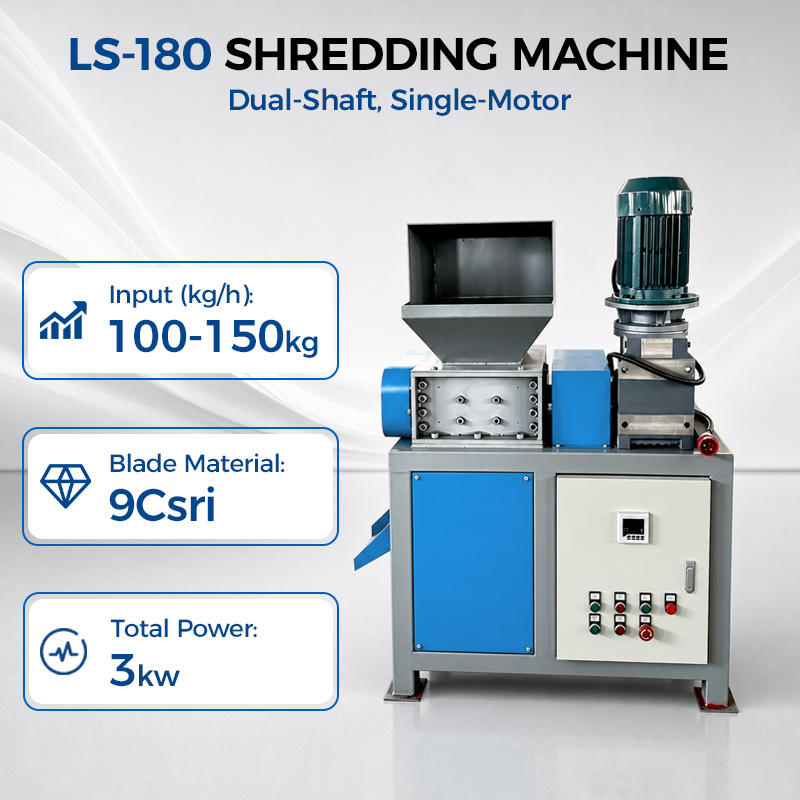
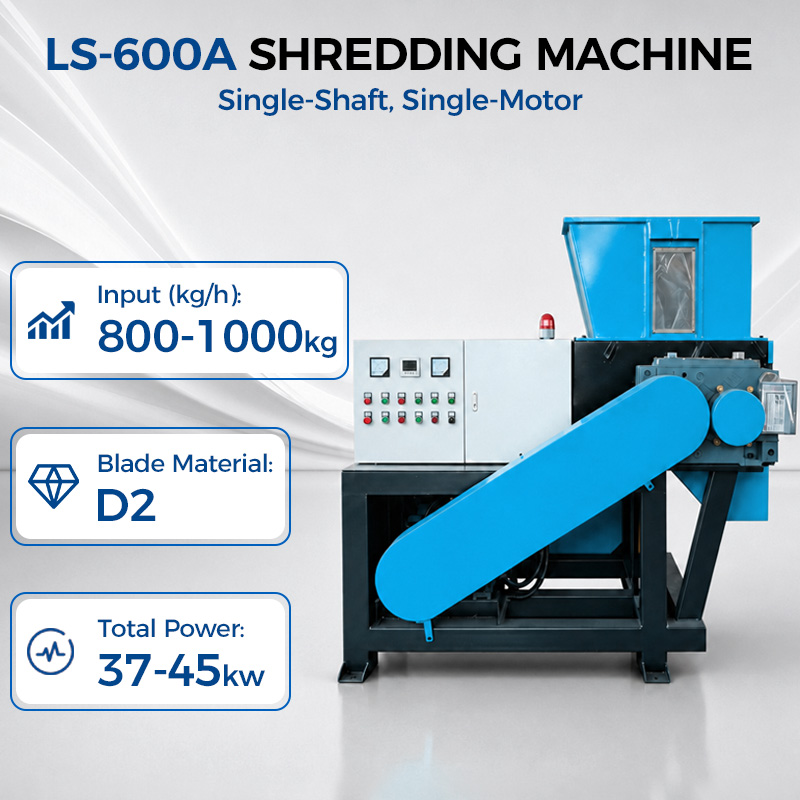
Motor Power: The power of the motor directly influences the shredding capacity. A higher motor power allows for processing tougher materials and larger volumes. Buyers should assess their operational needs to determine the appropriate motor size.

Cutting Chamber Dimensions: The size of the cutting chamber determines the maximum size of materials that can be processed. Ensure that the shredder can accommodate the dimensions of your rubber waste, as an undersized chamber may lead to inefficiencies.

Shredding Blade Configuration: The design and arrangement of the blades impact the shredding efficiency and the final output size of the rubber material. Different configurations are available to meet various processing requirements.

Throughput Capacity: Measured in tons per hour, throughput capacity indicates how much material the shredder can handle within a given time frame. Buyers should evaluate their production needs to find a machine that matches their processing volume.

Noise and Vibration Levels: Consideration of the operational noise and vibration levels is crucial, especially in environments where noise regulations must be met. Selecting a shredder with lower operational noise can enhance workplace safety and comfort.

Durability and Material Construction: The materials used in the shredder’s construction affect its longevity and resistance to wear. Look for models made from high-quality, durable steel that can withstand the rigors of continuous operation. Additionally, advanced machines like the Copper Granulator can be considered for enhanced material processing capabilities.

Get a Free Quote

Tell us about your recycling needs, and our team will recommend the right equipment and solution for your project.
0/1000