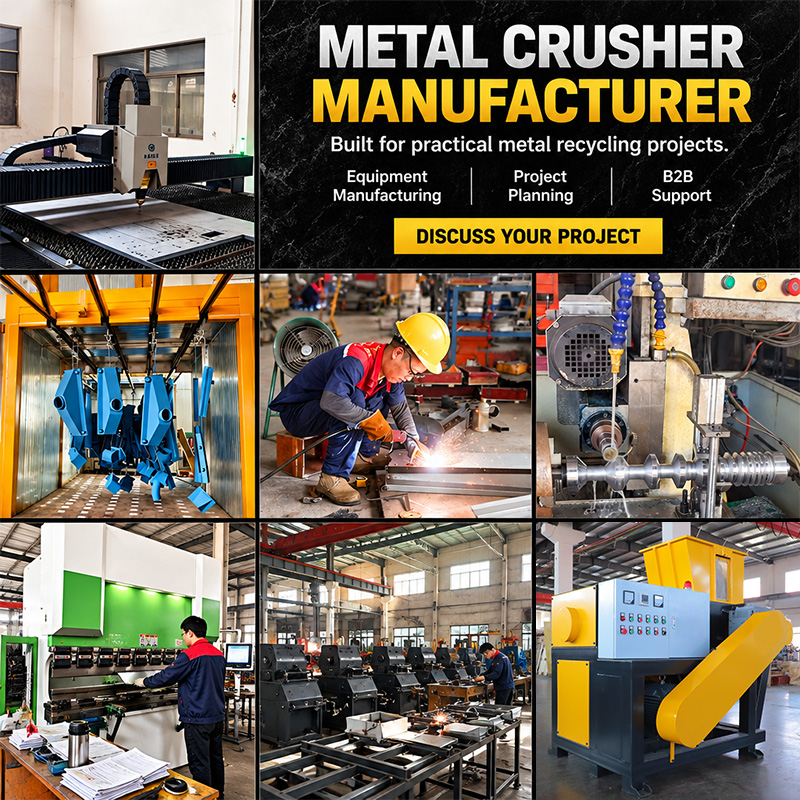
Comparing different metal shredders requires a systematic approach. Here are some steps to effectively evaluate various options:
Define Your Requirements: Start by clearly outlining your specific needs, including material types, desired output capacity, and any customization requirements.
Research Manufacturers: Investigate various manufacturers, focusing on their experience, reputation, and product offerings. Look for customer reviews and case studies that highlight their performance in real-world scenarios.
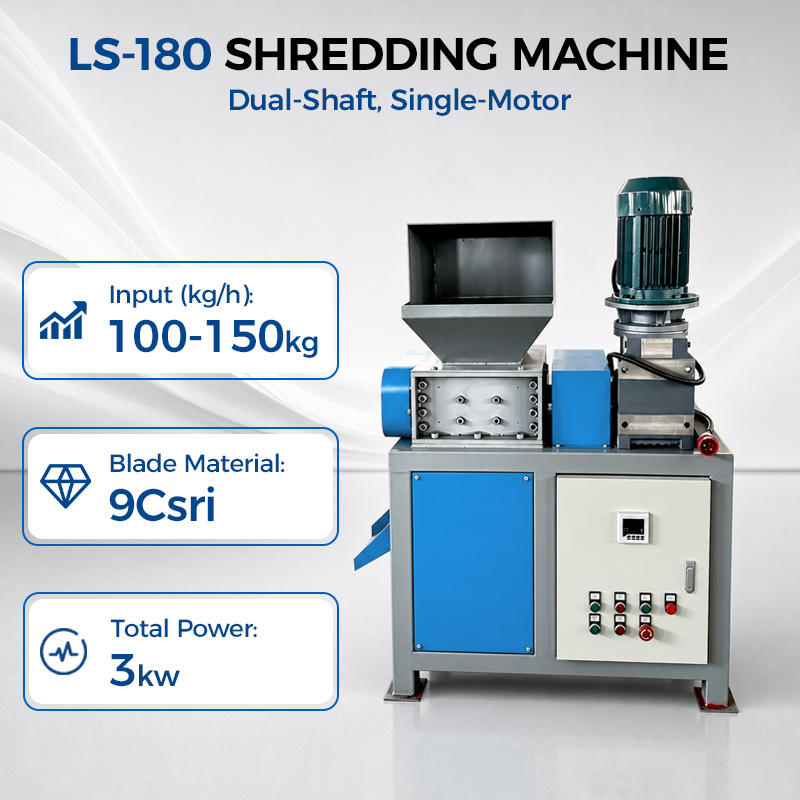
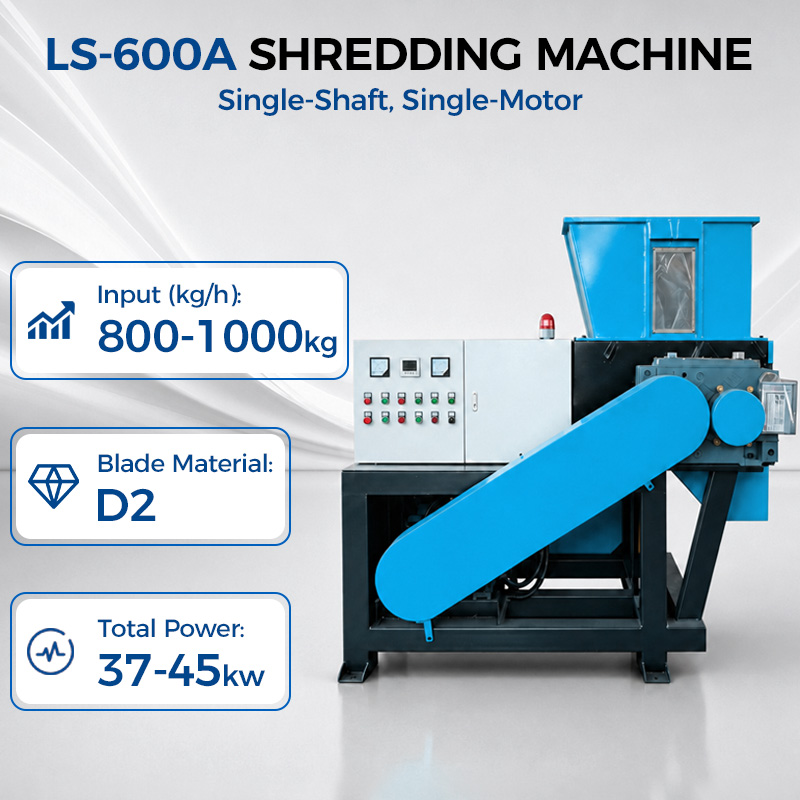
Request Detailed Specifications: When reaching out to manufacturers, request detailed specifications and performance metrics for their shredders. This should include motor power, capacity, blade configurations, and safety features.
Compare Costs: Create a cost comparison chart that includes unit prices, shipping fees, installation costs, and maintenance agreements. This will help provide a clearer financial picture of each option.
Evaluate After-Sales Support: Assess the level of after-sales support offered by each manufacturer, including warranty terms, availability of spare parts, and customer service responsiveness.
Consider Long-Term Value: Rather than focusing solely on the initial purchase price, consider the total cost of ownership, which includes maintenance, operational efficiency, and expected lifespan.
By following these steps, buyers can make well-informed decisions that align with their operational goals and budget constraints.
With these insights into metal shredder manufacturers, specifications, cost factors, best practices, common issues, and comparison strategies, you are now equipped to navigate the purchasing process effectively. Understanding these elements will help ensure that you select the right equipment for your recycling operations, ultimately leading to increased efficiency and productivity.
 EN