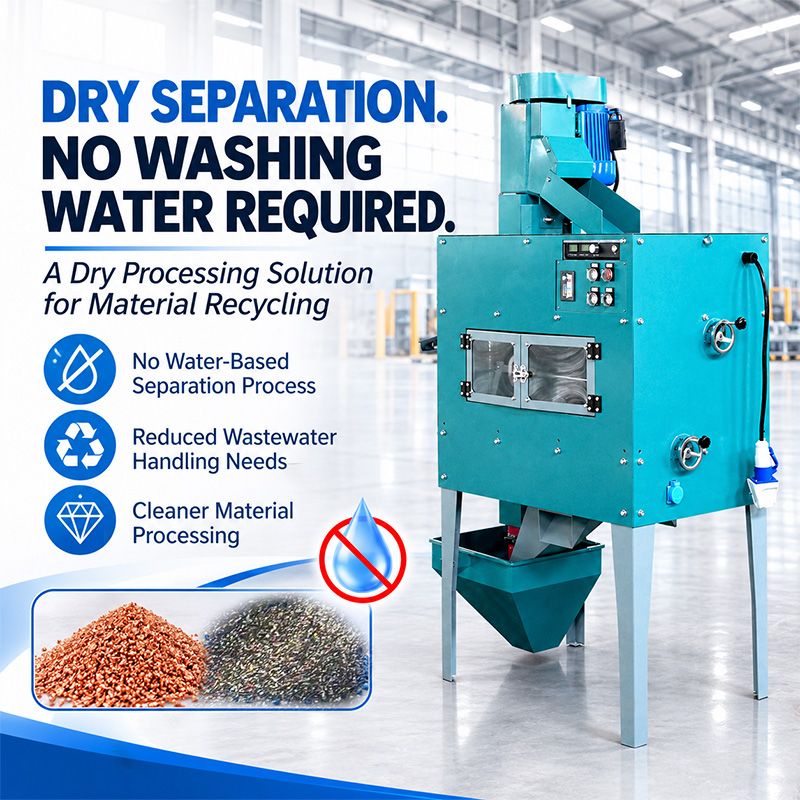
Understanding Electrostatic Separator Price Factors

application/electrostatic-separator-price, application/electrostatic-separator-price, 
Inquiry
Inquiry

electrostatic separator price

Electrostatic separators are specialized machines used extensively in recycling facilities to separate materials based on their electrical properties. Understanding the electrostatic separator price is crucial for purchasing managers and industrial buyers, as it directly impacts project budgets and operational efficiency. , we'll explore the various factors influencing the price of electrostatic separators, how to assess their quality, key features to look for, and how to select the right unit for your specific needs. Additionally, we'll address common issues faced with these machines and their solutions.

How to Evaluate the Quality of Electrostatic Separators for Purchase

How to Evaluate the Quality of Electrostatic Separators for Purchase

Assessing the quality of electrostatic separators is vital to ensure they meet operational requirements and deliver reliable performance. Here are practical steps buyers can take:

Request Specifications: Ask for detailed specifications that outline the machine's capabilities, including separation efficiency, power consumption, and material compatibility. Understanding these details helps in assessing whether a separator meets your application needs.

Assess Manufacturing Standards: Investigate the manufacturer’s quality control processes. A reputable supplier will adhere to industry standards and may hold certifications that demonstrate compliance with quality management systems.

Review Customer Feedback: Look for testimonials or case studies from other businesses that have used the separators. Real-world performance data can provide insights into reliability and customer satisfaction.

Inspect Samples: If possible, request a sample of the separator or visit the manufacturing facility. Inspecting the construction quality, materials used, and overall design can provide valuable insights into the unit's durability.

Evaluate After-Sales Support: Quality does not end with the purchase. Consider the manufacturer's after-sales support, including maintenance services, warranties, and availability of spare parts. A good support system can greatly enhance the longevity of your investment.

Key Features to Consider

Key Features to Consider

When selecting an electrostatic separator, certain features can enhance its performance and suit specific applications. Here are key considerations:

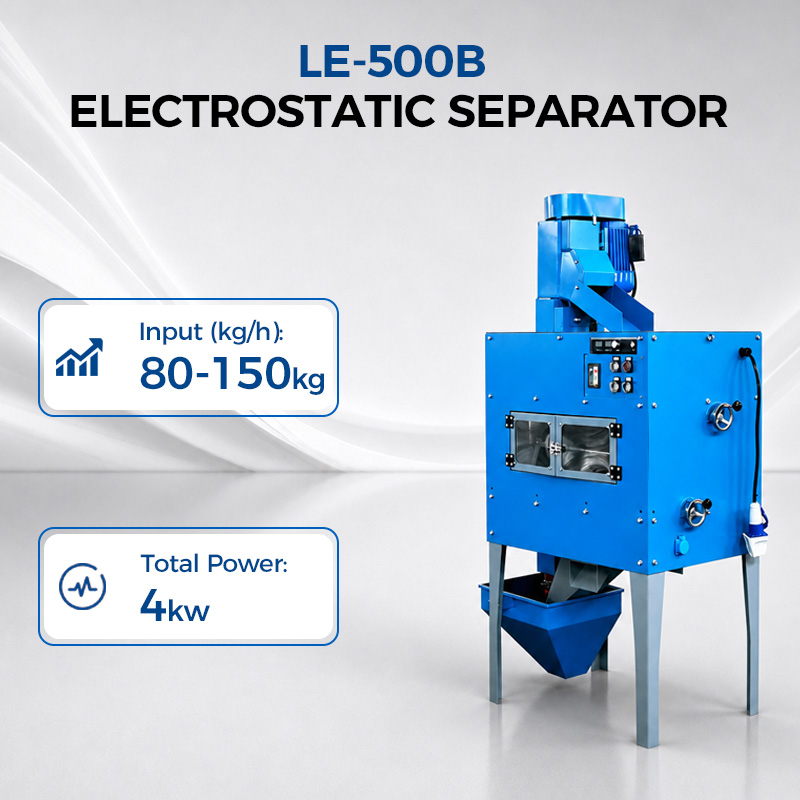
Separation Efficiency: Look for separators with high separation efficiencies, which can be quantified in percentages. Higher efficiencies translate to better recovery rates of valuable materials. For example, the LE-500B Electrostatic Separator for Copper and Plastic Recovery is designed for optimal material recovery.

Feed Capacity: Ensure that the separator can handle the anticipated feed rates of your operation. Machines with adjustable feed capacities can offer flexibility in operations.

Ease of Maintenance: Choose designs that allow easy access to key components for cleaning and maintenance. This can significantly reduce downtime in operations.

Control Systems: Advanced control systems can improve the precision of the separation process. Look for features like digital displays, automatic adjustments, and user-friendly interfaces.

Energy Consumption: Assess the energy efficiency of the separator. Lower energy consumption can lead to reduced operational costs over time. The LX-400B Copper Wire Granulator with Cooling System is an example of a unit that offers great energy efficiency.

Choosing the Right Electrostatic Separator for Your Project Needs

Choosing the Right Electrostatic Separator for Your Project Needs

Selecting the appropriate electrostatic separator involves understanding your specific project requirements. Start by defining the following:

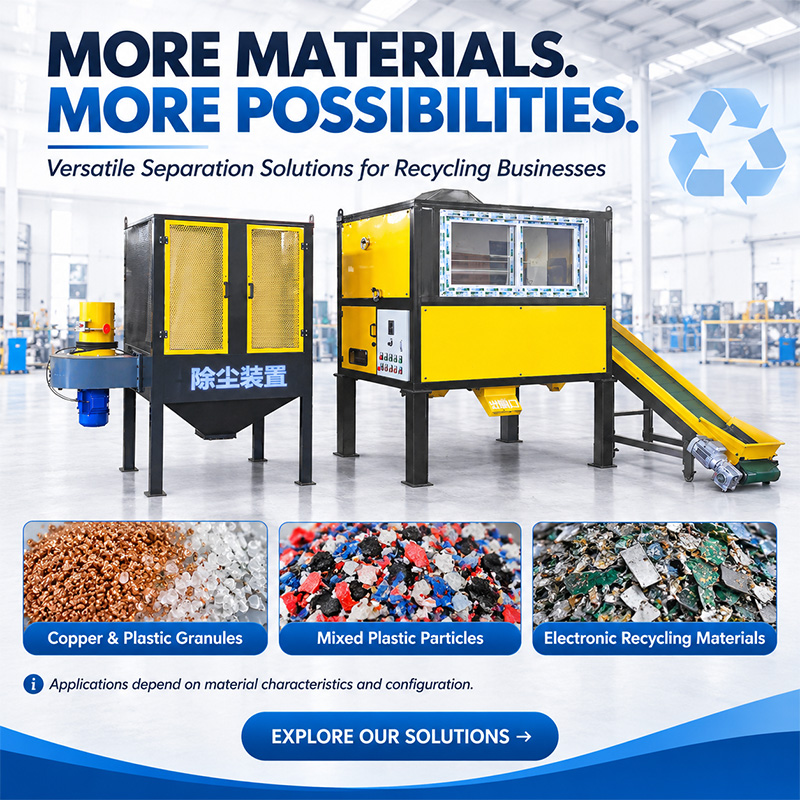
Material Types: Identify the materials you intend to process. Different separators are optimized for various materials, such as plastics, metals, and glass. Ensure the separator is compatible with your materials.

Production Volume: Estimate the volume of materials you expect to process daily or weekly. This will help determine the size and capacity of the separator required.

Separation Goals: Establish your separation objectives, such as purity levels and recovery rates. This will guide you in selecting a machine that can meet or exceed these targets.

Installation Environment: Consider where the separator will be installed. Factors such as space constraints, environmental conditions, and existing equipment must be taken into account.

Budget Constraints: Clearly outline your budget. While it may be tempting to opt for the least expensive option, balance initial costs with long-term operational efficiency and maintenance requirements.

Common Problems with Electrostatic Separators and Their Solutions

Electrostatic separators, while efficient, can encounter several common issues. Understanding these problems and their solutions can help maintain operational efficiency:

Poor Separation Performance: This can occur if the separator is not properly calibrated or if the material feed is inconsistent. Regular maintenance and calibration checks are essential to address this issue.

Electrical Malfunctions: Electrostatic separators rely on static electricity for operation. Electrical issues can arise from improper grounding or faulty wiring. Regular inspection of electrical components can help prevent these problems.

Wear and Tear on Components: Over time, certain components may wear down, affecting performance. Implementing a scheduled maintenance program that includes the replacement of wear-prone parts can mitigate downtime.

Material Blockages: Blockages can occur in the feed system or separation chamber. Regular cleaning and the use of feed monitoring systems can help reduce the incidence of blockages.

Inconsistent Feed Rates: Fluctuations in material feed can lead to variable separation results. Employing a feed control system can help maintain consistent throughput and improve overall performance.

By considering these insights, B2B buyers can make informed decisions when purchasing electrostatic separators, ensuring they choose the right equipment for their recycling operations.

What Factors Influence Electrostatic Separator Price for Bulk Orders?

When purchasing electrostatic separators, several factors can significantly influence the price, particularly for bulk orders. Key considerations include:

Material and Construction: The type of materials used in the construction of the separator directly affects its durability and performance. Higher quality materials may lead to higher upfront costs but can result in long-term savings through reduced maintenance and increased operational lifespan.

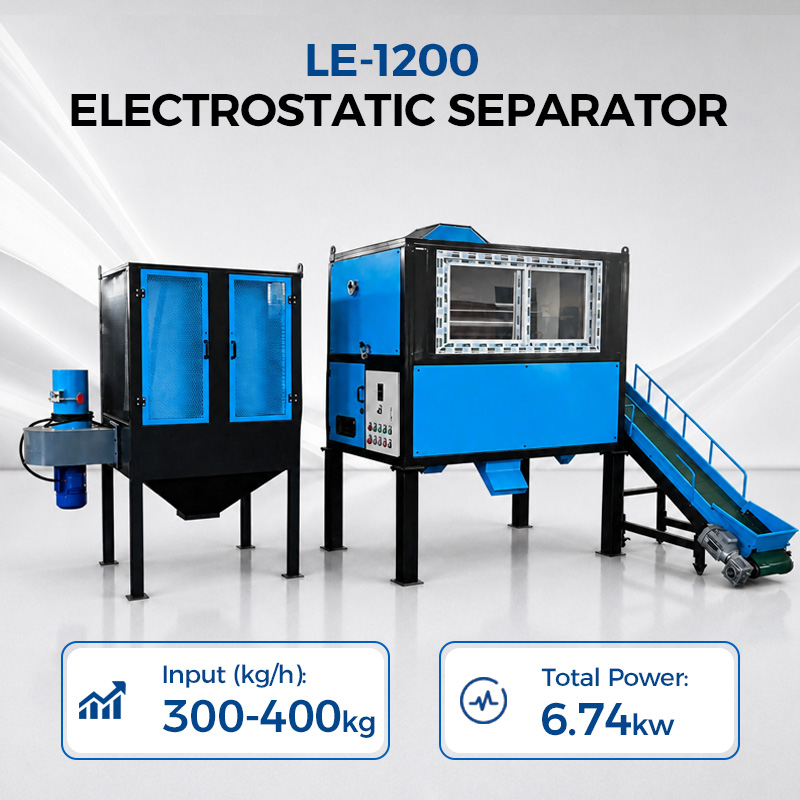
Production Capacity: Electrostatic separators come in various sizes and capacities. Machines designed for higher throughput typically have a higher price point due to increased manufacturing complexity and the cost of larger components.

Customization Options: Many manufacturers, including Hangzhou Lansing Machinery Co., Ltd., offer customization to meet specific operational needs. Custom features may include different feed configurations, separation efficiencies, or integration with existing systems, all of which can affect pricing.

Technology and Features: Advanced technologies, such as digital control systems or enhanced separation techniques, can lead to higher costs. Buyers should evaluate whether the additional features justify the price difference based on their operational requirements.

Order Quantity: Bulk orders can often attract discounts. Understanding the minimum order quantities (MOQ) and negotiating prices based on higher volumes can significantly lower the overall cost.

Lead Time and Delivery: Shorter lead times may incur additional fees. Buyers should balance urgency with cost, considering how long they can wait for delivery to avoid unnecessary rush fees.

Get a Free Quote

Tell us about your recycling needs, and our team will recommend the right equipment and solution for your project.
0/1000