How to Choose the Right Granulator for Manufacturing

application/granulator, application/granulator, 
Inquiry
Inquiry

granulator

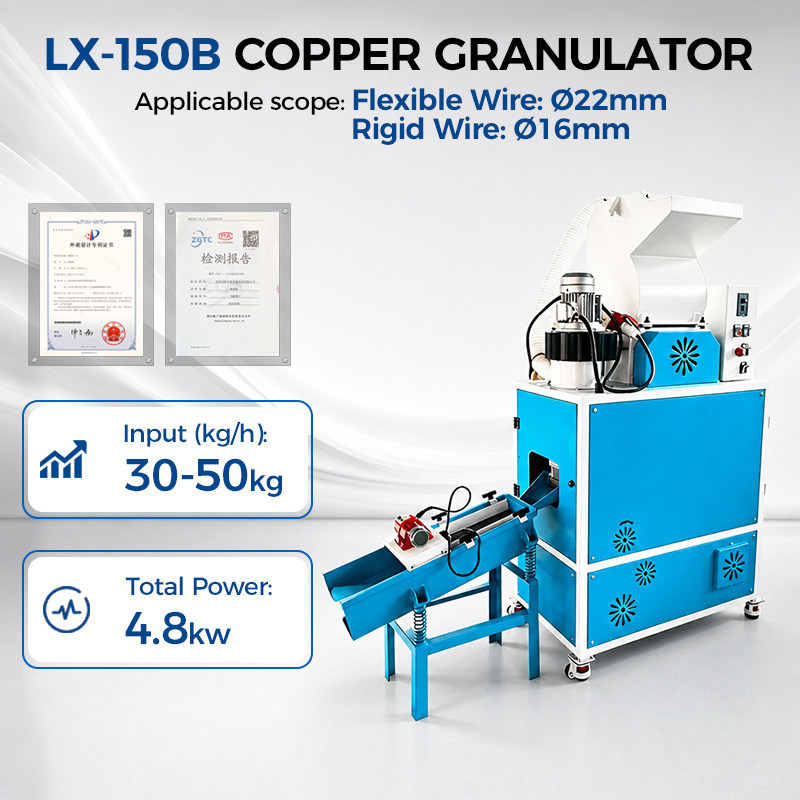
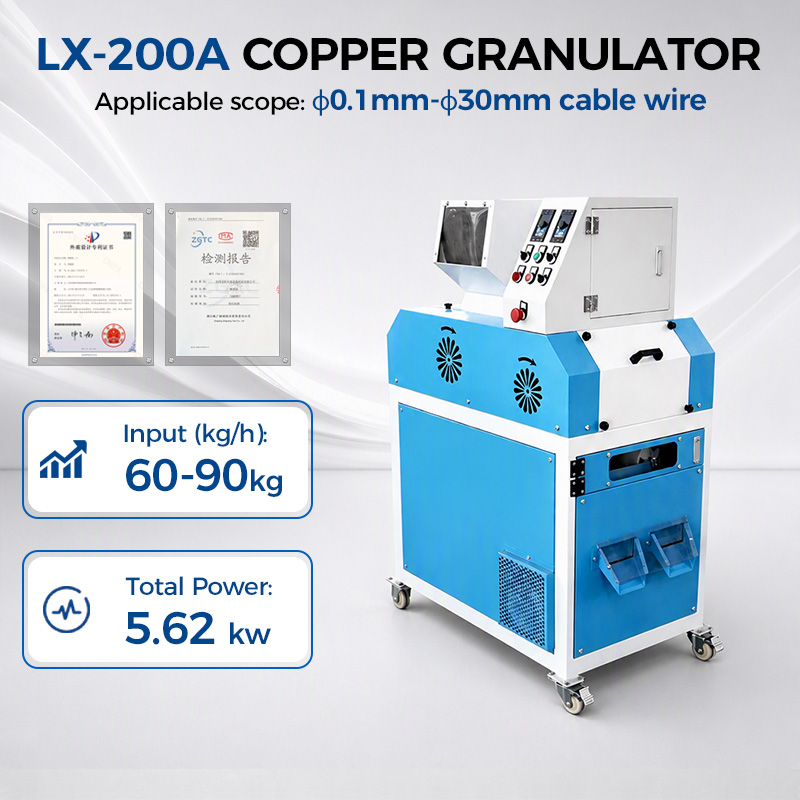
Granulators are essential machines used in the recycling process, particularly for waste cables and metals. They break down large materials into smaller, manageable sizes, making them easier to handle and process. For B2B buyers, including purchasing managers and engineers, selecting the right granulator involves understanding specific needs related to production capacity, material suitability, and machine compatibility. This article aims to guide you through the critical factors you should consider when choosing a granulator, assessing specifications, sourcing reliable suppliers, and ensuring quality in manufacturing processes.

Key Specifications to Evaluate in Granulators for Bulk Orders

When placing bulk orders for granulators, specific key specifications should be evaluated. These include:

Motor Power: The motor’s horsepower directly affects the granulator's efficiency and capability to handle various materials. More powerful motors can process tougher materials and achieve higher throughput.

Cutting Chamber Size: The dimensions of the cutting chamber determine the size of the materials that can be fed into the granulator. Larger chambers can accommodate bulkier items, while smaller ones may require pre-cutting.

Blades and Cutting Technology: The type of blades (fixed or rotary) and their arrangement impact the granulation efficiency. High-speed rotary blades may provide superior performance for certain applications, enhancing throughput.

Safety Features: Ensure the granulator is equipped with necessary safety features, such as emergency stops, protective covers, and overload protection to prevent accidents and equipment damage.

Material of Construction: The granulator’s construction material influences its durability and ability to withstand the harsh conditions of recycling processes. Stainless steel or specially coated materials are preferable for long-lasting performance.

Confirming these specifications before finalizing your order can help avoid costly mistakes and ensure that the granulator will meet your operational demands effectively.

Where to Source Reliable Granulators for Wholesale Purchases

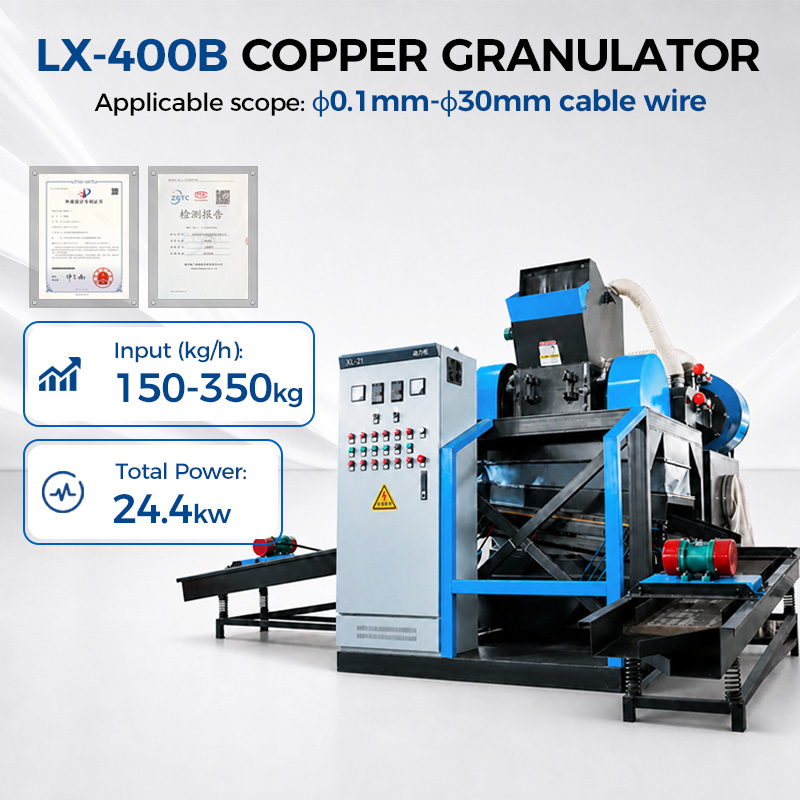
Sourcing reliable granulators involves identifying manufacturers with a proven track record. Start by researching companies that specialize in recycling equipment, like Hangzhou Lansing Machinery Co., Ltd., which offers a comprehensive range of granulators designed specifically for waste cables and metals. For a closer look at options for different applications, consider the LX-400B 150-350kg/h Copper Wire Granulator with Cooling System.

Consider attending industry trade shows or exhibitions where you can see equipment in action and meet manufacturers face-to-face. This direct engagement allows you to ask questions regarding machinery performance, customization options, and post-sale support.

Additionally, online platforms and industry directories can provide insights into manufacturers’ reputations. Look for customer reviews and case studies that demonstrate successful implementations of their granulators in similar applications.

Once potential suppliers are identified, request detailed proposals including pricing, lead times, and warranty information. This process will help you make informed decisions based on both financial and operational factors.

Assessing Material Advantages of Different Granulator Types

Not all granulators are created equal; their effectiveness depends significantly on the type of materials they are designed to process. For instance, granulators for metals often feature heavy-duty designs to withstand the rigidity of metal waste, while those for plastics may prioritize blade sharpness and speed to achieve finer granulation.

When evaluating granulator types, consider their material compatibility. Some granulators are equipped to handle mixed waste, while others excel at processing single types of material. Understanding the specific requirements of your recycling process will guide you in selecting the most suitable granulator.

Furthermore, the granulator's ability to handle moisture and contaminants is essential, especially in recycling applications. For example, some materials might require pre-treatment to remove moisture before granulation, impacting the choice of equipment.

Expert Tips for Quality Control in Granulator Manufacturing Processes

Quality control is paramount in the manufacturing of granulators to ensure they meet operational standards and customer expectations. Here are several expert tips for maintaining quality during the manufacturing process:

Sample Approval: Before moving to mass production, request samples of the granulator. This allows you to assess the machine’s performance, fit, and finish under real operating conditions. Verifying these aspects can prevent costly adjustments later.

Material Testing: Ensure that the materials used in construction are rigorously tested for durability and performance. This includes checking for resistance to wear and tear, especially in high-impact areas such as the cutting chamber.

Regular Inspections: Implement a schedule for regular inspections throughout the manufacturing process. This helps identify potential issues early and can significantly reduce the risk of defects in the final product.

Third-Party Certifications: Look for manufacturers that have third-party certifications for their quality management systems. Certifications like ISO 9001 indicate that the manufacturer adheres to international quality standards.

Post-Sale Support: Finally, ensure that the supplier offers robust post-sale support, including maintenance services and spare parts availability. This can greatly enhance the longevity and performance of your granulator.

By focusing on these quality control measures, you can better ensure that the granulators you purchase will perform reliably and efficiently in your recycling operations.

How to Choose the Right Granulator for Your Manufacturing Needs

When selecting a granulator, it’s crucial to consider the type of materials you will be processing. Different granulators are designed for various applications, such as recycling plastic, metal, or cables. For instance, a granulator designed for metal waste may have a more robust construction and cutting mechanism compared to one intended for softer materials. You might want to look into the LE-500B Electrostatic Separator for Copper and Plastic Recovery for effective processing of specific materials.

Additionally, evaluate the production capacity of the granulator. This should align with your manufacturing volume to ensure efficiency. Understanding the granulation process involved is also vital; some granulators operate in batch processes while others function continuously. This choice can influence not only output but also the operational costs related to energy consumption and maintenance.

Lastly, consider customization options. Many manufacturers, like Hangzhou Lansing Machinery Co., Ltd., offer tailored solutions to meet specific production requirements. Engaging with them early in your purchasing process can yield insights into which granulator best suits your needs.

Get a Free Quote

Tell us about your recycling needs, and our team will recommend the right equipment and solution for your project.
0/1000