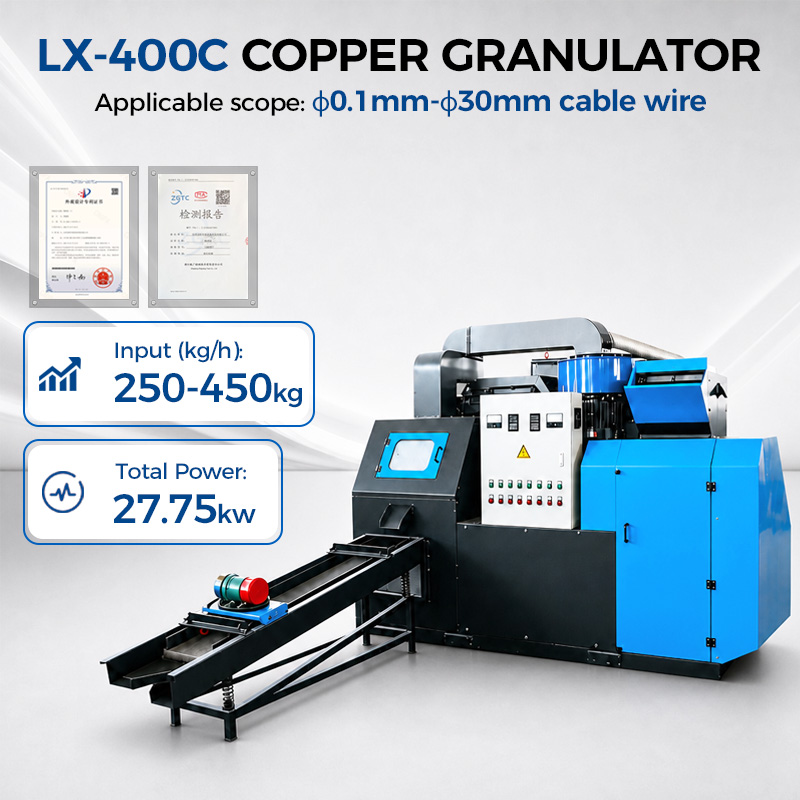
Choosing the Right Copper Granulator for Manufacturing

application/copper-granulator, application/copper-granulator, 
Inquiry
Inquiry

copper granulator

Understanding copper granulators is crucial for manufacturers and recyclers aiming to process waste cables and metals efficiently. These machines play an integral role in recycling operations, converting scrap copper into reusable granules. Buyers often have concerns about selecting the right equipment, ensuring quality, and understanding pricing structures. This article will help you navigate these considerations, providing insights into choosing a copper granulator that meets your manufacturing needs.

Key Specifications to Consider When Sourcing Copper Granulators

Key Specifications to Consider When Sourcing Copper Granulators

When sourcing copper granulators, several key specifications should be scrutinized to ensure the equipment meets your operational standards.

Motor Power: The power of the motor directly impacts the efficiency and performance of the granulator. A stronger motor can handle tougher materials and larger volumes, allowing for a more consistent output.

Granule Size Adjustment: Look for machines that offer adjustable screens or cutting blades. This feature allows you to customize the granule size based on your specific recycling needs, which is essential for applications requiring different granule dimensions.

Material Construction: The durability of the granulator is often determined by the materials used in its construction. Heavy-duty steel components are preferable for longevity and resistance to wear, especially in high-volume operations.

Noise Levels: Depending on your operational environment, noise levels may be a consideration. Granulators with soundproofing features can help maintain a quieter workspace, which is beneficial for employee comfort and compliance with local regulations.

Safety Features: Ensure the granulator includes safety mechanisms to protect operators, such as emergency stop buttons and safety guards. This is crucial in maintaining a safe working environment.

How to Evaluate the Quality of Copper Granulators for Bulk Orders

How to Evaluate the Quality of Copper Granulators for Bulk Orders

Evaluating the quality of copper granulators is essential, especially when placing bulk orders. Here are practical steps to ensure you are choosing a reliable machine:

Manufacturer Reputation: Research the manufacturer's history and reputation in the industry. A company like Hangzhou Lansing Machinery Co., Ltd. that specializes in recycling equipment and has a strong manufacturing background is likely to produce reliable machines.

Certifications and Standards: Confirm whether the granulators comply with international quality standards and certifications. This can include ISO certifications or specific industry standards that ensure the machines meet quality performance metrics.

Testing and Samples: Request samples or arrange for a demonstration of the granulator you are considering. Observing the machine in action can provide insights into its efficiency, noise levels, and overall performance.

Customer Reviews and Case Studies: Look for testimonials or case studies from other buyers who have used the same model. Feedback from existing customers can highlight potential issues and advantages that may not be apparent from specification sheets alone.

Post-Sale Support: Evaluate the manufacturer's commitment to after-sales service, including warranties, technical support, and availability of replacement parts. A strong support system is vital for minimizing downtime in your operations.

Understanding the Price of Copper Granulators

Understanding the Price of Copper Granulators

The pricing of copper granulators can vary significantly based on several factors, including the machine's specifications, brand, and additional features. Understanding these elements can help you budget effectively:

Base Price: The initial cost of the granulator is a significant factor, but it’s important to consider the total cost of ownership. This includes potential maintenance costs, energy consumption, and the longevity of the machine.

Customization: If you require specific features or adaptations to fit your operational needs, be prepared for additional costs. Customization can include modifications for different granule sizes or additional safety features.

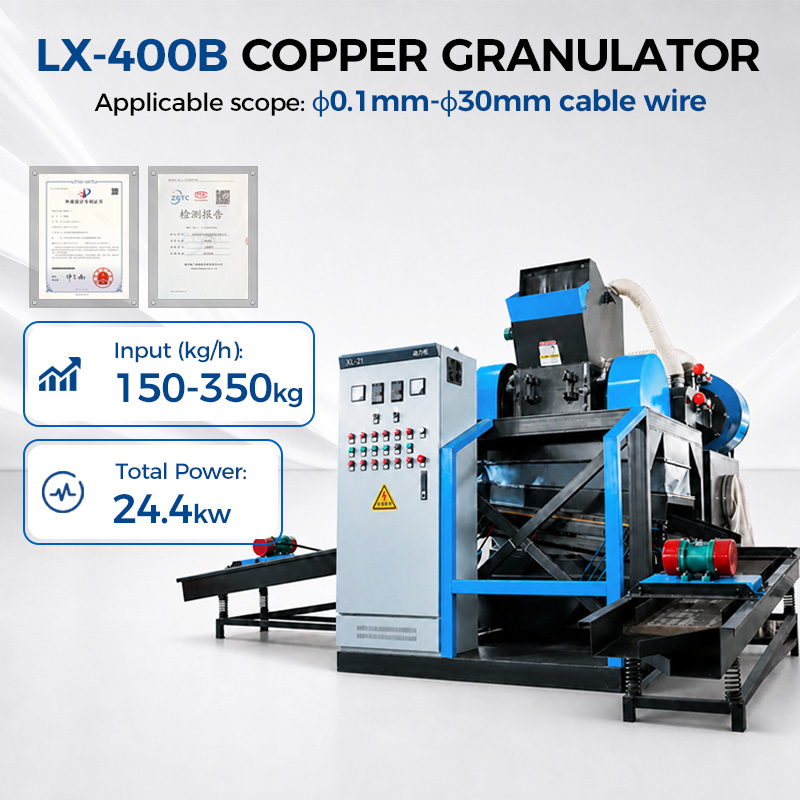
Bulk Discounts: When purchasing multiple granulators, inquire about bulk order discounts. Many manufacturers, including those like Hangzhou Lansing, may offer pricing incentives for larger orders, such as the LX-400B 150-350kg/h Copper Wire Granulator with Cooling System.

Shipping and Installation Costs: Don’t forget to factor in logistics, such as shipping and installation fees. Understanding these costs upfront can prevent budget overruns.

Financing Options: Some manufacturers provide financing options or leasing arrangements that can ease the upfront financial burden, allowing for better cash flow management.

Applications of Copper Granulators in Industrial Recycling Processes

Copper granulators are vital for various recycling processes within the industrial sector. Their applications extend across multiple industries, including:

Electronics Recycling: In electronics recycling, copper granulators are essential for processing circuit boards and cables, ensuring that valuable copper is efficiently extracted and reused.

Cable Recycling: The automotive and construction industries often generate significant amounts of scrap cable. Granulators help in breaking down these cables, allowing for the recovery of copper while also separating it from non-metallic materials.

Scrap Metal Processing: Copper granulators play a crucial role in scrap metal yards, enabling the processing of mixed metal scrap into clean, market-ready copper granules.

Manufacturing: In manufacturing settings, granulated copper can be reused as raw material for producing new copper products, contributing to sustainable production practices.

Environmental Compliance: Effective recycling using copper granulators supports compliance with environmental regulations by reducing waste and promoting the responsible disposal of electronic and metal products.

Copper granulators are essential tools for any operation focused on recycling copper waste. By understanding the selection criteria, specifications, quality evaluation, pricing factors, and applications, buyers can make informed purchasing decisions that align with their manufacturing needs.

Choosing the Right Copper Granulator for Your Manufacturing Needs

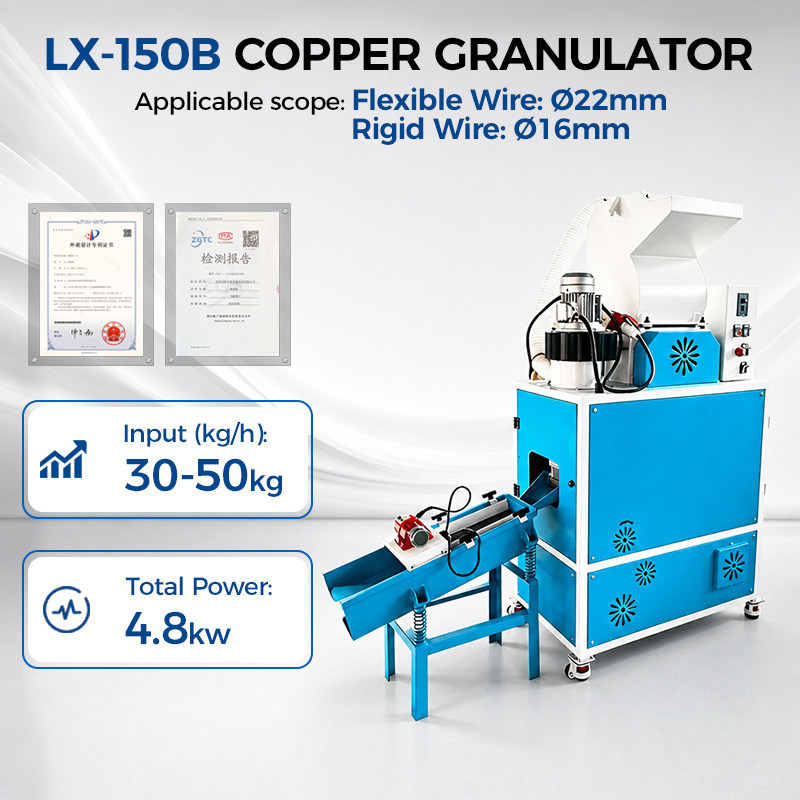
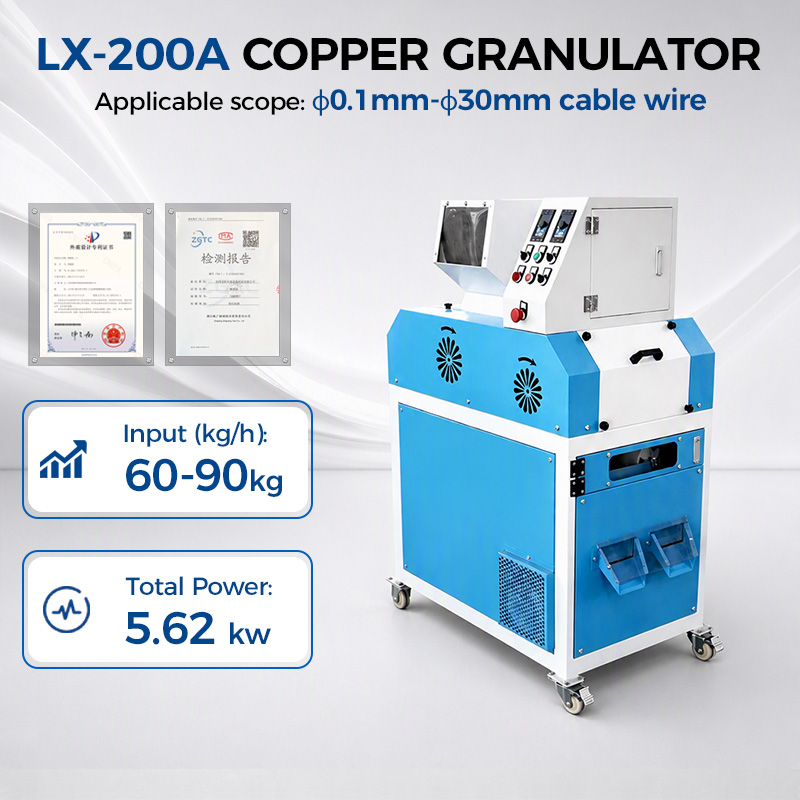
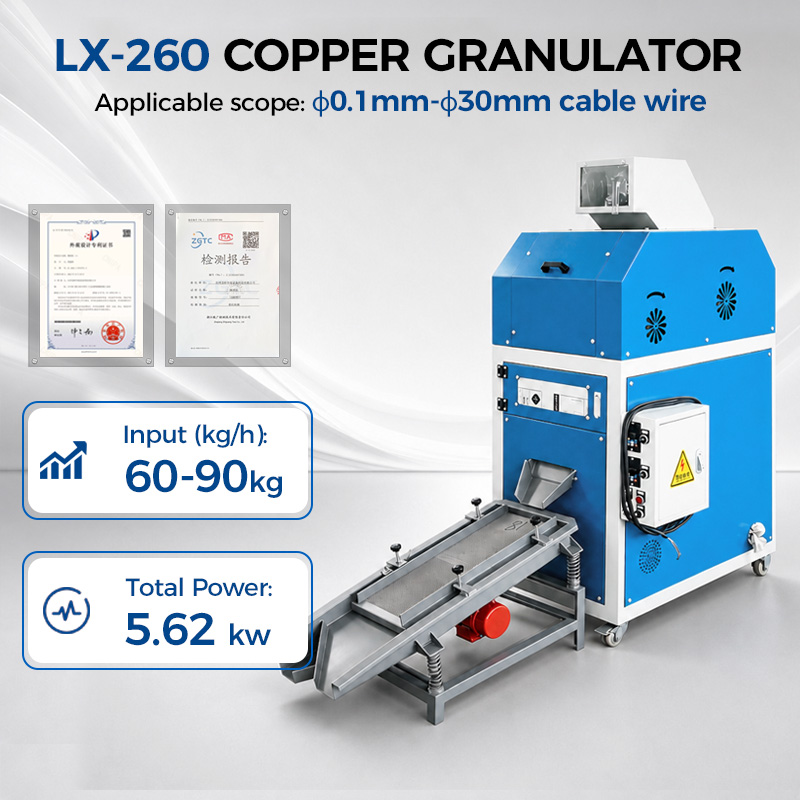
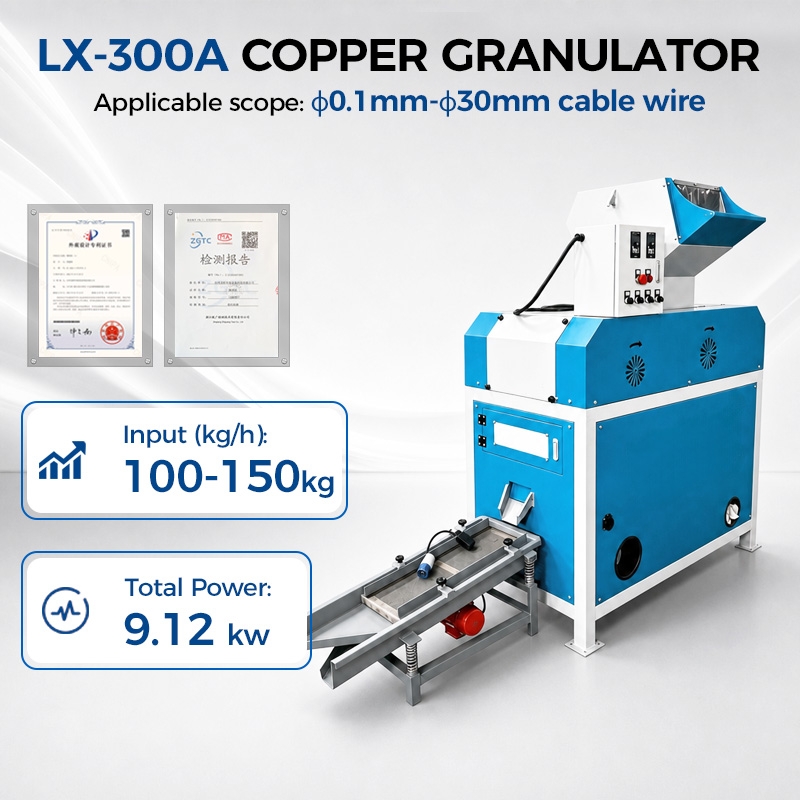
Selecting the right copper granulator begins with understanding your specific processing requirements. Factors such as the type of copper waste you are dealing with—be it insulated wires, cables, or pure copper scrap—will influence your choice. Granulators come in various configurations and capacities, designed to handle different input sizes and complexities. For instance, if you primarily process insulated cables, you may need a granulator equipped with a pre-shredder to reduce the size of larger materials before granulation. Additionally, consider the desired output size of the copper granules, as this can affect your production efficiency and the quality of your final product. A machine with adjustable settings for granule size might offer more flexibility for varying project requirements. For example, the LE-500B Electrostatic Separator for Copper and Plastic Recovery is designed to efficiently process different types of waste.

Also, evaluate the machine's throughput capacity, which is particularly important for bulk operations. A higher capacity machine will allow you to process larger volumes of material in less time, thus increasing productivity.

Get a Free Quote

Tell us about your recycling needs, and our team will recommend the right equipment and solution for your project.
0/1000