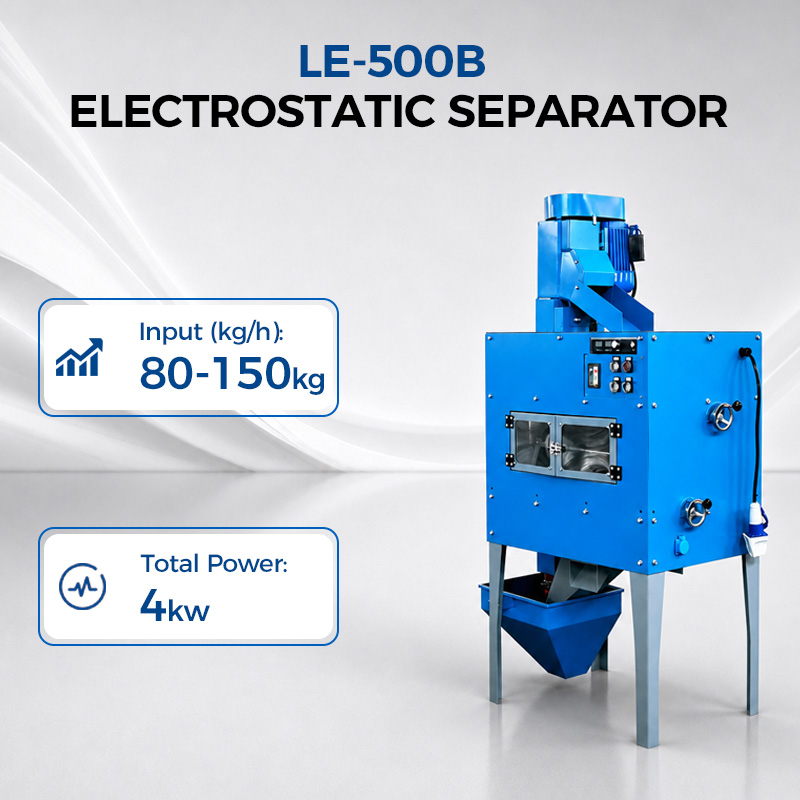
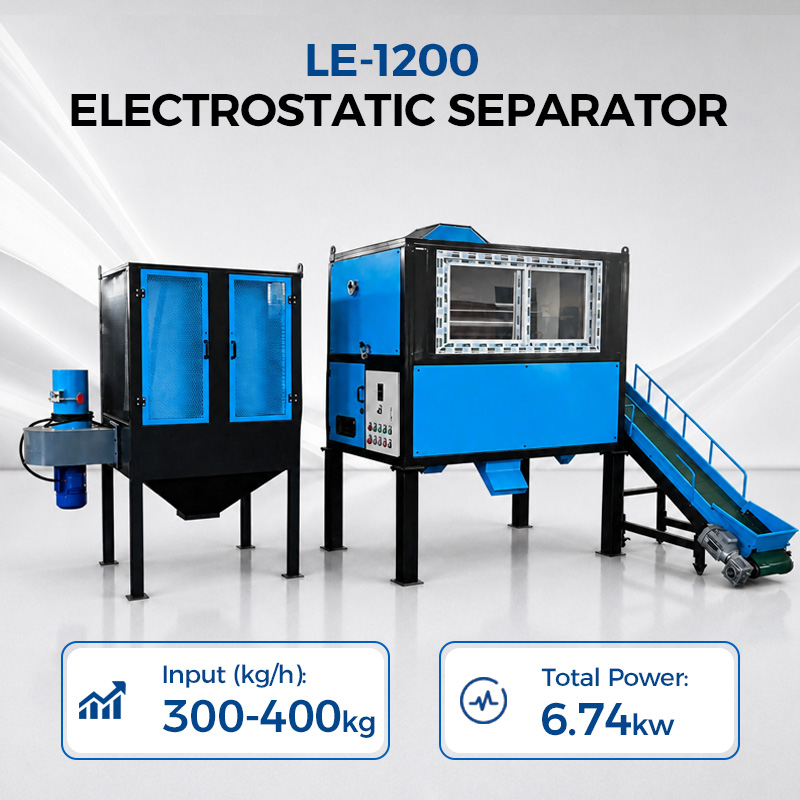
Electrostatic Separators for Sale: Key Specifications

application/electrostatic-separator-for-sale, application/electrostatic-separator-for-sale, 
Inquiry
Inquiry

electrostatic separator for sale

Electrostatic separators are vital tools in the recycling and waste management industries, specifically designed to separate materials based on their electrical properties. For businesses looking to optimize the recycling process of waste cables and metals, investing in an electrostatic separator for sale can significantly enhance operational efficiency. This article will guide B2B buyers through the critical factors to consider when selecting an electrostatic separator, ensuring that their investment aligns with their specific needs and operational standards.

Key Specifications to Evaluate in Electrostatic Separators for Sale

When searching for an electrostatic separator for sale, certain specifications are critical to ensure the machinery meets your operational needs. Key specifications to consider include:

Separation Efficiency: This is often expressed as a percentage, indicating how well the separator can distinguish between different material types. A higher efficiency percentage means better separation of valuable materials from waste.

Processing Capacity: This indicates the amount of material the separator can handle per hour. It’s essential to match this with your operational needs to avoid bottlenecks in production.

Input and Output Size: The size of the feed material and the desired output size can impact the separator's performance. Ensure that the separator can accommodate the dimensions of your specific materials.

Power Consumption: Electrostatic separators can vary significantly in their energy requirements. A model with lower power consumption can lead to cost savings over time.

Material Compatibility: The separator should be constructed from materials capable of withstanding the operational environment, including potential chemical exposure and mechanical wear.

Understanding these specifications will help you make an informed decision and avoid common pitfalls associated with purchasing the wrong equipment.

Electrostatic Separator Options for Bulk Orders

For businesses looking to purchase multiple units of electrostatic separators, it's beneficial to understand available options for bulk orders. Many manufacturers, including Hangzhou Lansing Machinery Co., Ltd., offer discounts for bulk purchases, which can significantly reduce the overall cost per unit.

When negotiating a bulk order, consider discussing customization options. Manufacturers may be able to tailor the equipment to your specific requirements, such as modifying dimensions or integrating additional features that enhance efficiency.

It’s also essential to inquire about lead times for bulk orders, as manufacturing and delivery times can vary. Planning your order well in advance can help you avoid production delays.

Understanding the Quality Control Process for Electrostatic Separators

Quality control is a crucial aspect of the manufacturing process for electrostatic separators. A robust quality control system ensures that each unit meets the required specifications and operates effectively.

Typically, quality control involves several stages, including:

Incoming Material Inspection: Raw materials must be inspected to ensure they meet predefined standards. This includes checking for material integrity and compatibility with the separator's design.

In-Process Testing: As the separator is assembled, regular inspections can identify potential issues early in the production process. This stage may involve testing individual components for functionality.

Final Assembly Testing: Once the separator is fully assembled, it should undergo comprehensive testing to verify that it meets all operational specifications. This may include testing for separation efficiency and durability under simulated operational conditions.

Post-Manufacturing Review: After production, a final review ensures that the product complies with all regulatory standards and customer specifications.

Engaging with suppliers who have a stringent quality control process can help ensure that your electrostatic separator will perform reliably in the long term.

Applications of Electrostatic Separators in Various Industries

Electrostatic separators find applications across several industries, primarily in recycling and waste management. Here are a few key applications:

Plastic Recycling: In the plastics industry, these separators are used to recover valuable plastic materials from mixed waste streams. They effectively separate different types of plastics, enabling their reuse in manufacturing processes.

Metal Recycling: Electrostatic separators can also be used to improve the quality of metal recovery from scrap materials, ensuring that non-metallic impurities are removed during the recycling process.

Electronics Recycling: As electronic waste continues to grow, electrostatic separators play a critical role in extracting precious metals from circuit boards and other electronic components.

Mining and Mineral Processing: In mining, these separators can be used to separate valuable minerals from waste rock, enhancing the efficiency of the extraction process.

Understanding the specific applications of electrostatic separators can help buyers select machines tailored to their industry needs, ultimately maximizing the effectiveness of their recycling operations.

How to Choose the Right Electrostatic Separator for Your Needs

Selecting the right electrostatic separator requires a clear understanding of your operational requirements and the materials you intend to process. First, assess the type of materials to be separated, as electrostatic separators perform best with non-metallic materials, such as plastics, which may be found in waste cables.

Consider the separator's capacity. It should match your production scale; larger operations may require high-capacity models capable of handling significant throughput. Additionally, evaluate the separator's efficiency rate, which indicates how effectively it can separate materials. A high efficiency rate usually correlates with better material purity, which is crucial for recycling. For example, the LX-400A Copper Wire Granulator is known for its high efficiency in separating materials.

Finally, think about the flexibility and adaptability of the machine. A versatile electrostatic separator that can handle various material types may offer better long-term value, allowing you to adjust your recycling operations as market demands change.

Frequently Asked Questions

What is an electrostatic separator used for?

An electrostatic separator separates conductive metals from non-conductive materials in waste cables and mixed metals using electrostatic charge, improving purity for recycling and recovering valuable metal fractions.
It handles insulated copper/aluminum cables, shredded electronic scrap, and mixed metal powders where conductive and non-conductive fractions need separation.
We offer models for small to large throughput and provide customized design, capacity tuning, and integration to fit your specific recycling line and production targets.
We provide full support: installation guidance, operator training, maintenance plans, spare parts supply, and remote or on-site service to ensure continuous operation.
Contact our sales team with feed material details, desired capacity, and output specs. We will provide a tailored solution, layout, and quotation from design to commissioning.

Get a Free Quote

Tell us about your recycling needs, and our team will recommend the right equipment and solution for your project.
0/1000