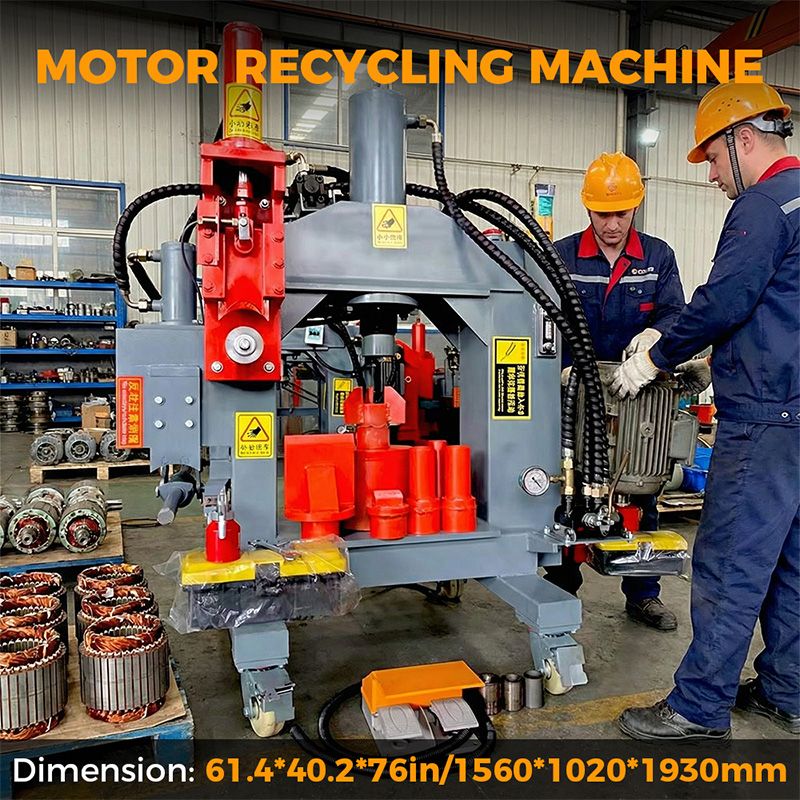
Key Insights on Scrap Motor Recycling Machines

application/scrap-motor-recycling-machine, application/scrap-motor-recycling-machine, 
Inquiry
Inquiry

scrap motor recycling machine

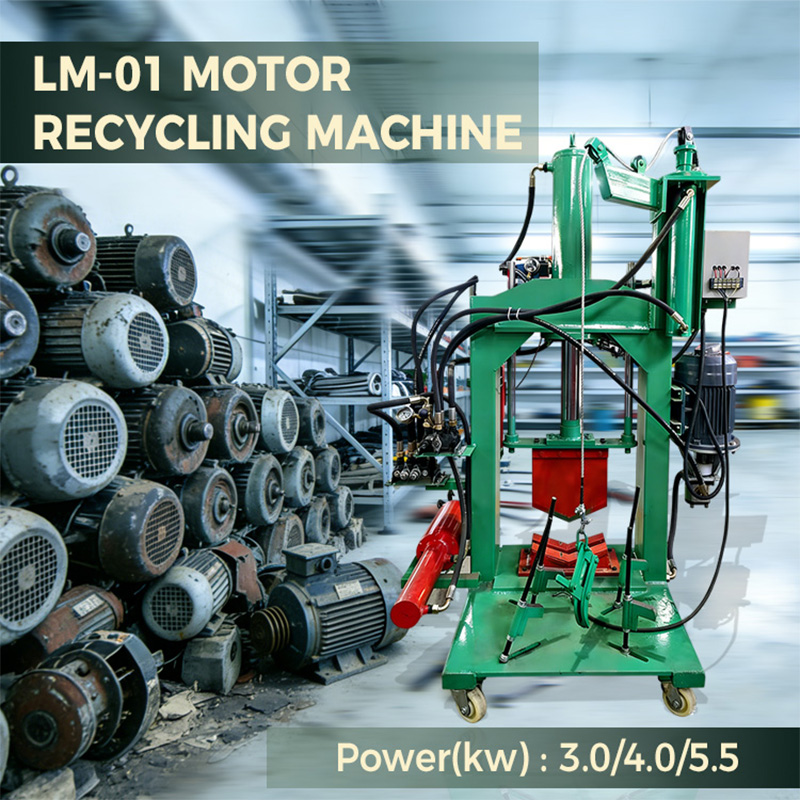
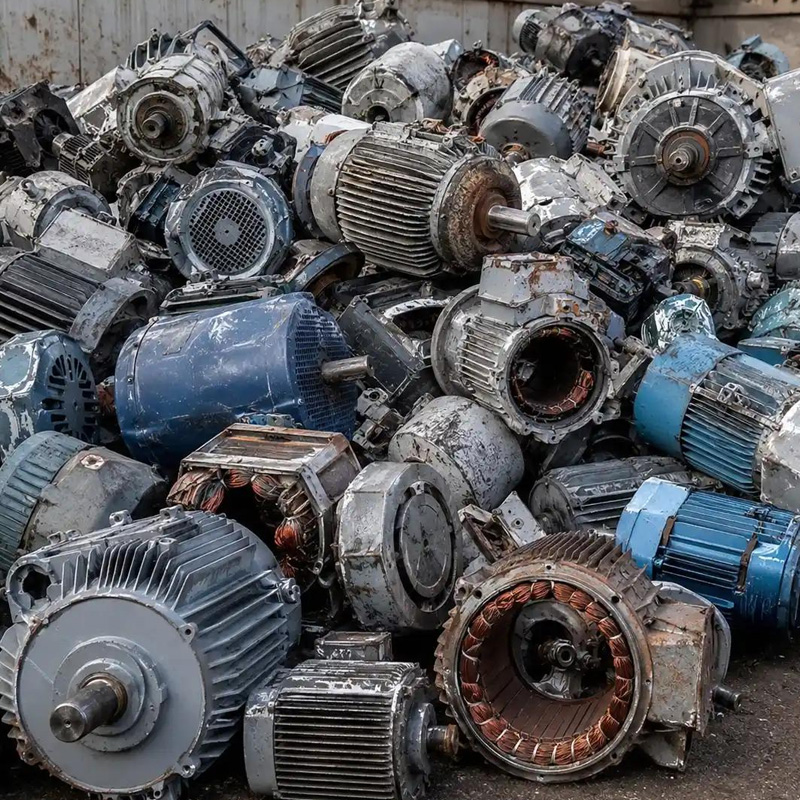
Scrap motor recycling machines play a crucial role in the efficient processing of waste motors, allowing companies to recover valuable materials while minimizing environmental impact. For B2B buyers—such as purchasing managers, engineers, and product managers—understanding the specifications, quality evaluation, and common challenges associated with these machines is essential for making informed purchasing decisions. This article aims to provide practical insights into scrap motor recycling machines, covering key specifications, wholesale purchasing tips, quality evaluation criteria, common issues, and cost factors.

Wholesale Purchasing Tips for Scrap Motor Recycling Machines

Wholesale Purchasing Tips for Scrap Motor Recycling Machines

When purchasing scrap motor recycling machines in bulk, several key tips can help ensure a smooth transaction:

Research Suppliers: Start by researching reputable manufacturers like Hangzhou Lansing Machinery Co., Ltd., which specializes in customized recycling solutions. Look for suppliers with a proven track record and positive customer reviews.

Request Detailed Quotes: When seeking quotations, provide clear specifications regarding the machine type, processing capacity, and any customization needs. This ensures that you receive accurate pricing and product details.

Inquire About Minimum Order Quantities (MOQ): Understanding the MOQ requirement can help in planning your purchase budget and logistics.

Evaluate Lead Times: Confirm the expected lead time for delivery. Production schedules can vary significantly, so knowing the timeline helps in aligning your operations with supply availability.

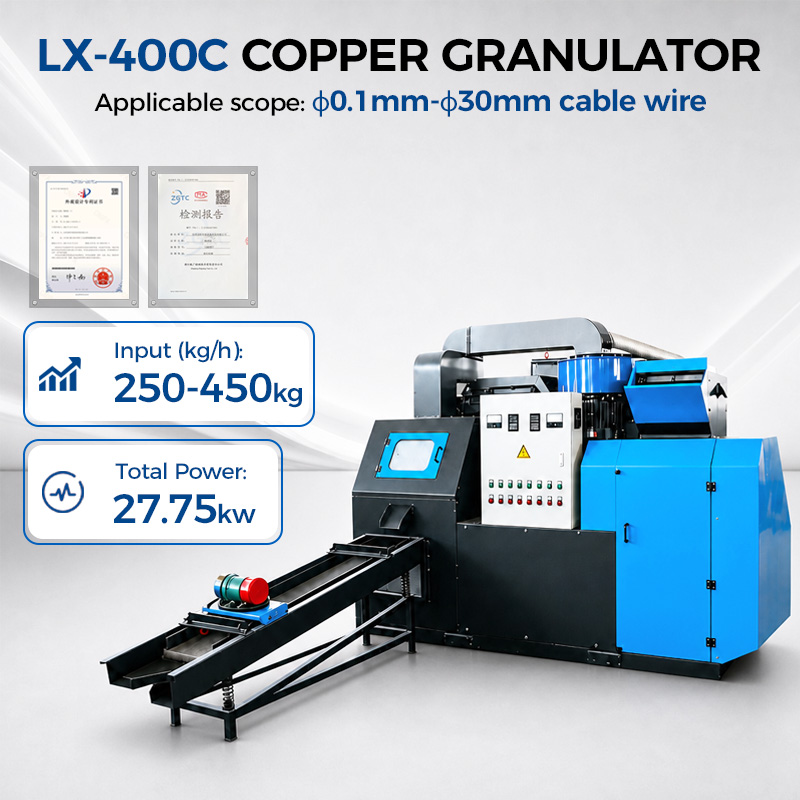
Assess After-Sales Support: Reliable after-sales support is crucial for machine maintenance and troubleshooting. Inquire about warranty terms and availability of spare parts to ensure long-term support. Consider machines like the Copper Granulator for their robust support options.

By following these tips, buyers can navigate the purchasing process more effectively and secure the best deals on scrap motor recycling machines.

How to Evaluate the Quality of Scrap Motor Recycling Machines

How to Evaluate the Quality of Scrap Motor Recycling Machines

Assessing the quality of scrap motor recycling machines involves a thorough evaluation of several factors:

Material and Build Quality: Inspect the materials used in the machine's construction. High-quality steel and durable components indicate a robust design that can withstand continuous operation.

Operational Performance: Request performance data or case studies demonstrating the machine's efficiency and throughput. This information can help validate the manufacturer's claims.

Certification and Compliance: Check for relevant industry certifications that ensure the machine meets safety and operational standards. Certifications can also indicate adherence to environmental regulations.

User Reviews and Testimonials: Gather feedback from current users to gain insights into the machine's reliability and performance in real-world conditions.

Sample Testing: Whenever possible, conduct a trial run or request a demonstration of the machine to evaluate its operational capabilities firsthand. This can provide a better understanding of how it fits into your existing processes.

By systematically evaluating these aspects, buyers can make informed decisions and reduce the risk of purchasing subpar equipment.

Common Problems with Scrap Motor Recycling Machines and Solutions

Common Problems with Scrap Motor Recycling Machines and Solutions

Despite their efficiency, scrap motor recycling machines can encounter various problems. Here are some common issues and their potential solutions:

Jamming: This can occur due to improper feeding of materials or the presence of non-recyclable components. To prevent jamming, ensure that operators are trained in proper loading techniques and implement regular maintenance checks.

Inconsistent Output Quality: Variability in the quality of recycled materials may arise if the machine is not calibrated correctly. Regular inspections and adjustments based on the types of motors being processed can help maintain consistent output.

Wear and Tear: Over time, components may wear out, leading to decreased efficiency. Establish a routine maintenance schedule and keep spare parts on hand to minimize downtime.

Power Issues: Fluctuations in power supply can affect machine performance. Investing in voltage stabilizers or surge protectors can help mitigate power-related issues.

Operator Safety Concerns: Safety is paramount in any recycling operation. Regularly review safety protocols and ensure all operators are trained in emergency procedures.

Addressing these common problems proactively can help ensure smooth operations and extend the lifespan of scrap motor recycling machines.

Understanding Cost Factors for Scrap Motor Recycling Machines

When budgeting for scrap motor recycling machines, consider the following cost factors:

Initial Purchase Price: The upfront cost can vary widely based on machine specifications, brand reputation, and any customization features. Ensure that you factor in the total cost of ownership, including maintenance and operational costs.

Installation and Setup Costs: Installation may require specialized personnel and additional equipment. Budgeting for these costs can prevent unexpected expenses.

Operating Expenses: Analyze energy consumption, labor costs, and maintenance when estimating ongoing expenses. More efficient machines may have higher initial costs but can lead to lower operating costs over time.

Shipping and Handling Fees: Logistics can add to the total cost. Inquire about shipping options and associated fees to understand the complete financial picture.

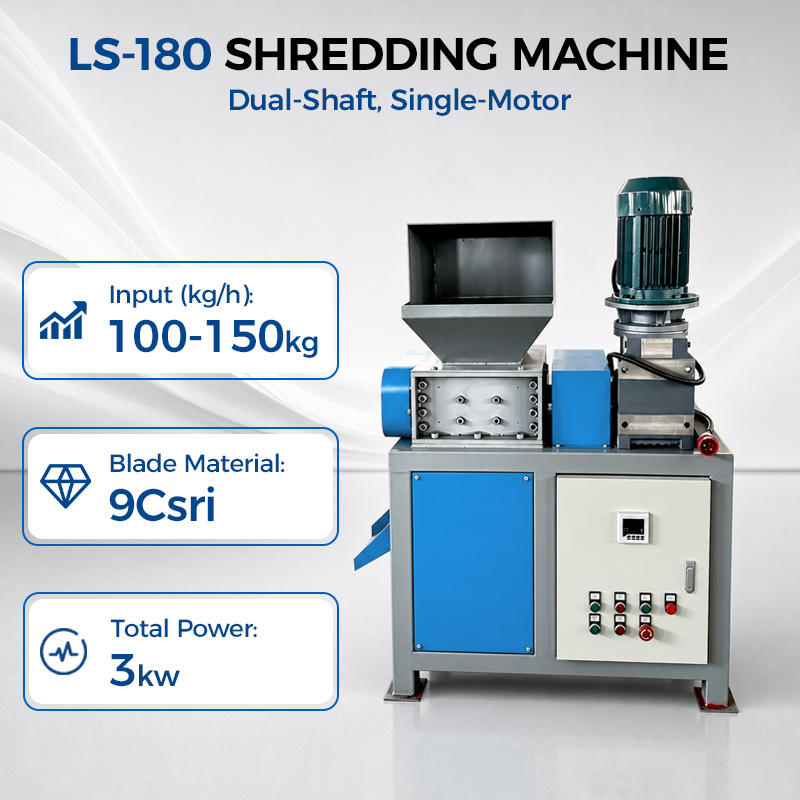
Potential Downtime Costs: Consider the impact of potential downtime due to maintenance or repairs. Investing in high-quality machinery, such as a Shredding Machine, can reduce the likelihood of costly interruptions.

By comprehensively understanding these cost factors, buyers can make informed financial decisions and ensure that their investment in a scrap motor recycling machine aligns with their operational goals.

Key Specifications to Consider for Scrap Motor Recycling Machines

When selecting a scrap motor recycling machine, several key specifications should be taken into account:

Processing Capacity: This refers to the amount of scrap material that can be processed in a given timeframe, typically measured in tons per hour. Buyers should evaluate their operational needs to choose a machine that aligns with their processing volume.

Motor Type Compatibility: Different machines may be designed to handle specific types of motors, including AC, DC, or hybrid motors. Understanding the compatibility with various motor types ensures effective recycling and maximum yield.

Power Consumption: Efficient machines will have lower power requirements. Reviewing the machine's energy consumption can lead to cost savings in long-term operation.

Separation Technology: Look for machines that incorporate advanced separation technologies, such as magnetic separation or eddy current systems, which enhance the recovery of metals while reducing contamination. For example, machines like the Electrostatic Separator can improve the separation process significantly.

Durability and Material Quality: The construction materials of the machine should be robust enough to handle heavy workloads. High-quality steel components can improve durability and reduce maintenance costs.

Safety Features: Compliance with safety regulations and features such as emergency stops, safety guards, and automatic shut-off can protect operators and reduce workplace hazards.

By focusing on these specifications, buyers can ensure that the scrap motor recycling machine they select meets their operational requirements and industry standards.

Get a Free Quote

Tell us about your recycling needs, and our team will recommend the right equipment and solution for your project.
0/1000