Choosing the Right Motor Recycling Machine

application/motor-recycling-machine, application/motor-recycling-machine, 
Inquiry
Inquiry

motor recycling machine

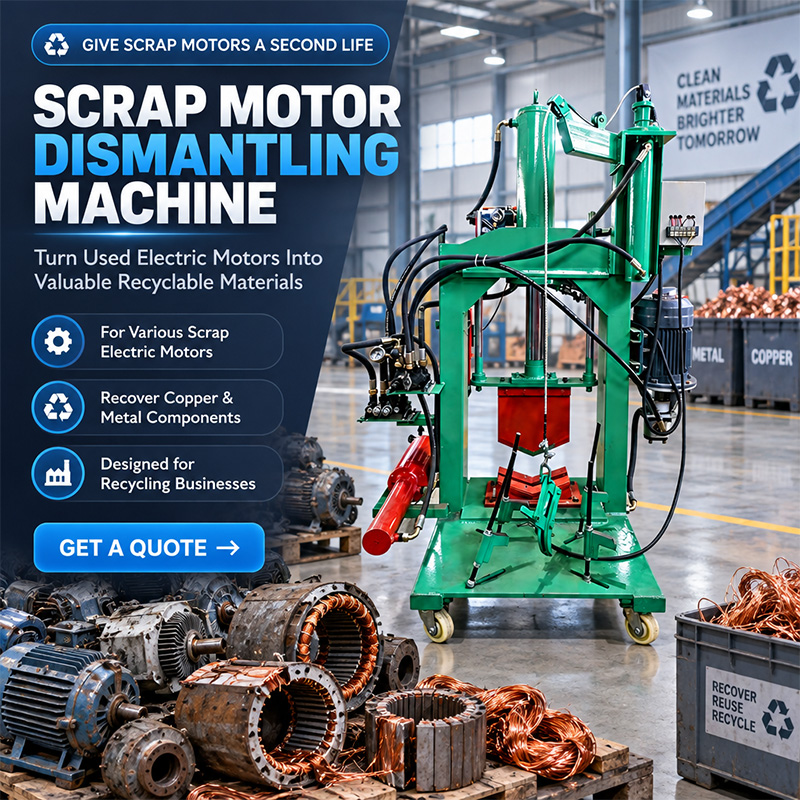
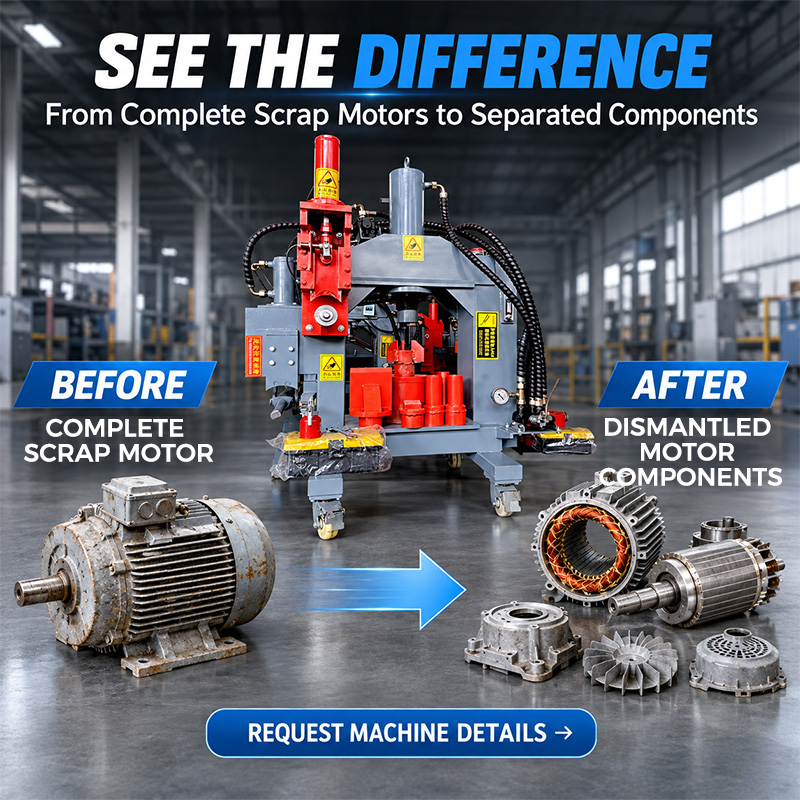
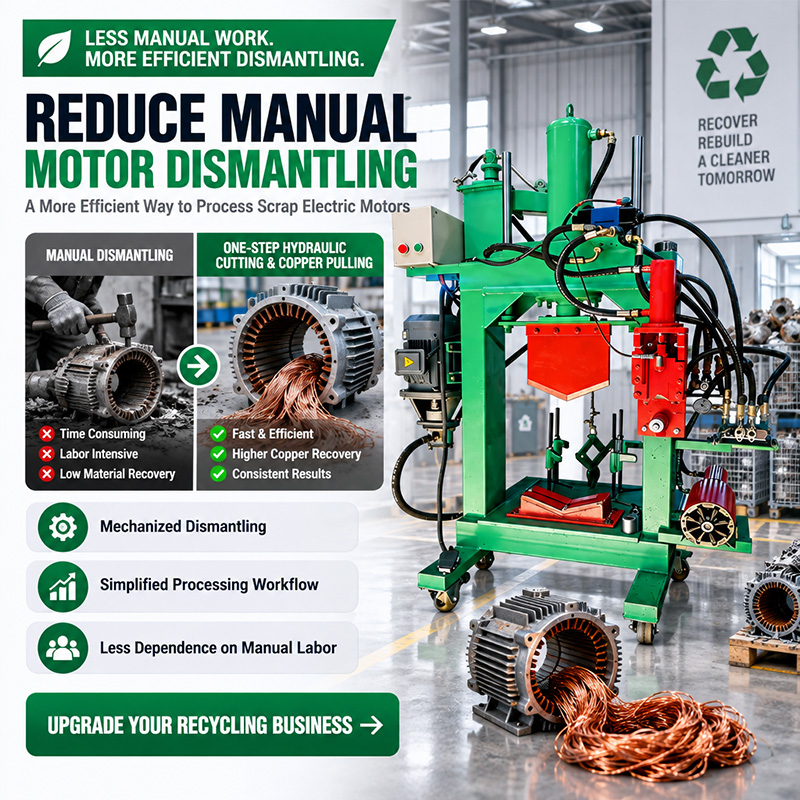
Motor recycling machines are essential tools for businesses looking to recycle electric motors efficiently. As a B2B buyer, you may have concerns about selecting the right model, understanding cost factors, ensuring proper installation, and verifying quality. This article will guide you through these considerations, providing insights to help you make informed decisions when investing in a motor recycling machine for your operations.

Understanding the Cost Factors of Motor Recycling Machines

Understanding the Cost Factors of Motor Recycling Machines

The cost of a motor recycling machine can vary significantly based on several factors. Key considerations include:

Machine Specifications: Higher capacity machines with advanced features, such as automated sorting and enhanced safety measures, tend to have higher upfront costs. Assess the specifications closely to ensure they align with your business needs.

Material Quality: The quality of materials used in the machine's construction can impact long-term durability and maintenance costs. Investing in a machine built with robust materials may result in lower operational costs over time.

Customization Requirements: Customized machines typically cost more due to additional engineering and manufacturing processes. Determine if these custom features are essential for your operation.

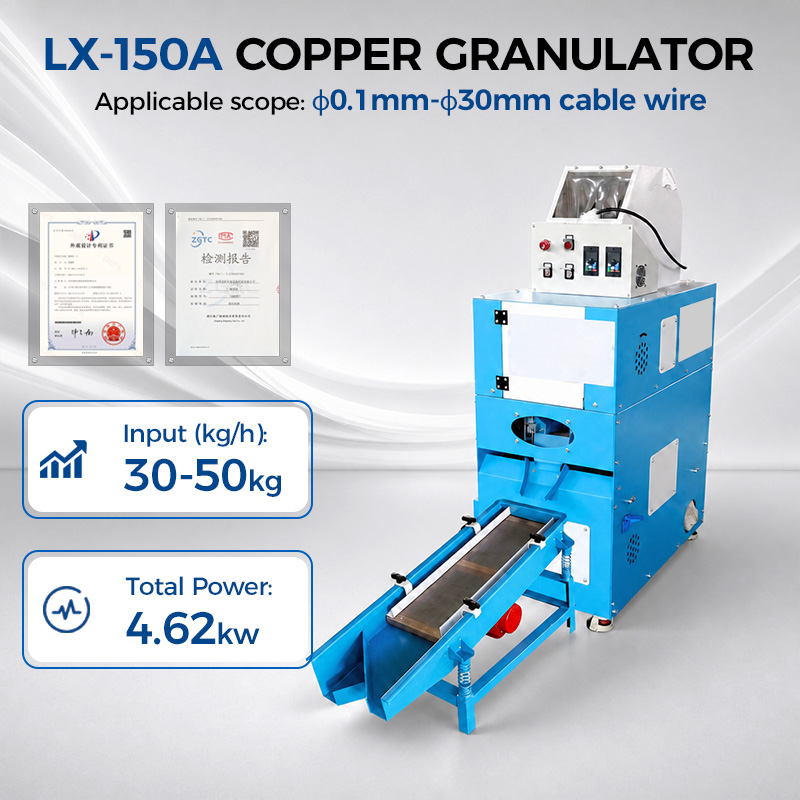
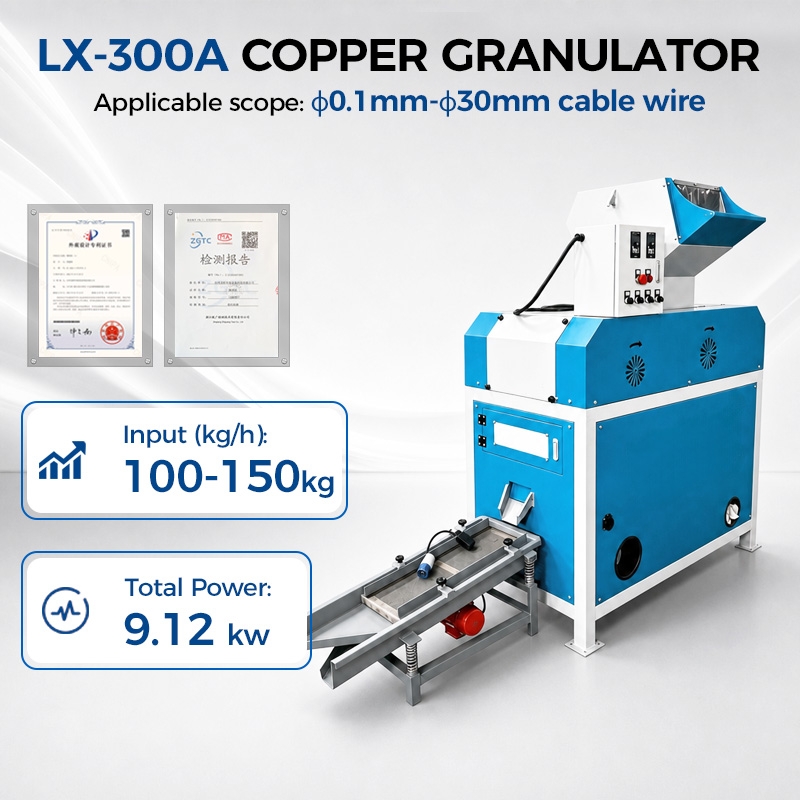
After-Sales Support: Consider the value of after-sales service, including maintenance and technical support. A reliable manufacturer will provide ongoing assistance, which can mitigate downtime and operational disruptions. For instance, manufacturers of the LX-400A Copper Wire Granulator often offer extensive support packages.

Market Trends: Staying informed about market trends and supply chain fluctuations can help you anticipate price changes and make timely purchasing decisions.

Installation Guidance for Efficient Use of Motor Recycling Machines

Installation Guidance for Efficient Use of Motor Recycling Machines

The installation of a motor recycling machine is a critical step that can significantly influence its performance and longevity. Here are key points to consider during installation:

Site Preparation: Ensure that the installation site is suitable, with adequate space for the machine, as well as sufficient power supply and ventilation. Consider the layout to facilitate efficient workflow.

Professional Installation: Engage qualified professionals for the installation process. Their expertise will ensure that the machine is set up correctly and adheres to safety standards, minimizing potential operational issues.

Calibration and Testing: After installation, calibrate the machine according to the manufacturer's specifications. Conduct thorough testing to ensure that the equipment is functioning properly before commencing full-scale operations.

Training: Provide comprehensive training for your staff on operating the machine. Understanding its functions and safety protocols is essential for maximizing efficiency and minimizing accidents.

Applications of Motor Recycling Machines in Various Industries

Applications of Motor Recycling Machines in Various Industries

Motor recycling machines serve a wide range of industries, each with unique applications. Here are a few key sectors:

Automotive: The automotive industry regularly replaces electric motors in vehicles. Recycling these components can recover valuable materials and contribute to sustainability efforts.

Manufacturing: Factories often upgrade machinery, leading to surplus motors. Recycling these motors not only provides raw materials but also helps manage waste responsibly.

Electronics: The electronics sector generates a significant amount of electronic waste, including motors from appliances and devices. Efficient recycling supports environmental compliance and resource recovery.

Renewable Energy: As the renewable energy sector grows, so does the need for efficient motor recycling. Wind turbines and electric vehicles require specialized recycling processes to extract valuable materials from their components.

Understanding the specific applications within your industry can help you tailor your motor recycling approach, maximizing efficiency and profitability. For example, using machines like the LS-600B Dual-Shaft Shredder can enhance your recycling capabilities in various sectors.

Quality Control Measures for Motor Recycling Machines

Quality control is paramount when purchasing a motor recycling machine. Implementing stringent quality checks ensures that the machine operates effectively and meets safety standards. Here are essential measures to consider:

Material Standards: Verify that the machine's components meet industry standards for durability and performance. Ensure that the manufacturer provides documentation of material specifications.

Performance Testing: Request performance test results from the manufacturer. Testing data should demonstrate the machine's efficiency in recovering materials and its operational reliability.

Certifications: Seek machines that comply with relevant industry certifications, which can provide assurance of quality and safety. These certifications often indicate that the machine has undergone rigorous testing and meets established benchmarks.

Ongoing Maintenance: Establish a maintenance schedule to ensure the machine operates optimally over its lifecycle. Regular inspections and servicing can prevent issues before they escalate and ensure compliance with safety regulations.

User Feedback: Look for reviews or case studies from other users in your industry. Their experiences can provide valuable insights into the machine's performance and reliability.

By following these guidelines, you can make informed decisions when selecting a motor recycling machine, ensuring it meets your operational needs while providing a solid return on investment.

Choosing the Right Motor Recycling Machine for Your Business Needs

Selecting the appropriate motor recycling machine involves understanding your specific operational requirements. Factors to consider include the types of motors you will process (e.g., AC, DC, or stepper motors), the volume of materials, and the desired recycling output.

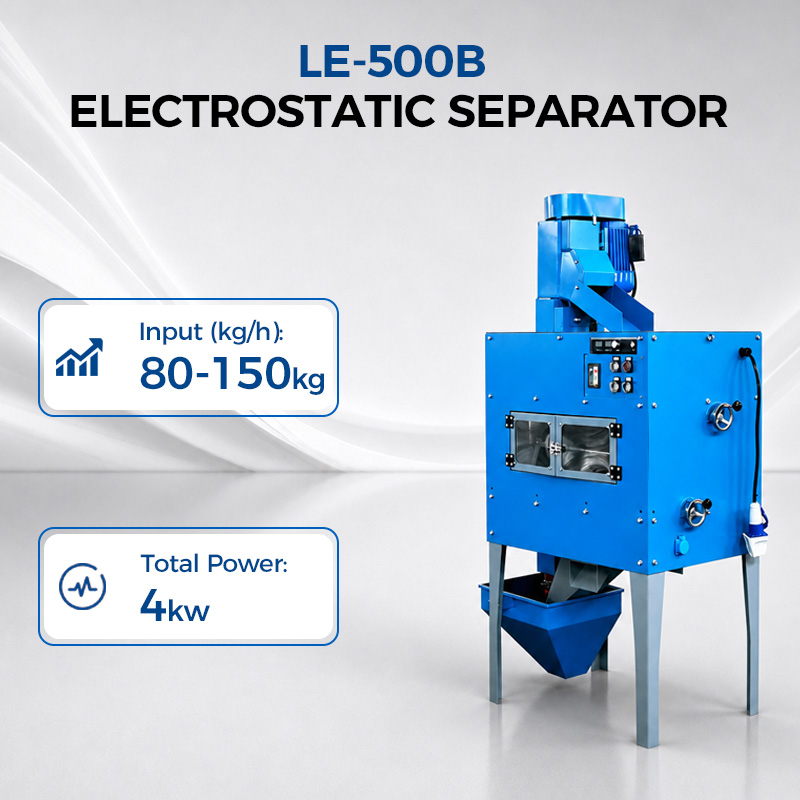
Look for machines that offer flexibility in handling various motor sizes and types. A well-designed motor recycling machine should provide features such as automatic feeding systems, efficient separation technologies, and high recovery rates for materials like copper and aluminum. Additionally, consider the machine's throughput capacity, as this affects your productivity levels. Machines capable of processing multiple motors simultaneously can significantly reduce processing time. For example, the LE-500B Electrostatic Separator for Copper and Plastic Recovery is designed to handle multiple materials efficiently.

Customization options are also crucial. Depending on the specific characteristics of your operation, you may need a machine tailored to your requirements. Ensure that the manufacturer can accommodate such customization, allowing you to optimize your recycling processes.

Get a Free Quote

Tell us about your recycling needs, and our team will recommend the right equipment and solution for your project.
0/1000