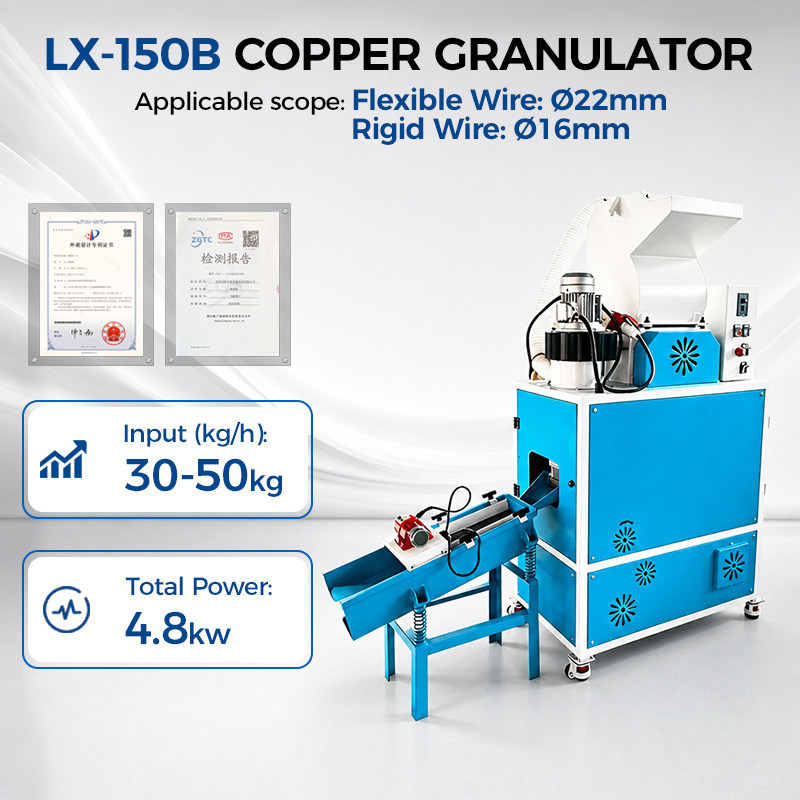
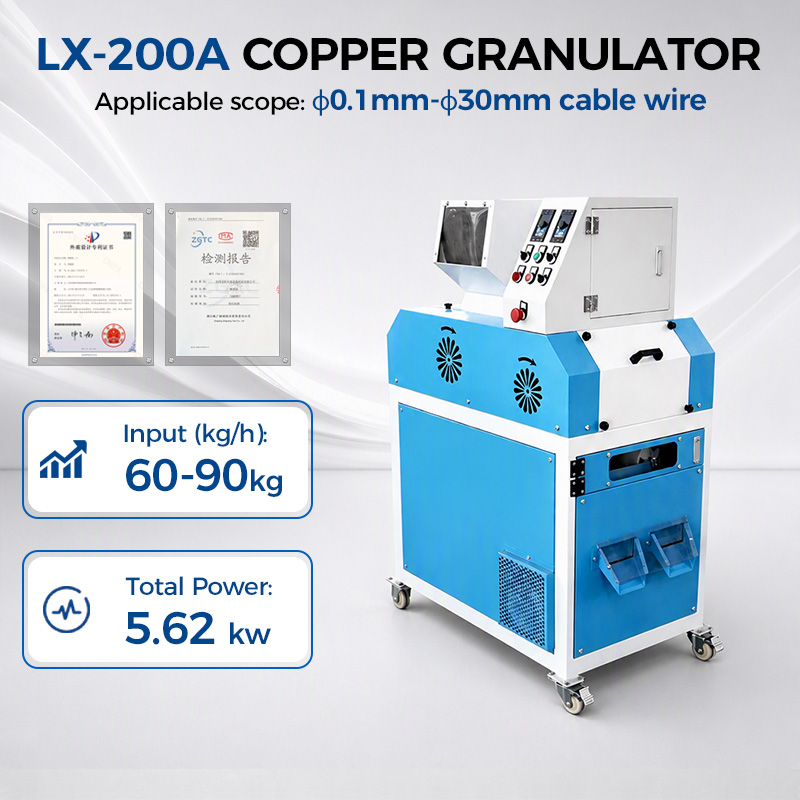
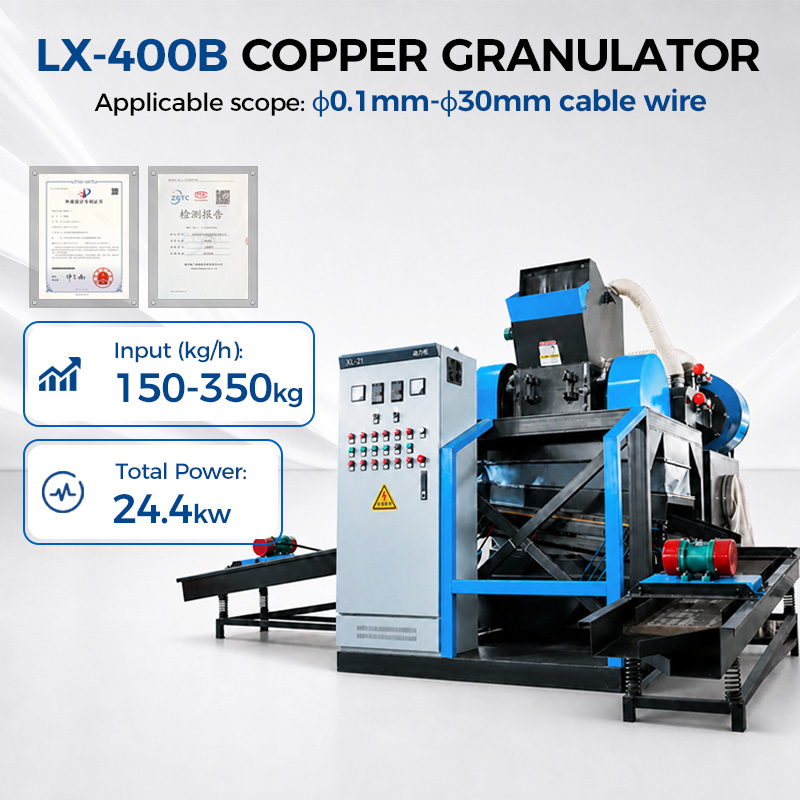
Quality Copper Wire Granulator Separators Guide

application/copper-wire-granulator-separator, application/copper-wire-granulator-separator, 
Inquiry
Inquiry

copper wire granulator separator

Copper wire granulator separators are essential machines in the recycling industry, designed to efficiently process and separate copper from waste cables. For B2B buyers, such as purchasing managers and engineers, the main concerns revolve around the quality, specifications, and cost-effectiveness of these machines. This article will guide readers through evaluating copper wire granulator separators, highlight critical specifications, and provide insights on sourcing reliable suppliers, cost considerations, and applications across various industries.

Top Specifications to Consider in Copper Wire Granulator Separators

When selecting a copper wire granulator separator, several key specifications should guide your decision:

Separation Efficiency: This indicates how well the machine can separate copper from insulation materials. High efficiency reduces waste and increases profitability.

Throughput Capacity: Measured in kilograms per hour, this specification reflects how much material the separator can process in a given timeframe. Choose a model that aligns with your production needs.

Power Requirements: Understanding the machine's energy consumption is vital for budgeting operational costs. Efficient machines can significantly lower electricity expenses.

Size and Footprint: Ensure the separator fits your workspace. Consider not only the physical dimensions but also the layout needed for effective operation and maintenance.

Customization Options: Some manufacturers offer customizable features based on the specific types of cables you process. This can enhance efficiency and performance.

Safety Features: Look for machines with built-in safety mechanisms, such as emergency stops and protective covers, to ensure a safe working environment for operators.

Understanding these specifications will enable buyers to make informed decisions that align with their operational requirements and budget constraints.

Where to Source Reliable Copper Wire Granulator Separator Suppliers

Finding a trustworthy supplier for copper wire granulator separators involves several steps. Start by researching manufacturers with a solid track record in the recycling equipment industry. Online directories, industry trade shows, and professional networks can help identify potential suppliers.

Once you have a list, assess each supplier's capabilities. Look for manufacturers that not only produce high-quality machines but also offer comprehensive customer support, including installation, training, and maintenance services. Reputable suppliers should provide detailed product information, including specifications, operational guidelines, and customer testimonials. For example, the LX-400C 250-450kg/h Fully Enclosed Copper Wire Granulator is a notable option to consider.

Requesting quotes from multiple suppliers can also help you gauge market pricing and ensure you’re getting a competitive deal. During discussions, inquire about their experience with international markets, as this can indicate their ability to navigate shipping and customs processes effectively.

Cost Factors to Consider When Purchasing Copper Wire Granulator Separators

The initial purchase price is just one of several cost factors to consider when investing in copper wire granulator separators. Additional costs include:

Installation and Setup: Depending on the complexity of the machine, installation may require specialized technicians. Factor in these costs when budgeting.

Operational Costs: This includes electricity consumption, maintenance, and replacement parts. Efficient machines can lower long-term operational expenses.

Training: Investing in operator training can enhance machine performance and reduce the risk of operational errors.

Warranty and After-Sales Service: A robust warranty and reliable after-sales service can save costs related to repairs and downtime.

Shipping and Handling: Depending on the supplier’s location, transportation costs can vary significantly. Ensure to include these in your overall budget.

Customization Costs: If you require specific modifications to the separator, these may increase the overall price. Clarify customization options and associated costs upfront.

Understanding these factors will help buyers make an informed financial decision regarding their purchase.

Applications of Copper Wire Granulator Separators in Various Industries

Copper wire granulator separators find application across several industries, primarily due to their efficiency in recycling and resource recovery. Some notable sectors include:

Electronics Manufacturing: In this sector, extracting copper from waste cables can significantly reduce material costs and promote sustainability.

Automotive Industry: The automotive sector generates substantial waste from electronic components. Copper wire granulator separators help reclaim valuable materials from discarded vehicles.

Construction and Demolition: As buildings are deconstructed, the cables within are often discarded. Recycling these cables through granulator separators promotes environmental responsibility.

Telecommunications: The telecommunications industry routinely replaces old wiring. Effective recycling of these materials not only recoups costs but also supports green initiatives.

In summary, copper wire granulator separators play a crucial role in recycling across various industries, contributing to sustainability and resource efficiency. By understanding their applications and the necessary specifications, B2B buyers can better navigate their purchasing decisions, ensuring they select the right equipment for their operational needs.

How to Evaluate the Quality of Copper Wire Granulator Separators

When assessing the quality of copper wire granulator separators, several factors come into play. First, examine the construction and materials used in the machine. High-quality steel components are essential for durability and resistance to wear during operation. It’s also crucial to review the performance metrics like separation efficiency and throughput rates, which indicate how effectively the machine can separate copper from other materials.

Additionally, consider the manufacturer's reputation for quality control. A reliable manufacturer should have established protocols for testing and inspection, ensuring that each unit meets specific performance standards. Look for customer reviews and case studies that highlight the machine's performance in real-world applications. For instance, a model like the LE-500B Electrostatic Separator for Copper and Plastic Recovery can provide insights into effective performance. Finally, inquire about the warranty and after-sales support, as these factors can significantly impact the total cost of ownership and long-term satisfaction with the equipment.

Get a Free Quote

Tell us about your recycling needs, and our team will recommend the right equipment and solution for your project.
0/1000