Copper Granulator Price and Buying Guide

application/copper-granulator-price, application/copper-granulator-price, 
Inquiry
Inquiry

copper granulator price

Copper granulators are specialized machines designed to efficiently separate copper from insulation in scrap cables, making them essential for recycling operations. Understanding the factors affecting copper granulator price is crucial for purchasing managers and distributors, as price varies based on specifications, quality, and supplier reputation. This article will guide you through where to buy copper granulators at wholesale prices, key specifications to consider, common problems and solutions, advantages in recycling applications, and bulk order discounts for distributors, helping you make informed purchasing decisions.

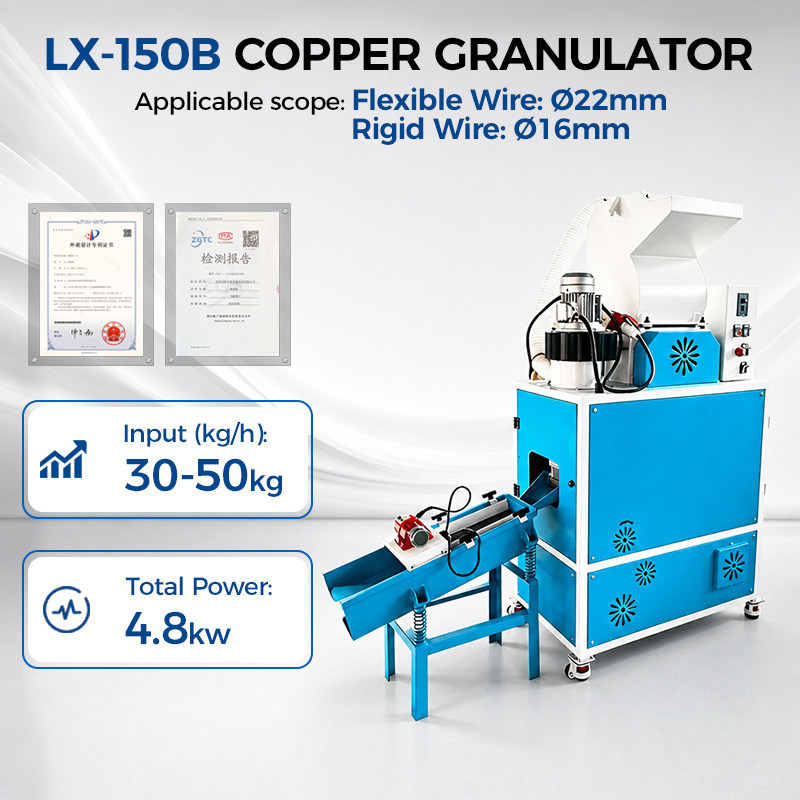
Key Specifications of High-Quality Copper Granulators

When evaluating copper granulators, several key specifications should be considered to ensure optimal performance:

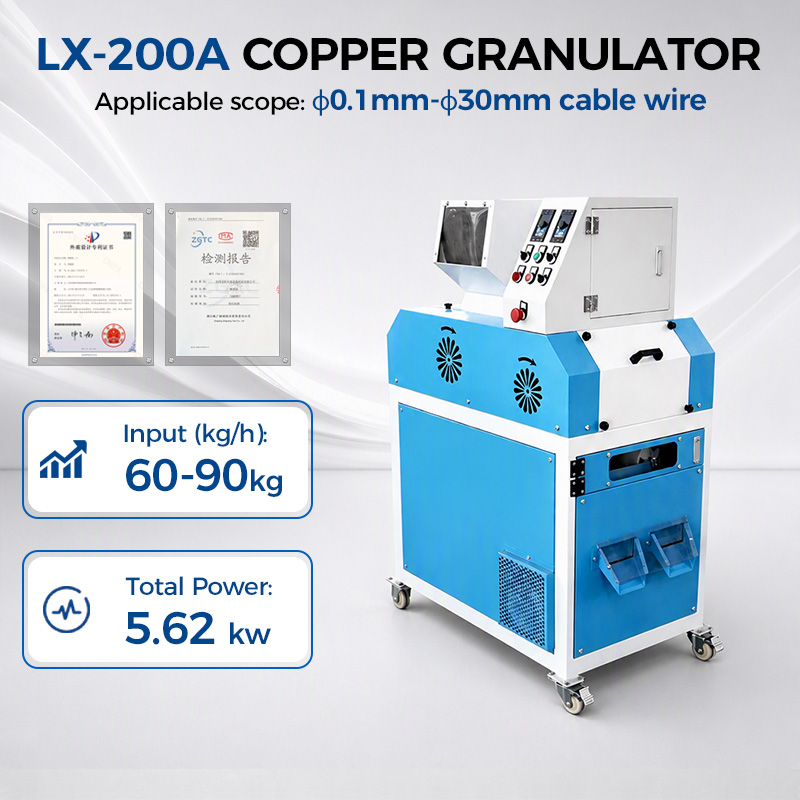
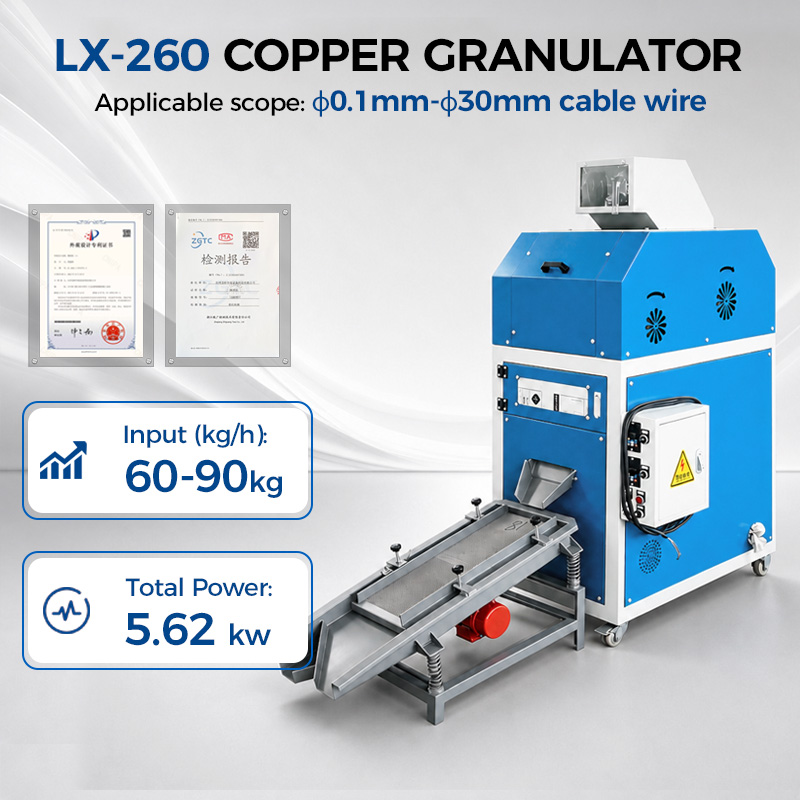
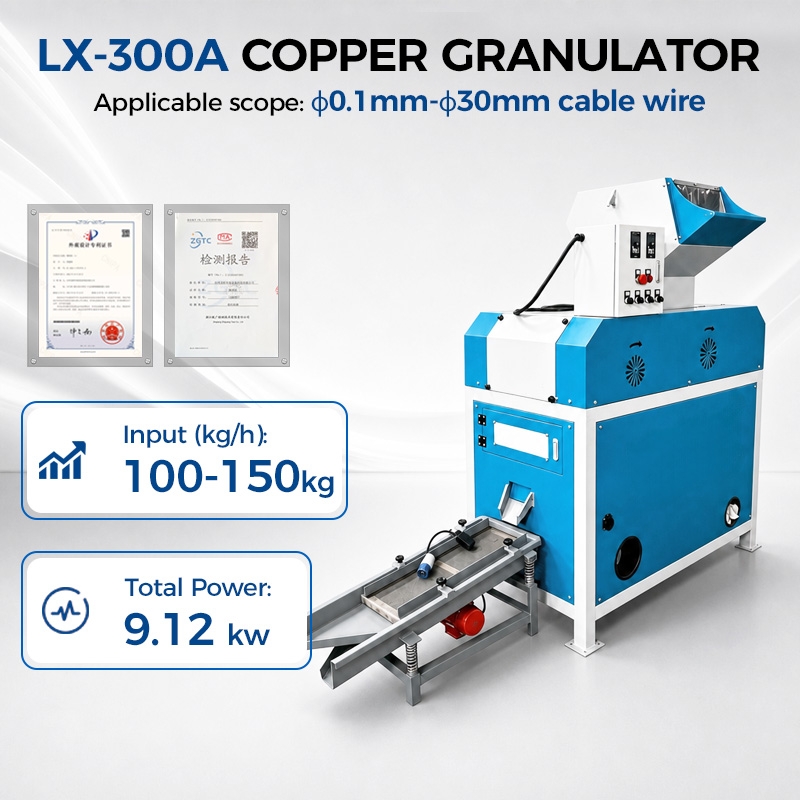
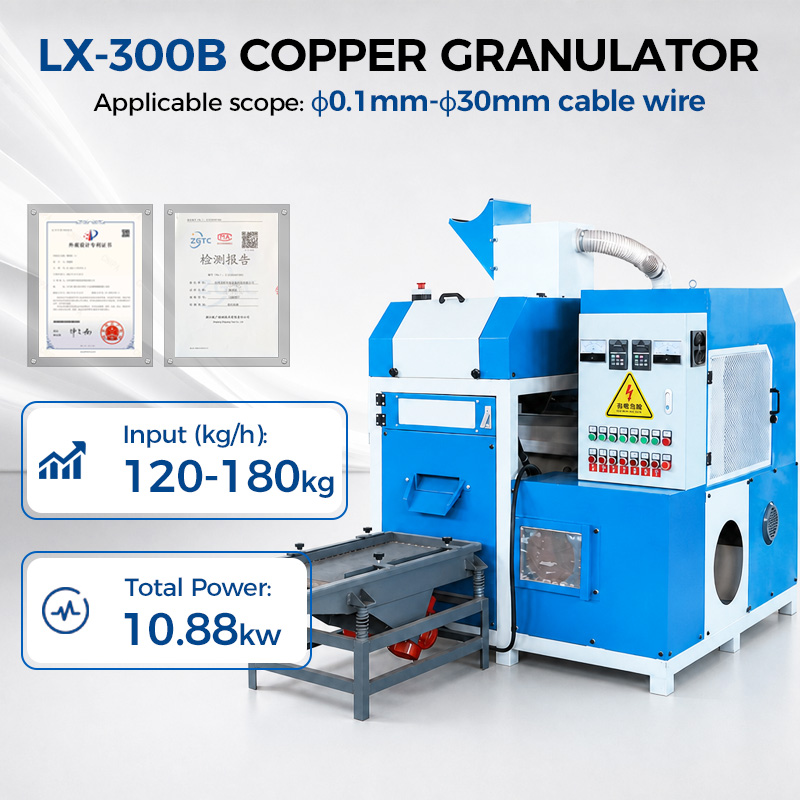
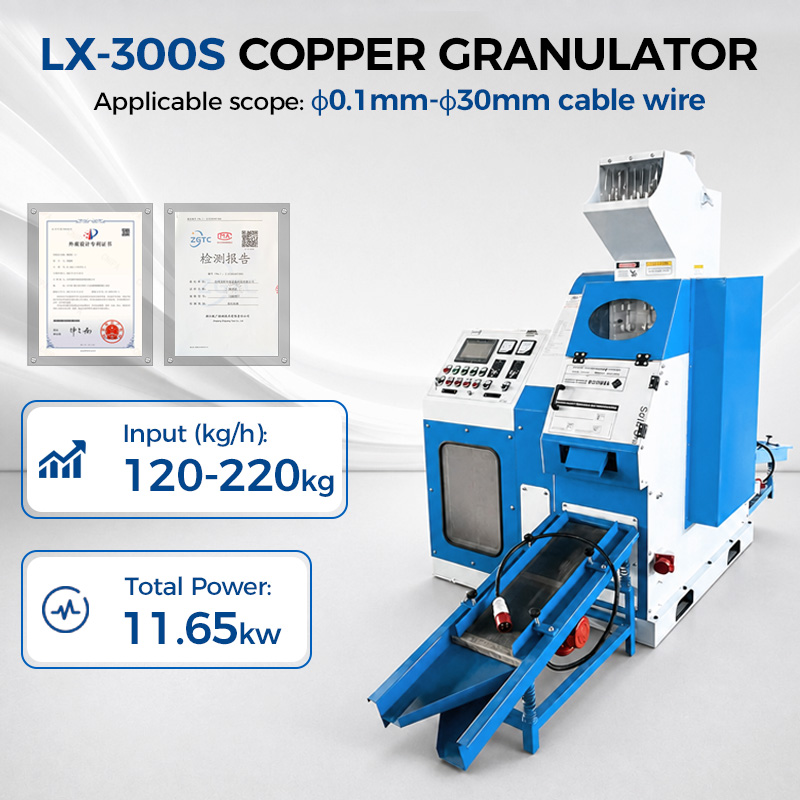
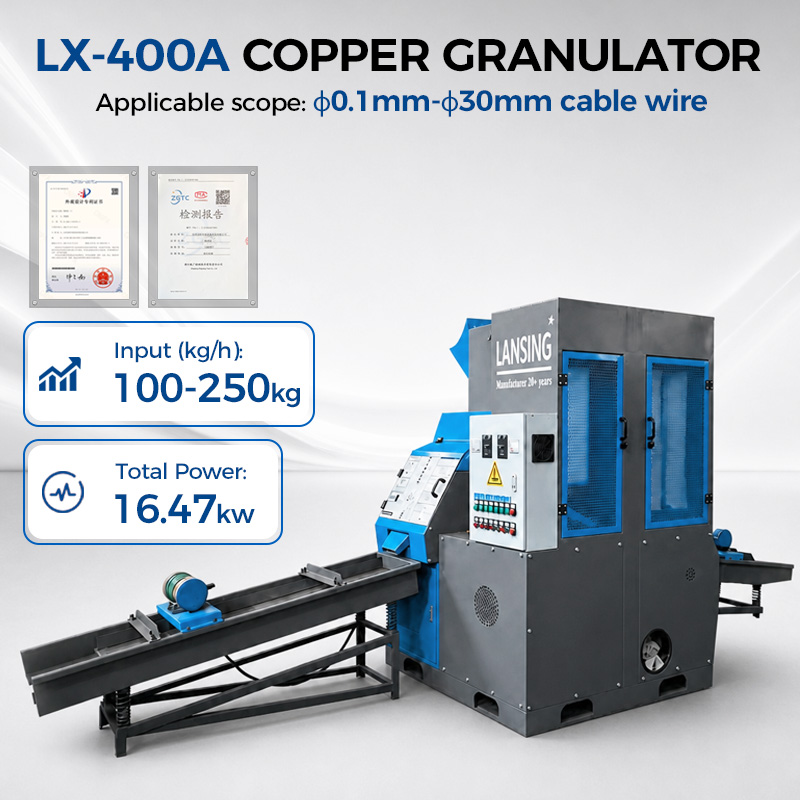
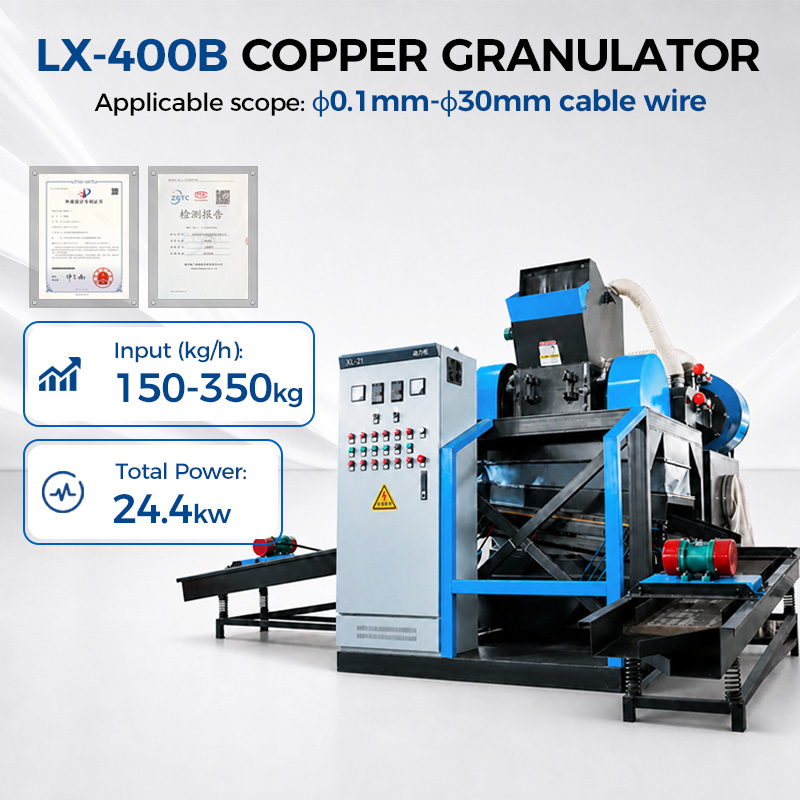
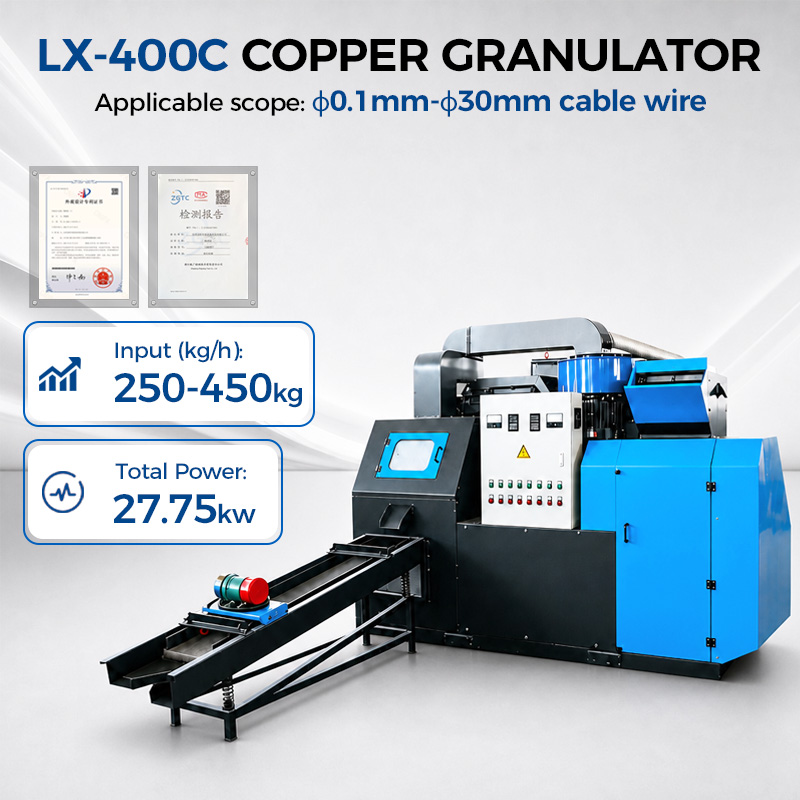
Processing Capacity: This refers to the volume of cables the machine can process in a given time frame, typically measured in kilograms per hour. Buyers should select a granulator with a capacity that aligns with their operational needs.

Granulation Rate: A high granulation rate is essential for efficient copper recovery. Look for machines that provide consistent granule sizes, as this affects the quality of the recycled copper.

Power Consumption: Energy efficiency is crucial for minimizing operating costs. Assess the kilowatt rating of the granulator and consider its energy consumption relative to its processing capacity.

Material Quality: The construction materials of the granulator itself, such as hardened steel for the blades and durable casing, influence the machine's longevity and operational reliability.

Ease of Maintenance: Machines designed for easy access to components for maintenance will reduce downtime and prolong the equipment's lifespan. Understanding these specifications will help you compare different models effectively and ensure you select a granulator that meets your specific recycling requirements.

Common Problems with Copper Granulators and Their Solutions

Copper granulators can face several operational challenges, and identifying these issues early can save time and costs. Some common problems include:

Clogging: This often occurs when foreign materials mix with the cables. Regular maintenance and installing a pre-cleaning system can help minimize this issue.

Inconsistent Granule Size: Variations in granule size can impact the value of the recycled copper. Adjusting the granulator's settings and ensuring proper blade sharpness can help achieve uniformity.

Excessive Wear and Tear: High operational demands can lead to rapid wear of blades and other components. Using high-quality materials and implementing a regular maintenance schedule can reduce wear rates.

Electrical Issues: Problems with wiring or electrical components can halt operations. Ensuring proper installation and using quality electrical parts can mitigate these risks.

By proactively addressing these common problems, operators can enhance the efficiency and longevity of their copper granulators, ultimately leading to better returns on investment.

Advantages of Using Copper Granulators in Recycling Applications

Copper granulators offer numerous advantages for recycling operations, making them a vital investment for businesses in the industry:

Enhanced Efficiency: Granulators significantly increase the efficiency of copper recovery from scrap cables, enabling operators to process larger volumes in less time.

High-Quality Output: The granulation process ensures that the copper produced is of high purity, maximizing its market value.

Reduced Labor Costs: Automating the granulation process reduces the need for manual labor, leading to lower operational costs and fewer human errors.

Environmental Benefits: Recycling copper helps reduce the demand for virgin materials, contributing to sustainability efforts and minimizing environmental impact.

Versatility: Copper granulators can often handle various types of cables, making them adaptable to different recycling operations.

Investing in a copper granulator not only improves operational efficiency but also contributes positively to the environment, aligning with the growing emphasis on sustainable practices in the manufacturing sector.

Bulk Order Discounts on Copper Granulators for Distributors

For distributors looking to purchase copper granulators, negotiating bulk order discounts can significantly reduce overall costs. Here are some strategies to secure favorable pricing:

Volume Commitment: Suppliers often provide discounts based on the quantity ordered. Establishing a long-term purchasing agreement can also lead to better pricing.

Customized Solutions: Discussing specific requirements, such as unique configurations or additional features, can allow for tailored solutions that meet your needs while potentially unlocking further discounts.

Freight and Shipping Terms: Inquire about shipping costs when negotiating prices; consolidating orders may lead to savings on transportation.

Payment Terms: Some suppliers may offer discounts for upfront payments or favorable credit terms, which can improve cash flow while reducing costs.

Referral Programs: Engaging in referral programs or partnerships with suppliers can also lead to additional discounts or rebates.

By leveraging these strategies, distributors can enhance their competitiveness in the market while ensuring they are equipped with high-quality copper granulators that meet their customers' demands.

Where to Buy Copper Granulators at Wholesale Prices

Purchasing copper granulators at wholesale prices typically involves sourcing from reputable manufacturers or distributors with a solid track record in the recycling equipment industry. Hangzhou Lansing Machinery Co., Ltd. is one such manufacturer that offers reliable equipment tailored to the needs of recycling businesses. When looking for wholesale prices, consider attending industry trade shows or contacting suppliers directly for bulk pricing options. Online marketplaces can also provide competitive pricing but ensure to verify the supplier’s credibility and product quality through reviews and certifications.

Additionally, negotiating directly with manufacturers can yield better pricing, especially for larger orders. Discussing your specific needs, such as production capacity and customization options, can lead to more favorable terms. Don't overlook the importance of after-sales support and warranty services, as these can significantly impact your long-term operational efficiency.

Get a Free Quote

Tell us about your recycling needs, and our team will recommend the right equipment and solution for your project.
0/1000