Choosing the Right Compact Metal Shredder

application/compact-metal-shredder, application/compact-metal-shredder, 
Inquiry
Inquiry

compact metal shredder

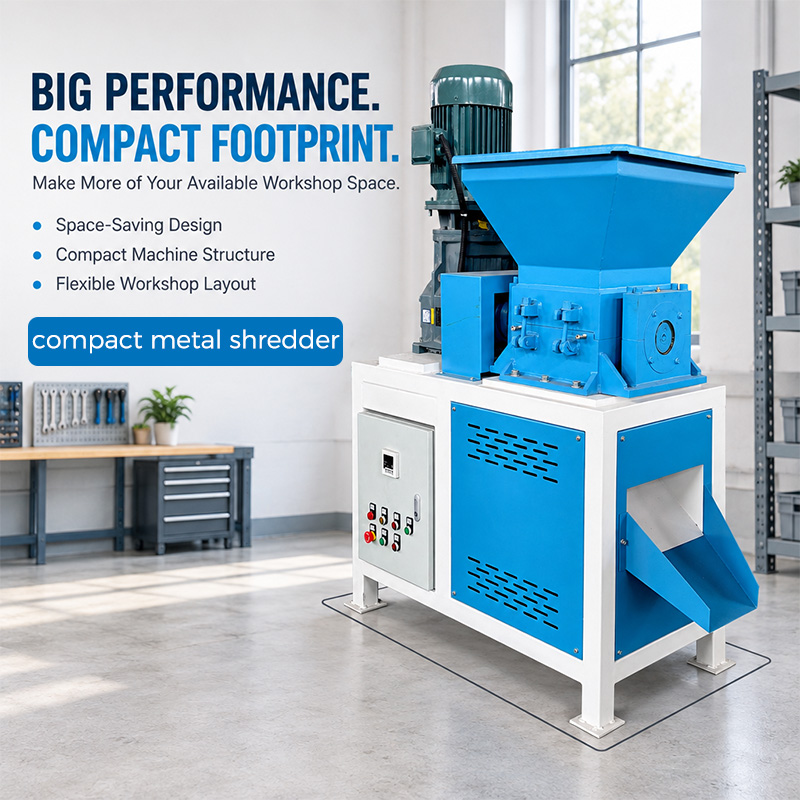
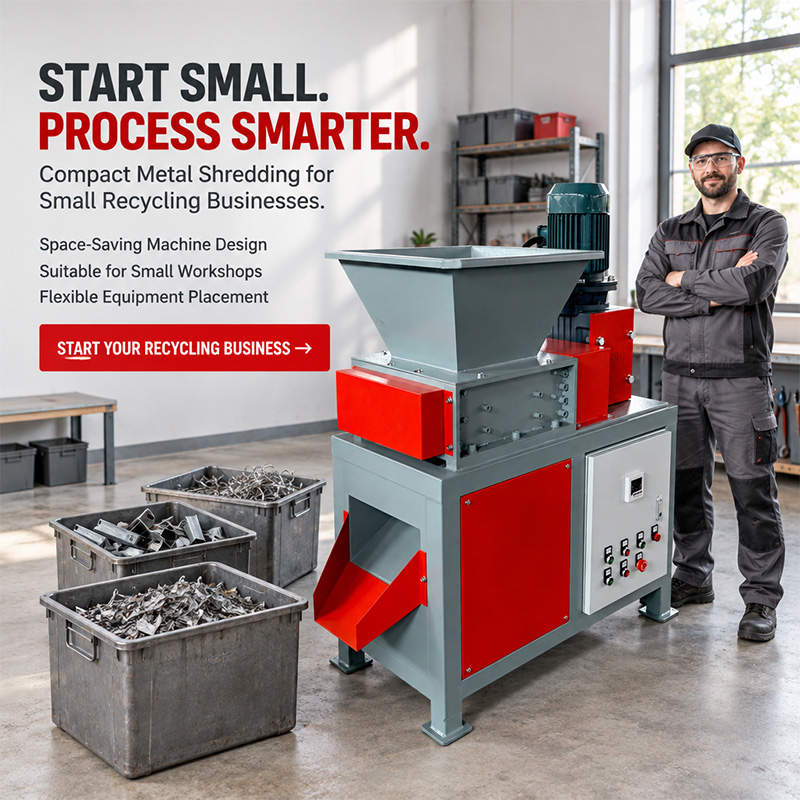
A compact metal shredder is an essential piece of equipment for businesses involved in recycling operations, particularly for processing metal scraps and waste. Selecting the right shredder can significantly impact efficiency, cost-effectiveness, and the quality of recycled materials. Buyers often face concerns regarding specifications, supplier reliability, and overall costs. This article aims to provide insights into choosing a compact metal shredder that meets your operational needs, evaluating suppliers, understanding cost factors, installation guidelines, and addressing common issues that may arise.


Evaluating Reliable Suppliers for Metal Shredders

Evaluating Reliable Suppliers for Metal Shredders

Finding a reliable supplier is crucial for securing a quality compact metal shredder. Start by researching manufacturers with a solid reputation in the recycling equipment industry. Look for companies that have experience in producing shredders specifically designed for metal processing.

Check for certifications that validate the manufacturer's quality control processes. Certifications may include ISO 9001, which indicates a commitment to quality management systems. Additionally, inquire about the supplier's experience in your specific market or application, as this can provide insights into their capability to meet your unique requirements.

Request references or case studies from existing customers to gauge the supplier's reliability and customer service. Effective communication and support during the purchasing process, as well as after-sales service, are indicators of a trustworthy supplier. Consider suppliers who offer customization options to tailor the shredder to your specific needs. For instance, a Copper Granulator can be an excellent choice for operations focusing on copper recycling.

Understanding the Cost Factors When Sourcing Compact Metal Shredders

Understanding the Cost Factors When Sourcing Compact Metal Shredders

Several factors influence the pricing of compact metal shredders. First, the initial purchase price varies based on the shredder's size, capacity, and features. High-performance models with advanced technology may come at a premium but can offer better efficiency and lower operational costs in the long run.

Material costs also play a significant role. Durable materials used in construction can increase the upfront cost but may lead to lower maintenance expenses and longer equipment life.

Additionally, consider installation and shipping costs, which can vary significantly based on the supplier's location and your facility's requirements. Maintenance costs, including potential downtime and parts replacement, should also be factored into your total cost of ownership.

Finally, understand the potential for customization, which may add to the initial cost but can enhance performance specifically tailored to your operational needs. Always ask for a detailed quotation that breaks down these costs to make informed comparisons between suppliers.

Installation Guidelines for Optimal Performance of Metal Shredders

Installation Guidelines for Optimal Performance of Metal Shredders

Proper installation is essential for maximizing the performance of your compact metal shredder. Begin by ensuring that the installation site is adequately prepared. The area should accommodate the shredder's dimensions and allow for safe operation and maintenance access.

Follow the manufacturer's installation instructions closely, as each model may have specific requirements. Key considerations include ensuring proper electrical connections, alignment of the shredder, and securing it to the floor to minimize vibrations during operation.

It’s advisable to have trained personnel conduct the installation or supervise the process. Consider running a test cycle after installation to confirm that the shredder operates as expected and to identify any issues that may need attention before full-scale use.

Regular maintenance checks should be scheduled, focusing on blade sharpness and any wear components, to ensure continued optimal performance.

Common Issues with Compact Metal Shredders and Effective Solutions

Despite their robust design, compact metal shredders may encounter several common issues. One frequent problem is the jamming of materials, which can halt production and lead to costly downtime. To mitigate this, ensure that the shredder is appropriately loaded and that materials are fed in accordance with the manufacturer's guidelines.

Another common issue is wear and tear on the blades. Regular inspections and timely replacements can prevent performance decline. Using the correct type of material for shredding will also extend the lifespan of the blades. For example, using a Wire Stripping Machine can help in preparing wires for shredding.

Noise and vibration can indicate other underlying issues. If the shredder operates noisily or vibrates excessively, it may be misaligned or require maintenance. Addressing these concerns promptly can prevent further damage.

If your shredder is experiencing frequent issues, consult with the manufacturer or supplier. They can provide technical support and recommend solutions based on their expertise and knowledge of the equipment.

By understanding these potential problems and implementing proactive maintenance and operational best practices, you can enhance the lifespan and efficiency of your compact metal shredder.

What to Consider When Choosing a Compact Metal Shredder for Your Needs

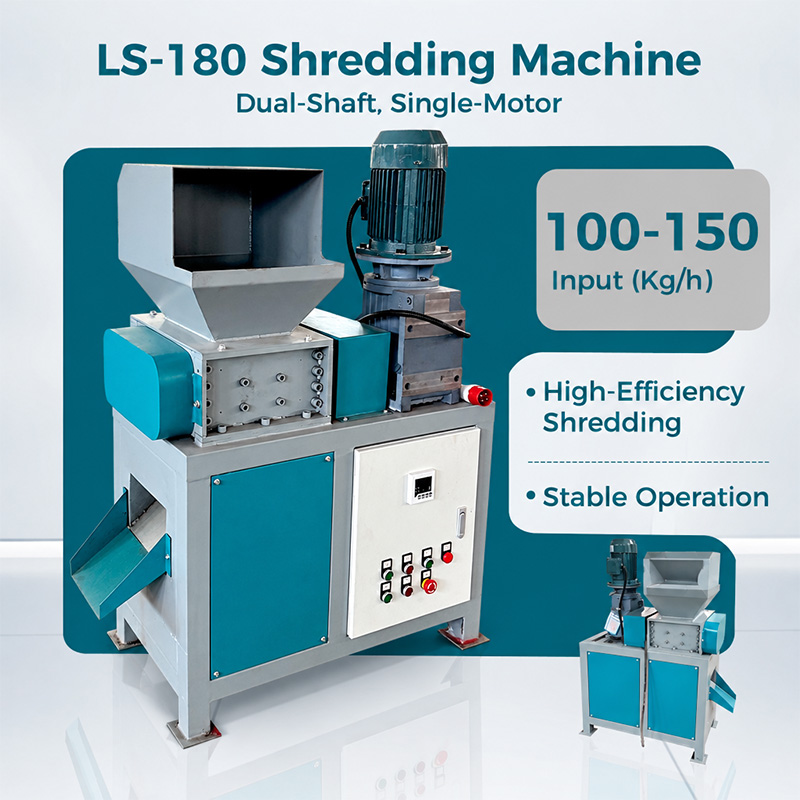
When selecting a compact metal shredder, there are several key factors to consider. First, understand the types of materials you will be shredding. Different metals, such as aluminum, copper, or steel, may require specific shredder designs or configurations for optimal performance. One such machine that excels at processing metals is the Shredding Machine.

Next, assess the shredder's capacity and throughput. This metric indicates how much material the machine can process within a certain timeframe, which is crucial for meeting production demands. Smaller operations may prioritize compact units with lower throughput, while larger facilities might need more robust machines.

Additionally, consider the shredder's blade design and material. High-quality blades made from durable materials can enhance shredding efficiency and longevity. Pay attention to the blade’s sharpness, as dull blades can increase operational costs and lead to more frequent maintenance.

Noise levels and energy consumption are also important. Compact metal shredders that operate quietly and efficiently can reduce both operational costs and environmental impact. Finally, ensure that the shredder complies with local regulations regarding emissions and noise.

Get a Free Quote

Tell us about your recycling needs, and our team will recommend the right equipment and solution for your project.
0/1000