Choosing Circuit Board Recycling Equipment for Business

application/circuit-board-recycling-equipment, application/circuit-board-recycling-equipment, 
Inquiry
Inquiry

circuit board recycling equipment

When seeking circuit board recycling equipment, buyers must consider various factors to ensure they select the right machinery for their operations. This equipment plays a crucial role in the efficient processing of electronic waste, specifically circuit boards, which contain valuable metals and materials that can be recovered and reused. This article will help purchasing managers, distributors, and engineers understand how to choose the right equipment, source it effectively, and evaluate critical specifications, ultimately aiding in their procurement decisions.

Where to Source High-Quality Circuit Board Recycling Equipment Wholesale

Sourcing high-quality circuit board recycling equipment requires diligent research and supplier evaluation. Start by identifying reputable manufacturers known for their reliability and expertise in recycling technologies. Look for companies that provide comprehensive support, from design to after-sales service, such as Hangzhou Lansing Machinery Co., Ltd., which specializes in tailored solutions for waste recycling.

Trade shows and industry exhibitions are excellent venues to connect with equipment manufacturers and suppliers. These events allow you to see the equipment in action and speak directly with experts who can answer your questions.

Additionally, consider online marketplaces that focus on industrial equipment. Verify supplier credentials, read customer reviews, and request references to ensure you are working with a trustworthy partner. A detailed Request for Quotation (RFQ) should include specifics such as model preferences, expected volumes, and customization requirements.

Key Specifications to Evaluate in Circuit Board Recycling Equipmen

When evaluating circuit board recycling equipment, several specifications should be at the forefront of your assessment:

Processing Capacity: This is usually measured in tons per hour. Ensure that the equipment meets or exceeds your operational demands.

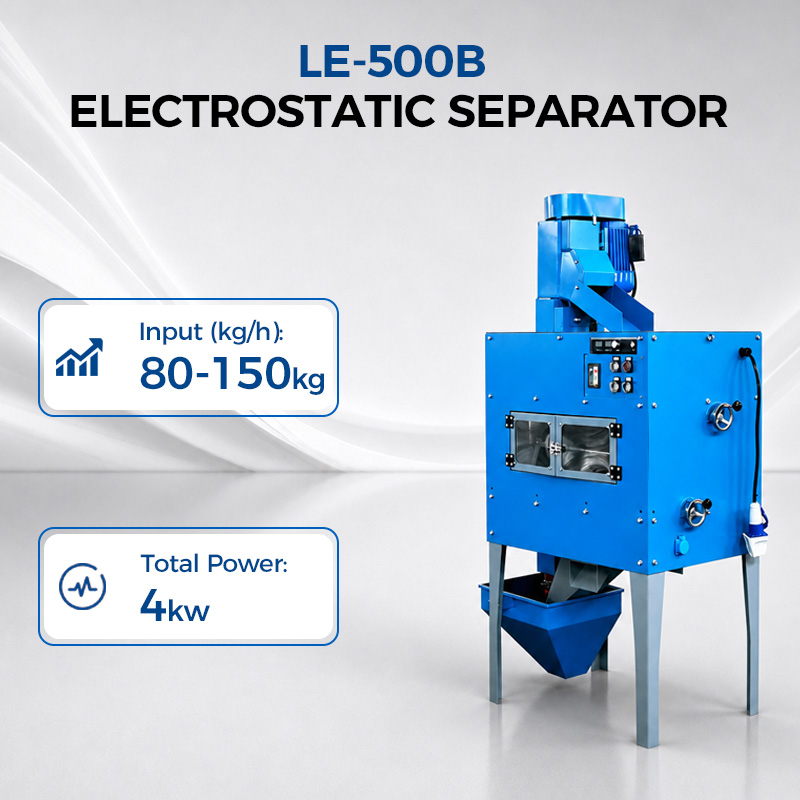
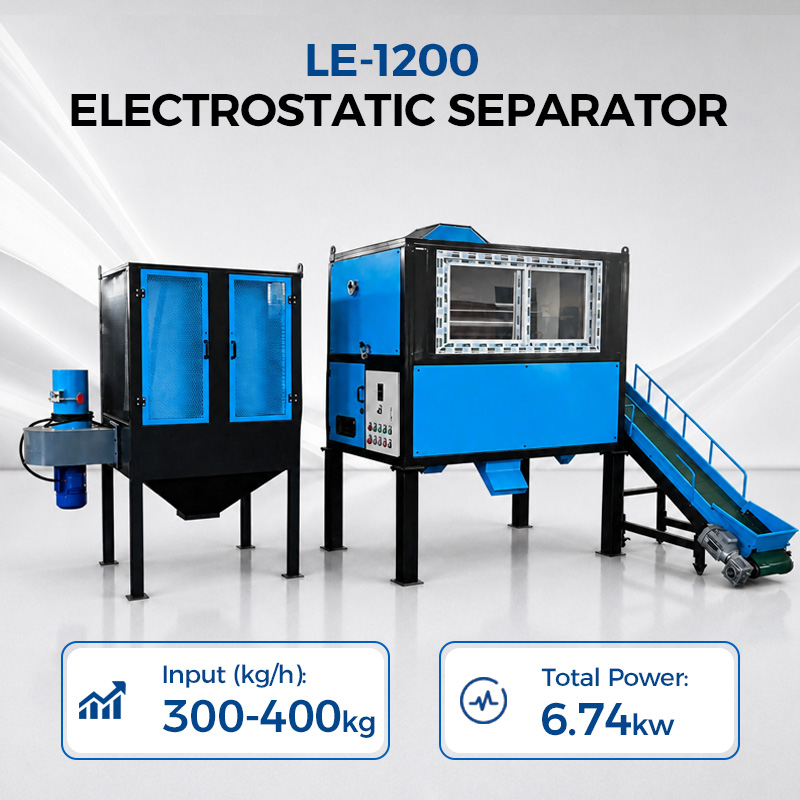
Separation Technology: Look for machines with advanced separation methods, such as air classification or eddy current separation. These methods improve material recovery rates and purity.

Material Compatibility: The equipment should accommodate various types of circuit boards, including multilayer boards, which require specialized processing technologies.

Energy Efficiency: Consider the machine's energy consumption. High-efficiency models can reduce operational costs and environmental impact.

Safety Features: Ensure the equipment includes safety mechanisms to protect operators during processing, such as emergency stops and protective shields.

Maintenance Requirements: Assess how easy it is to service the equipment. Machinery that is difficult to maintain can lead to longer downtimes and increased costs.

Understanding these specifications will allow you to make a more informed purchasing decision and ensure that the machinery meets your operational needs.

Understanding the Cost Factors of Circuit Board Recycling Equipmen

The cost of circuit board recycling equipment can vary widely based on several factors. Key considerations include:

Type of Equipment: Different machines, such as shredders, separators, and granulators, come with varying price tags. Specialized equipment may cost more due to advanced technology.

Capacity and Size: Larger machines with higher processing capacities will generally be more expensive. Ensure that you select a size that meets your operational needs without excessive overcapacity.

Customization: If you require tailored solutions or modifications to standard equipment, this will typically increase costs. Customization can enhance efficiency but should be balanced against budget constraints.

Installation and Training: Factor in costs for installation and operator training. Some suppliers offer these services as part of the package, while others may charge extra.

Long-Term Operational Costs: Consider energy consumption, maintenance, and parts replacement when evaluating total cost of ownership. A lower initial price may lead to higher overall costs if the equipment is inefficient or requires frequent repairs.

Understanding these factors will help you budget effectively and make a sound investment in your recycling operations.

Benefits of High-Quality Circuit Board Recycling Equipment for Your Business

Investing in high-quality circuit board recycling equipment offers numerous benefits that can significantly impact your business:

Increased Recovery Rates: High-quality machines improve the extraction of valuable metals from circuit boards, leading to higher profit margins.

Operational Efficiency: Advanced recycling equipment often features automated processes that streamline operations, reduce labor costs, and minimize human error.

Regulatory Compliance: Using reliable equipment helps ensure compliance with environmental regulations regarding e-waste processing, reducing the risk of fines and legal issues.

Enhanced Safety: Quality equipment includes safety features that protect operators and reduce workplace accidents, contributing to a better workplace environment.

Long-Term Durability: Investing in robust, well-manufactured machines means reduced downtime and maintenance costs over time, providing a better return on investment.

By focusing on acquiring high-quality circuit board recycling equipment, businesses can enhance their recycling capabilities, improve profitability, and maintain a competitive edge in the industry.

How to Choose the Right Circuit Board Recycling Equipment for Your Needs

Selecting the right circuit board recycling equipment hinges on several key factors: the volume of e-waste you handle, the types of materials you wish to recover, and the desired output quality. Start by assessing your processing capacity—how many tons of circuit boards you expect to recycle weekly or monthly. This will guide you toward machinery that can meet your throughput requirements. For instance, a Shredding Machine can be a good starting point for breaking down larger electronic components.

Consider the types of materials present in the circuit boards. Equipment should be capable of handling common metals like copper, gold, and aluminum, and should be designed to separate these components effectively. It's also essential to evaluate the recovery rate of the equipment, as higher recovery rates translate to better financial returns. A Copper Granulator is designed specifically for this purpose, ensuring maximum recovery of valuable metals.

Lastly, consider the level of automation and user-friendliness of the equipment. Advanced machines may offer automated processes that reduce labor costs and improve safety, while simpler models may suffice for smaller operations. Always ask about customization options that can cater to specific operational needs.

Get a Free Quote

Tell us about your recycling needs, and our team will recommend the right equipment and solution for your project.
0/1000