Electronic Circuit Board Recycling: A Complete Guide

application/electronic-circuit-board-recycling, application/electronic-circuit-board-recycling, 
Inquiry
Inquiry

electronic circuit board recycling

Electronic circuit board recycling is a crucial process in the electronics manufacturing and waste management sectors. This practice not only helps mitigate environmental impact but also recovers valuable materials that can be reused. For B2B buyers, it’s essential to understand the nuances of circuit board recycling, including supplier selection, wholesale purchasing, applications for recycled materials, common issues, and installation guidance for recycling equipment. By gaining insights into these areas, purchasing managers and other professionals can make informed decisions that align with their operational needs and sustainability goals.

Wholesale Purchasing Options for Electronic Circuit Board Recycling

When looking for wholesale purchasing options for electronic circuit board recycling, it is essential to understand the different pricing structures and minimum order quantities (MOQs) that suppliers offer. Generally, suppliers may provide tiered pricing based on volume; larger quantities often yield lower per-unit costs. This is particularly advantageous for companies looking to recycle significant amounts of electronic waste.

In addition to pricing, it’s crucial to examine the logistics of the transaction. Many suppliers offer comprehensive services that include pick-up, processing, and delivery of recycled materials. Ensure that the supplier you choose can accommodate your specific logistical needs, including delivery timelines and packaging requirements. For example, consider the benefits of using a Shredding Machine to prepare materials for easier transport and processing.

Moreover, discuss any available payment terms or financing options. Flexible payment solutions can make it easier for businesses to manage cash flow when engaging in larger recycling projects.

Top Applications for Recycled Electronic Circuit Boards

Recycled electronic circuit boards have several valuable applications across various industries. One of the primary uses is the extraction of precious metals, such as gold, silver, and palladium, which can be repurposed in new electronic components. These metals are critical in manufacturing high-performance electronics, making recycling a cost-effective and sustainable choice.

Another significant application is in the production of new circuit boards. Recycled materials can be reprocessed and combined with virgin materials to create new electronic components, thus reducing the environmental impact associated with mining and processing raw materials.

Additionally, recycled circuit boards can be utilized in the creation of various consumer products, including jewelry, art, and decorative items. This not only promotes sustainability but also encourages innovative uses of electronic waste that can appeal to environmentally conscious consumers.

Common Problems in Circuit Board Recycling and Their Solutions

Despite the benefits of electronic circuit board recycling, several challenges can arise during the process. One common issue is the improper handling of hazardous materials. Circuit boards often contain toxic substances that require special processing to ensure environmental safety. To mitigate this risk, it's crucial to work with suppliers who are certified and experienced in handling hazardous waste.

Another issue is the efficiency of the recycling process. Not all circuit boards are created equal; varying compositions can affect the effectiveness of material recovery. To address this, buyers should provide suppliers with detailed information about the types of circuit boards being submitted for recycling. This allows suppliers to tailor their processes to maximize recovery rates.

Lastly, logistics can present challenges, particularly in terms of transportation and storage. Establishing a clear communication plan and timeline with your recycling partner can help streamline the process and minimize delays.

Installation Guidance for Efficient Circuit Board Recycling Equipmen

Proper installation of recycling equipment is essential for maximizing efficiency and ensuring safety during the electronic circuit board recycling process. When installing recycling machinery, begin by assessing the layout of the facility to determine the best placement for equipment. Ensure that there is adequate space for operators to maneuver safely and efficiently.

Next, review the manufacturer's installation guidelines carefully. It’s vital to adhere to specifications regarding electrical connections, ventilation, and safety features. Many manufacturers offer installation support, so don’t hesitate to reach out for assistance if needed.

Additionally, provide thorough training for operators on the use of the equipment. Understanding the operational capabilities and limitations is crucial for maintaining productivity and minimizing downtime. Regular maintenance checks and inspections should also be scheduled to ensure that all machinery operates at peak efficiency, which is essential for effective electronic circuit board recycling.

By focusing on these critical areas, B2B buyers can navigate the complexities of electronic circuit board recycling more effectively, ensuring that they make informed purchasing decisions that align with their operational and sustainability goals.

How to Choose Reliable Suppliers for Circuit Board Recycling

Selecting a reliable supplier for electronic circuit board recycling involves several critical considerations. First, evaluate the supplier's experience and expertise in the recycling industry. A supplier with a strong background in recycling electronics will be better equipped to handle specific challenges associated with circuit boards, such as the presence of hazardous materials like lead and brominated flame retardants.

Additionally, assess the supplier's certifications and compliance with environmental regulations. Certifications, such as ISO 14001 for environmental management, indicate that a supplier adheres to industry standards for waste processing and recycling. It’s also beneficial to inquire about the supplier's quality control processes. A rigorous quality control system ensures that the recycled materials meet industry specifications, which is vital for subsequent manufacturing processes.

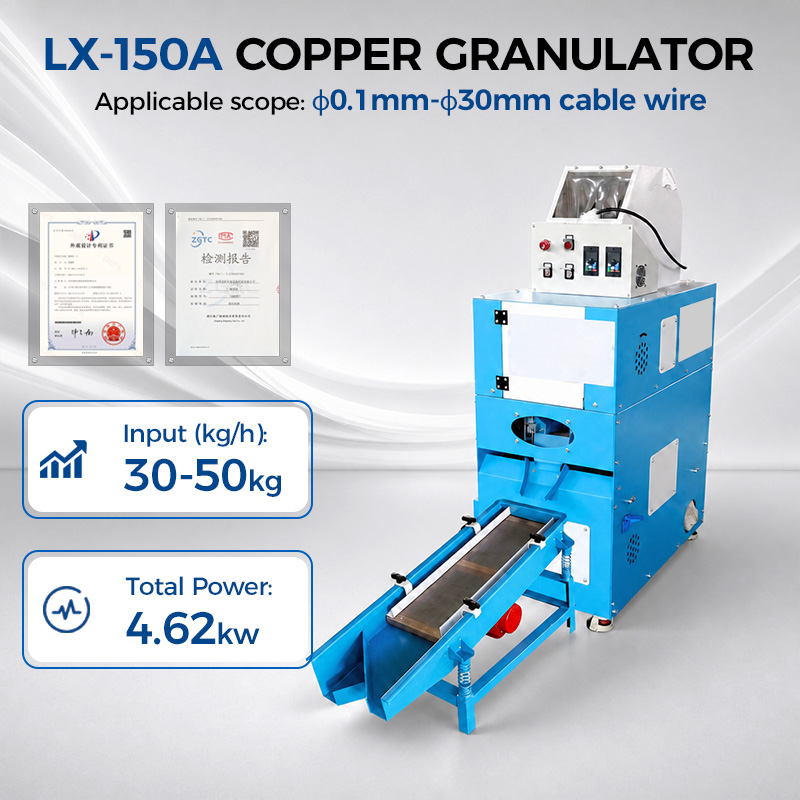
Finally, consider the supplier's capacity for customization. Different electronic circuit boards may require specific recycling methods depending on their composition and the materials being recovered. A flexible supplier who can tailor their services to meet your needs will be a valuable partner in your recycling efforts. For instance, using a Copper Granulator could enhance material recovery efficiency.

Get a Free Quote

Tell us about your recycling needs, and our team will recommend the right equipment and solution for your project.
0/1000