Choosing the Best Wire Stripping Tool for Projects

application/wire-stripping-tool, application/wire-stripping-tool, 
Inquiry
Inquiry

wire stripping tool

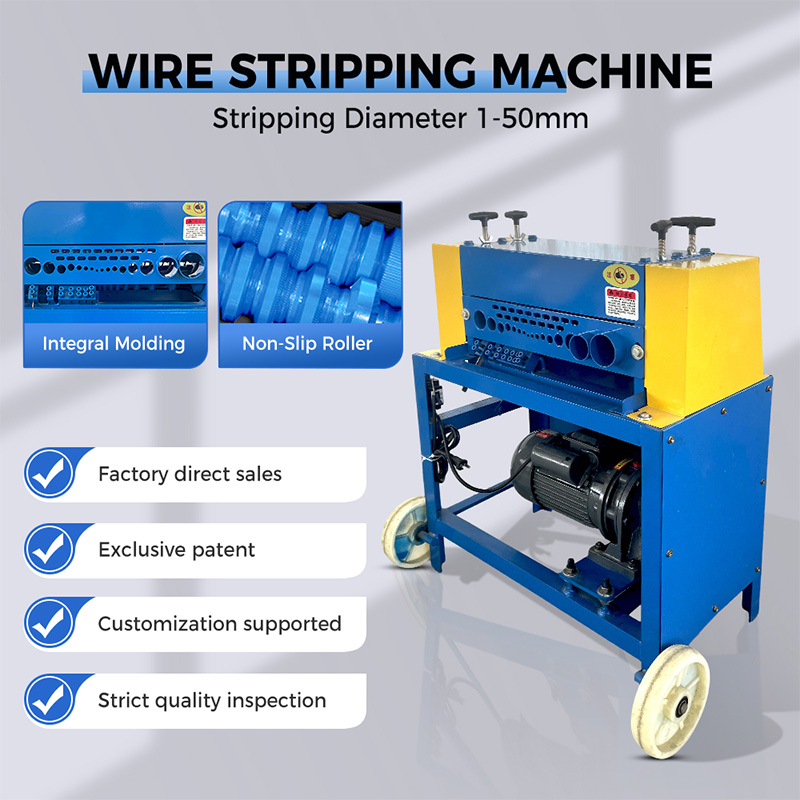
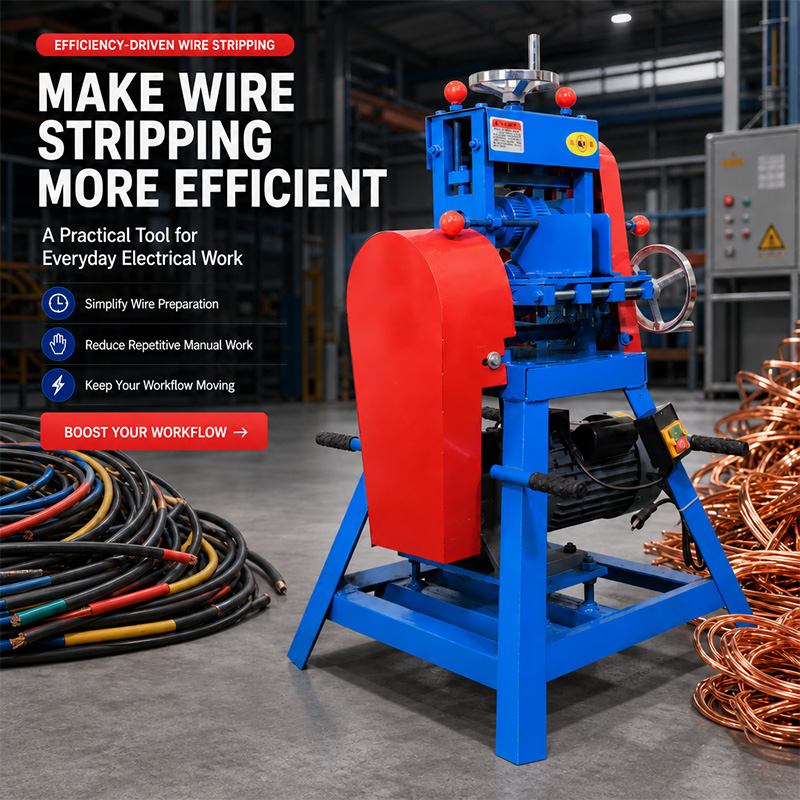
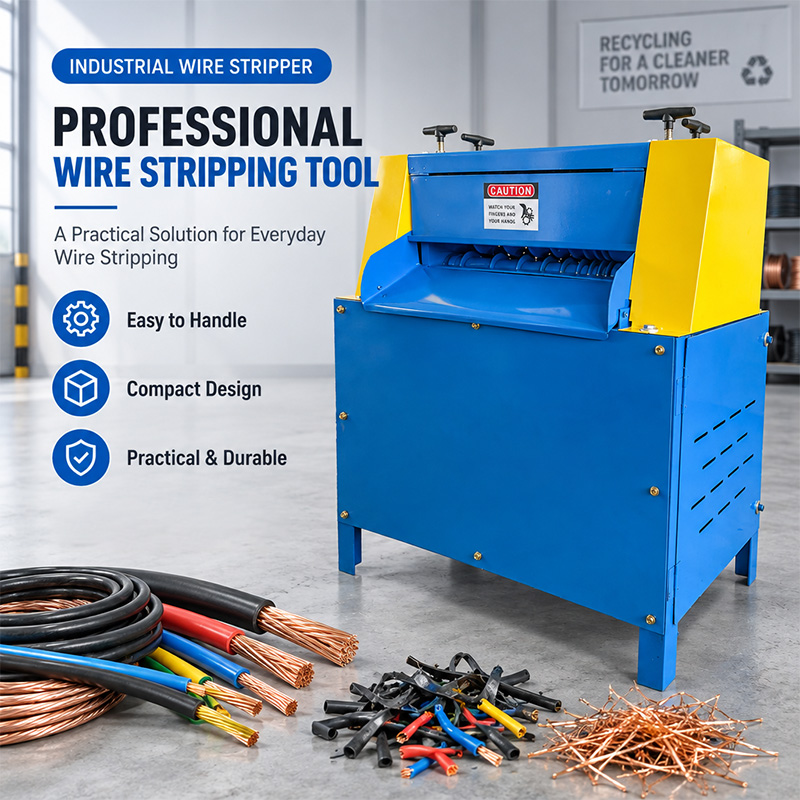
Wire stripping tools are essential devices used to remove insulation from electrical wires, enabling efficient electrical connections and repairs. For B2B buyers such as purchasing managers, engineers, and product managers, selecting the right wire stripping tool can significantly impact application efficiency and cost-effectiveness. , we will explore how to choose the right wire stripping tool, key specifications to consider, quality comparisons, installation guidance, and cost factors, providing you with the insights needed to make informed purchasing decisions.

Key Specifications to Evaluate in Wire Stripping Tools

Key Specifications to Evaluate in Wire Stripping Tools

When evaluating wire stripping tools, several key specifications are crucial for ensuring optimal performance:

Wire Gauge Compatibility: Check the tool's compatibility with the wire gauge you intend to strip. Tools are typically rated for specific ranges, so ensure the model you choose covers your needs.

Cutting and Stripping Mechanism: This can include features like adjustable blades for different insulation thicknesses or automatic stripping capabilities for efficiency. Understanding how these mechanisms work will help you select a tool that minimizes wire damage.

Material Quality: Look for tools made from high-quality materials, such as hardened steel, to ensure durability and longevity. Tools with a rubber grip can also enhance user comfort and control.

Safety Features: Evaluate whether the tool has safety mechanisms, such as blade guards or automatic shutoff features, which can help prevent accidents in the workplace.

Calibration Options: Some advanced models allow for calibration to ensure precise stripping lengths. This is particularly beneficial in applications where uniformity is critical.

Comparing Wire Stripping Tool Quality for Commercial Use

Comparing Wire Stripping Tool Quality for Commercial Use

Quality is a vital consideration when selecting wire stripping tools for commercial applications. Start by researching reputable manufacturers, like Hangzhou Lansing Machinery Co., Ltd., known for robust machinery and recycling equipment. Look into customer reviews and testimonials to gauge product reliability and performance.

Additionally, consider the warranty and support options offered by the manufacturer. A longer warranty often indicates confidence in product quality and can provide peace of mind for your investment. When comparing tools, conduct hands-on testing if possible. This allows you to assess the tool's weight, grip, and overall functionality, ensuring it meets your operational needs before making a purchase.

Installation Guidance for Optimal Use of Wire Stripping Tools

Installation Guidance for Optimal Use of Wire Stripping Tools

Proper installation and usage of wire stripping tools can significantly affect their performance and lifespan. Follow these guidelines for optimal results:

Read the Manufacturer's Manual: Before using the tool, familiarize yourself with the manufacturer's instructions. Understanding the specific features and capabilities of your tool ensures you use it correctly.

Adjust Settings Before Use: If applicable, adjust the tool settings for the specific wire gauge and insulation type. This ensures clean cuts and reduces the risk of damage.

Regular Maintenance: Keep the tool clean and lubricated as necessary. Regular inspections can help identify wear and tear, allowing you to address issues before they lead to more significant problems.

Training: If multiple operators will use the tool, consider providing training to ensure everyone is familiar with its operation and safety features. This can enhance workplace safety and efficiency.

Cost Factors to Consider When Purchasing Wire Stripping Tools

When budgeting for wire stripping tools, several cost factors must be considered:

Initial Purchase Price: While it's tempting to choose the most affordable option, consider long-term value over initial cost. Higher-quality tools, such as the LX-300A 100–150kg/h Copper Wire Granulator for Scrap Cables, may have a higher upfront price but can result in savings through durability and efficiency.

Operational Costs: Consider the operational costs associated with the tool, including maintenance and potential repairs. Tools that require frequent servicing can add to overall expenses.

Volume Discounts: If purchasing in bulk, inquire about volume discounts. Many suppliers offer price breaks for larger orders, which can be an effective way to reduce costs.

Customization Options: If your application requires specific modifications, factor in any additional costs for customization. Understanding your needs upfront can help streamline the purchasing process.

Shipping and Handling: Finally, consider shipping costs, especially if ordering from international suppliers. These costs can vary significantly and should be included in your total budget.

By focusing on these factors, you can make a more informed decision that aligns with your operational needs and budgetary constraints.

Selecting the right wire stripping tool involves a careful evaluation of specifications, quality, installation, and cost factors. By understanding these elements, B2B buyers can enhance their purchasing strategies and ensure they choose tools that meet their specific operational needs effectively.

How to Choose the Right Wire Stripping Tool for Your Projects

Selecting the right wire stripping tool begins with understanding the specific requirements of your project. Consider the type of wire you will be working with—different tools are designed for various wire gauges and insulation types. For example, if you're dealing with fine or ultra-fine wires, choose a tool specifically designed for precision stripping to avoid damaging the conductor. You might find tools like the M30-1 1–30mm 370W Automatic Wire Stripping Machine particularly useful for such applications.

Moreover, evaluate the stripping method. Manual wire strippers may suffice for small tasks, while powered models, such as the F60-1 1–60mm 3kW Automatic Wire Stripping Machine, are ideal for larger projects where speed and efficiency are critical. Assess your operational environment as well; tools designed for industrial settings often provide enhanced durability and performance under demanding conditions. Finally, consider ease of use and ergonomics, as comfort during operation can improve productivity and reduce fatigue.

Frequently Asked Questions

What is this wire stripping tool used for?

It removes insulation from waste cables to recover copper or aluminum for recycling and metal recovery processes.
Designed for a variety of insulated power and communication cables, including single-core and multi-core copper or aluminum wires.
Yes. We offer customized configurations and integrations to fit your waste cable and metal recycling workflow.
We offer installation guidance, spare parts, maintenance advice and remote or onsite technical support from design through after-sales.
Contact our sales team with cable type, capacity needs and site details; we will provide a tailored solution and quotation.

Get a Free Quote

Tell us about your recycling needs, and our team will recommend the right equipment and solution for your project.
0/1000