Essential Wire Stripping Machines for Recycling

application/stripping-machines-wire, application/stripping-machines-wire, 
Inquiry
Inquiry

stripping machines wire

Wire stripping machines are essential tools used in the recycling of waste cables and metals, enabling the efficient extraction of copper and aluminum for reuse. For B2B buyers, concerns typically center around performance, reliability, and the machine's suitability for specific applications. , we will delve into the key specifications and features of stripping machines, what to look for when selecting one, the step-by-step process involved in their operation, common issues and solutions, and their applications across various industries.

What to Look For

When selecting a wire stripping machine, consider the following factors to ensure it meets your operational needs:

Performance Metrics: Request performance data from suppliers, including stripping speed and efficiency rates. Verify these metrics against your operational requirements.

Customization Options: Depending on your business needs, inquire about customization capabilities. Machines that allow for adjustments in blade types or settings can provide more targeted solutions for specific wire types.

Maintenance Requirements: Understand the maintenance needs of the machine. A model that requires frequent servicing may not be ideal for high-output environments. LS-600B 22 kW Dual-Shaft Shredder for Waste Pre-Processing is one such example that may require more regular attention.

Supplier Reputation: Evaluate potential suppliers based on their industry experience, customer reviews, and after-sales support. A reliable supplier will often provide better technical support and service continuity.

Cost Considerations: Beyond the initial purchase price, consider the total cost of ownership, which includes maintenance, energy consumption, and potential downtime during repairs.

Step-by-Step Process

Using a wire stripping machine typically involves the following steps:

Preparation: Gather all necessary materials and ensure that the machine is clean and well-maintained. Check that blades are sharp and properly installed.

Setting Adjustments: Depending on the wire size, adjust the machine settings, including the cutting depth and stripping length. This step is crucial to avoid damaging the wire.

Loading the Wire: Insert the wire into the machine, ensuring that it is positioned correctly to prevent jams or misfeeds.

Operation: Start the machine, monitoring the stripping process. Keep an eye on performance metrics such as speed and efficiency.

Quality Control: After stripping, inspect the wire for quality. Ensure there is no damage and that the insulation has been removed cleanly.

Maintenance: After use, perform routine maintenance checks, including cleaning and sharpening blades to ensure the machine remains in optimal working condition.

Common Problems with Wire Stripping Machines and Their Solutions

Wire stripping machines can experience several common issues. Here are some problems and their solutions:

Jamming: This can occur if the wire is not loaded correctly or if the cutting blade is dull. Regular maintenance and proper loading techniques can mitigate this issue.

Inconsistent Stripping: If the machine fails to strip wire consistently, check the blade alignment and ensure the settings are appropriate for the wire type.

Overheating: Machines may overheat due to prolonged use or insufficient cooling. Ensure the machine has proper ventilation and consider operating it in intervals to prevent overheating.

Electrical Failures: If the machine fails to start or suddenly stops, inspect electrical connections and fuses. Regular checks can prevent unexpected downtimes.

Poor Quality Stripping: If the stripping quality is inadequate, it may be due to incorrect settings or worn-out blades. Regularly replace blades and fine-tune machine settings based on the wire type.

Applications of Wire Stripping Machines in Various Industries

Wire stripping machines serve a wide range of applications across various industries:

Recycling Industry: The primary use is in recycling facilities, where waste cables are processed to extract valuable metals. This not only contributes to sustainability but also generates raw materials for other manufacturing processes.

Electrical Manufacturing: Manufacturers often use these machines to prepare wires for assembly. Stripping is essential in creating connections for electrical components.

Automotive Industry: In automotive manufacturing, wire stripping machines are used to process wiring harnesses and electrical systems, ensuring that the vehicle's electrical components function reliably.

Construction: In the construction sector, these machines help prepare wires for various electrical installations, allowing for efficient building processes.

Telecommunications: Stripping machines are essential in the telecommunications industry for preparing cables used in networking and communication equipment.

Understanding these applications can help buyers choose the right machine that aligns with their operational needs. Each industry may have specific requirements regarding wire type, volume, and processing speed, which should be considered during the selection process.

In summary, wire stripping machines play a vital role in the effective recycling and processing of cables and wires across various industries. By understanding their specifications, operational processes, and common challenges, B2B buyers can make informed decisions that enhance their operational efficiency and support sustainable practices.

Key Specifications and Features

When evaluating stripping machines, several key specifications and features are critical for ensuring optimal performance.

Material Compatibility: Most wire stripping machines are designed to handle various types of cables, including copper, aluminum, and mixed metal cables. Ensure the machine can accommodate the specific types of wire you intend to process.

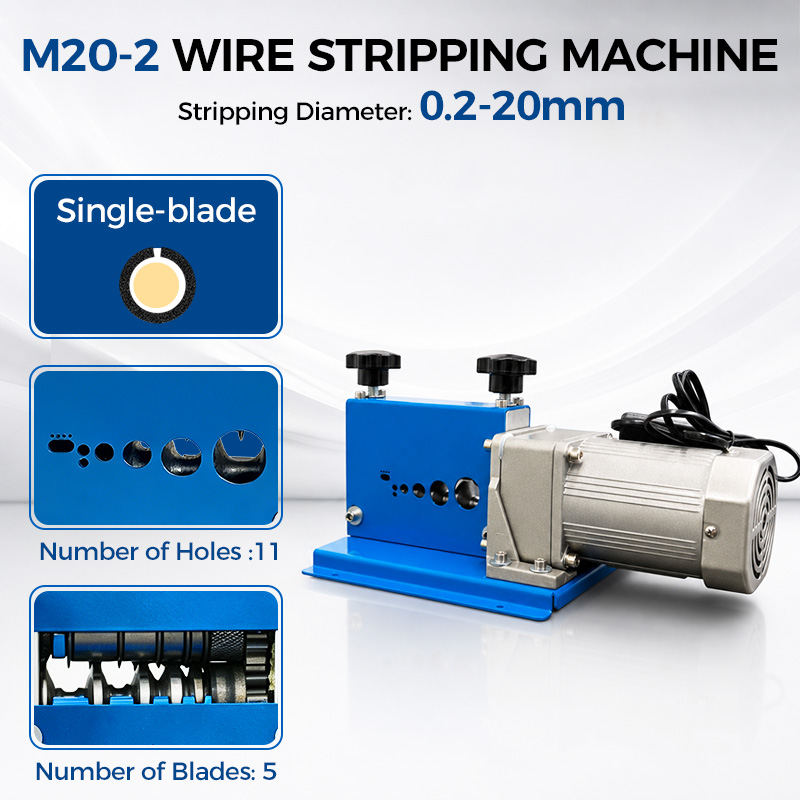
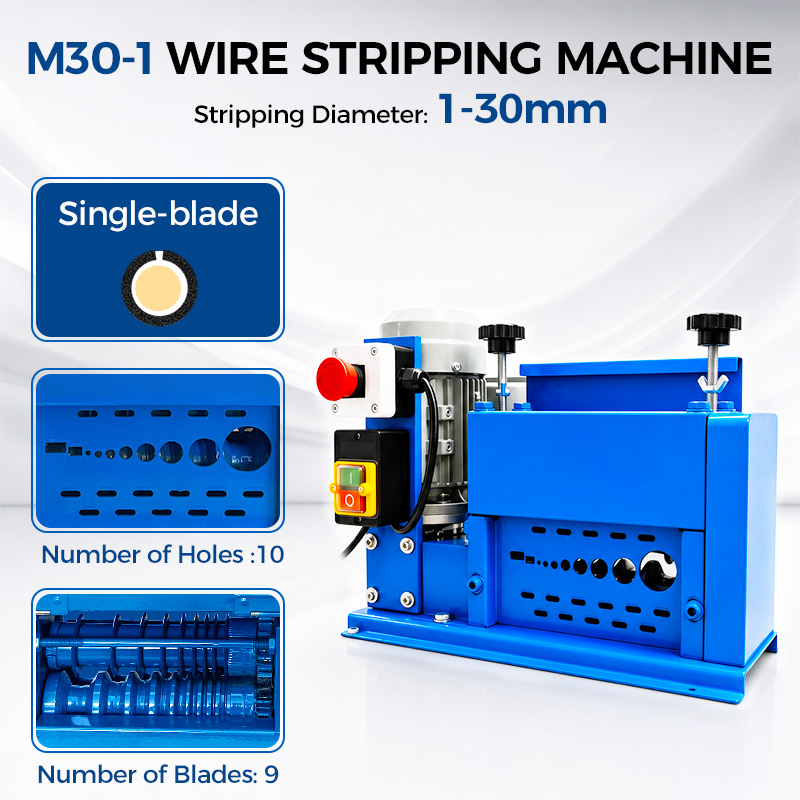
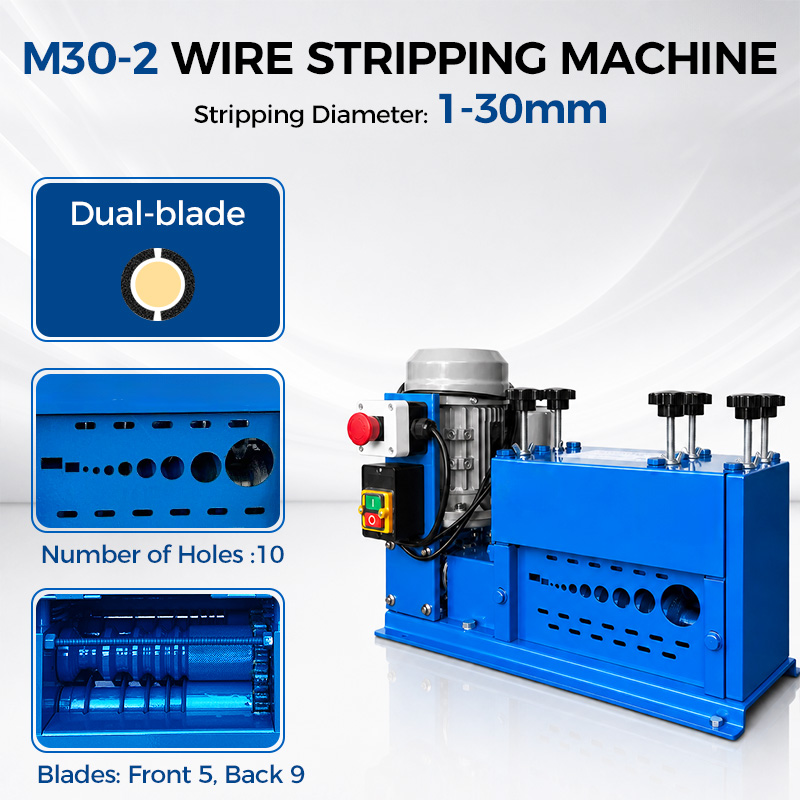
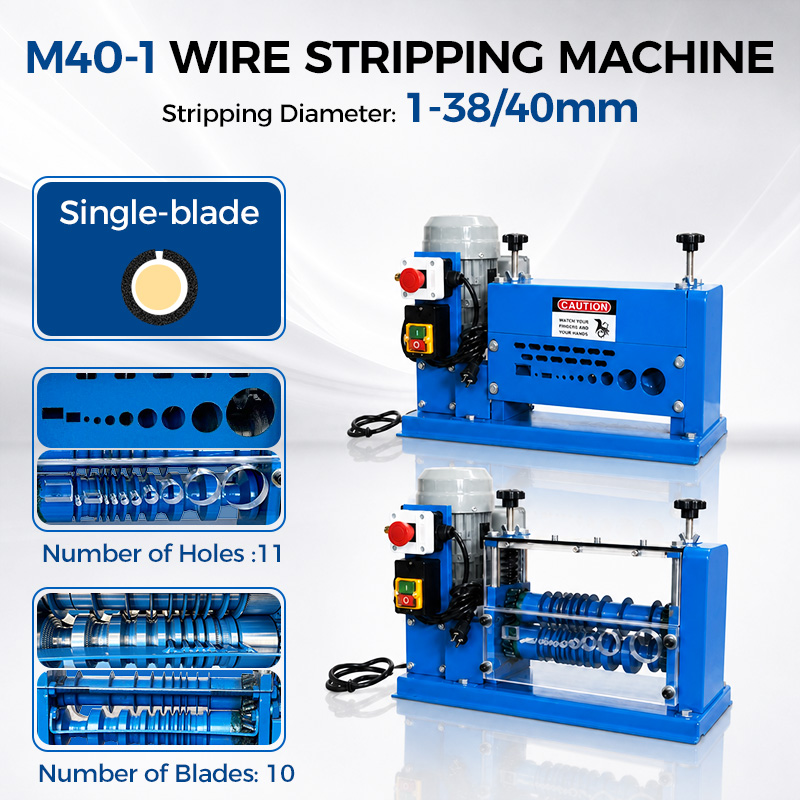
Cutting Capacity: The cutting capacity, often measured in millimeters, indicates the maximum diameter of the wire that can be stripped. Machines with adjustable cutting ranges provide versatility for different wire sizes.

Stripping Speed: This refers to how quickly the machine can strip wire, typically measured in meters per minute. A higher stripping speed can lead to increased productivity, making it vital for commercial applications.

Power Source: Stripping machines can be powered by electricity, hydraulic systems, or pneumatic systems. Depending on your operational environment, choose a power source that aligns with your facility's capabilities.

Automation Level: Some machines come with fully automated features that reduce manual input, while others require more hands-on operation. Automated machines often come with programmable settings for repeatable tasks, which can enhance efficiency. For instance, models like the LE-500B Electrostatic Separator for Copper and Plastic Recovery can streamline operations in this regard.

Safety Features: Look for machines equipped with safety guards, emergency stop buttons, and sensors to prevent accidents during operation. Compliance with local safety regulations is also crucial.

Get a Free Quote

Tell us about your recycling needs, and our team will recommend the right equipment and solution for your project.
0/1000