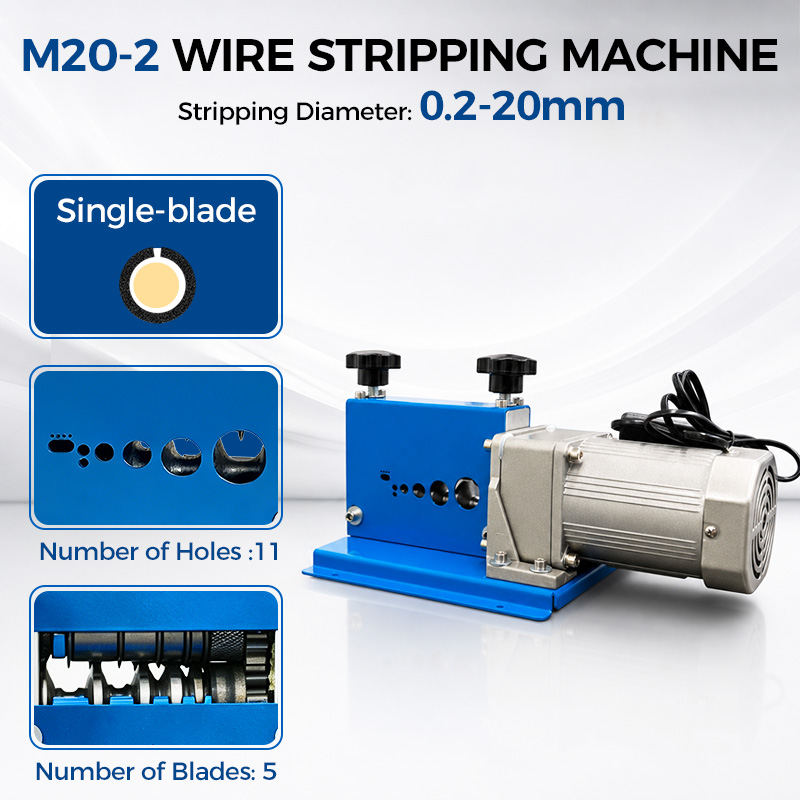
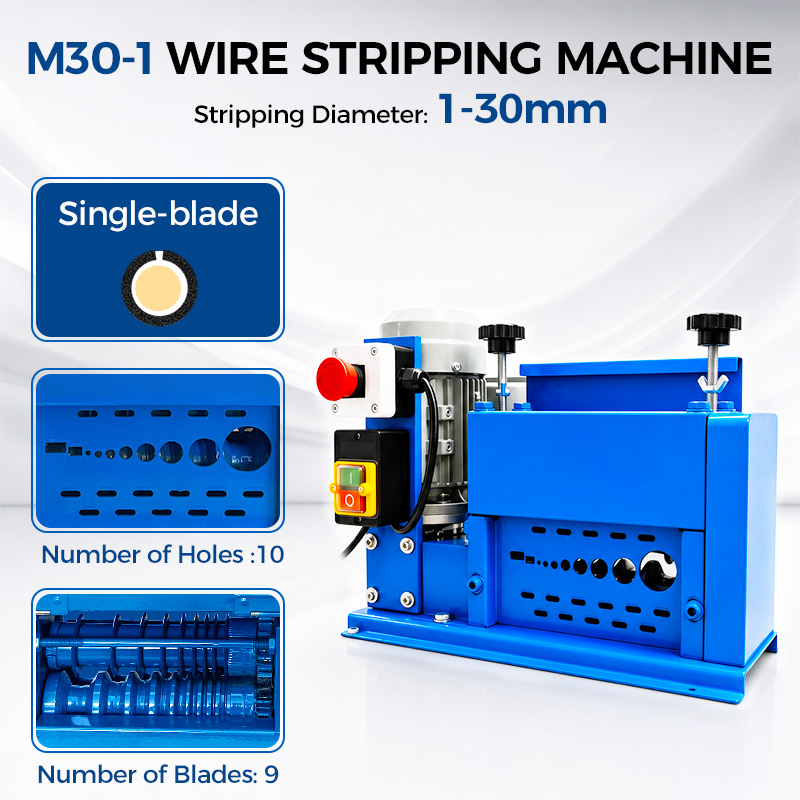
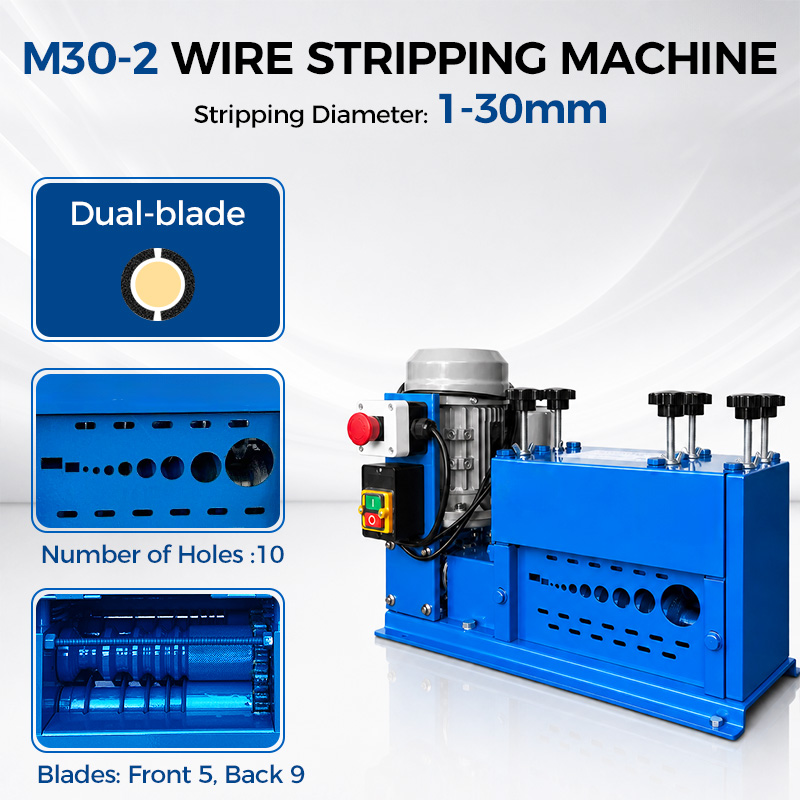
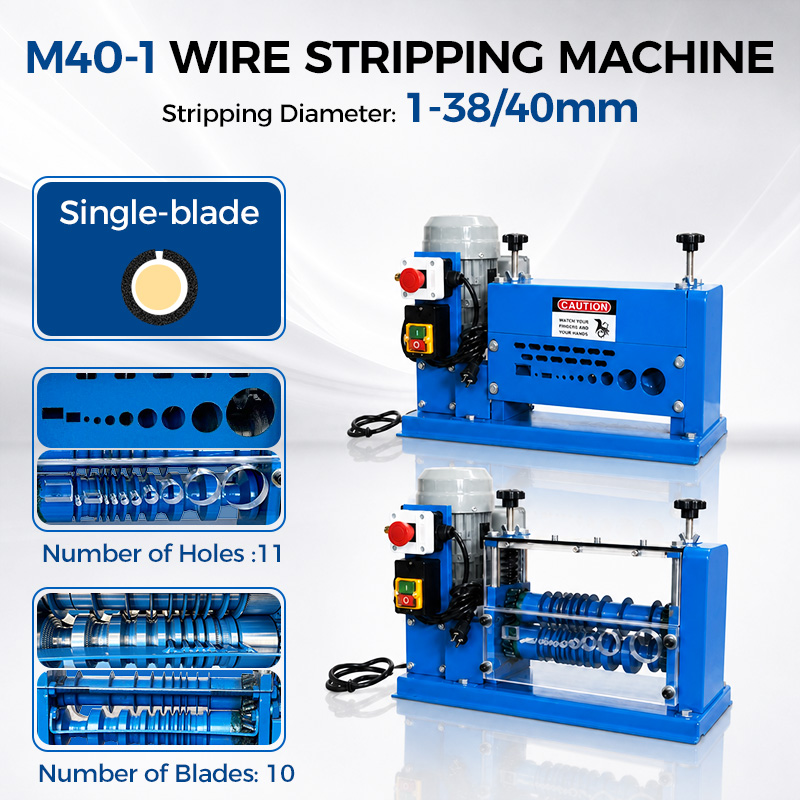
Stripping Machine Price: Key Insights for Buyers

application/stripping-machine-price, application/stripping-machine-price, 
Inquiry
Inquiry

stripping machine price

Investing in a stripping machine can be a significant decision for businesses involved in recycling or waste management. The stripping machine price is a key factor that often weighs heavily on purchasing managers and decision-makers. Understanding the various specifications, potential problems, and applications of stripping machines is essential for making an informed purchase. This article aims to provide practical insights into what to expect when considering a stripping machine, helping buyers navigate their options effectively.

Understanding Stripping Machine Pricing and Budgeting

Understanding Stripping Machine Pricing and Budgeting

The stripping machine price is influenced by several factors:

Machine Specifications: Higher specifications typically correlate with higher prices. Machines capable of handling a wider range of materials or featuring advanced automation will generally be more expensive.

Brand and Manufacturer Reputation: Well-known brands with a reputation for quality and reliability may charge a premium. However, they often provide better after-sales support and warranty options. For instance, consider the LX-400B Copper Wire Granulator which is known for its reliability.

Customization Options: Custom-built machines tailored to specific applications may incur additional costs but can enhance operational efficiency.

Market Trends: Prices can fluctuate based on market demand and the availability of raw materials. Keeping an eye on market trends can help buyers time their purchases for better pricing.

Total Cost of Ownership: Beyond the initial purchase price, consider ongoing costs such as maintenance, energy consumption, and potential downtime. A lower initial cost may result in higher overall expenses if the machine is less reliable.

Understanding these factors will help you create a realistic budget that encompasses not just the purchase price but also the long-term costs associated with operating the machine.

Common Problems with Stripping Machines and Effective Solutions

Common Problems with Stripping Machines and Effective Solutions

Stripping machines, while efficient, are not without their challenges. Common problems include:

Jamming: A frequent issue that can halt operations. This often results from improper adjustments or using the wrong wire type. To mitigate this, ensure that the machine is calibrated for the specific wire being processed.

Blade Wear: Over time, blades can dull, leading to poor stripping quality. Regular maintenance checks and timely blade replacements are crucial for consistent performance.

Electrical Failures: Machines may experience electrical issues due to voltage fluctuations or component failures. Implementing surge protectors and regular electrical inspections can help prevent these issues.

Inconsistent Stripping Lengths: This problem often arises from improper feed rates or misalignment. Regularly check and adjust the feeding mechanism to ensure consistency.

By being aware of these common issues, buyers can take proactive steps to ensure their stripping machines operate smoothly, minimizing downtime and maximizing productivity.

What Buyers Should Know

What Buyers Should Know

When considering the purchase of a stripping machine, buyers should keep several key points in mind:

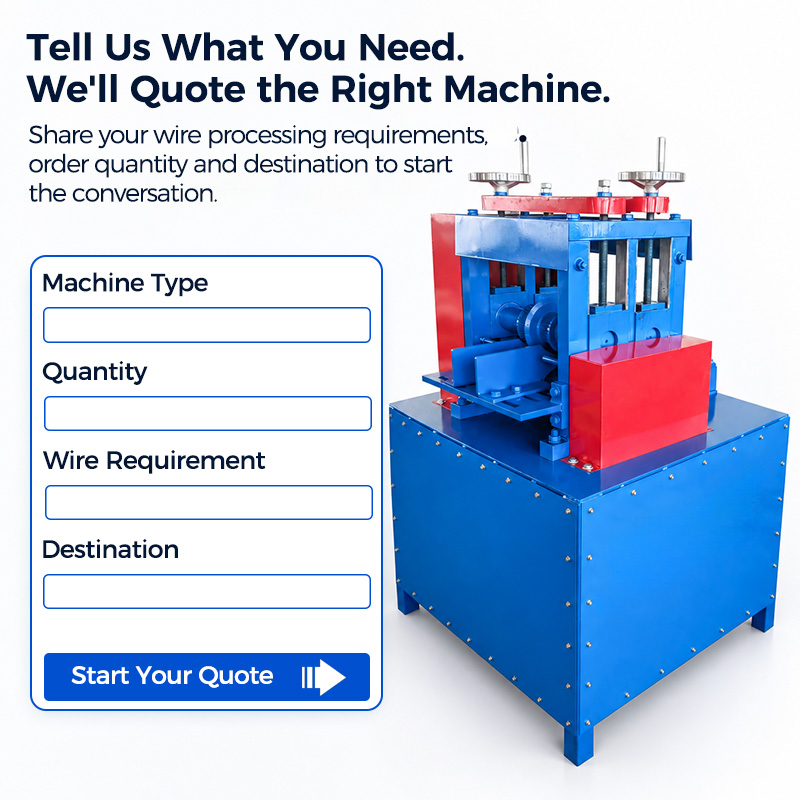
Requesting a Quote: When seeking quotations, provide detailed specifications including the type of wire, expected volume, and any customization needs. This information will enable suppliers to give you the most accurate pricing.

Sample Testing: Before committing to a large order, request a sample machine or a demonstration. Testing the machine under actual operating conditions can reveal potential issues and ensure it meets your performance expectations.

Comparing Suppliers: Evaluate potential suppliers based on their manufacturing capabilities, product quality, and customer support. Reviews and testimonials from other buyers can provide valuable insights. For example, the LE-500B Electrostatic Separator is well-reviewed among industry peers.

Warranty and Support: Understand the warranty terms and what support the manufacturer offers post-purchase. Reliable after-sales service is crucial for long-term machine performance.

By addressing these considerations, buyers can streamline the purchasing process and ensure they select a machine that aligns with their operational requirements.

Applications of Stripping Machines in Various Industries and Projects

Stripping machines are versatile tools used across multiple industries, including:

Recycling: In waste management, stripping machines are essential for separating valuable materials from insulation, particularly in cable recycling. This process enhances the recovery of metals, increasing profitability.

Manufacturing: In electrical and electronics manufacturing, stripping machines prepare wires for assembly, ensuring clean connections and reducing defects.

Construction: Stripping machines are also used in the construction industry for processing cables and wires during installation, ensuring materials meet specific standards for safety and performance.

Automotive: In the automotive sector, these machines help in the processing of wires used in vehicles, optimizing assembly line efficiency.

Understanding the specific applications relevant to your industry can help you identify the most suitable stripping machine for your operations, ensuring that you achieve the desired results.

By considering the specifications, pricing factors, common problems, buyer insights, and applications discussed, purchasing managers and decision-makers can make informed choices when selecting a stripping machine that meets their operational needs.

Key Specifications to Consider

When evaluating a stripping machine, several specifications must be considered to ensure it meets the needs of your operations. Key specifications include:

Cutting Capacity: This refers to the diameter and type of wire the machine can handle. A machine designed for heavy-duty cables will differ significantly from one intended for lighter wires.

Motor Power: The motor's horsepower influences the machine's efficiency and speed. A more powerful motor typically allows for faster processing times, which can enhance productivity.

Blade Material and Design: The type of blades can affect the quality of the stripping process. High-carbon steel blades offer durability, while specialized designs may improve the precision of cuts on different wire types.

Automation Features: Some machines come equipped with automated feed systems that reduce manual intervention. Understanding the level of automation can help in assessing labor costs and efficiency.

Size and Weight: These factors are crucial for operational logistics, including installation space and transportation. Ensure that the machine fits within your operational footprint and can be moved if necessary.

Buyers should assess these specifications against their specific needs, as the right combination will maximize productivity and minimize operational issues.

Get a Free Quote

Tell us about your recycling needs, and our team will recommend the right equipment and solution for your project.
0/1000