Automatic Cutting and Stripping Machine Guide

application/automatic-cutting-and-stripping-machine, application/automatic-cutting-and-stripping-machine, 
Inquiry
Inquiry

automatic cutting and stripping machine

The automatic cutting and stripping machine is an essential piece of equipment in the manufacturing and recycling industries, primarily designed to efficiently cut and strip wire and cable. For purchasing managers and engineers, key concerns include the machine's specifications, installation requirements, and potential operational challenges. This article aims to guide you through essential considerations when sourcing these machines, ensuring that you make an informed decision that aligns with your operational needs.

Installation Guidance for Automatic Cutting and Stripping Machines

Installation Guidance for Automatic Cutting and Stripping Machines

Successful installation of an automatic cutting and stripping machine is crucial for optimal performance. Here are essential steps to consider:

Site Preparation: Ensure that the installation area is clean, well-lit, and spacious enough to accommodate the machine and allow for operator movement. The flooring should be level to support the machine's weight and stability.

Electrical and Pneumatic Requirements: Confirm that the site's electrical supply matches the machine's requirements. Check for adequate voltage and current capacity. If the machine requires pneumatic lines for operation, ensure these are in place and compliant with specifications.

Installation Manual: Always refer to the installation manual provided by the manufacturer. It will contain detailed instructions and diagrams that outline the assembly process.

Calibration: After installation, calibrate the machine according to the manufacturer’s specifications. This process may involve adjusting the cutting blades and stripping lengths based on the materials you will be processing.

Training: Ensure that operators receive thorough training on the machine's operation, safety, and maintenance procedures. This training can significantly reduce the risk of accidents and improve efficiency.

Testing: Once installed and calibrated, run test operations with different types of cables to ensure the machine operates correctly and meets production standards.

Proper installation is vital to ensure the longevity and efficiency of your automatic cutting and stripping machine. Following these guidelines will help maximize your investment.

Common Problems with Cutting and Stripping Machines and Their Solutions

Common Problems with Cutting and Stripping Machines and Their Solutions

Like any machinery, automatic cutting and stripping machines can encounter issues. Here are some common problems and their solutions:

Inconsistent Cuts: If the cuts are uneven or inconsistent, it may be due to dull blades or incorrect calibration. Regularly check and replace blades as necessary and recalibrate the machine after extended use.

Wire Jamming: Jamming can occur if the wire is not fed correctly or if there are debris or foreign objects in the feed mechanism. Always ensure proper wire loading and periodically clean the machine to prevent jamming.

Electrical Failures: Electrical issues may result from faulty wiring or connections. Regular maintenance checks can help identify potential problems before they lead to failure.

Software Glitches: If the machine employs a computerized control system, software issues may arise. Restarting the system or consulting the manufacturer for updates can often resolve these problems.

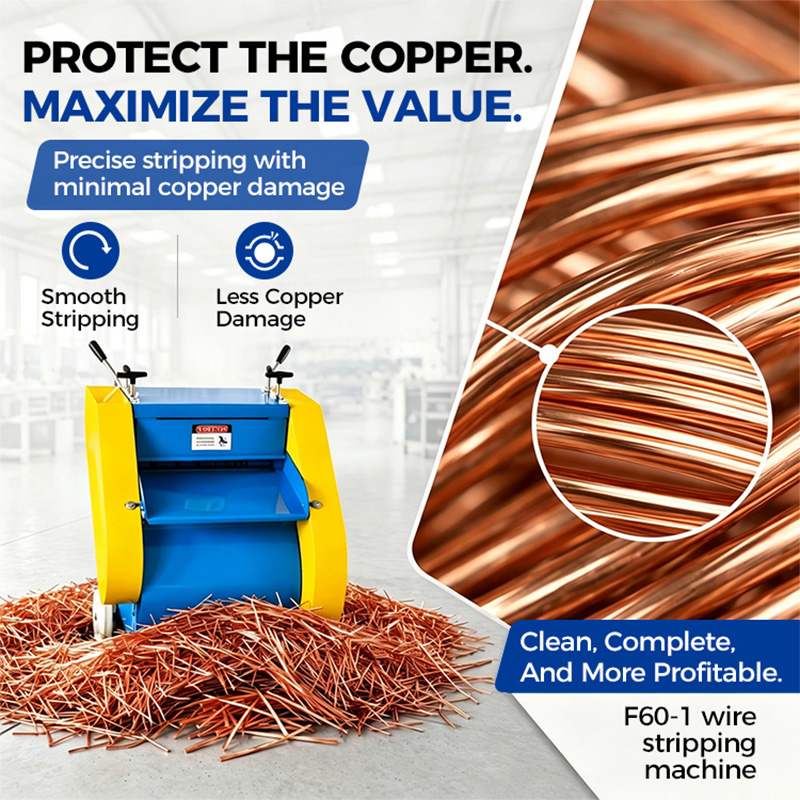
Poor Stripping Quality: If the insulation is not being stripped cleanly, check the stripping blade for wear and ensure that the stripping length is correctly set.

By understanding these common issues and their solutions, operators can maintain optimal machine performance and minimize downtime.

Exploring Applications for Automatic Cutting and Stripping Technology

Exploring Applications for Automatic Cutting and Stripping Technology

Automatic cutting and stripping machines are used across various industries, making them versatile tools. Here are some applications:

Electrical Manufacturing: These machines are essential in the production of electrical harnesses, where precise cutting and stripping are necessary for effective connections.

Automotive Industry: In automotive manufacturing, cutting and stripping machines are used to process wiring harnesses that connect various vehicle components, ensuring reliability and safety.

Telecommunications: The telecommunications sector utilizes these machines for cable assembly, ensuring that data and power cables are prepared for installation with precision.

Renewable Energy: As the demand for renewable energy solutions grows, cutting and stripping machines are increasingly used to prepare cables for solar panels and wind turbines.

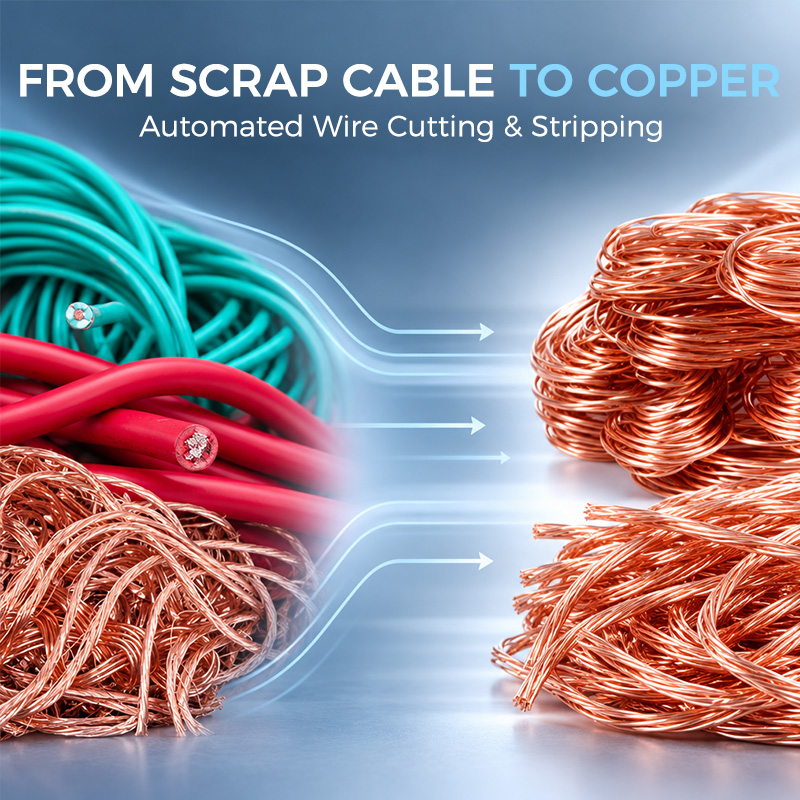
Recycling Facilities: In recycling operations, these machines help process waste cables, allowing for the recovery of valuable materials like copper and aluminum. These operations often incorporate technologies like the Electrostatic Separator to enhance material recovery.

Understanding the various applications of automatic cutting and stripping technology can help businesses identify new opportunities for efficiency improvements and cost savings.

Comparing Different Models of Automatic Cutting and Stripping Machines

When comparing models of automatic cutting and stripping machines, consider the following key factors to ensure you make an informed choice:

Functionality: Different models may offer varying functionalities, such as multiple cutting modes (e.g., full cut, partial cut) or the ability to handle different wire types. Assess your specific needs to determine which model aligns best with your operations.

User Interface: Evaluate the user interface of each model. Machines with intuitive control panels and clear displays can reduce training time and enhance operational efficiency.

Production Capacity: Compare the throughput of different models, as some machines are designed for high-volume production while others may be more suited for smaller operations.

Support and Warranty: Assess the manufacturer's support services and warranty offerings. A robust support system can be invaluable, especially during installation and troubleshooting.

Price vs. Performance: While it may be tempting to choose the lowest-priced option, consider the long-term value. A more expensive machine may offer better performance, features, and durability, leading to lower total costs over time.

Customization Options: Some manufacturers offer customization capabilities to tailor the machine to specific production requirements. Consider whether these options are necessary for your operations.

By carefully comparing these factors, you can select the automatic cutting and stripping machine that best fits your operational needs and budget.

Key Specifications to Consider When Sourcing Cutting and Stripping Machines

When evaluating automatic cutting and stripping machines, several critical specifications should be prioritized:

Cutting Capacity: This specification refers to the maximum diameter and type of wire the machine can handle. It's essential to match this capacity with your typical wire sizes to avoid operational inefficiencies.

Strip Length Adjustment: A good machine should allow for easy adjustments of strip lengths. This is crucial for various applications, as different wire sizes and types may require different stripping lengths.

Speed and Efficiency: The machine's cutting speed (measured in pieces per minute) will directly impact your production rate. Consider both the speed and the quality of the strip to ensure that you maintain production efficiency without compromising quality.

Material Compatibility: Ensure that the machine is compatible with the materials you typically work with, such as copper, aluminum, or multi-stranded cables. Some machines, like the Copper Granulator, may perform better with specific materials.

Control Systems: Modern machines often come with programmable logic controllers (PLCs) for more precise operation. Understanding the control system's flexibility can help you optimize production settings.

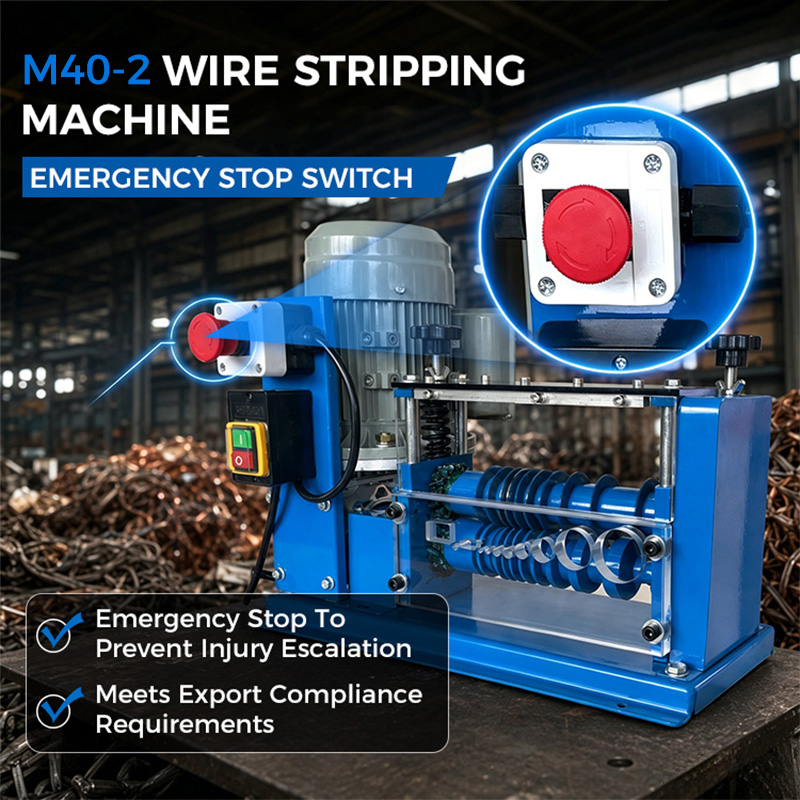
Safety Features: Pay attention to safety mechanisms, such as emergency stop buttons and protective covers, to safeguard operators during use.

Maintenance Requirements: Machines with easily accessible parts for maintenance will lead to lower downtime and longer operational life.

Certification and Compliance: Certifications, such as CE or ISO, can provide assurance regarding the machine's quality and safety standards.

By carefully considering these specifications, you can ensure that the automatic cutting and stripping machine you choose meets your operational requirements and industry standards.

Get a Free Quote

Tell us about your recycling needs, and our team will recommend the right equipment and solution for your project.
0/1000